






Hand Painted Imari Ceramics
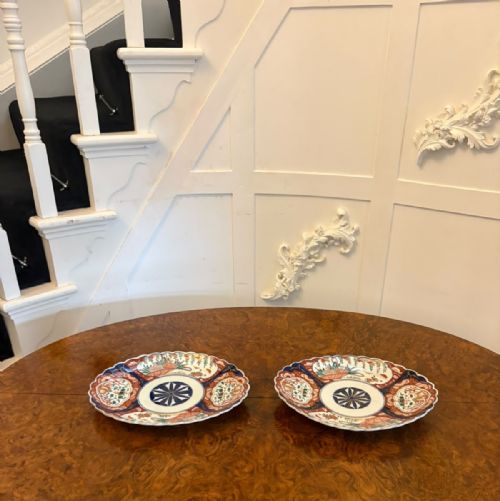
Hand painted imari ceramics bring together rich palettes of iron red, cobalt blue and gold across decorative plates, bowls and large floor standing vases.
Hand Painted Imari Ceramics
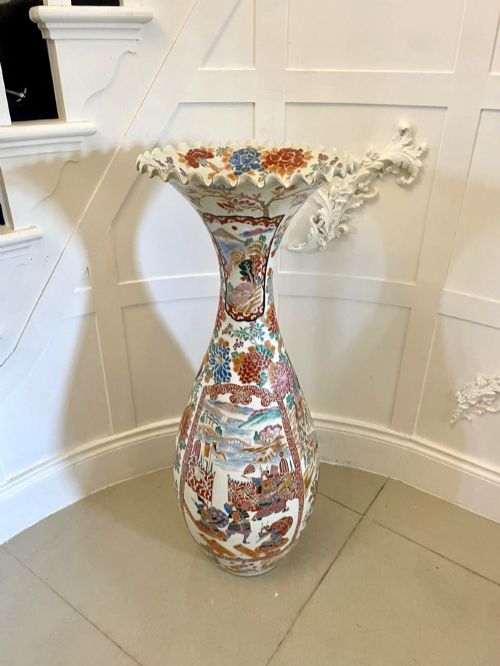
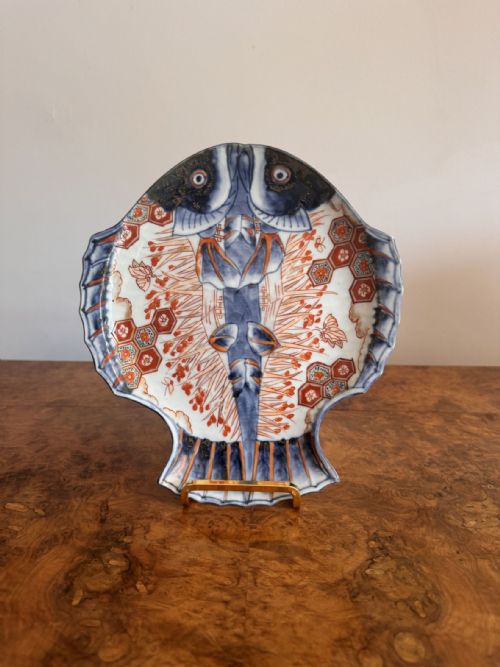
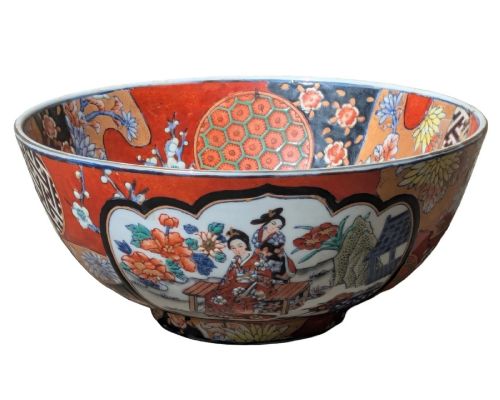
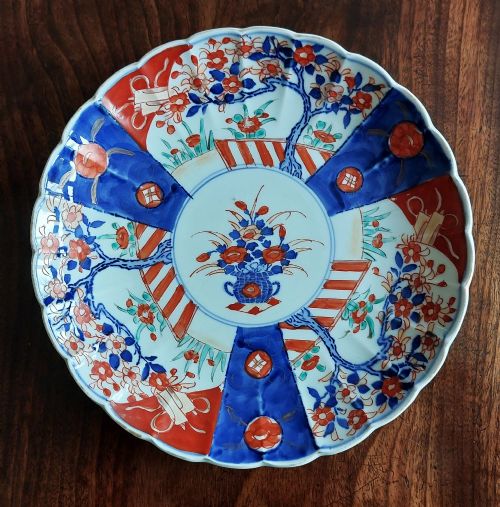
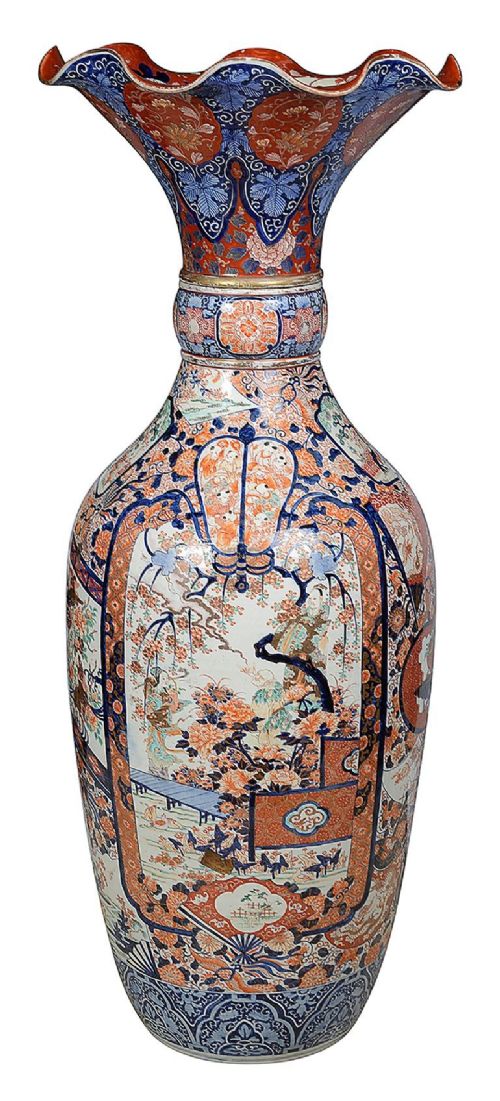
Hand painted imari ceramics encompass porcelain and earthenware vessels created primarily in Japan during the Edo and Meiji periods, alongside English adaptations from the Georgian and Victorian eras. These items span decorative chargers, scallop edge bowls, dishes in the form of a fish, and large floor standing vases.
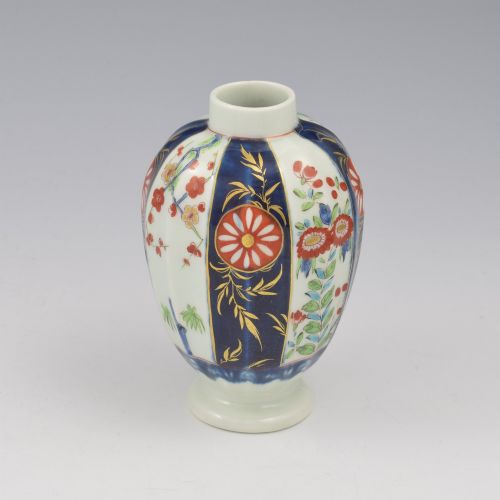
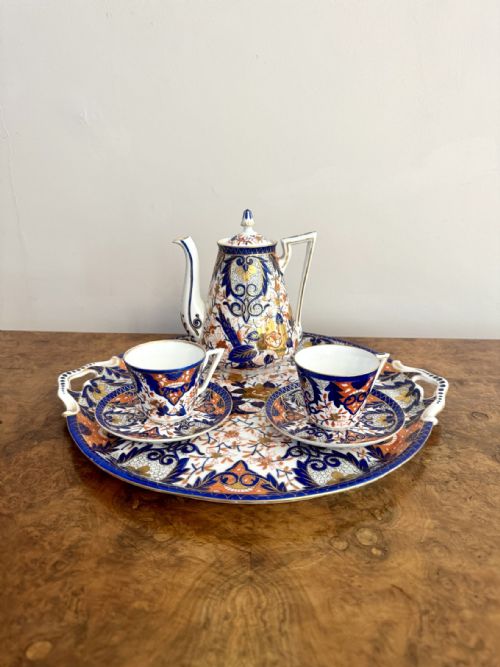
The objects on this page lean heavily towards Japanese Meiji period wares and 19th century English ironstone interpretations. Buyers frequently encounter traditional floral and avian motifs executed on plates, footed bowls, and tea wares.
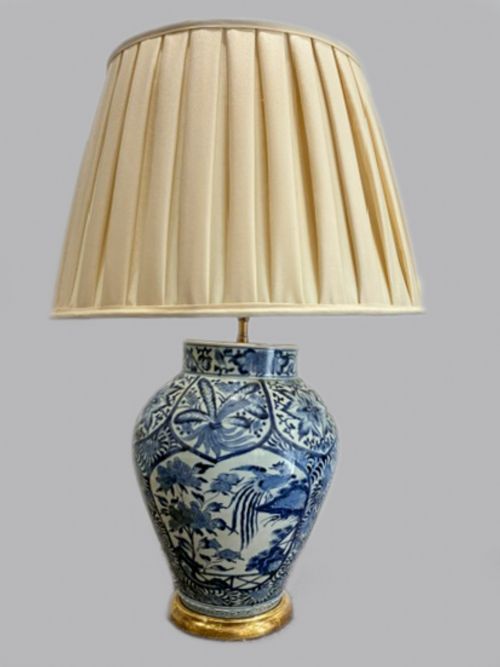
Originating in Japan before inspiring European potteries, these pieces display a distinct crossover of Eastern forms and Western utility. The selection includes domestic items converted to lamps, alongside large jardinieres and cabinet plates.
How they were made
Potters shaped porcelain, earthenware, or ironstone bodies before applying underglaze cobalt blue and hand painted iron red enamel. Artisans then integrated gold leaf and fine details over the glaze, fixing the colours through multiple firings in a kiln.
The combination of glaze, enamel, and metallic accents required precise brushwork and temperature control to achieve the characteristic saturated hues. English makers utilised similar enamel techniques on ironstone and pottery bodies to replicate the imported Japanese aesthetic.
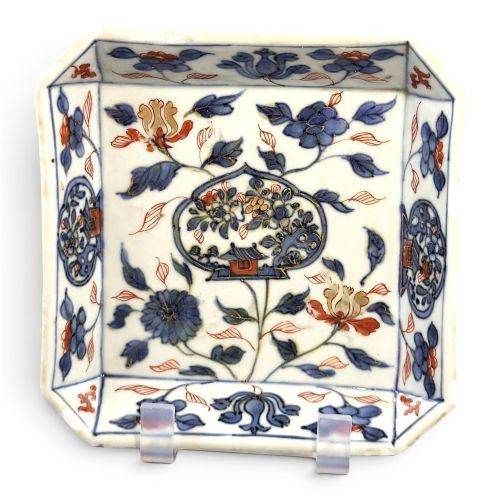
Listings feature pieces spanning the 17th century through to the 1930s, combining Japanese export porcelain with 19th century English ironstone.
What varies in quality
The distinction between standard production and exceptional work lies in the crispness of the hand painted brushwork and the generosity of the gold leaf. Superior pieces exhibit precise detailing on exotic birds and floral panels without blurring or pooling in the enamel.
Weight, potting thickness, and the balance of the porcelain or ironstone body dictate the structural integrity of larger forms like chargers and floor standing vases. Finer execution shows in the evenness of the glaze and the complexity of the secondary patterns framing the central design.
John Davenport of Longport·Ginshōtei Gyokushi·Hicks And Meigh·Hinks And Taylor Tunnicliff
The Hand Painted Imari Ceramics Glossary
- Imari
- A style of ceramic originating in Japan, traditionally characterised by a palette of cobalt blue, iron red, and gold. This decorative scheme was later copied by English factories.
- Meiji Period
- The era of Japanese history spanning from 1868 to 1912, noted for prolific porcelain production and intricate export wares.
- Ironstone
- A durable type of earthenware patented in the 19th century by English potters to rival imported Asian porcelain.
- Charger
- A large decorative plate intended for display on a wall or sideboard rather than for dining use.
- Gaudy Welsh
- A type of colourful pottery produced in Wales and England during the 19th century, featuring hand painted cobalt, iron red, and lustre details inspired by oriental imports.
Hand Painted Imari Ceramics: Frequently Asked Questions
How do I date imari ceramics?
Dating relies on body material, glaze characteristics, and stylistic conventions associated with the Edo, Meiji, Georgian, or Victorian periods. Japanese Meiji pieces often feature brighter enamel combinations and crisper porcelain bodies.
English interpretations from the 19th century typically employ ironstone or heavy pottery rather than translucent porcelain. Maker marks, where present, help narrow the timeline further.
Were these pieces meant for daily use?
While tea cups and jugs served practical household functions, large chargers, jardinieres, and floor standing vases were strictly ornamental. Items intended for display often feature mounting holes or heavier potting designed to withstand stationary placement.
Table wares saw active domestic service in both Japanese and British households, leading to varying degrees of surface wear on the enamels.
What is the difference between Japanese and English imari?
Japanese imari utilises true porcelain bodies with underglaze cobalt blue combined with overglaze red and gold enamels. The motifs typically draw directly from traditional eastern iconography.
English imari, often seen in ironstone or earthenware from firms like those in Staffordshire, adapts the palette to Western vessel forms such as footed comports and pouch jugs.
How should I display large imari chargers?
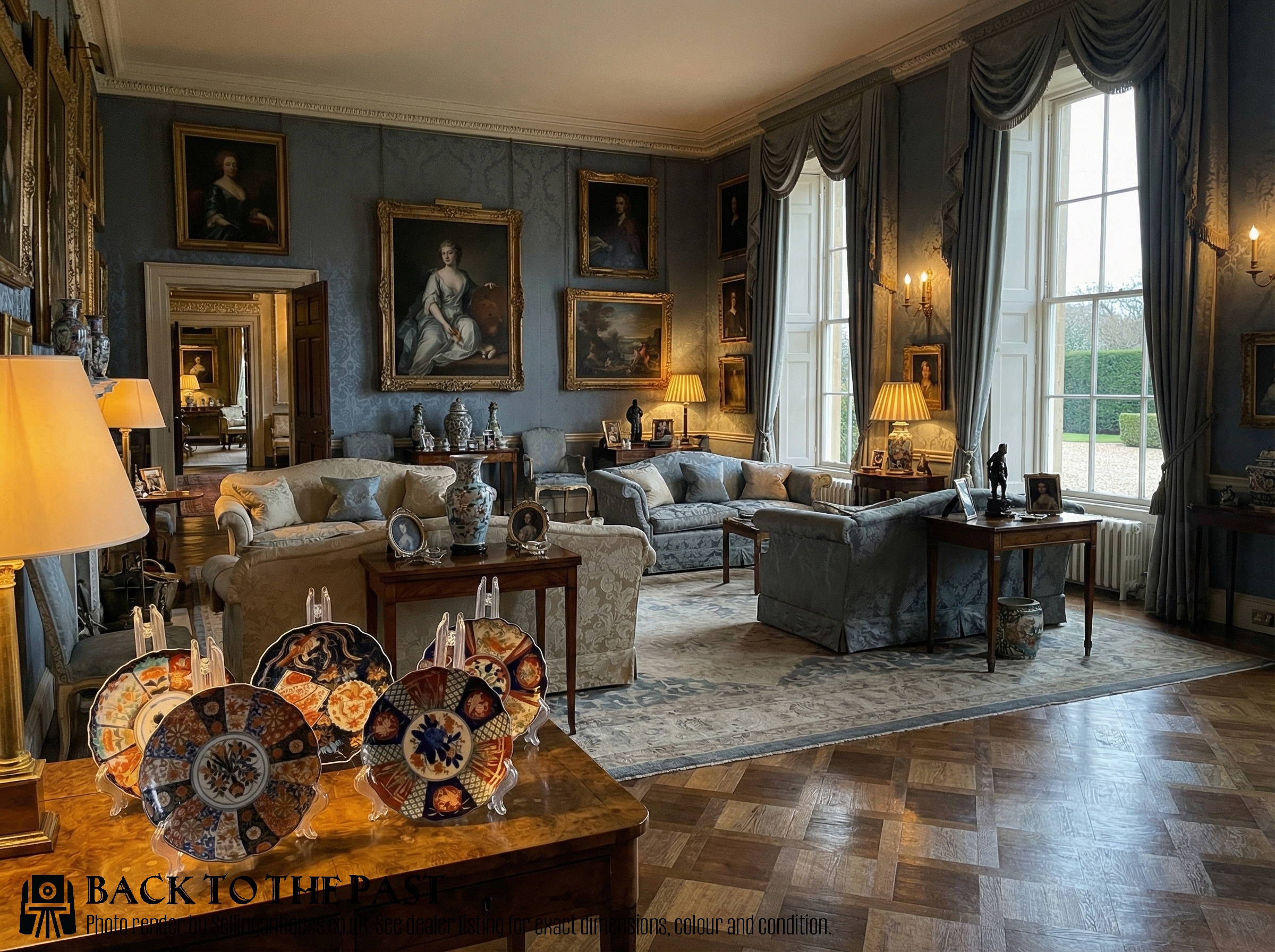
Large chargers look best secured in stable wooden display stands on sideboards or hung using professional wall brackets designed for heavy porcelain. Positioning them away from direct sunlight protects the delicate iron red and gold leaf.
Pairing chargers with smaller scallop edge bowls or matching vases creates a balanced arrangement that highlights the contrasting forms.