


Scalloped Edge China Plates
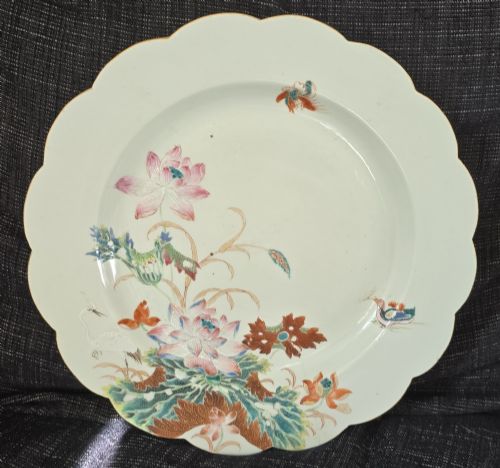
These scalloped edge china plates bring painted borders and period ceramic forms to the table, offering a decorative surface that collectors seek out for formal dining rooms.
Scalloped Edge China Plates
When you search for scalloped edge china plates, you encounter items shaped with curved, indented rims that echo organic forms. These tableware pieces serve practical dining needs as well as display purposes in traditional interiors.
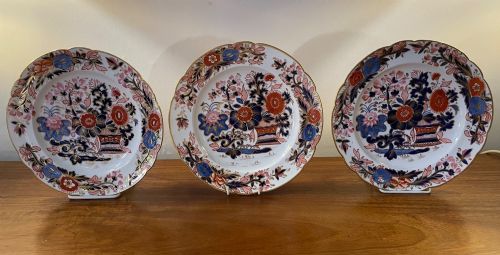
The selections available here span multiple eras and origins, ranging from nineteenth-century English earthenware to Japanese Imari porcelain and eighteenth-century French porcelain. Dessert plates, decorative plates, and serving platters dominate the types you will find.
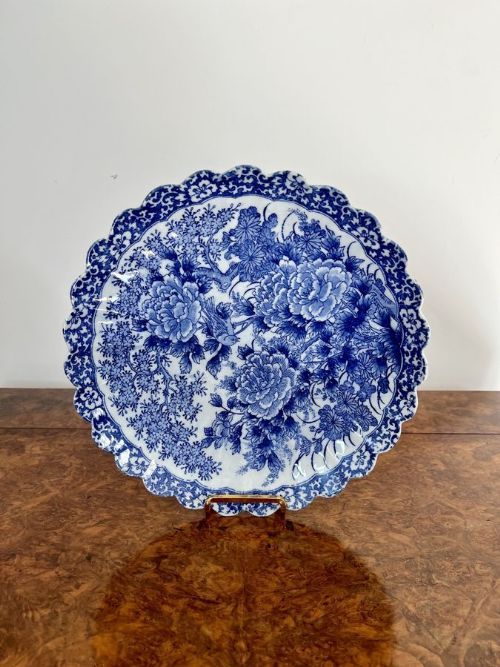
Makers utilised various stylistic influences, incorporating floral motifs, cobalt glaze, and hand-painted details onto porcelain and earthenware bodies. The resulting variety provides options for both service and cabinet display.
How they were made
Potters shaped these vessels from porcelain and earthenware, often applying a white glaze as a base for subsequent decoration. Skilled hands then painted intricate patterns directly onto the surface before firing.
Makers added gold leaf and gilding to highlight the curved rims and central motifs, elevating the visual appeal of the tableware. Cobalt glaze provided deep blue contrast against the white ceramic body in specific traditions.
Techniques varied by region, with Japanese kilns employing distinct firing methods for Imari wares while European factories utilised refined porcelain pastes for dessert services.
Listings feature items spanning the eighteenth, nineteenth, and early twentieth centuries, incorporating porcelain, earthenware, and gold leaf.
What varies in quality
The standard of painting separates standard utility wares from superior examples. Precision in brushwork and the complexity of hand-painted floral or geometric schemes indicate the skill of the original decorator.
The preservation of applied gold leaf and gilding influences the desirability of a piece. Fading or rubbing on raised portions of the design alters the overall visual balance of the plate.
The fineness of the ceramic paste and the uniformity of the scalloped rim contour reflect the manufacturing capability of the period workshop.
Flight Barr And Barr·Sevres
The Scalloped Edge China Plates Glossary
- Porcelain
- A hard, white, translucent ceramic fired at high temperatures. It forms the durable body of many finer antique plates.
- Imari palette
- A decorative scheme utilising cobalt blue, iron red, and gold. This style originated in Japan and influenced European potteries.
- Gilding
- The application of gold leaf or gold powder to ceramic surfaces. It accentuates rims and painted borders.
- Earthenware
- A porous, opaque pottery fired at lower temperatures than porcelain. It represents an alternative ceramic body found in nineteenth-century examples.
- Cobalt glaze
- A deep blue metallic oxide pigment applied under or over the glaze. It remains stable at high kiln temperatures.
Scalloped Edge China Plates: Frequently Asked Questions
How do I clean antique porcelain plates?
Wash these items by hand in lukewarm water using mild soap. Avoid soaking pieces with gilt decoration or gold leaf to protect the surface.
Dry them immediately with a soft cloth to prevent water spots on the glaze.
Can I use these plates for serving food?
Many of these items functioned originally as dessert plates or serving platters for dining tables. However, older ceramic bodies and delicate gilding require careful handling during use.
Inspect the glaze for wear before deciding whether to serve food on them or keep them for display.
What period do most scalloped edge plates belong to?
The examples on this page primarily date from the nineteenth century, alongside eighteenth-century French porcelain and early twentieth-century items. Stylistic clues such as floral painting and rim shaping help assign them to these eras.
Consulting individual listings reveals the specific decade or century attributed to each object.