




Edo Period Porcelain Charger
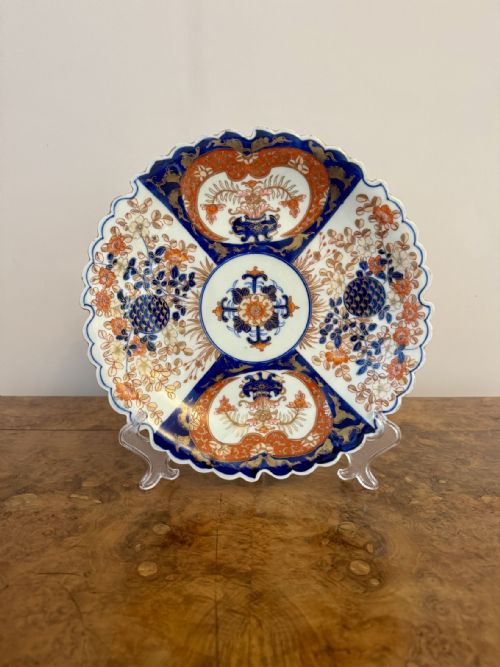
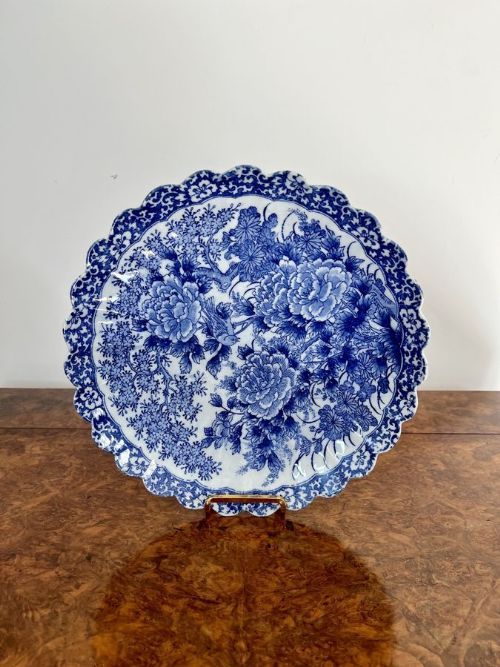
An edo period porcelain charger is a broad decorative plate that brings rich colour and pattern into a room.
Edo Period Porcelain Charger
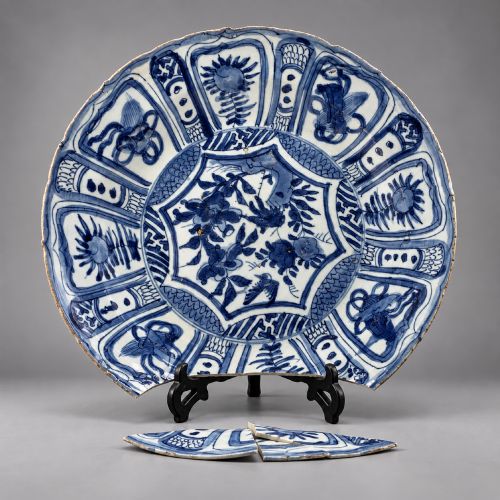
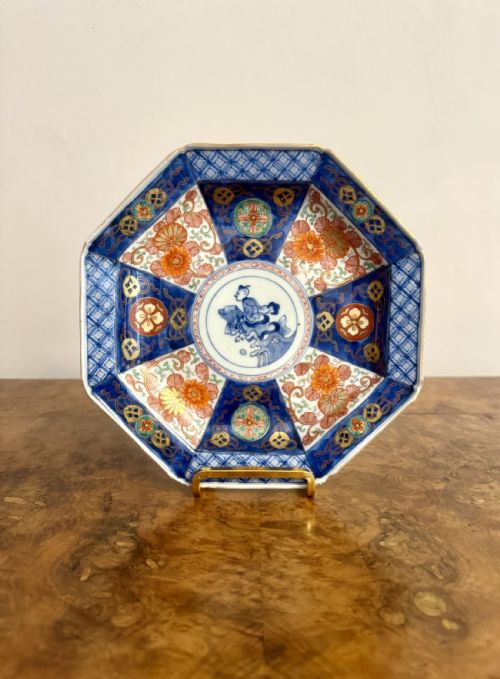
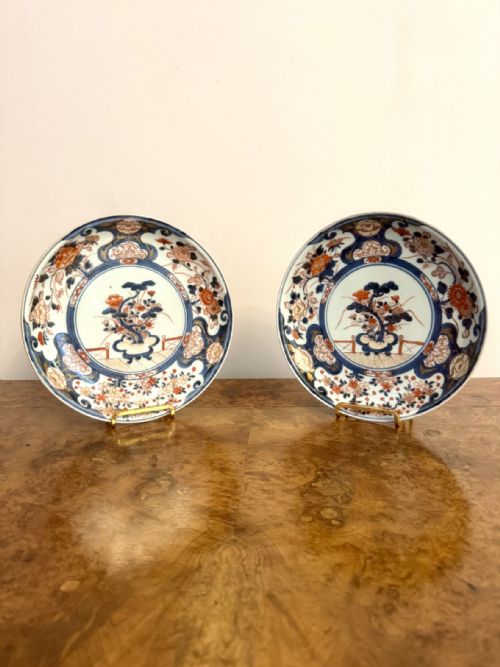
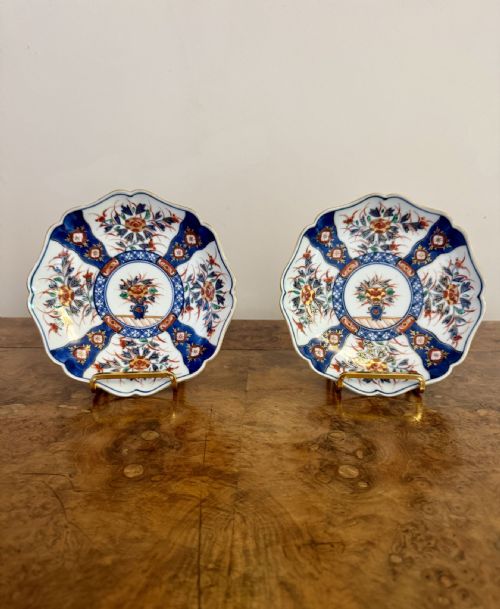
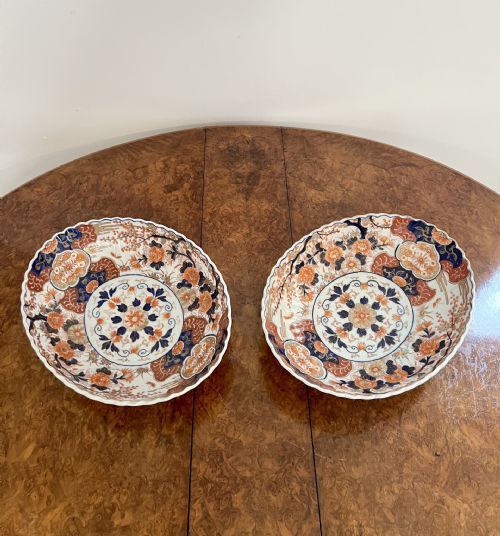
An edo period porcelain charger sits among large plates and dishes produced in Japan during centuries of imperial trade and domestic refinement. These items range from circular vessels to hexagonal and scalloped forms, often grouped in pairs or small collections.
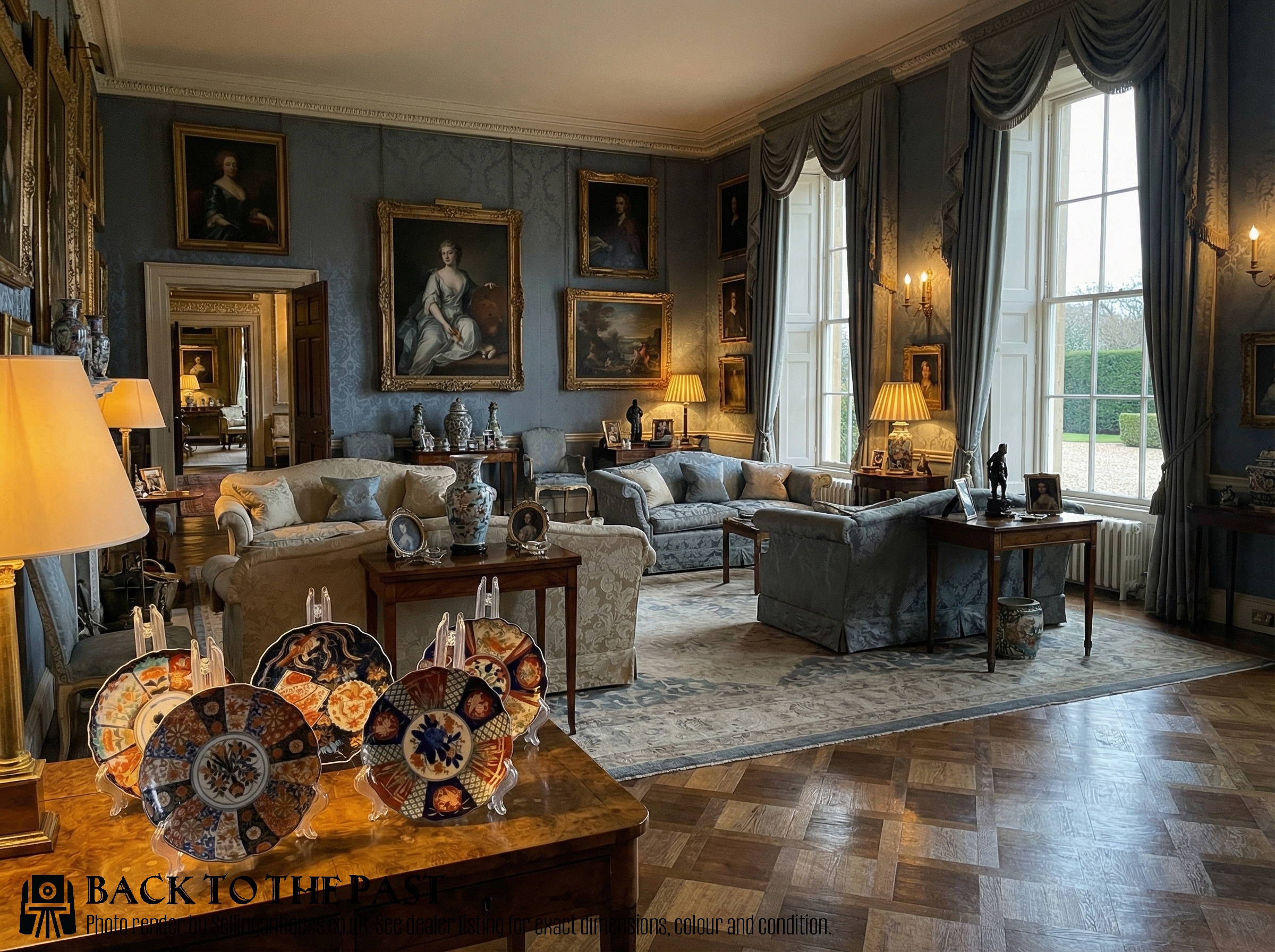
The pieces encountered on this page stretch from seventeenth-century Arita wares through nineteenth-century imari outputs. Collectors use them to anchor a wall display or to centre a table arrangement with historic depth.
Materials and methods
Potters shaped ceramic clay into plates and fired the material until vitrified into porcelain. Artisans applied cobalt underglaze, enamel paint and gold leaf to decorate the hardened surfaces with intricate motifs.
Gilding and detailed brushwork completed the process, frequently utilising the distinctive imari palette alongside blue and white glazes.
Current listings feature porcelain chargers and plates from the seventeenth, eighteenth, nineteenth, and early twentieth centuries, spanning Arita and Imari styles.
Assessing quality in early chargers
Quality resides in the crispness of the hand-painted brushwork and the vibrancy of the enamel and cobalt colours. Finer examples show precise geometry in octagonal, hexagonal or scalloped edges rather than simple round shapes.
The integration of gold leaf and the depth of the glaze further separate standard output from pieces demonstrating superior kilning and artistic execution.
The Edo Period Porcelain Charger Glossary
- Imari
- A style of Japanese porcelain decorated in underglaze blue, iron red, and gold. This palette originated in the town of Arita and became immensely popular for export.
- Arita
- A Japanese town renowned for its pottery production during the Edo period. Kilns in this region produced significant quantities of the porcelain found on the market.
- Charger
- A large decorative plate or dish intended primarily for display rather than for serving food at table. These pieces command attention through their scale and detailed surface decoration.
- Cobalt underglaze
- A blue pigment applied to ceramic pieces before glazing and firing at high temperatures. This technique ensures the colour remains permanent and sharp beneath the glossy surface.
- Scalloped edge
- A border shaped into a series of curves resembling the edge of a scallop shell. Potters utilised this treatment to add decorative movement to plates and bowls.
Edo Period Porcelain Charger: Frequently Asked Questions
What is an edo period porcelain charger?
An edo period porcelain charger is a large decorative plate made in Japan between the seventeenth and nineteenth centuries. These vessels display traditional Japanese artistry and were created for both domestic use and export.
They serve primarily as striking visual objects rather than functional tableware. Their generous dimensions allow complex painted scenes and rich palettes to dominate a room.
How were these chargers used historically?
Historically, large chargers functioned as centrepieces for dining tables or were displayed on walls and within cabinets. Wealthy households utilised them to demonstrate taste and access to international trade goods.
Over time, their decorative role surpassed any practical utility. They became prized possessions collected for their artistic merit and cultural significance.
How do I display an antique charger safely?
Displaying an antique charger safely requires sturdy plate hangers designed to distribute weight evenly across the rim. Ensure the mounting hardware is securely fixed to a solid wall stud.
Alternatively, a heavy-duty display stand supports the base securely on a stable piece of furniture. Keep the charger away from direct sunlight and high-traffic areas to protect the enamel and gilding.
How can I tell different periods apart?
Distinguishing periods involves examining the style of painting, the quality of the glaze, and the specific clay body. Seventeenth-century pieces often exhibit distinct Arita characteristics and simpler forms.
Later nineteenth-century examples frequently feature denser imari decoration and varied geometric shapes like octagons and fans. Comparing brushwork styles helps narrow down the production era.