



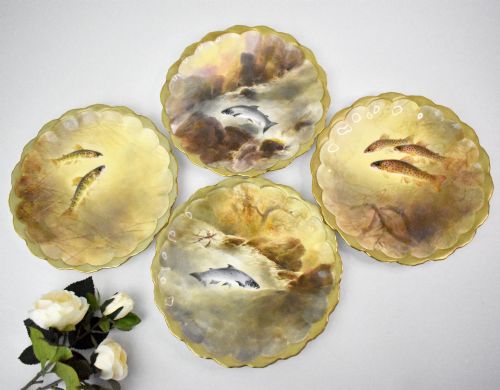
Gilded Ceramic Wall Dish
When you handle a gilded ceramic wall dish, you encounter centuries of painterly ambition captured in porcelain, bone china, and earthenware.
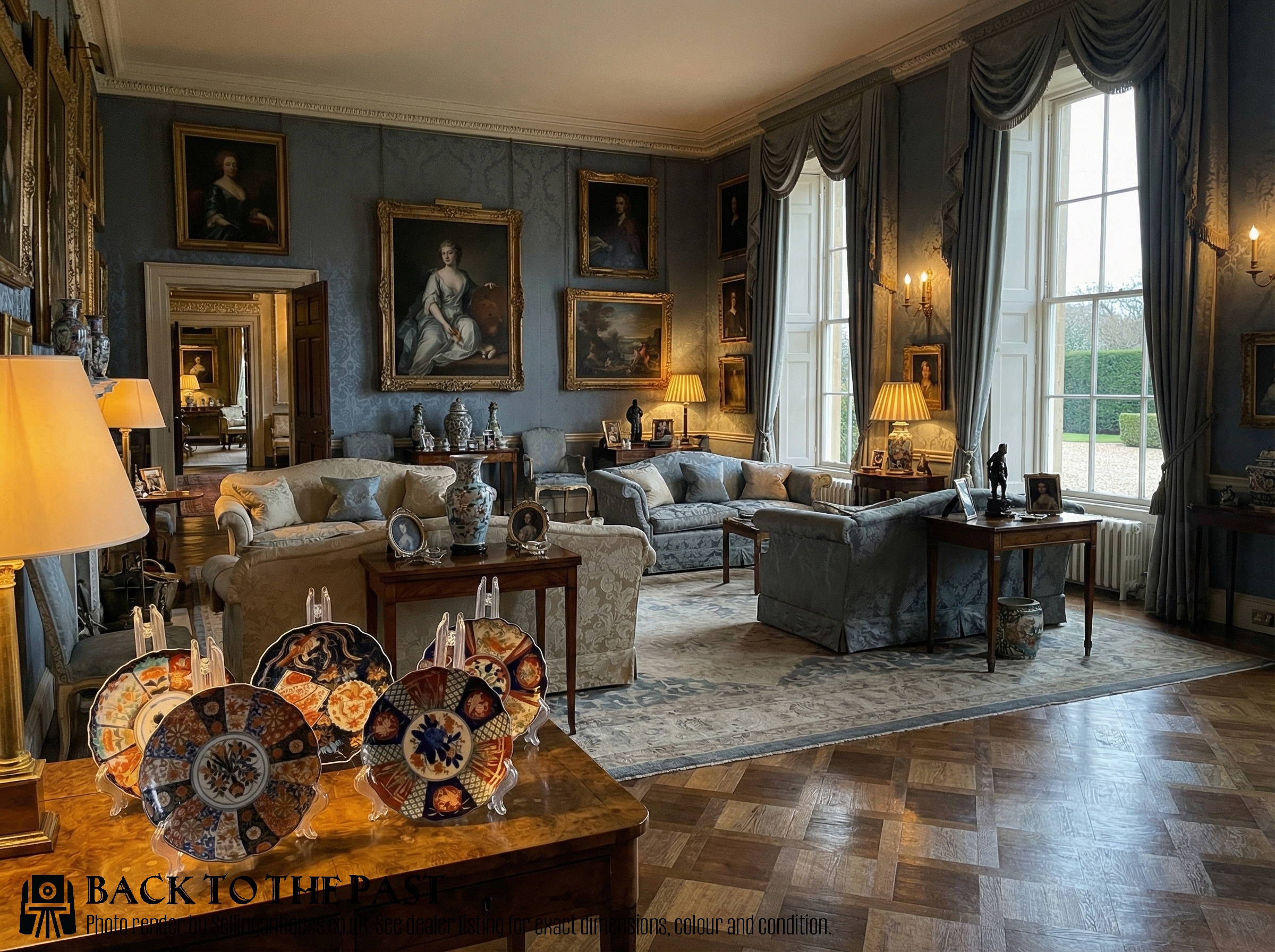
Gilded Ceramic Wall Dish
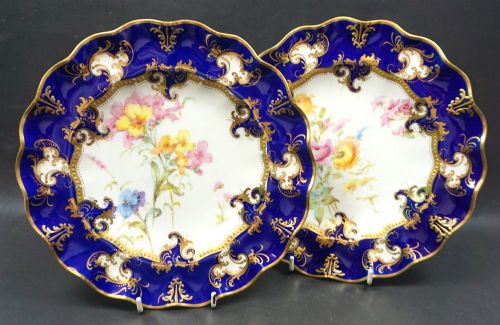
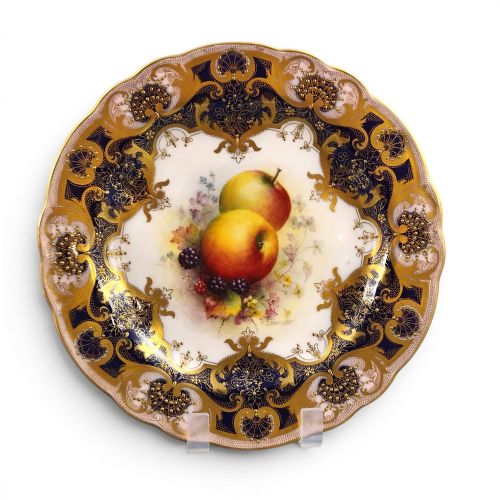
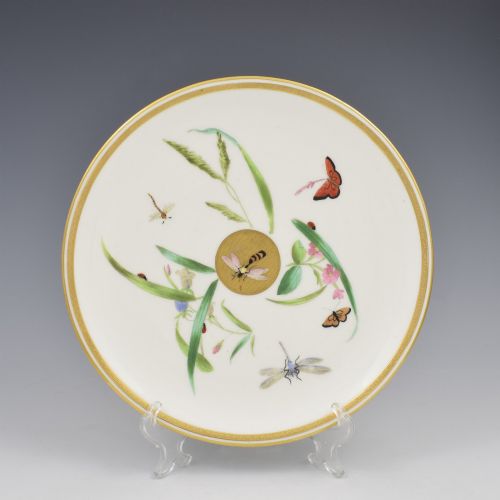
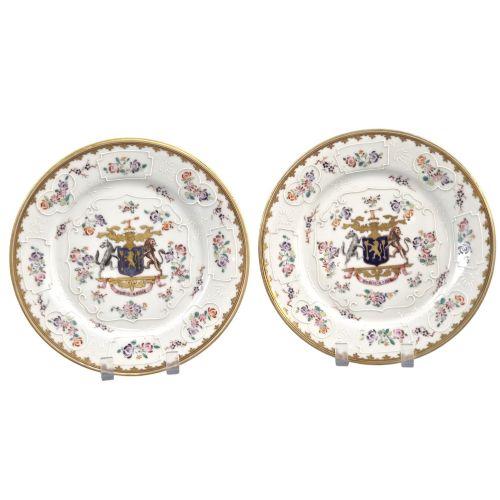
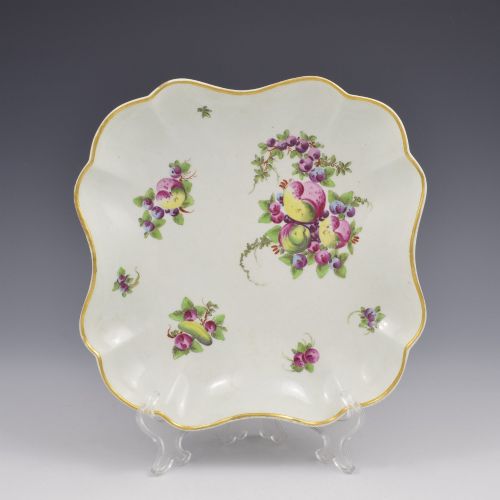
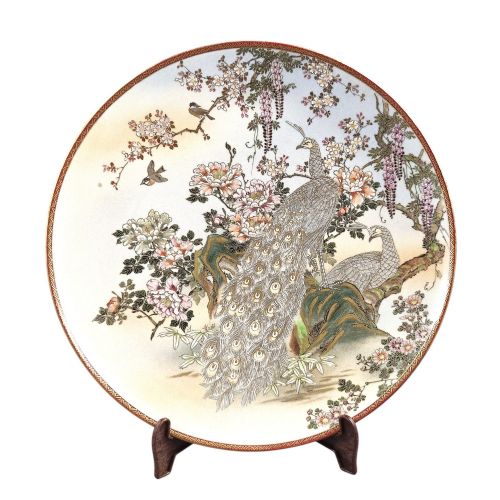
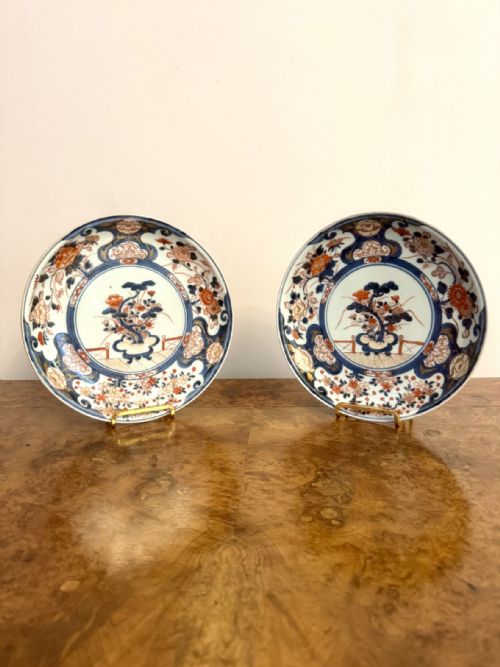
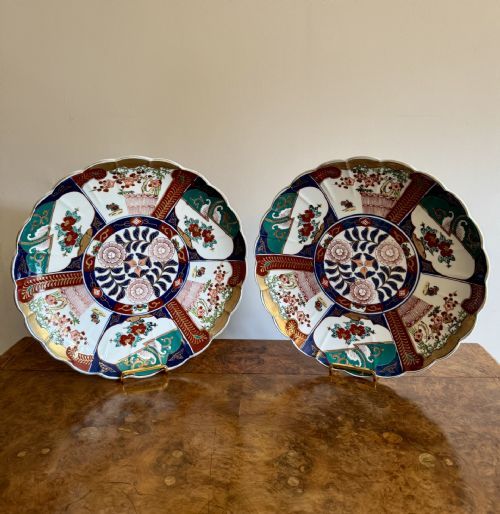
A gilded ceramic wall dish brings together decorative plates, cabinet plates, chargers, and dessert dishes intended for prominent display rather than daily dining. These forms range from eighteenth-century English soft-paste porcelain to nineteenth-century Japanese Imari chargers and Meiji Satsuma wares.
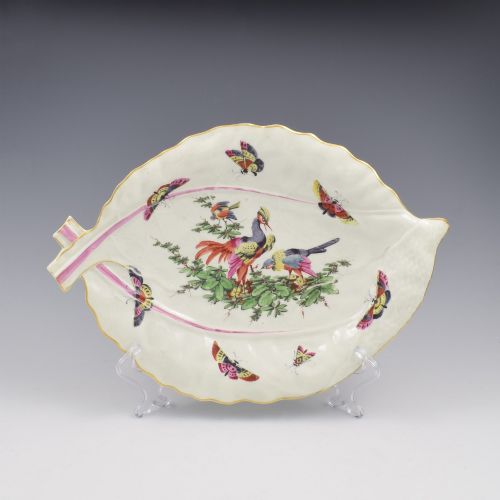
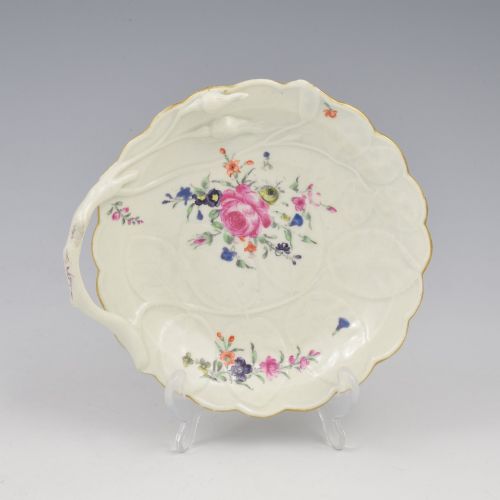
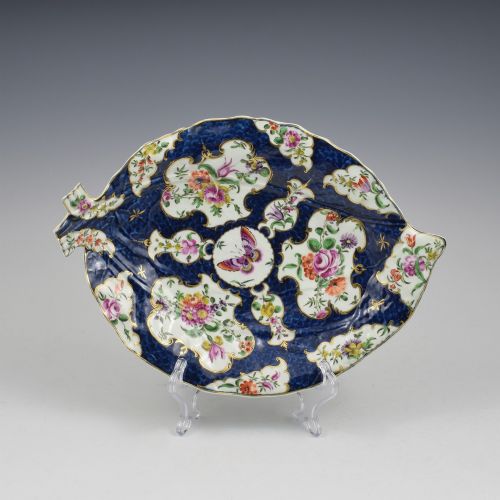
The versions you are most likely to encounter on this page span the Victorian era, the 1900s, and the eighteenth century, encompassing both English manufactories and imported Japanese ceramic traditions. They arrive shaped as fans, shells, squares, leaves, and deep circular chargers.
Collectors seek these objects for their marriage of painted surfaces and applied gold leaf, gilt, or gilding, which elevated functional tableware into ornamental focal points for the home.
How they were made
Potters shaped these vessels from porcelain, bone china, soft-paste porcelain, and earthenware, often moulding them into specific forms such as basketweave, lobed desserts, or shell profiles before the initial kiln firing.
Artists then applied detailed enamel painting alongside gold leaf, gilt, or heavier gilding, requiring secondary or tertiary firings to fuse the metallic lustre and pigments to the ceramic body.
Watch for exotic birds peering out from behind gilded branches, frozen mid-song since the Victorian era.
What varies in quality
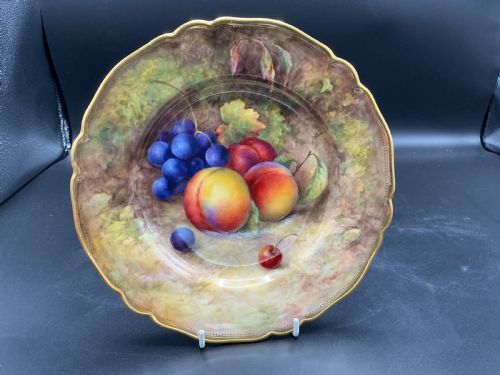
The distinction between standard production and exceptional work rests on the execution of the hand-painted details, such as the precision found in botanical studies, avian illustrations, or complex Japanese Imari patterns. Earlier eighteenth-century bodies exhibit a distinct translucency and softness in the glaze compared to later industrial porcelain.
The application of gold leaf or gilt also dictates the tier of the piece, with dense, burnished gilding indicating superior workshop standards over flat, mechanical application.
Wedgwood·Royal Worcester·Royal Crown Derby·Minton·Edmé Samson and Cie·Royal Doulton·Meissen·Chamberlain·Flight Barr and Barr·Copeland·Royal Vienna·Helena Wolfsohn·Koshida
The Gilded Ceramic Wall Dish Glossary
- Charger
- A large decorative plate or dish, typically exceeding standard dinner plate diameters, designed for display on a wall or sideboard. These items frequently feature dense hand-painted motifs and rich gilt borders.
- Cabinet Plate
- A fine ceramic plate produced primarily for display within a cabinet or on a wall rather than for practical table use. They often showcase elaborate hand-painted scenes by named or premier artists.
- Imari
- A traditional Japanese ceramic style characterised by a palette of underglaze blue, iron red, and added gold, widely exported to Europe and subsequently copied by Western factories. The aesthetic emphasises crowded, symmetrical patterns.
- Soft-paste Porcelain
- An artificial ceramic composition developed in Europe during the eighteenth century as a substitute for true hard-paste porcelain. It possesses a warm, slightly translucent body that interacts distinctively with enamel colours and gilding.
- Gilding
- The application of gold leaf or powdered gold to the surface of a ceramic piece to highlight rims, handles, or painted borders. Burnishing gives the gold a bright, reflective finish.
Gilded Ceramic Wall Dish: Frequently Asked Questions
How were wall dishes displayed historically?
These pieces were typically hung using specialised wire hangers or displayed on sideboards and within glass-fronted cabinets to showcase their painted surfaces and gilt borders. Wealthy households utilised them to punctuate wood-panelled or wallpapered rooms.
Over time, collectors shifted towards dedicated wall hanging systems that secure the footring or rim without damaging the ceramic body.
What is the difference between an Imari charger and a standard plate?
Imari chargers are significantly larger in diameter and carry dense, traditional Japanese palettes of iron red, cobalt blue, and heavy gilding. Standard plates of the period often featured European botanical, avian, or figural scenes.
Chargers were intended to command visual attention from a distance, whereas cabinet plates rewarded closer inspection of individual brushwork.
How do I identify eighteenth century Worcester porcelain?
Early Worcester pieces, particularly those from the Dr Wall period, display distinctive body translucency, often paired with underglaze blue scales or delicate painted fruit motifs. The paste can show characteristic greenish or yellowish tints when viewed directly against a strong light source.
Many of these items rely on fine hand-gilding to accentuate moulded leaf or lobe shapes.
Can these antique dishes still be used for food?
While physically capable of holding food, these pieces are generally treated as display objects due to historic surface wear and the delicate nature of nineteenth-century enamels and gilding. Detergents and cutlery can degrade the thin gold leaf and hand-painted details.
Displaying them on walls or in cabinets preserves their decorative surfaces for the future.