




Vintage Arita Ware Porcelain
Vintage arita ware porcelain brings traditional Japanese ceramic artistry into your home through decorative plates, bowls, and vases spanning centuries.
Vintage Arita Ware Porcelain
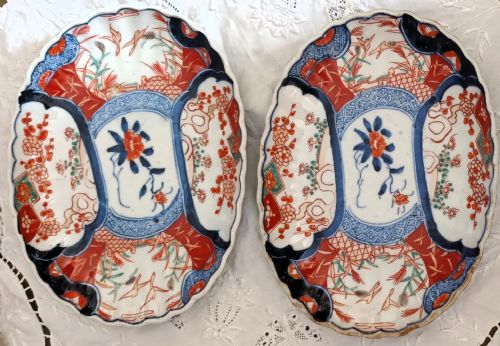
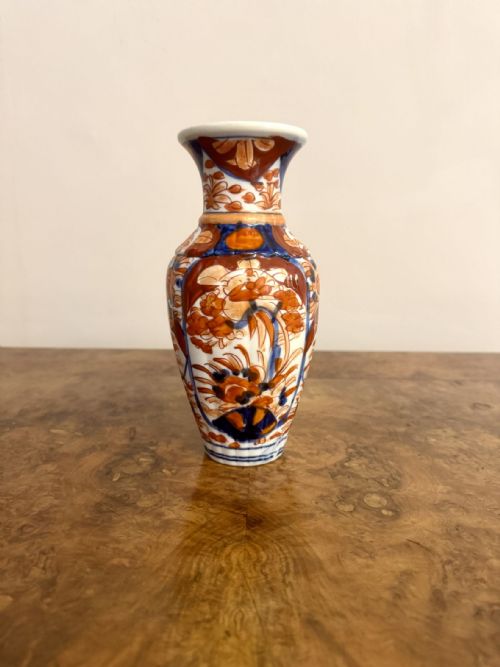
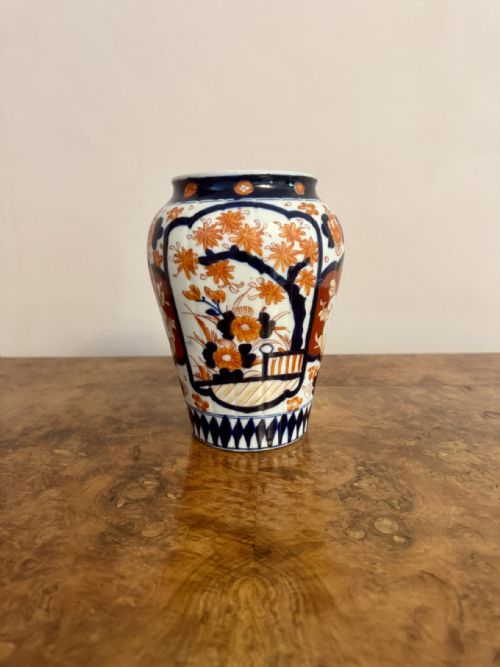
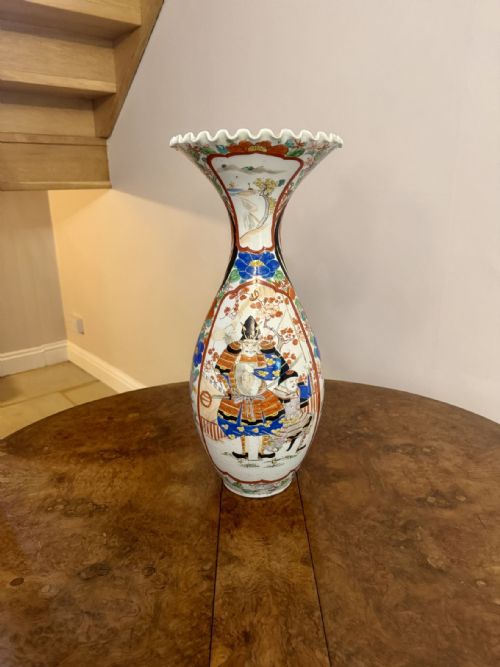
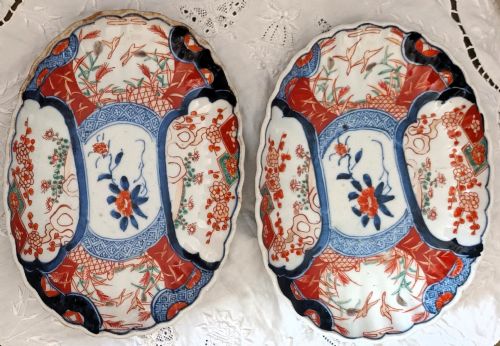
Vintage arita ware porcelain encompasses a diverse selection of decorative plates, bowls, dishes, chargers, and vases originating from Japan. Collectors encounter pieces stretching across multiple eras, including the 17th century, Edo period, 19th century, and Meiji period.
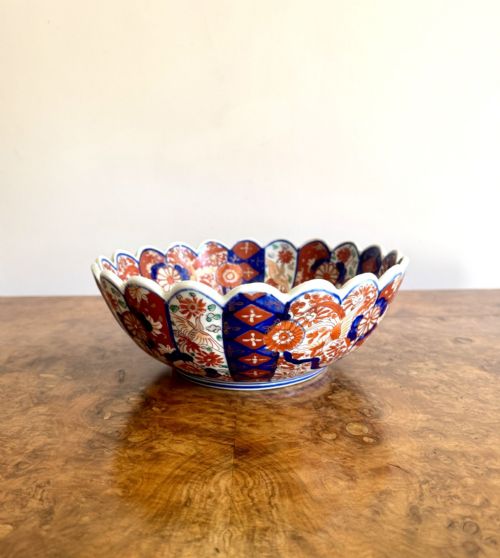
The objects appearing most frequently on this page combine traditional Japanese Imari styles with functional or decorative vessel forms. Scallop-edged bowls, hexagonal dishes, and large chargers dominate the selection alongside paired and single vases.
Buyers also find specific items such as clam shell dishes and pieces featuring blue and white decoration or the Fuku mark. These works demonstrate the enduring output of Japanese kilns across centuries of production.
Materials and production techniques
Potters utilised fine porcelain clay as the foundation for these vessels, applying cobalt underglaze and enamel glazes to create intricate surface patterns. Many examples incorporate gold leaf or gilt details to highlight the painted motifs.
Kiln workers shaped the porcelain into diverse forms, from tripod bowls and lidded jars to flat plates with scalloped rims. The fusion of glaze and pigment during firing produced durable, glossy surfaces.
Listings feature porcelain forms spanning the 17th century through to the early 20th century, including the Edo and Meiji periods.
Assessing quality in arita porcelain
The distinction between standard pieces and superior works lies in the precision of the hand-painted decoration and the complexity of the form. Hexagonal shapes, scalloped edges, and large garnitures demand greater skill from the maker than simple round plates.
The richness of the cobalt underglaze and the careful application of enamel and gold leaf separate finer items from ordinary production. Pieces bearing specific marks or unusual configurations command attention for their distinct craftsmanship.
Fukagawa
The Vintage Arita Ware Porcelain Glossary
- Arita Ware
- Japanese porcelain produced in the town of Arita and surrounding areas in Hizen province. It represents one of the foundational traditions of Japanese ceramic manufacturing.
- Imari
- A style of Japanese export porcelain decorated in underglaze blue, iron red, and gold. This aesthetic heavily influenced European ceramic design during the historic trade period.
- Meiji Period
- The era in Japanese history spanning from 1868 to 1912, characterised by extensive international trade and high-quality decorative arts output.
- Edo Period
- The period in Japanese history lasting from 1603 to 1868, known for domestic stability and the flourishing of regional kiln arts.
- Charger
- A large decorative plate or platter intended for display rather than everyday dining use. These items showcase expansive painted surfaces.
Vintage Arita Ware Porcelain: Frequently Asked Questions
What is arita ware porcelain?
Arita ware is Japanese porcelain made around the town of Arita, known for its long history of ceramic production and export.
The pieces range from everyday tableware to highly decorative chargers and vases produced for international markets.
How do I identify meiji period pieces?
Meiji period items date from 1868 to 1912, a time when Japanese craftsmanship gained widespread global recognition.
These works often display vibrant enamel colours and refined Imari patterns intended for export.
Where should I display large chargers?
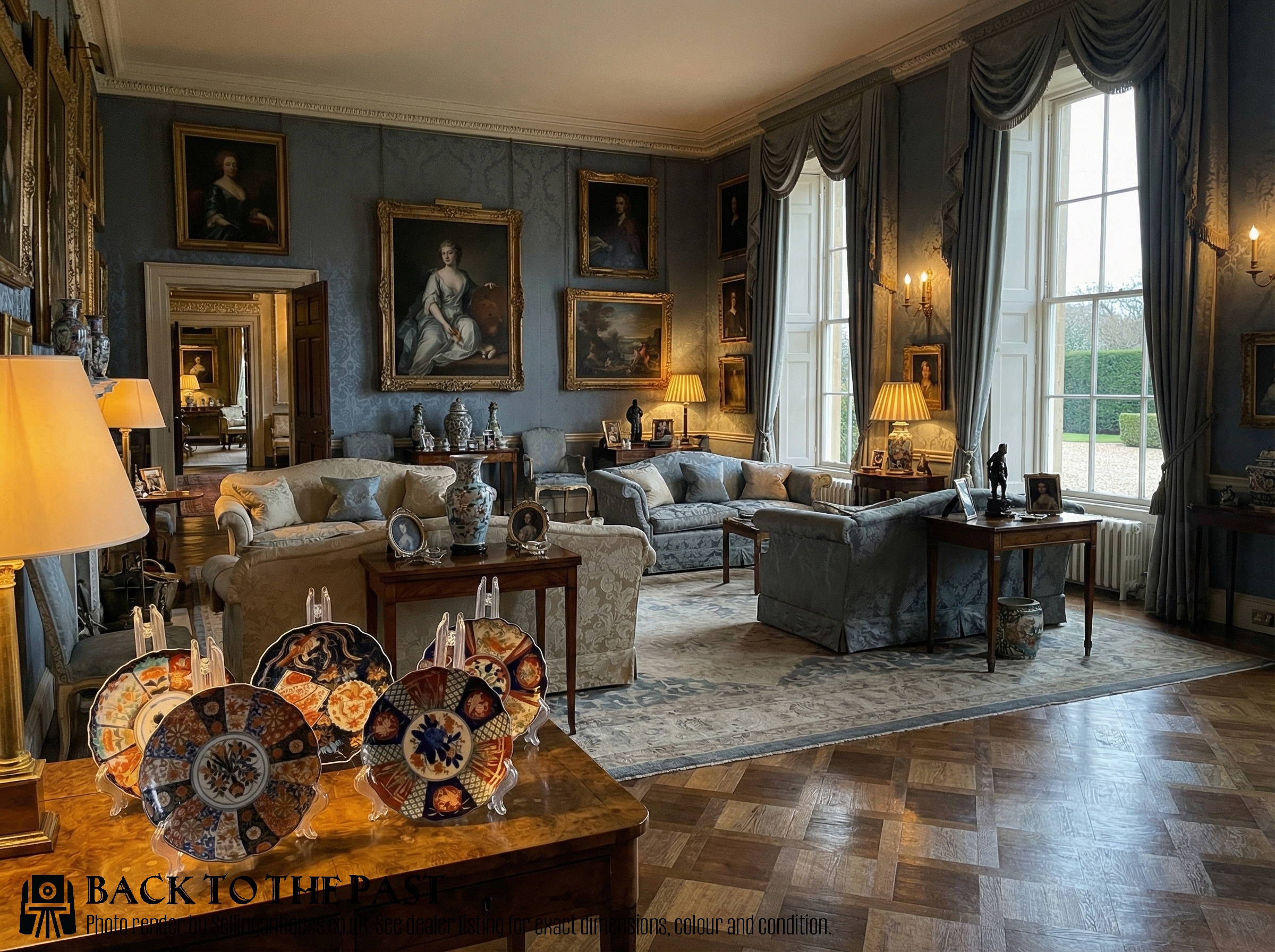
Large chargers look best on sturdy plate stands or mounted securely on walls where their painted designs can be seen.
Their wide surfaces make them natural focal points in a dining room or living space.
How do edo period items differ?
Edo period items date between 1603 and 1868, reflecting the traditional aesthetics of domestic Japanese society before extensive western export.
Collectors prize these earlier works for their historic significance and restrained forms.