


Antique Asian Ceramics Collection
These pieces in the antique asian ceramics collection bring hand-painted Japanese porcelain into your home with traditional patterns and rich colours.
Antique Asian Ceramics Collection
An antique asian ceramics collection comprises decorative plates, vases, bowls, and dishes originating from Japan around 1900. These items showcase traditional forms designed for display and ornamental use within the home.
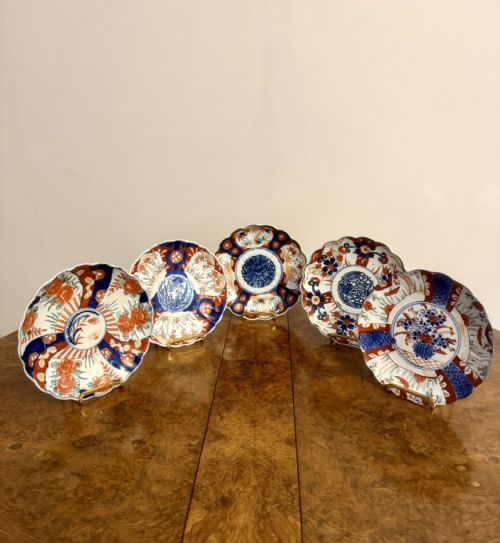
The most common items you will encounter on this page are Japanese Imari plates and vases created during the Meiji period. Such pieces typically feature characteristic panel designs and vibrant palettes.
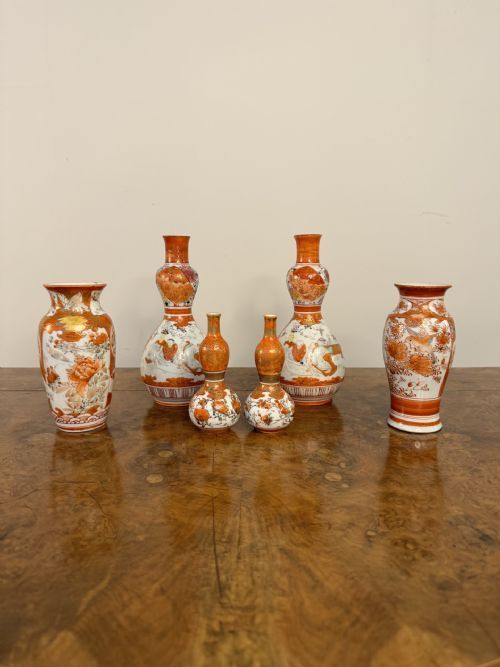
The collection also includes Kutani shaped vases alongside various cabinet plates and decorative bowls. Each group demonstrates the distinct aesthetic preferences of turn-of-the-century Japanese export ceramics.
Materials and Technique
The makers formed these vessels and plates using white porcelain clay, fired to achieve a durable and smooth ceramic body. This hard paste serves as the foundation for all subsequent decoration.
Decorators applied coloured glaze, enamel, and gold leaf by hand to create intricate surface patterns. Traditional Japanese Imari pieces rely on this combination of underglaze blue and overglaze iron red and gilt highlights.
This site's listings focus entirely on porcelain pieces from 1900, specifically featuring Japanese Imari and Kutani styles.
Judging Quality
Quality in these ceramics rests upon the precision and complexity of the hand-painted decoration across the porcelain surface. Finer examples display meticulous brushwork and balanced compositions within the decorative panels.
The application of enamel and gold leaf distinguishes superior items from simpler production ware. Richer palettes and more elaborate gilding indicate greater attention to detail during the manufacturing process.
The Antique Asian Ceramics Collection Glossary
- Imari
- A style of Japanese porcelain decorated in underglaze blue, iron red, and gold. This traditional aesthetic originated in the Hizen province and gained immense popularity in Europe.
- Meiji Period
- The era of Japanese history lasting from 1868 to 1912, marked by the opening of trade with the West. Ceramics from this time often catered specifically to export markets.
- Porcelain
- A ceramic material made by heating raw materials, generally including clay in the form of kaolin, in a kiln. It is known for its strength, translucency, and white body.
- Enamel
- A glassy substance fused to the surface of porcelain through firing to provide colour and decoration. Overglaze enamels add brilliant hues to the finished piece.
- Gold Leaf
- Gold beaten into extremely thin sheets and applied to the ceramic surface for decoration. It provides metallic highlights that complement the underlying painted glazes.
Antique Asian Ceramics Collection: Frequently Asked Questions
What is an antique asian ceramics collection?
An antique asian ceramics collection consists of decorative porcelain items such as plates, vases, and bowls created in Japan around 1900.
These pieces reflect traditional manufacturing techniques and artistic styles from the Meiji period, serving primarily as ornamental display items.
How were these Japanese Imari pieces used?
Historically, items like Imari plates and vases served as decorative showpieces in homes rather than functional tableware.
Today, collectors continue to use them for interior display on walls, shelves, and cabinets to add colour and traditional character to a room.
What materials are used in these ceramics?
The pieces utilise a white porcelain base decorated with coloured glaze, enamel, and gold leaf.
This combination of materials creates the vibrant and layered surface designs characteristic of Japanese export wares from the period.