

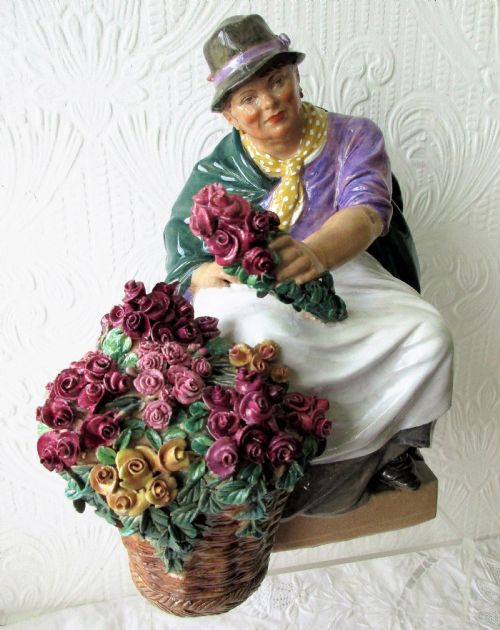
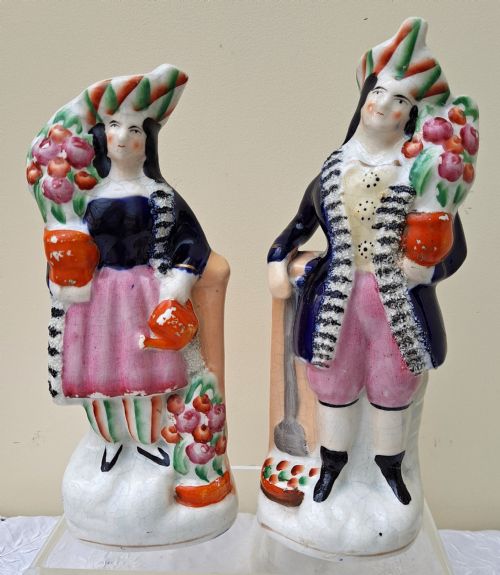
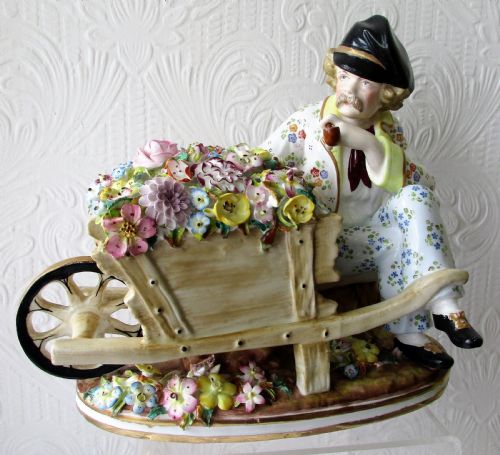
Hand Painted Ceramic Figurines
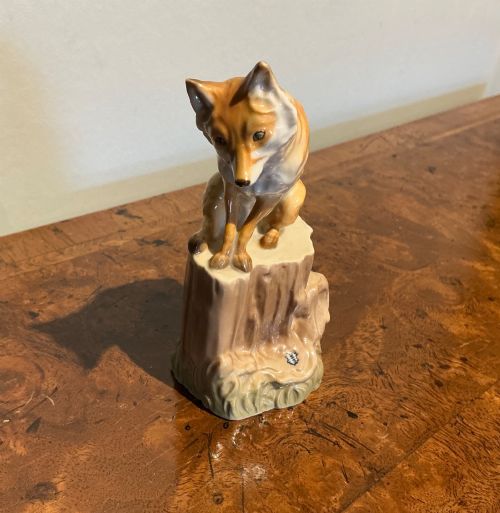
Hand painted ceramic figurines capture centuries of sculpted characters, animals and allegorical groups painted by hand across global potteries.
Hand Painted Ceramic Figurines
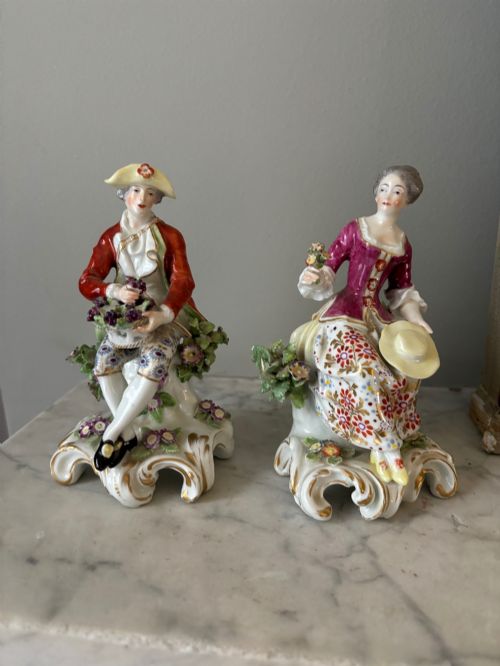
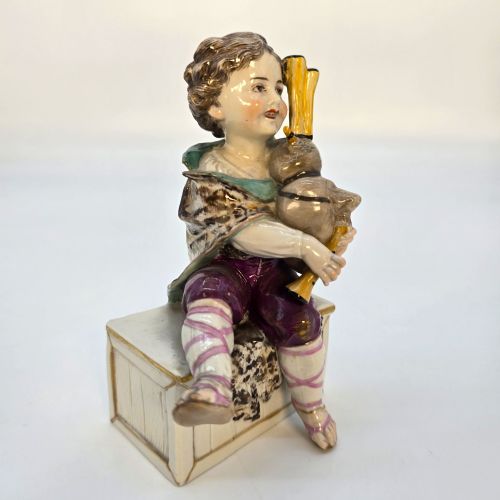
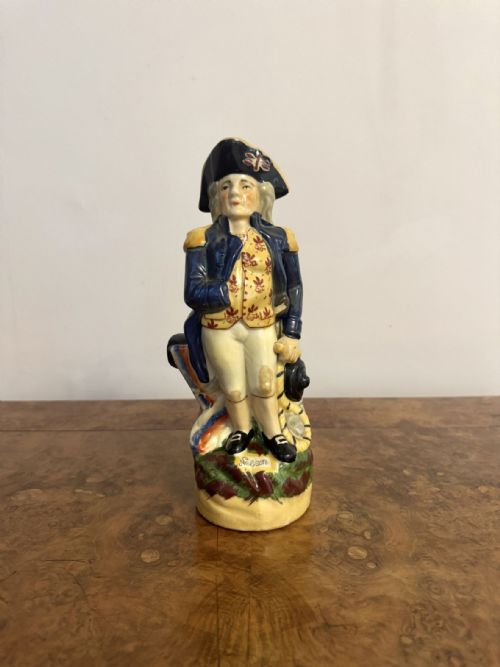
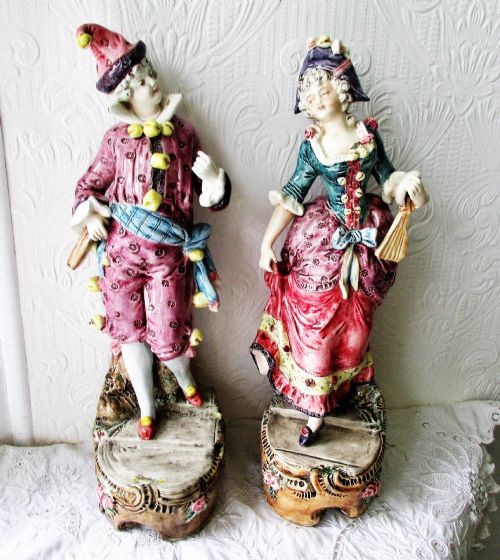
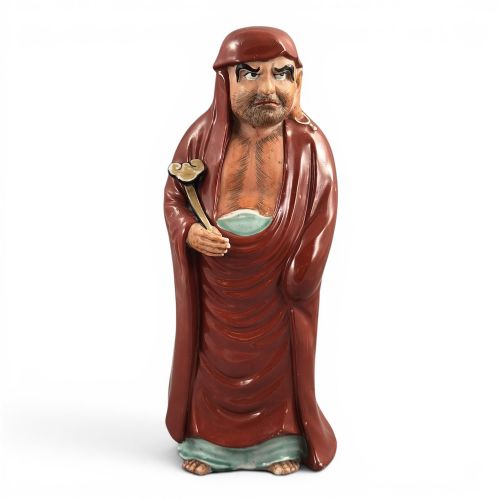
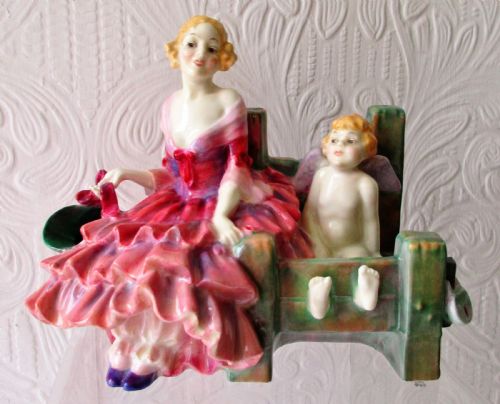
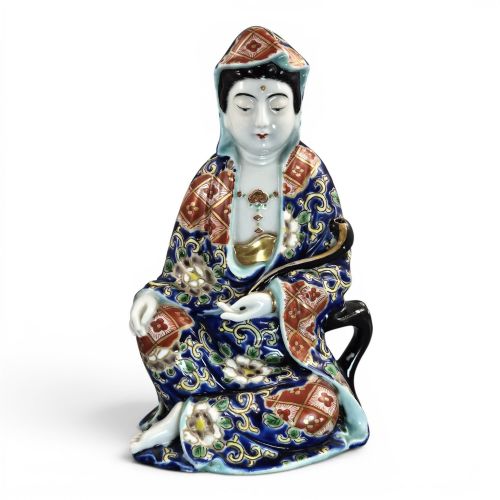
When you search for hand painted ceramic figurines, you encounter sculptural porcelain, earthenware and bone china spanning the eighteenth century through to the twentieth. The selection encompasses English Toby jugs and Staffordshire gardeners, German factory groups, French pairs and Japanese Meiji period figures.
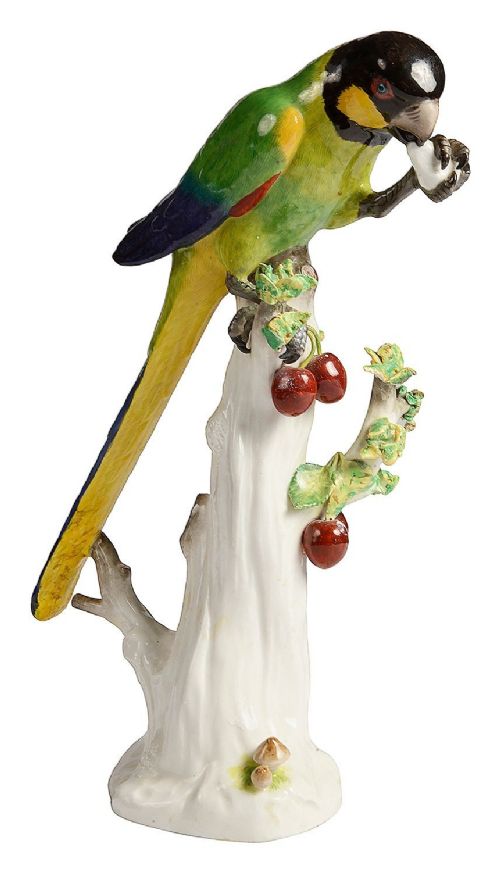
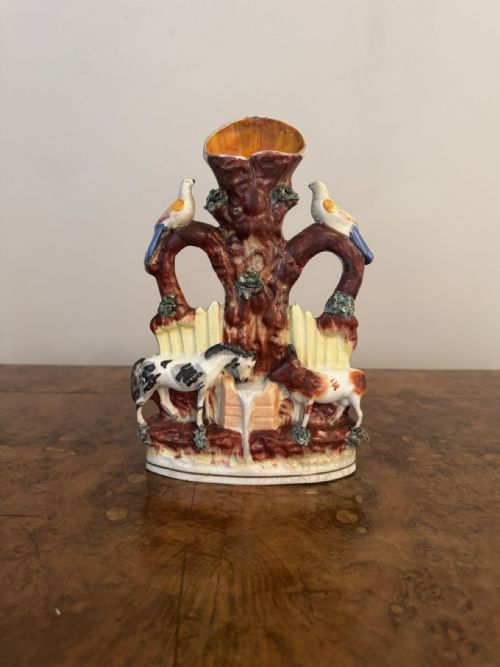
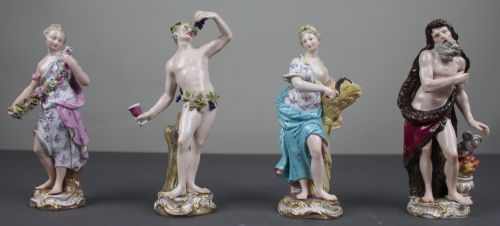
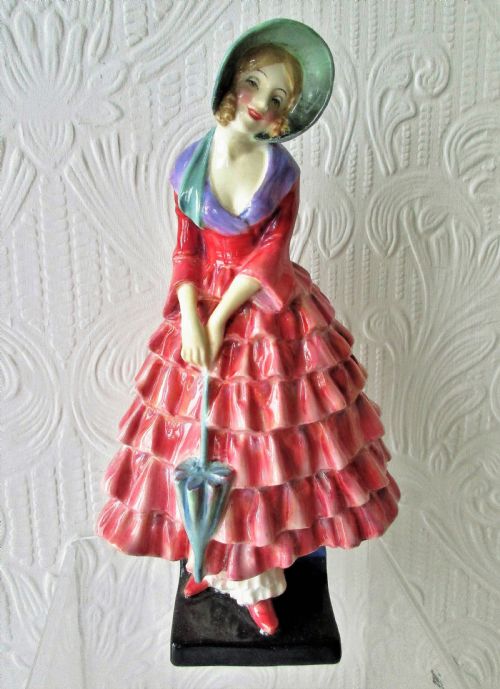
The most common versions on this page are nineteenth century Staffordshire figures, vintage Royal Doulton characters, Meissen porcelain pieces and Japanese Kutani or Arita works. Figures range from single street traders and animals to pairs of seasonal representations and elaborate theatrical groupings.
How they were made
Makers shaped these pieces from hard-paste porcelain, earthenware or bone china, often utilising press moulds for the foundational body and figures. Artisans then applied detailed enamel colours and mineral glazes by hand before subjecting the pieces to high-temperature kiln firings.
Detailing frequently incorporates applied elements like porcelain lace, bocage foliage backgrounds, and selective touches of gold leaf to highlight costumes and accessories.
The inventory includes Japanese Arita and Kutani figures alongside European porcelain works from Meissen, Chelsea and Derby.
What varies in quality
Quality rests in the crispness of the original moulding and the precision of the hand painting across faces, drapery and fine patterns. Early Meissen and Derby pieces demonstrate delicate modelling and subtle polychrome palettes, whereas mass-produced commercial items show looser brushwork and simpler glazing.
The preservation of fragile applied details, such as delicate porcelain petals, lace frills and intricate foliage, distinguishes superior workshop output from standard decorative wares.
Royal Doulton·Meissen·Volkstedt Rudolstadt Factory·Charles Vyse·John Bevington·Bourdois and Bloch Paris·Samson of Paris·Chelsea
The Hand Painted Ceramic Figurines Glossary
- Bocage
- A background of applied porcelain leaves and flowers common behind eighteenth and nineteenth century figures. This foliate screen frames the central subject.
- Enamel
- Vitreous coloured compounds painted over a fired glaze and fixed in a second, lower-temperature kiln. These glossy paints provide the vivid hues on porcelain costumes.
- Hard-paste porcelain
- A dense, durable ceramic composed of kaolin and petuntse fired at very high temperatures. It forms the robust body of many continental figures.
- Toby jug
- A pottery jug modelled as a stout, jovial person usually wearing a eighteenth century cocked hat and holding a mug of beer. They are hand painted in bright lead glazes.
- Okimono
- A Japanese ornamental figurine intended for display on a household shelf or tokonoma alcove. These carved or modelled figures depict deities, mortals and animals.
Hand Painted Ceramic Figurines: Frequently Asked Questions
How do I clean ceramic figures?
Dust gently with a soft, dry brush to prevent dirt accumulation in crevices and delicate painted areas. Avoid submerging antique pieces in water, particularly those with applied lace or cold-painted highlights.
Water can weaken old adhesives or dissolve water-soluble pigments used in certain decorative finishes. Spot clean only when strictly necessary using a slightly damp cotton bud.
Are factory marks always reliable?
Factory marks provide a useful indication of origin, but many nineteenth-century factories copied earlier continental or English anchors and crossed swords. Imitation marks were common practice among competing European potteries seeking to honour or emulate prestigious predecessors.
Examine the paste, glaze quality and painting style alongside the mark itself. Expert evaluation looks at the overall manufacture rather than relying on a single stamped or painted symbol.
What is porcelain lace?
Porcelain lace involves dipping actual fabric lace into liquid slip and firing it in the kiln so the textile burns away, leaving a delicate ceramic replica. Artisans draped these fragile skirts onto figures of dancers and ladies.
Because the fabric completely incinerates during firing, the resulting ceramic material is extremely brittle. Pieces featuring this technique require careful placement away from high-traffic areas.