




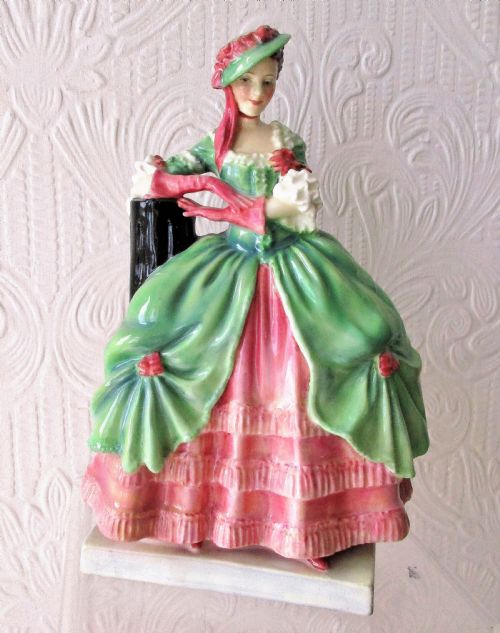
Vintage Decorative Ceramic Figures
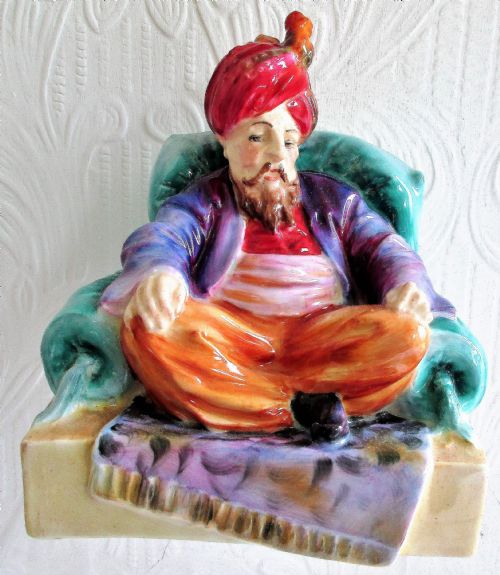
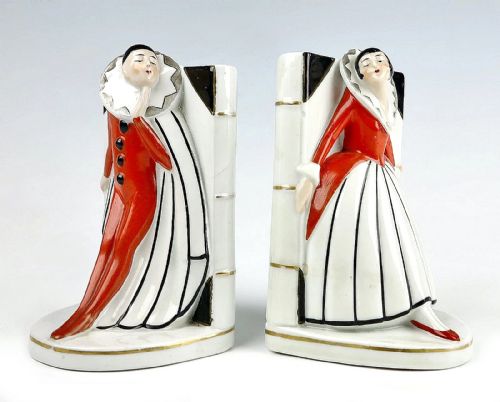
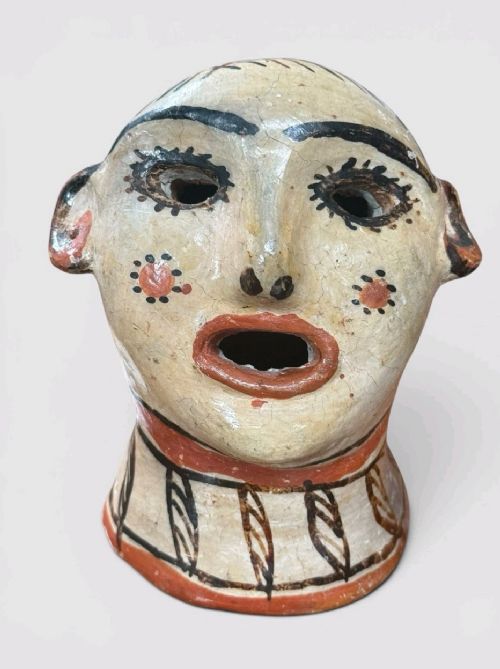
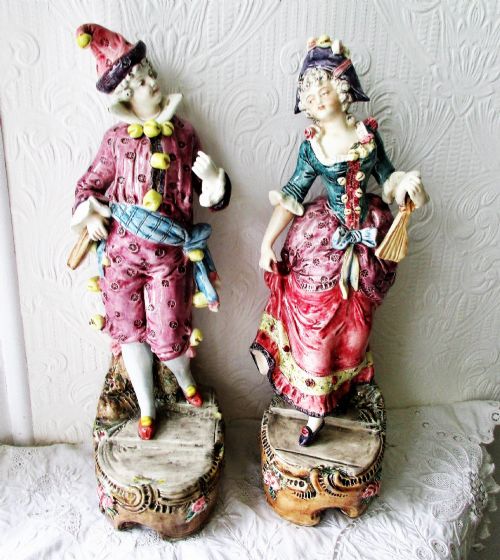
These vintage decorative ceramic figures bring character and colour to a room, spanning delicate bisque porcelain and robust earthenware.
Vintage Decorative Ceramic Figures
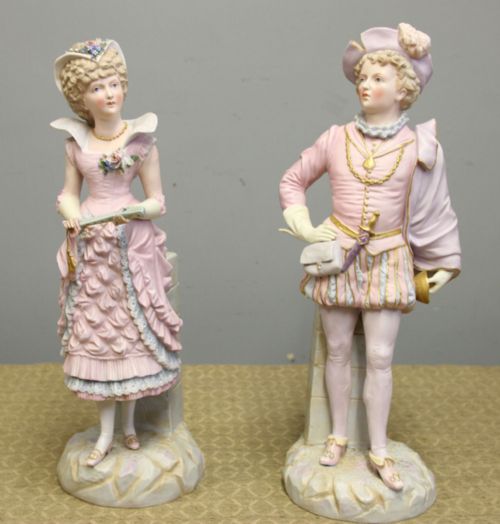
Vintage decorative ceramic figures encompass a broad range of sculptural pottery and porcelain objects produced from the nineteenth century through the Art Deco period. When exploring vintage decorative ceramic figures, buyers encounter everything from detailed Victorian figures and piano babies to Art Deco bookends and dancers.
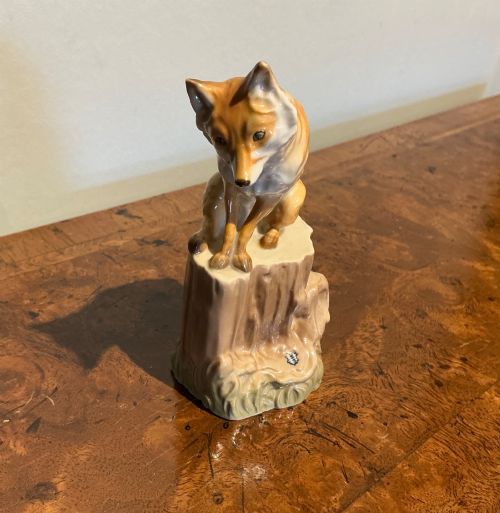
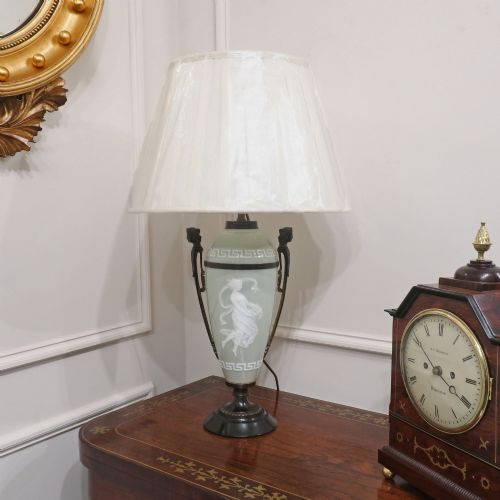
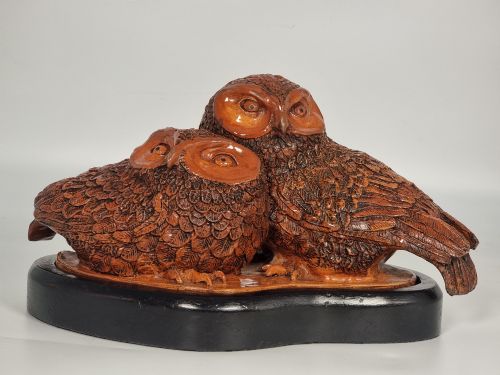
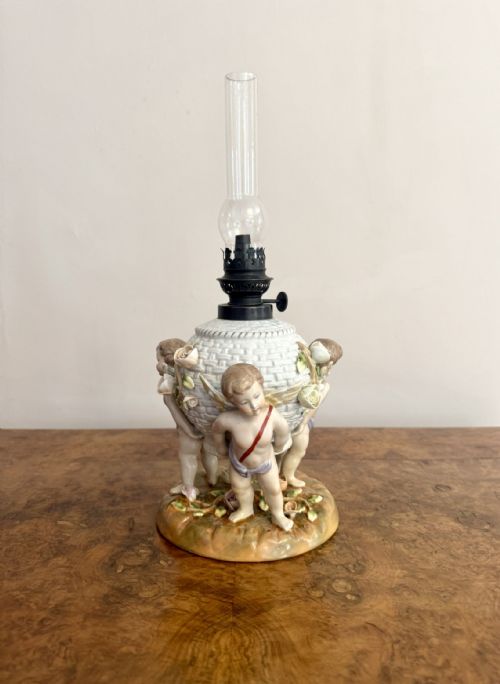
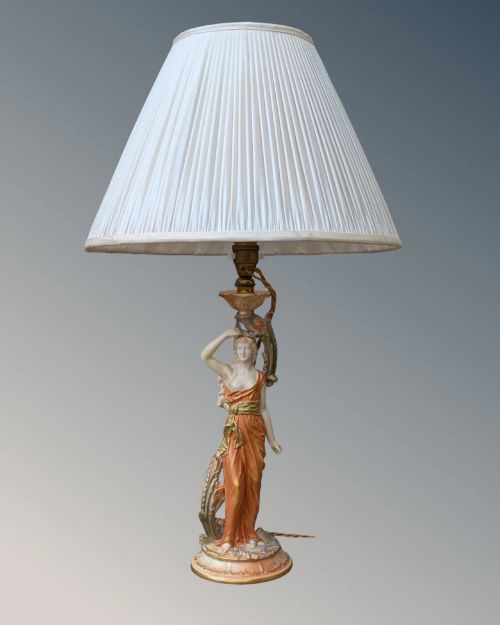
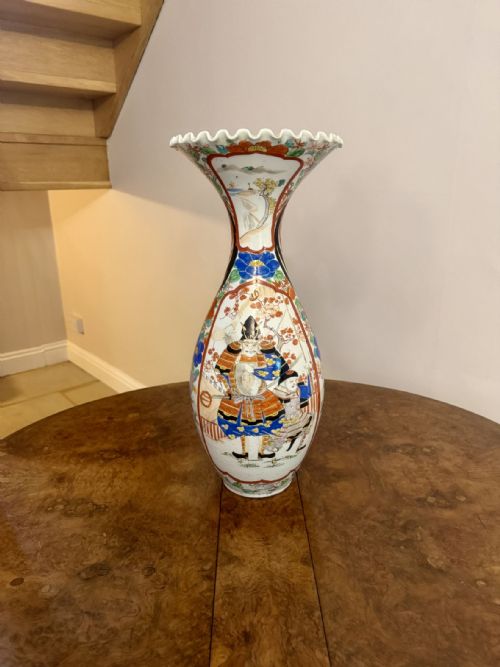
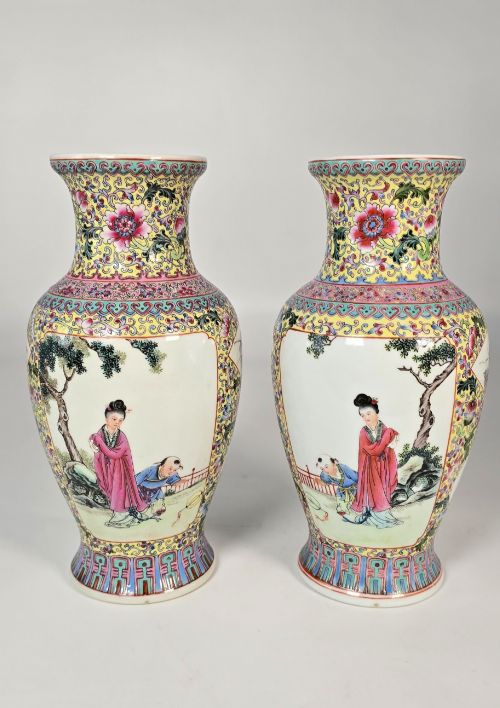
The selections on this page draw from periods spanning the 1860s to the 1930s, incorporating European manufactories and Asian traditions. Forms range from freestanding character figures and animals to table lamps and vases with applied figural elements.
Makers represented in these traditions include historic European houses alongside folk art traditions. Pieces reflect distinct aesthetic movements including Victorian styling, Art Nouveau curves, and geometric Art Deco designs.
How they were made
These pieces utilise traditional ceramic methods, employing moulded earthenware, hard-paste porcelain, and terracotta shaped by hand or cast in parts. Artisans then applied colourful glazes, enamels, and occasional gold leaf details before firing the works in kilns.
Many figures feature intricate hand-painted details or pate-sur-pate work, where successive layers of slip build up low-relief decoration on the ceramic body. Bisque porcelain items remain unglazed, offering a matte finish that highlights fine sculptural carving.
Larger sculptural groups and vases often combine moulded structural elements with hand-sculpted additions such as applied flowers, animals, or human figures. Bases are frequently glazed or ebonised to complement the primary subject.
Vintage Decorative Ceramic Figures Retail Price Guide 2026
Typical asking prices for vintage decorative ceramic figures among the pieces listed under this phrase on Sellingantiques today, from the lower quarter to the upper quarter. They describe what is for sale here now, not the wider market.
Materials span hard-paste porcelain, earthenware, terracotta, and bisque porcelain with hand-painted glazes.
What varies in quality
Quality rests upon the crispness of the moulding and the precision of the hand-painting, particularly in facial expressions and fine garments. Superior examples maintain sharp details without blurring in the glaze or enamel work.
The handling of materials also dictates standard, as seen in the depth of colour, the smooth application of glaze, and the stability of applied decorative elements like bocage or floral motifs. Finer pieces demonstrate careful attention to finishing touches on both the front and the reverse.
Nymphenburg·Sitzendorf·Royal Doulton·Royal Worcester·Goldscheider·Meissen·Samson Paris·Royal Dux
The Vintage Decorative Ceramic Figures Glossary
- Bisque porcelain
- Unglaved porcelain fired to a matte, porous finish that resembles marble and reveals fine sculptural detail.
- Pate sur pate
- A method of porcelain decoration where liquid clay is built up in layers to create a low-relief cameo effect.
- Bocage
- An ornamental background of carved or applied foliage associated with eighteenth and nineteenth-century porcelain figures.
- Hard-paste porcelain
- A durable ceramic composition fired at high temperatures using kaolin and petuntse.
- Terracotta
- A porous, unglazed or glazed baked red earthenware used for busts and larger figures.
Vintage Decorative Ceramic Figures: Frequently Asked Questions
How do I clean ceramic figures safely?
Dust surfaces gently with a soft, dry brush to prevent dirt buildup in crevices. Avoid using water or chemical cleaners on unglazed bisque or painted enamel surfaces.
For glazed porcelain, a damp cloth with mild soap suffices, but ensure the piece dries completely afterward.
Are these figures fragile?
Most ceramic and porcelain items require careful handling due to delicate extremities, applied flowers, and thin appendages. Display them away from high-traffic edges where accidental knocks might occur.
Securing larger pieces or using museum putty helps prevent tipping on open shelving.
How can I date my ceramic figure?
Examine the base for impressed maker marks, numbers, or painter signatures that correspond to historical factory registries. Stylistic clues such as Victorian attire or Art Deco geometric lines also indicate the era of production.
Materials like terracotta versus hard-paste porcelain further narrow down the likely manufacturing window.
What is a piano baby?
Piano babies are small, decorative porcelain or bisque figures produced in the late nineteenth and early twentieth centuries. People traditionally placed them on the drape of a piano or used them as decorative ornaments in parlours.
These pieces typically depict reclining babies, children, or animals modelled in playful poses.