


Hand Carved Wooden Duck
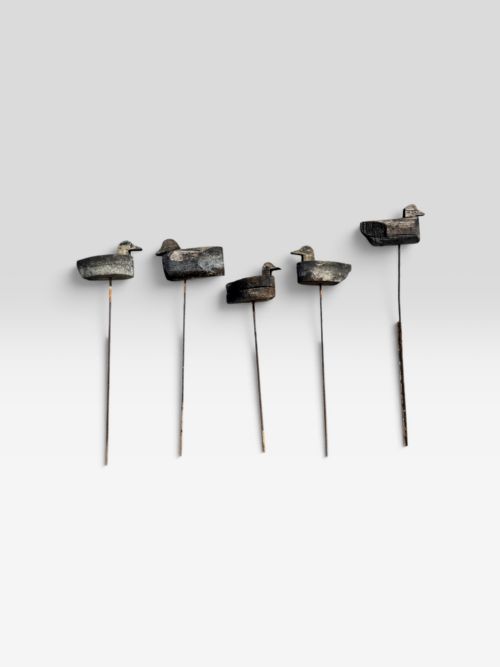
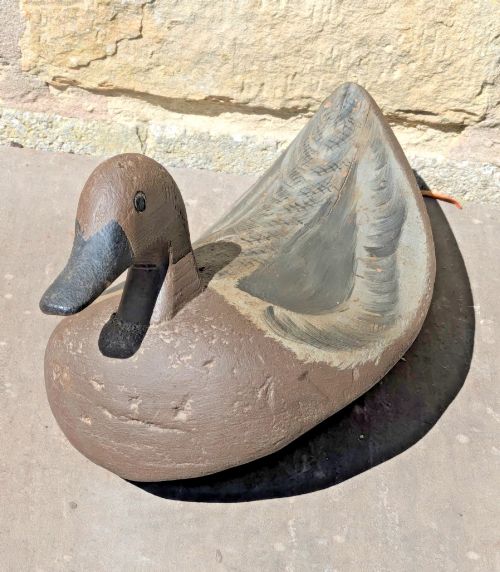
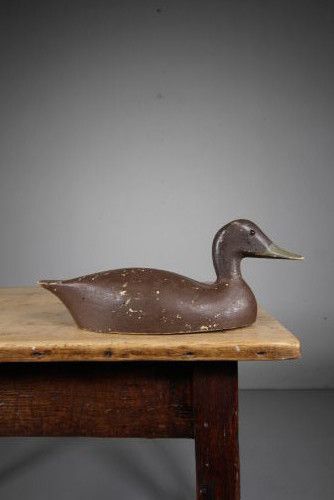
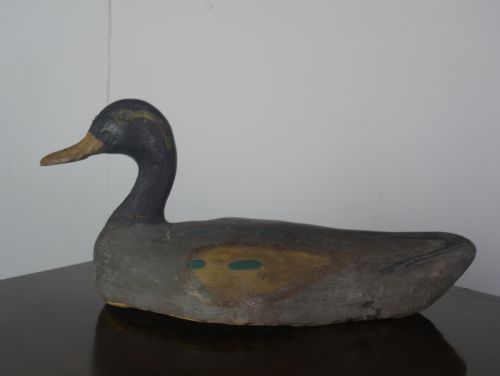
These hand carved wooden duck examples bring tactile rustic character into a room, spanning decoy sculptures from early English country folk art to Chinese carved hardwood pieces.
Hand Carved Wooden Duck
When you search for a hand carved wooden duck, you encounter working decoys and decorative sculptures shaped from timber and painted wood. These pieces originate from periods spanning the nineteenth century through the nineteen-thirties, including Edwardian examples and early twentieth-century items.
The most common version you meet on this page is the decoy duck, frequently finished with hand-painted details. Alongside English country folk art, you also discover French rustic decorative water birds, American loons with chicks, and Chinese Qing Dynasty hardwood sculptures.
Makers shaped these water fowl to sit on shelves or tables as decorative objects and figures. The selection ranges from single working decoys to pairs and sets of three carved wood decoys.
How they were made
Artisans carved these figures primarily from wood, timber, pine, and hardwood using traditional hand tools. The physical structure relies on solid timber blanks shaped into recognizable bird forms.
Many examples receive a layer of paint to imitate natural plumage, while others display the bare grain of carved wood. Some specific regional interpretations incorporate distinct glazing techniques like sancai glaze on porcelain variants.
The category includes folk art sculptures, decorative figures, and specific water bird forms such as loons and mandarin ducks.
What varies in quality
The distinction between ordinary and exceptional pieces rests in the confidence of the carving and the preservation of the original paint surface. Carvers who captured the natural posture of a water bird produced more compelling decorative sculptures.
A weathered surface showing authentic wear from use outdoors carries greater visual depth than a later repaint. The harmony of proportions and the expressiveness of the head and bill separate simple items from refined folk art.
The Hand Carved Wooden Duck Glossary
- Decoy
- A carved or moulded figure used to attract wildfowl. Traditional versions were weighted to float upright on water.
- Folk art
- Utilitarian objects and decorative figures created by self-taught or traditional craftsmen. These pieces reflect regional aesthetics rather than academic art rules.
- Edwardian
- Pertaining to the reign of King Edward VII from nineteen-thrift to nineteen-ten. Furniture and decorative objects from this era often balance practical utility with lighter decorative touches.
- Sancai
- A type of Chinese ceramic glaze utilising three colours. It appears frequently on Tang and Ming style pottery figures.
- Mandarin duck
- A species of duck native to East Asia, traditionally symbolising marital fidelity and affection in Chinese art. They are often depicted in pairs in hardwood sculptures.
Hand Carved Wooden Duck: Frequently Asked Questions
What is a decoy duck?
A decoy duck is a carved wooden figure historically placed on water by hunters to attract live ducks within range. Today they serve as decorative sculptures in homes.
Craftsmen shaped these birds to mimic natural postures and painted them with realistic plumage patterns.
How do I date an antique wooden duck?
Dating relies on the tool marks left on the timber, the style of the paint surface, and the wear patterns. Nineteenth-century pieces often show distinct hand-adze marks and mellowed patination.
Later Edwardian and twentieth-century examples display different shaping techniques and mounting methods.
How should I display a wooden decoy?
Decoys suit placement on bookshelves, sideboards, or mantelpieces where their sculptural forms can be viewed clearly. Grouping a pair or a set of three creates a stronger visual focal point in a room.
Keep them away from direct sunlight and excessive heat sources to protect the historic painted surfaces.