





Hallway Hanging Wall Mirror
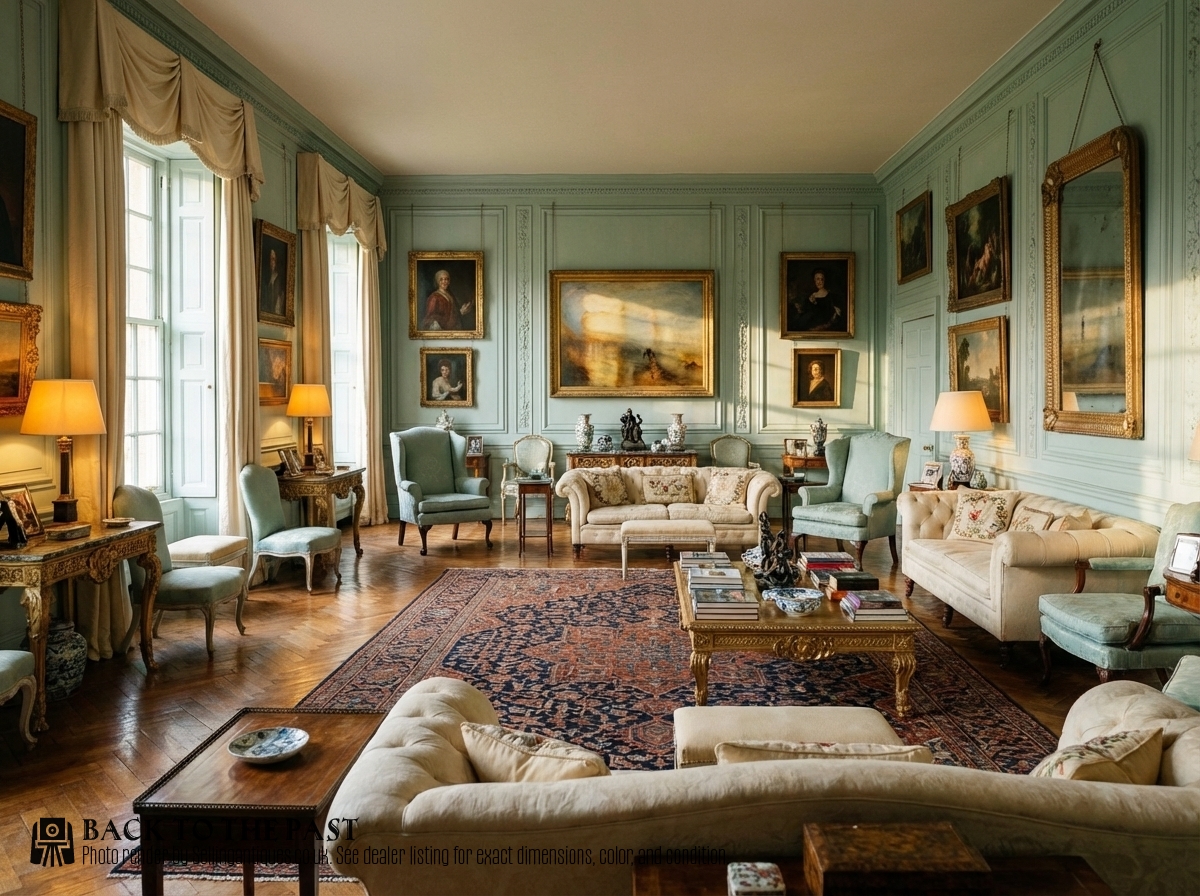
A hallway hanging wall mirror opens a narrow space and brings in daylight, making it an essential piece for any entrance.
Hallway Hanging Wall Mirror
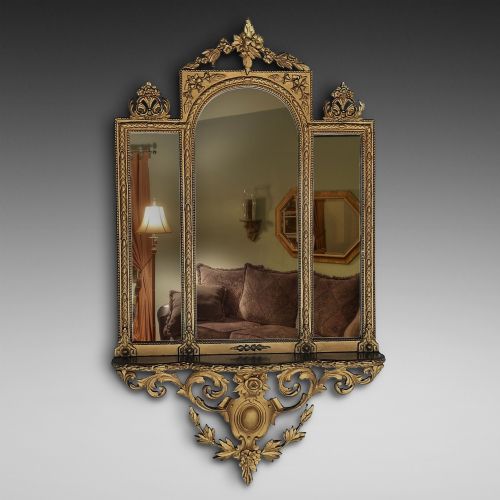
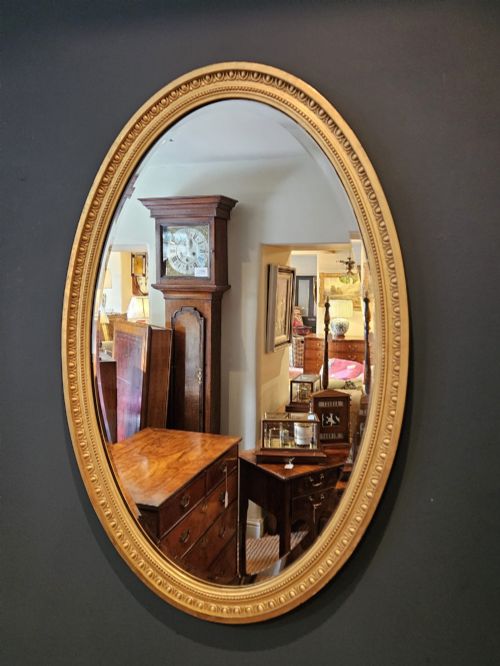
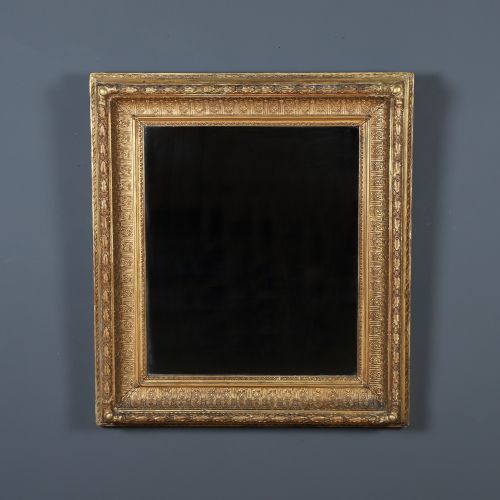
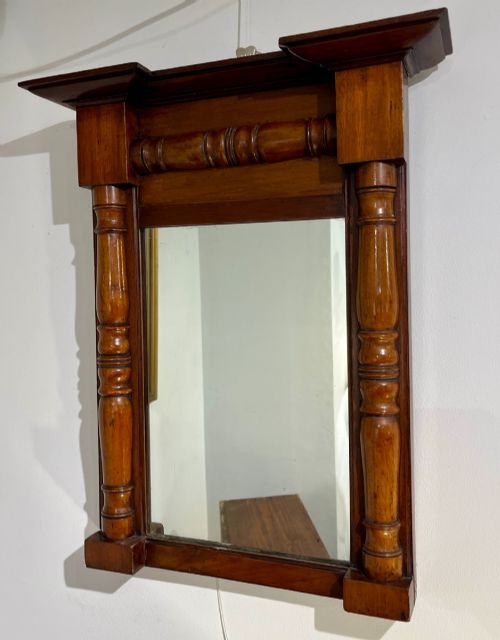
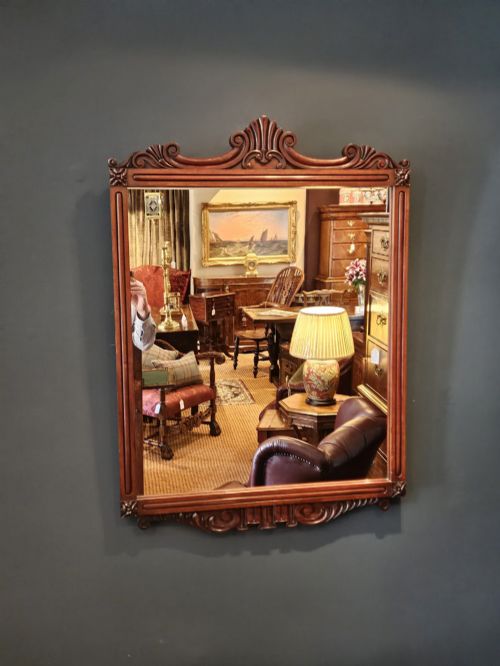
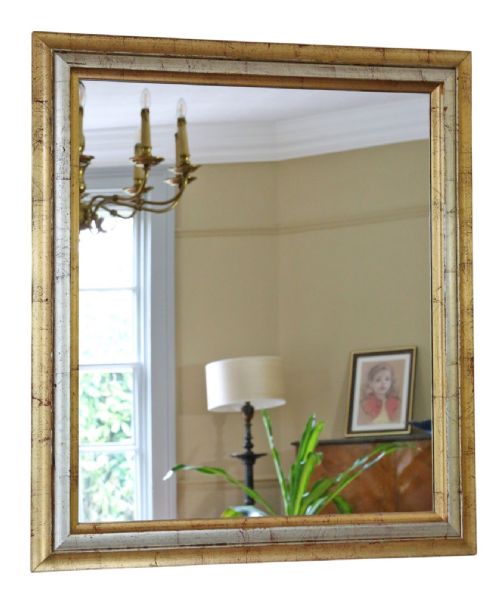
A hallway hanging wall mirror spans several periods, ranging from Georgian and Regency examples to Victorian, Edwardian, and Art Deco pieces. You will frequently encounter oak, mahogany, and walnut frames, alongside giltwood and gesso designs.
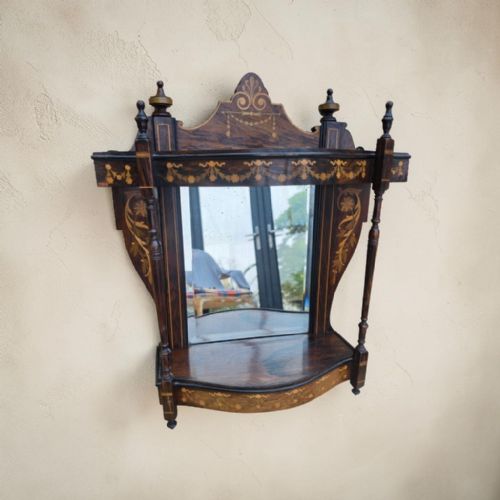
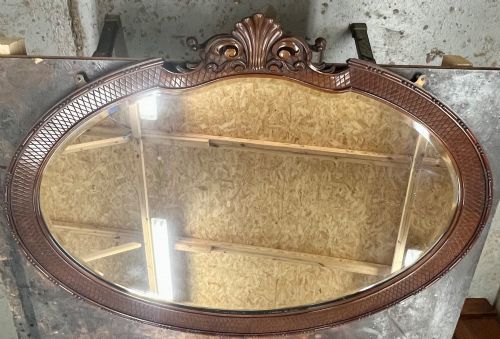
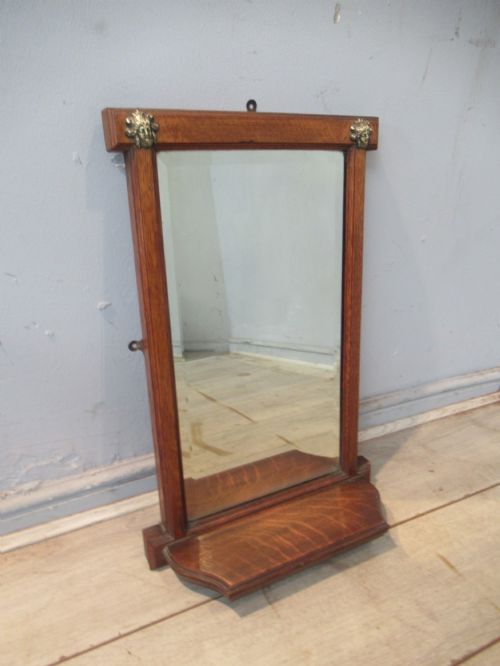
Many of these mirrors incorporate functional elements suited to an entrance, such as built-in shelves, coat hooks, or key cabinets. Others take simpler forms like oval wooden frames, arched tops, or modest rectangular shapes.
The selection reflects both classical revivals and the simpler domestic tastes of the late nineteenth and early twentieth centuries. Whether you seek a heavy Victorian carved frame or an Edwardian last look mirror, the variety matches diverse architectural interiors.
How they were made
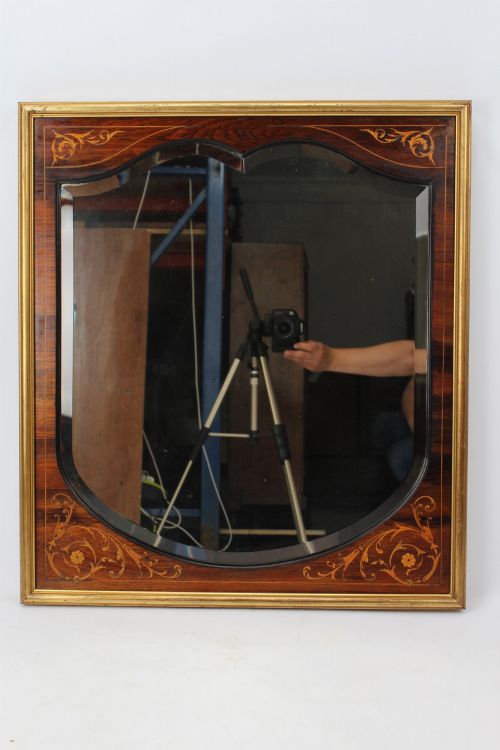
Makers utilised solid timbers such as oak, mahogany, and walnut, often shaping them into frames with pegged joints or turned mouldings. Inlaid details in contrasting woods frequently accent the borders.
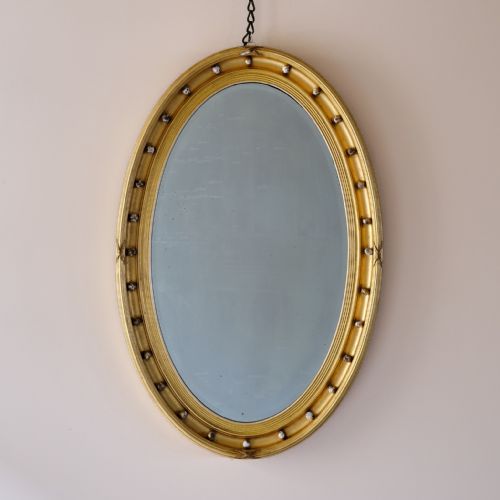
Giltwood and gesso pieces combine carved or moulded plaster applied to a wooden base, finished with gold leaf or metallic paint to create reflective surfaces. Glass plates are set securely within these frames, sometimes featuring bevelled edges.
Practical additions like small shelves and cloak hooks are jointed or screwed directly into the wooden backing boards. These structural choices ensure the mirrors can support daily use in busy entranceways.
Listings feature oak, mahogany, walnut, and giltwood materials across Victorian, Edwardian, and Georgian periods.
What varies in quality
The depth of carving and the crispness of the moulded gesso separate standard production pieces from finer workshop examples. Heavy, solid timber frames with well-executed joinery demonstrate superior craftsmanship.
The clarity and age of the mirror glass itself contribute to the overall character and retention of original materials. Finer pieces feature well-figured wood veneers, such as burr walnut or rosewood, matched with care across the frame.
The Hallway Hanging Wall Mirror Glossary
- Gesso
- A plaster-like mixture applied to wood frames as a base for gilding or painting. It is often moulded into decorative relief patterns.
- Giltwood
- Timber that has been coated with gold leaf or gilt finish. This technique was widely used on decorative frames across the Victorian and Regency periods.
- Pier mirror
- A tall mirror designed to hang on the wall between two windows. They often feature narrow proportions to suit specific architectural spaces.
- Overmantle mirror
- A wide mirror intended to hang above a fireplace mantelpiece. Many examples from the nineteenth century are adapted for hallway use due to their scale.
- Last look mirror
- A small domestic mirror placed near an exit for a final check of attire before leaving the house.
Hallway Hanging Wall Mirror: Frequently Asked Questions
Where should I hang a hallway mirror?
Hang the mirror at eye level where it can catch natural light from an adjacent doorway or window. Placing it near the front door creates a practical spot for last-minute checks.
Ensure the wall fixings match the weight of the frame, particularly for heavy oak or gilt gesso pieces.
What is an Edwardian last look mirror?
An Edwardian last look mirror is a compact wall-hanging glass designed specifically for hallways or cloakrooms. These pieces often include a tiny shelf for keys or a small drawer.
They provide a functional focal point in narrow spaces without overwhelming the room.
Are these mirrors suitable for bathrooms?
Certain compact wooden frames and shaving mirrors from the Edwardian period were designed with bathrooms and cloakrooms in mind. Check the backing and wood finish to ensure they tolerate humid environments.
Simple oak or mahogany frames fit well in modern functional spaces while retaining period character.