


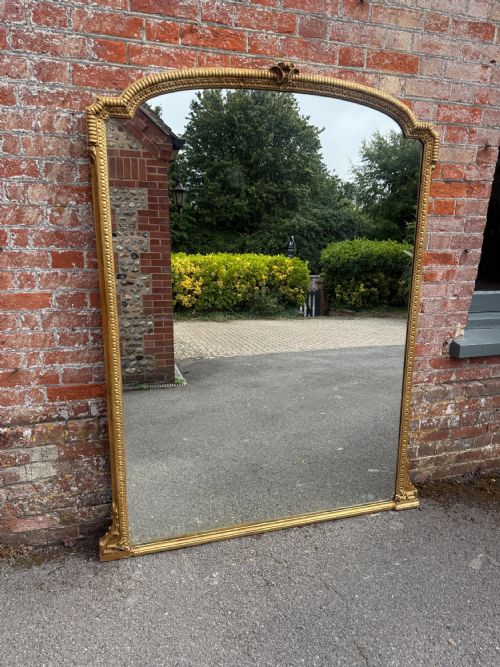
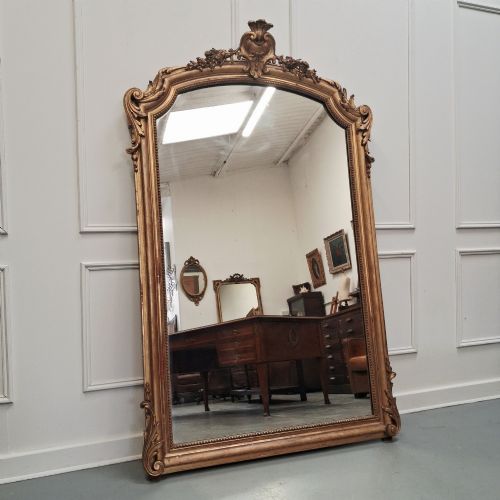
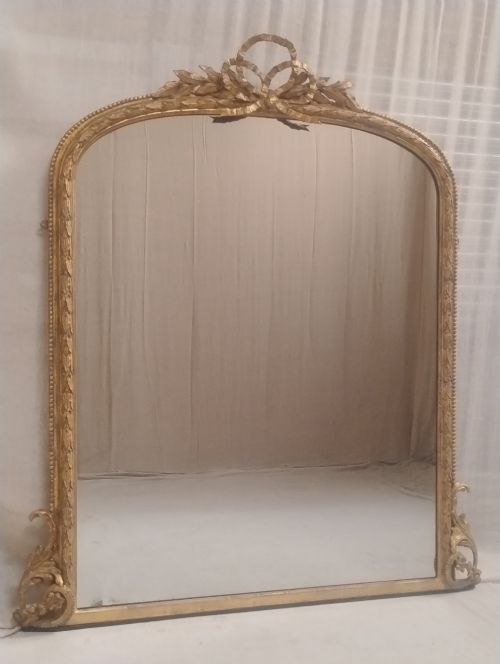
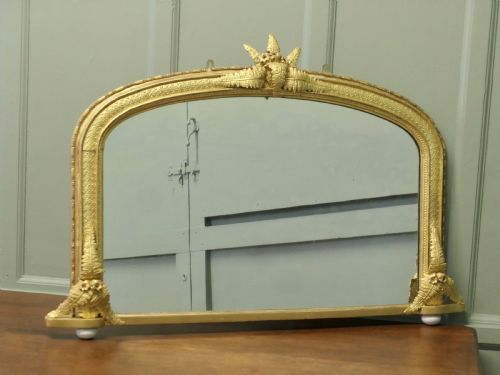
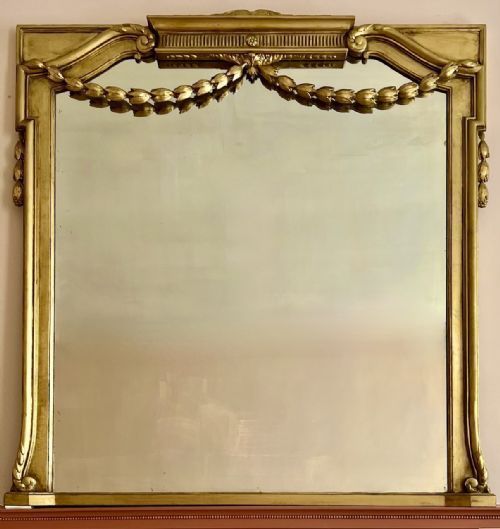
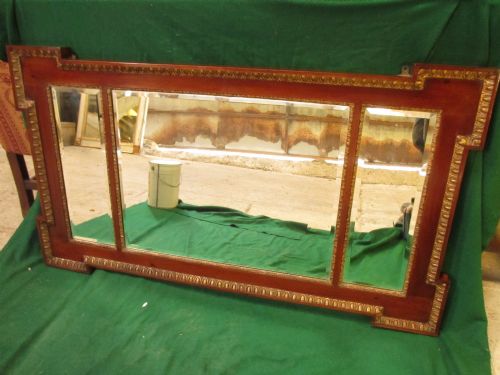
Victorian Gilt Mantel Mirror
A victorian gilt mantel mirror brings depth and golden warmth to a room, designed historically to sit above a fireplace hearth.
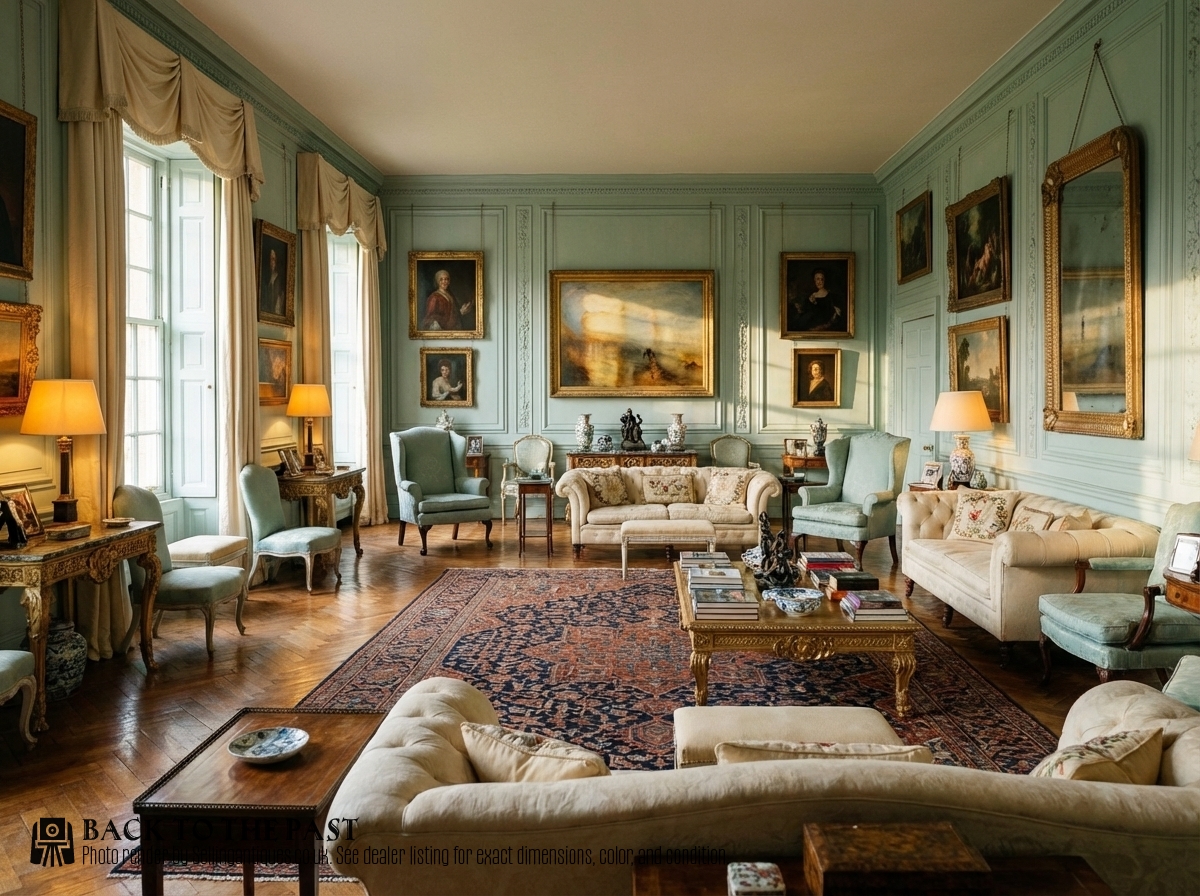
Victorian Gilt Mantel Mirror
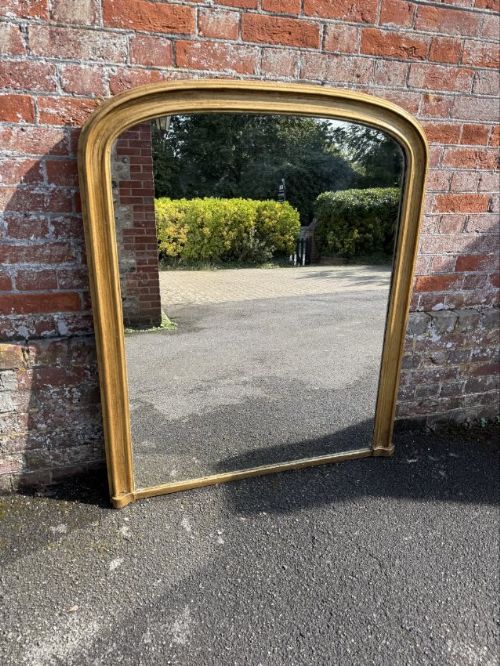
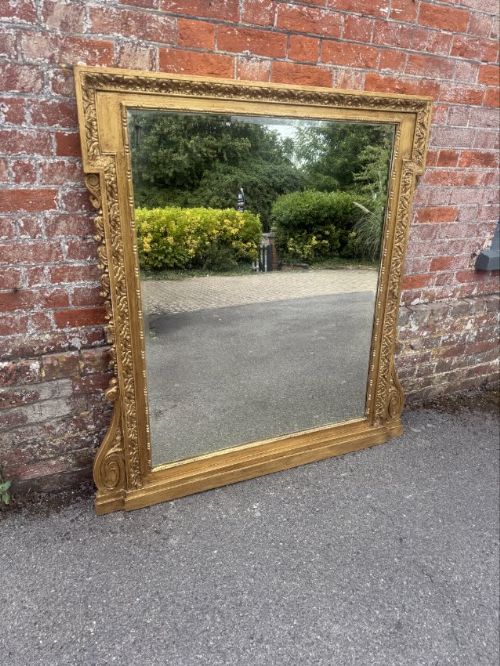
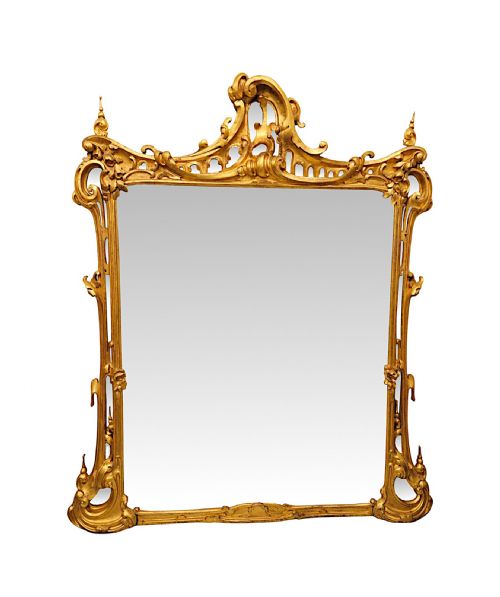
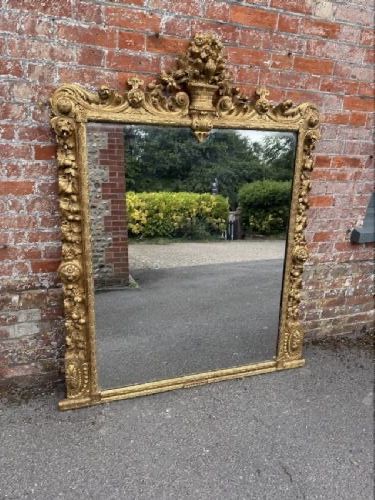
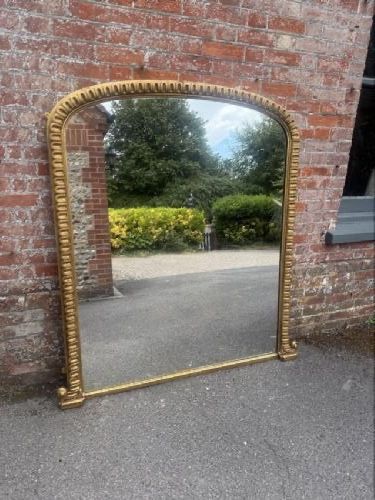
A victorian gilt mantel mirror is a large wall-hanging furnishing designed to anchor the space above a fireplace, reflecting light and expanding the visual dimensions of a room. These pieces appear frequently in arched, rectangular, and cartouche-shaped formats, often scaled generously to suit nineteenth-century ceiling heights.
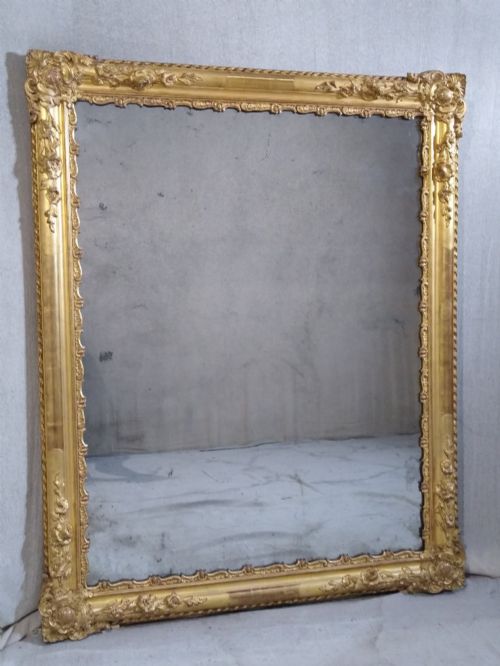
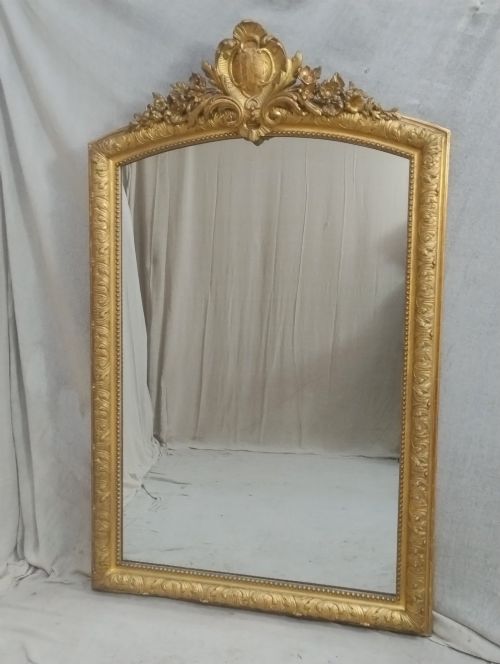
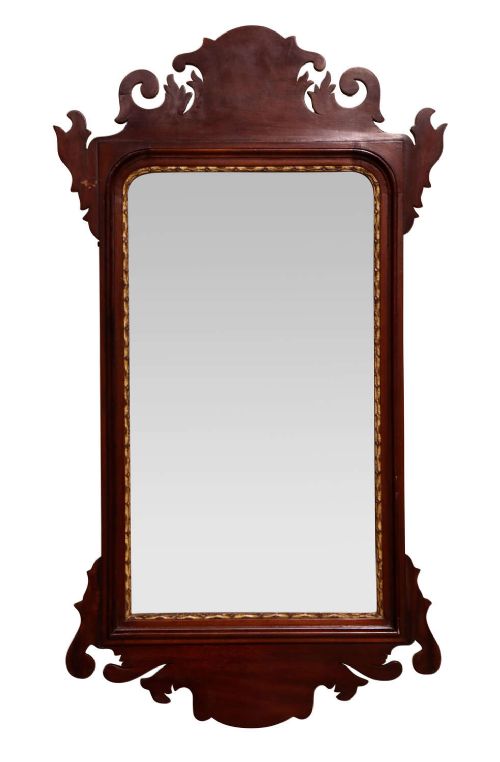
Makers produced these mirrors across the nineteenth century in English and French workshops, utilising stylistic revivals ranging from Rococo and French Chateau to Chippendale and Classical forms. The version most commonly encountered on this page is the large overmantel mirror featuring carved wood and gesso ornamentation under a gilded surface.
How They Were Made
Frames typically consist of a timber or carved wood base built from pine or hardwoods, coated with layers of gesso to create a smooth surface for ornamentation and moulding. Artisans applied thin sheets of gold leaf or applied liquid gilding over the prepared gesso ground, sometimes combining parcel-gilt finishes with ebonised or painted woodwork.
Mirrors utilise silvered glass plates, occasionally showing original foxing, distressing, or subtle beveling that reflects the age of the piece. Decorative flourishes such as rope twists, crestings, and foliate motifs were carved directly into the wood or moulded in high-relief composition material.
Victorian Gilt Mantel Mirror Retail Price Guide 2026
Typical asking prices for victorian gilt mantel mirror among the pieces listed under this phrase on Sellingantiques today, from the lower quarter to the upper quarter. They describe what is for sale here now, not the wider market.
Listings feature nineteenth-century items spanning the Victorian era, William IV period, and 1870s French Chateau styles.
What Varies in Quality
The sophistication of the carved wooden detailing and the depth of the gesso mouldings dictate the artistic standing of the frame, separating mass-produced nineteenth-century items from individually modelled studio pieces. Crispness in the execution of architectural scrolls, crests, and applied ornaments demonstrates the hand of a skilled artisan.
The preservation of the original gilding and the character of the mirror plate itself contribute heavily to the integrity of the object. Substantial frames with harmonious proportions and well-retained gold leaf hold greater visual command within an interior space.
S T Townshend Norwich·John Taylor And Son
The Victorian Gilt Mantel Mirror Glossary
- Overmantel mirror
- A large wall mirror specifically proportioned to hang on the chimney breast above a mantelpiece. These pieces often incorporate arched tops or decorative cresting to bridge the space between the fireplace and the ceiling.
- Gesso
- A plaster-like mixture applied to wooden frame foundations to build up smooth surfaces for carving or moulding. This material allows artisans to fashion intricate relief decorations before applying gold leaf.
- Giltwood
- Timber that has been coated in gold leaf, gold paint, or metal leaf to simulate solid gold. This finish catches candlelight and natural room illumination.
- Foxing
- Age-related spots, speckles, or discoloration within the silvering of a mirror plate. Collectors appreciate this chemical degradation as proof of genuine nineteenth-century provenance.
- Composition
- A moulded putty material made from whiting, resin, glue, and linseed oil, pressed into decorative shapes for picture and mirror frames. It offered a quicker alternative to hand-carving intricate wooden ornamentation.
Victorian Gilt Mantel Mirror: Frequently Asked Questions
Where should an overmantel mirror hang?
These mirrors traditionally anchor the wall directly above a fireplace mantel, reflecting light across the floorboards and drawing the eye upward toward the ceiling.
They also function effectively on large expanse walls in dining rooms or hallways, provided the fixings support the considerable weight of the wooden frame.
How do I identify a Victorian mirror?
Nineteenth-century examples display construction methods typical of the period, including heavy timber backs, hand-applied gesso, and distinct stylistic revivals like Rococo or French Chateau.
Examine the mirror plate for signs of age, such as slight distortion or original foxing within the glass.
Can these mirrors be cleaned safely?
Dust the carved wooden frame gently with a dry, soft brush to protect fragile gesso and delicate gold leaf applications from chipping.
Clean the glass plate using a minimal amount of neutral glass cleaner applied to a cloth rather than sprayed directly onto the mirror, preventing moisture from seeping behind the silvering.