


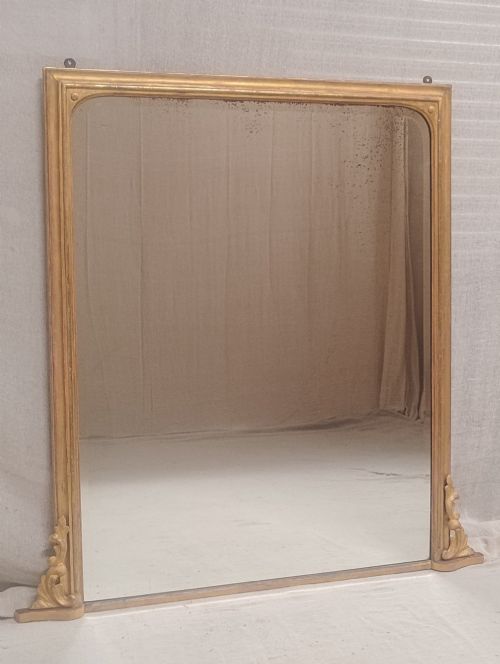
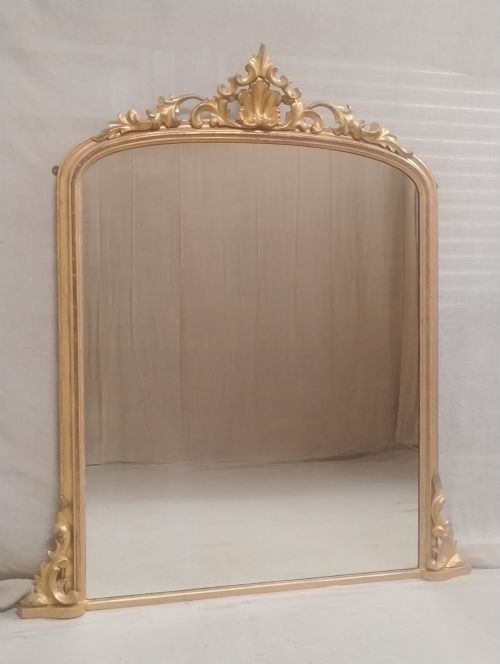
French Arched Gilt Mirror
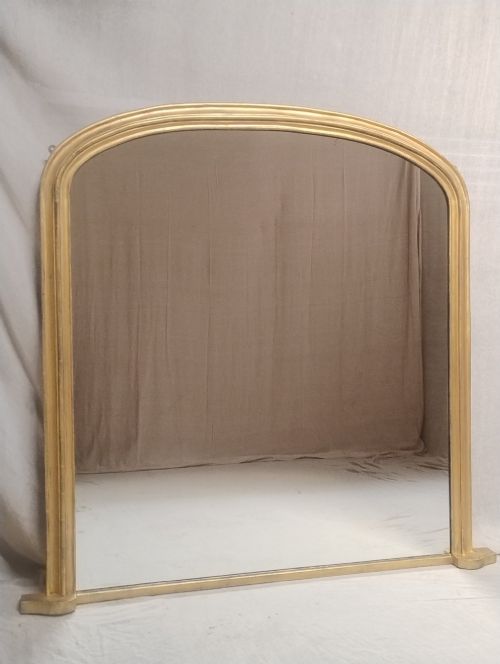
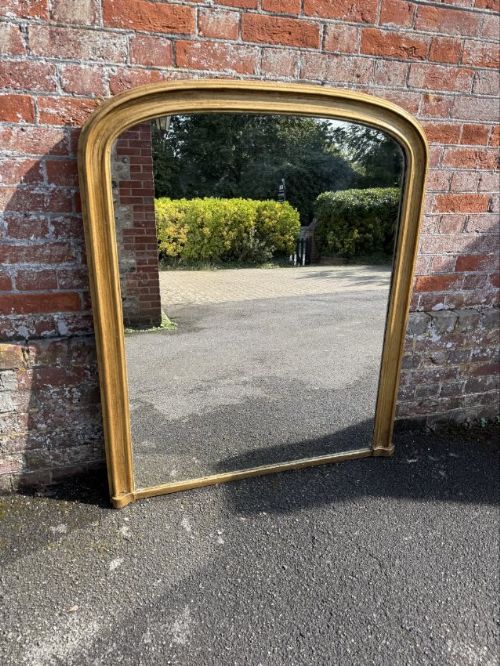
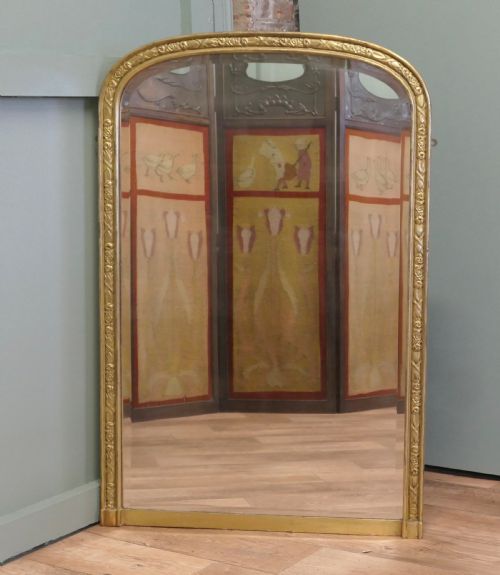
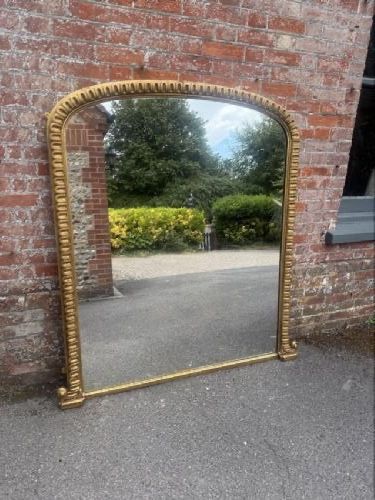
A french arched gilt mirror brings nineteenth-century warmth and reflected light into a room through its grand arched profile and gilded frame.
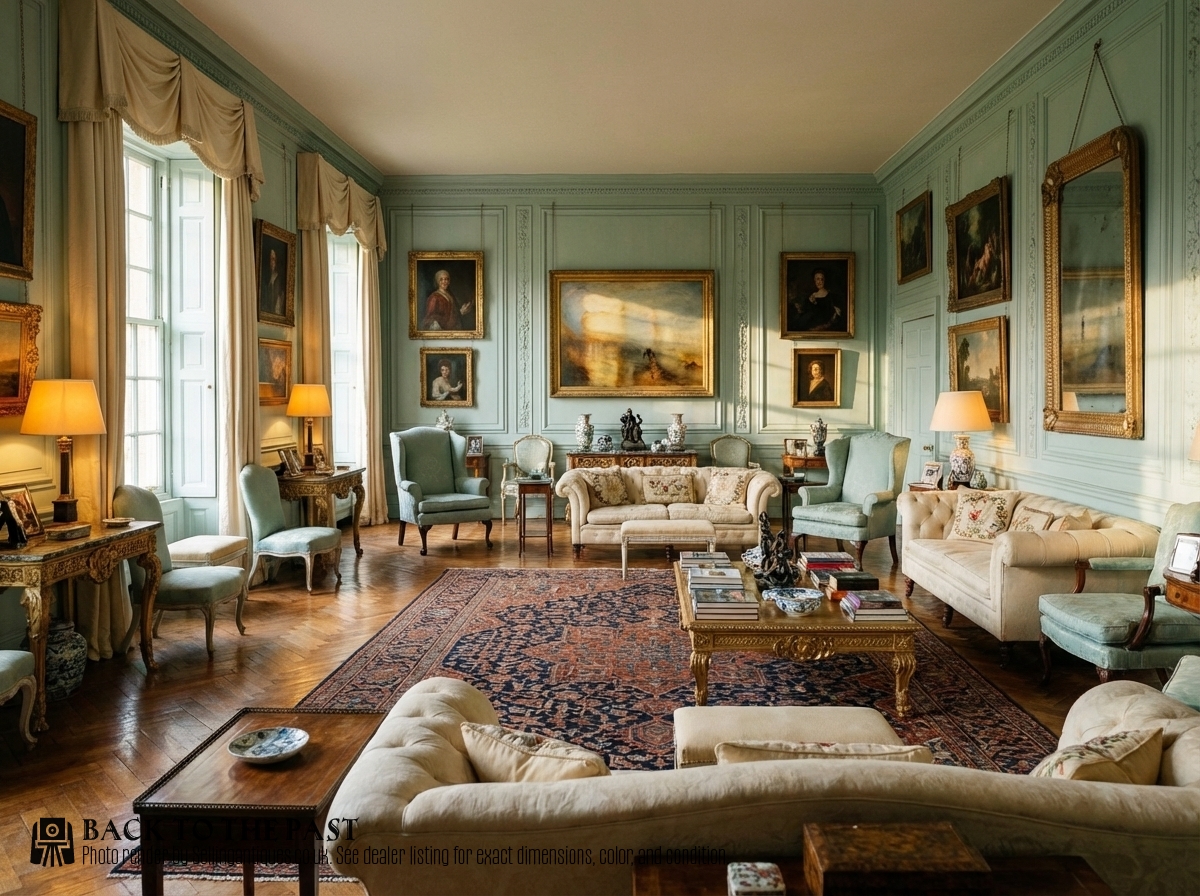
French Arched Gilt Mirror
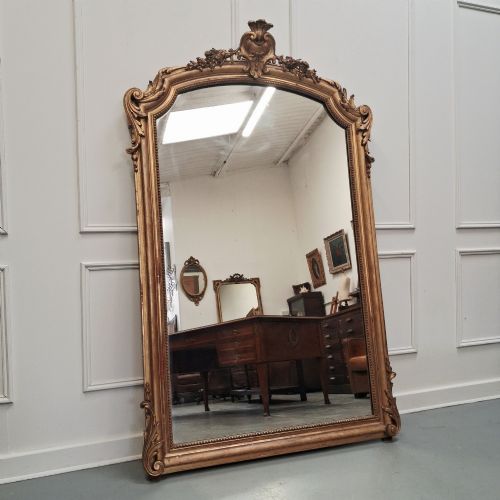
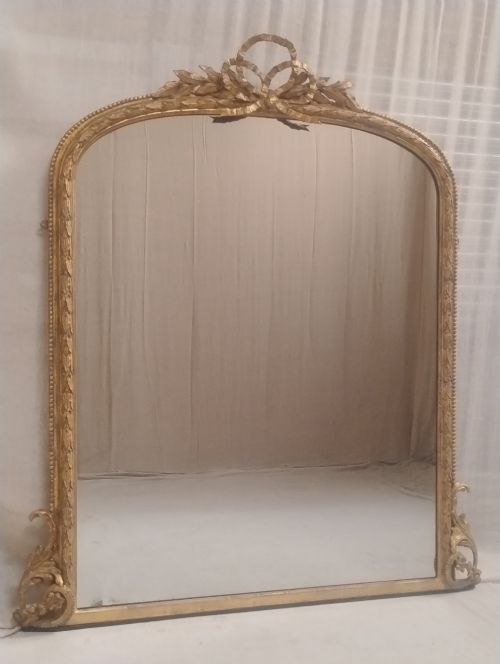
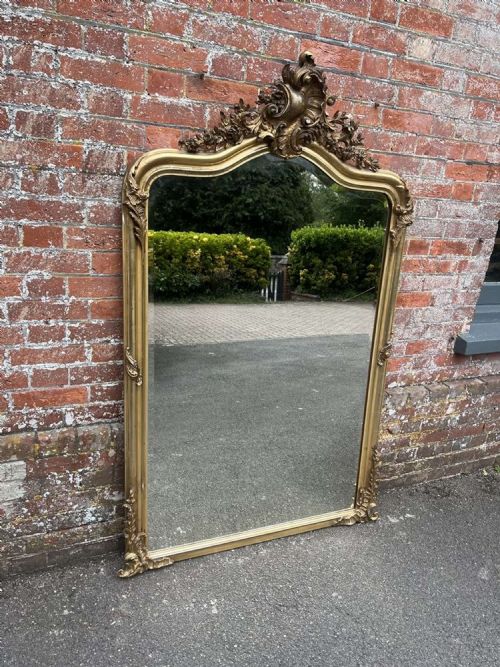
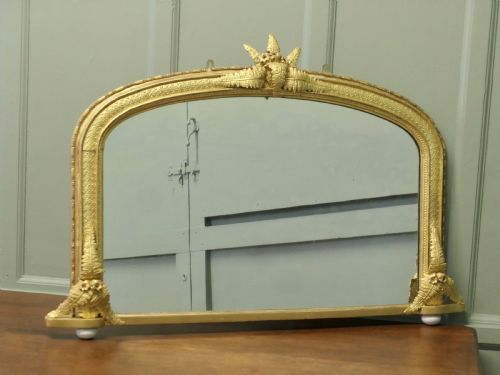
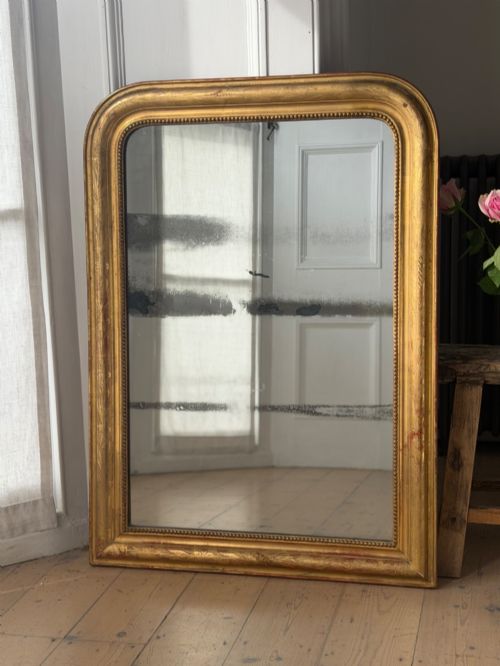
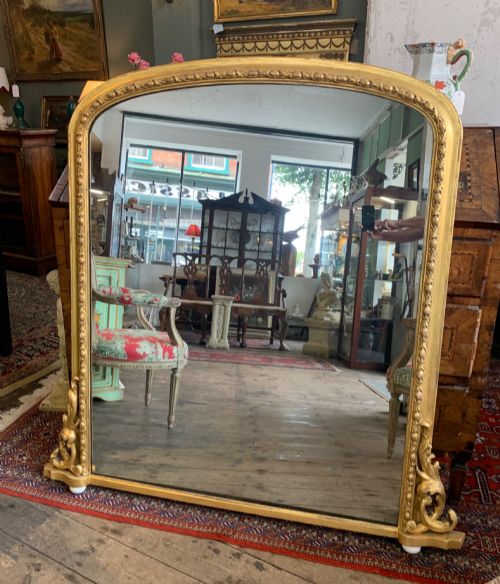
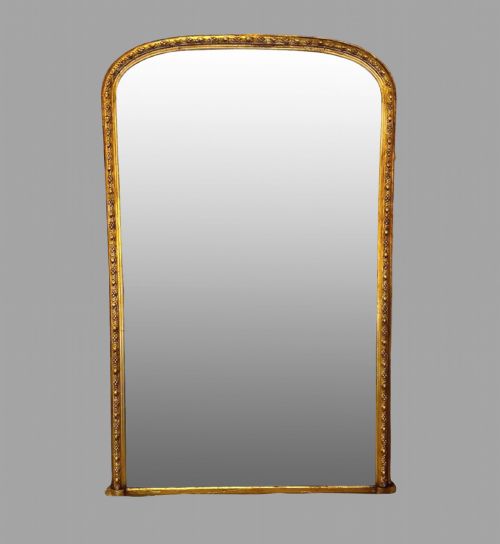
A buyer seeking a french arched gilt mirror encounters nineteenth-century decorative pieces originating from French chateaux and urban salons, alongside related Victorian and Georgian British examples. These objects typically function as overmantel mirrors placed above fireplaces or as tall pier mirrors positioned between windows, defined by their characteristic curved upper frame.
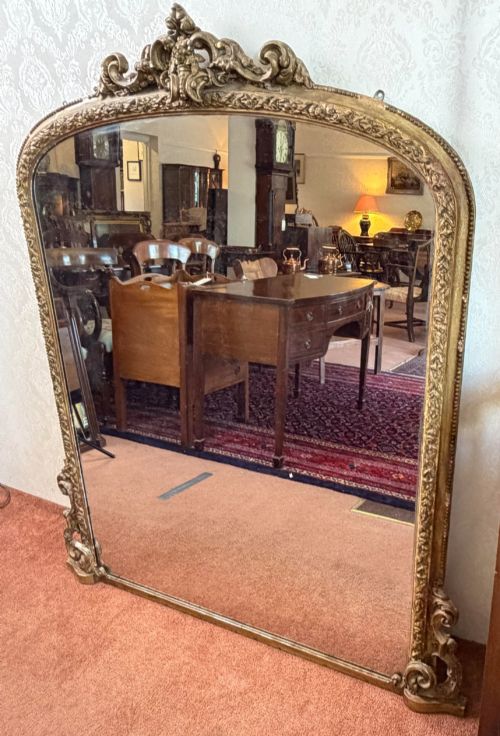
The selections span distinct historical sub-styles such as Louis Philippe designs with their subtle shoulder curves and clean classical lines, alongside more ornate Rococo Revival pieces featuring elaborate scrollwork and asymmetrical plant motifs. Most items date from the middle to late nineteenth century, reflecting the prevailing interior aesthetics of the period.
Materials and construction methods
The foundational structure of these frames relies on carved timber, usually pine or hardwood, which provides the rigid skeleton necessary to support heavy glass panels. Artisans shaped this wood by hand, creating the sweeping arches and linear mouldings seen across the inventory.
Over the carved wooden base, craftsmen applied gesso - a prepared mixture of plaster and glue - to build up intricate relief details like ribbon twists, acanthus leaves, and beaded borders. This smooth, pliable ground layer allowed for sharp definition in ornamental mouldings before the gilding stage.
The final metallic finish was achieved through the application of gold leaf or silver leaf directly onto the prepared gesso, often secured with size and burnished to a high shine. Many surviving examples also incorporate painted highlights or retain their original mercury glass plates, which display natural oxidation and foxing over time.
Some nineteenth-century mirrors still hide faint chalk worker marks inscribed on the wooden backs by Parisian framers.
Factors influencing quality and craftsmanship
The crispness and depth of the gesso ornamentation dictate much of the visual merit, where hand-modelled relief work stands apart from mass-produced or heavily worn decoration. Superior items display sharply carved wooden foundations beneath intact, detailed plaster enrichment rather than softened contours from repeated over-painting.
The integrity of the original gilding and the character of the mirror plate itself separate standard examples from exceptional ones. Retaining authentic gold leaf with minimal restoration, coupled with original silvered or mercury glass showing gentle age spots, marks the higher tiers of surviving pieces.
The French Arched Gilt Mirror Glossary
- Gesso
- A dense plaster mixture applied to the carved wooden frame to create a smooth surface for relief ornamentation. This material allows for intricate mouldings that accept gold leaf uniformly.
- Overmantel Mirror
- A wide mirror specifically designed to hang on the wall directly above a fireplace mantelpiece. These pieces often feature proportions tailored to span the width of a chimney breast.
- Louis Philippe
- A mid-nineteenth-century French style characterised by understated elegance, simple curved shoulders, and minimal yet refined decorative motifs. It bridges the gap between heavy classical revivals and earlier neoclassical designs.
- Foxing
- Natural dark spots and speckles that develop on older mirror glass as the reflective silver backing oxidises over decades. Collectors often value this chemical ageing as proof of genuine antiquity.
- Giltwood
- Timber that has been coated with a thin layer of gold leaf or gold paint. This technique protects the underlying wood while providing a brilliant reflective finish.
French Arched Gilt Mirror: Frequently Asked Questions
What is an overmantel mirror?
An overmantel mirror is a large decorative looking glass created to sit directly on the wall above a fireplace mantel. These pieces were historically proportioned to reflect the dimensions of the hearth below.
Today, they function equally well mounted above low sideboards or console tables in living rooms and hallways.
How do I date a nineteenth-century gilt mirror?
Dating relies on examining the framing style, the construction of the wooden backboards, and the type of glass used. Louis Philippe and Rococo Revival indicators help narrow down the decade of manufacture.
Clues also emerge from the composition of the gesso and the specific fastening methods employed by period joiners.
What is foxed glass?
Foxed glass refers to mirror plates that have developed speckled dark spots, cloudy patches, or pale discoloration caused by the degradation of the backing over time. This chemical reaction occurs naturally as moisture interacts with the silver or mercury layer.
Many interior designers and collectors prize this specific characteristic for the authentic historic atmosphere it brings to a room.
How should I hang a heavy gilt mirror?
Hanging a heavy nineteenth-century mirror requires locating structural wall studs or using heavy-duty masonry fixings capable of supporting substantial weight. The mirror should be secured using robust brackets or wire rated well above the actual mass of the piece.
Professional installation is recommended due to the combined weight of the thick wooden frame, gesso ornamentation, and heavy glass plate.