
Tall Gilded Wall Mirror
A tall gilded wall mirror expands a room by catching the light, bringing vertical elegance and period character to high-ceilinged spaces.
Tall Gilded Wall Mirror
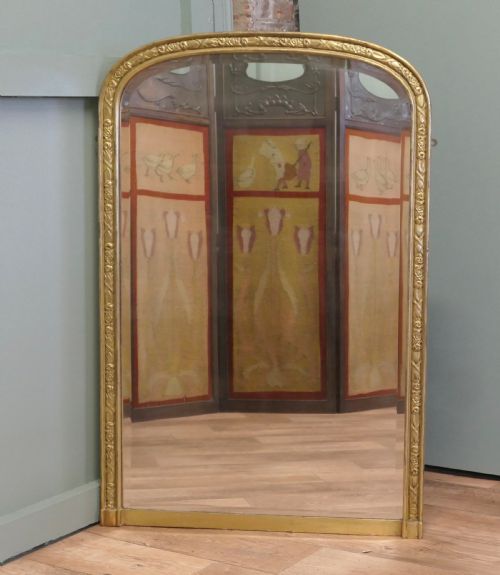
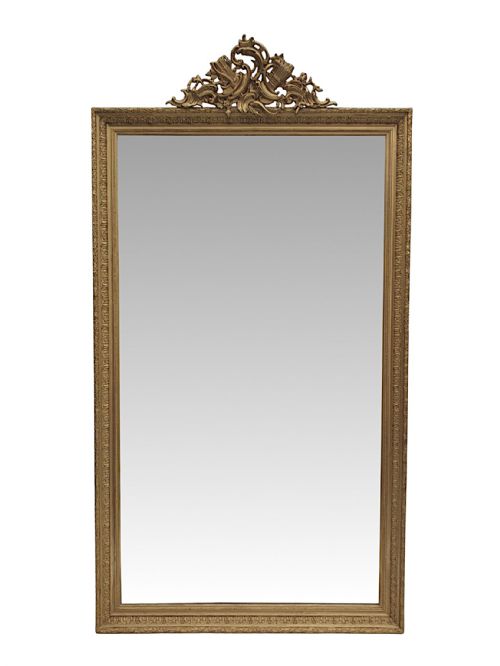
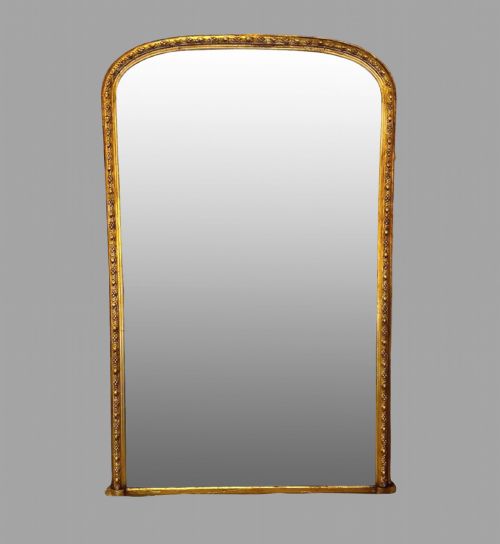
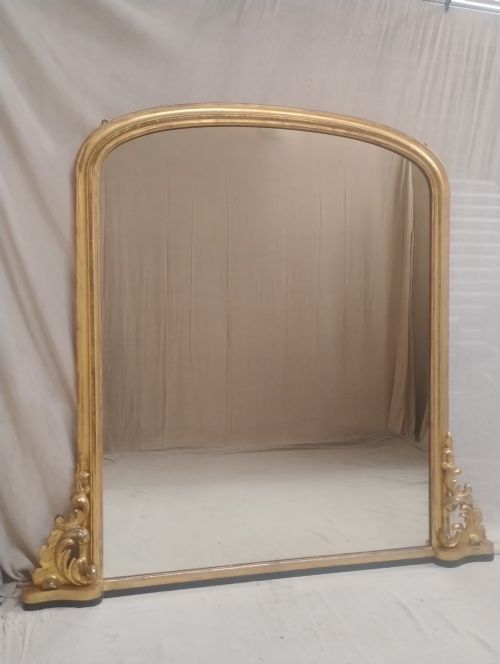
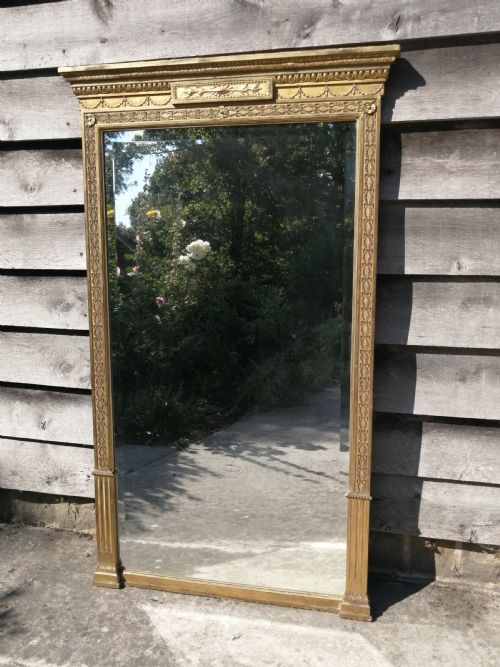
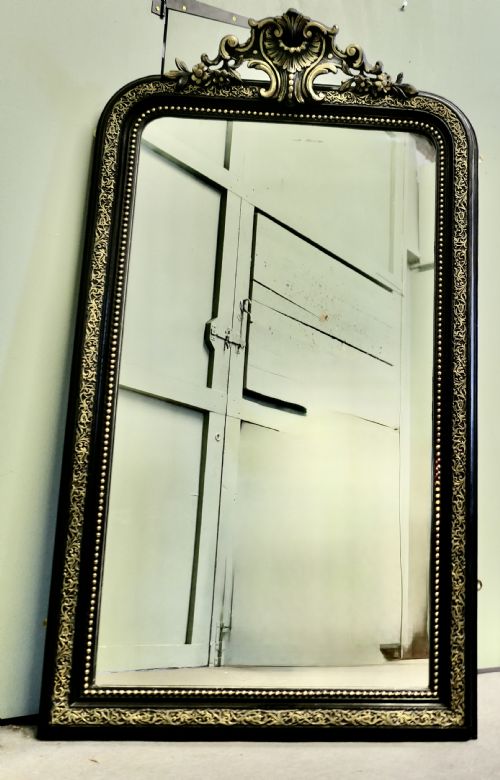
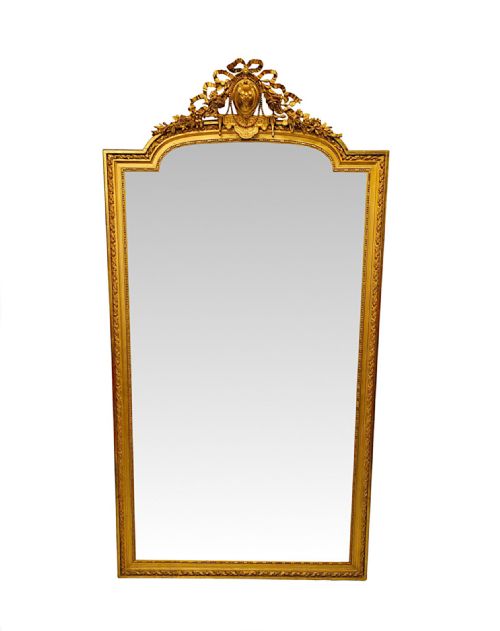
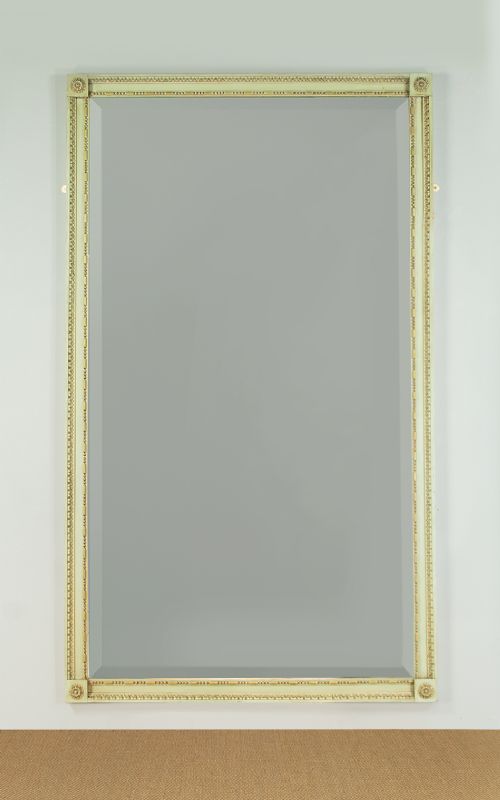
A tall gilded wall mirror is a vertical looking glass designed to hang on a wall, stand on the floor, or sit above a mantelpiece. When searching for a tall gilded wall mirror, buyers encounter numerous nineteenth-century examples alongside eighteenth-century and early twentieth-century designs.
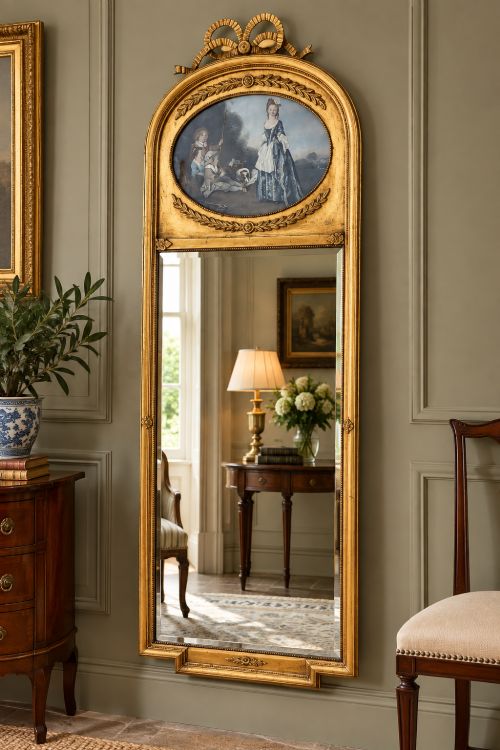
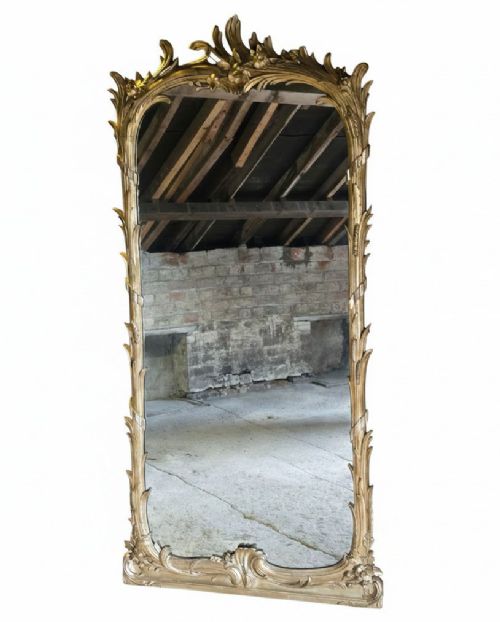
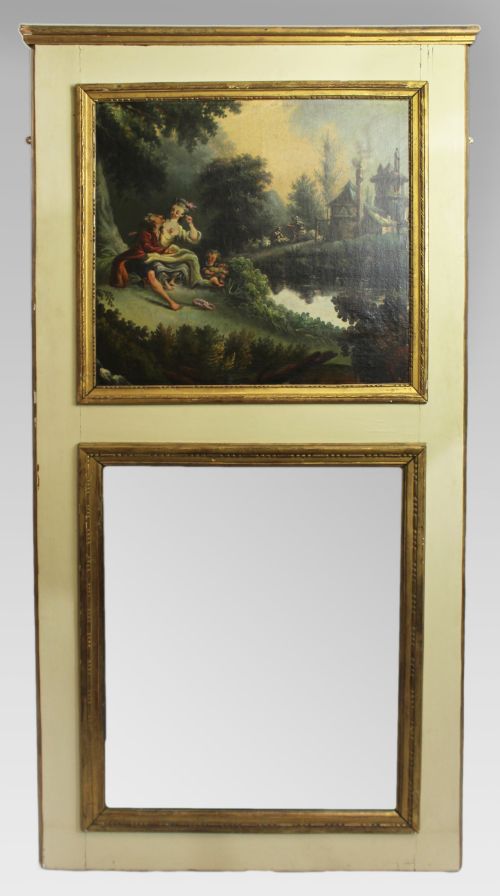
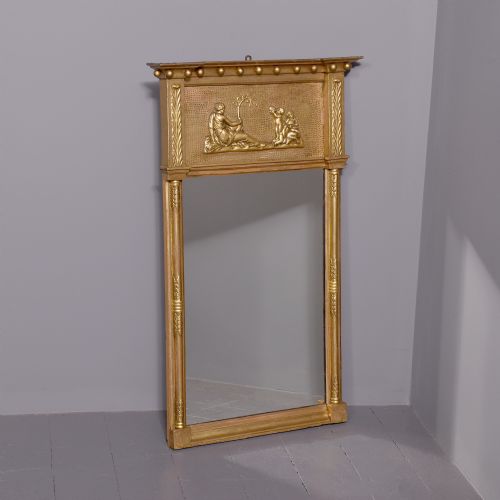
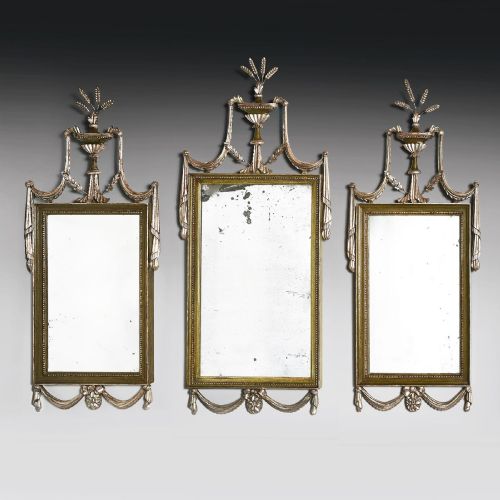
The selections span distinct historical styles including Regency, Louis Philippe, Neoclassical, and Rococo Revival. Forms include pier mirrors, overmantel mirrors, trumeau mirrors inset with paintings, and full-length dressing glasses originating from English, French, and Italian workshops.
How They Were Made
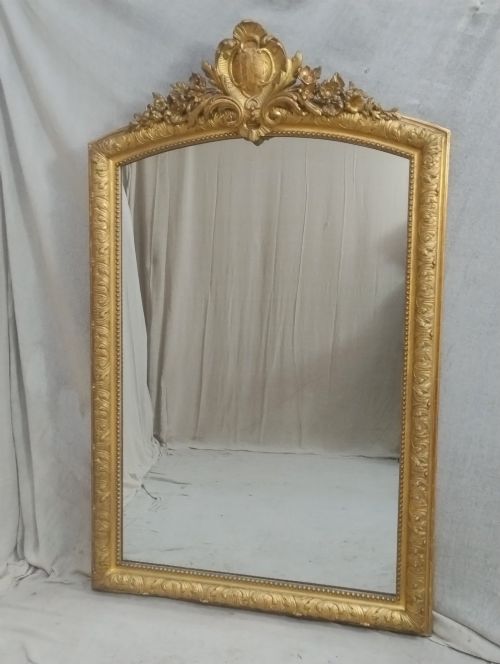
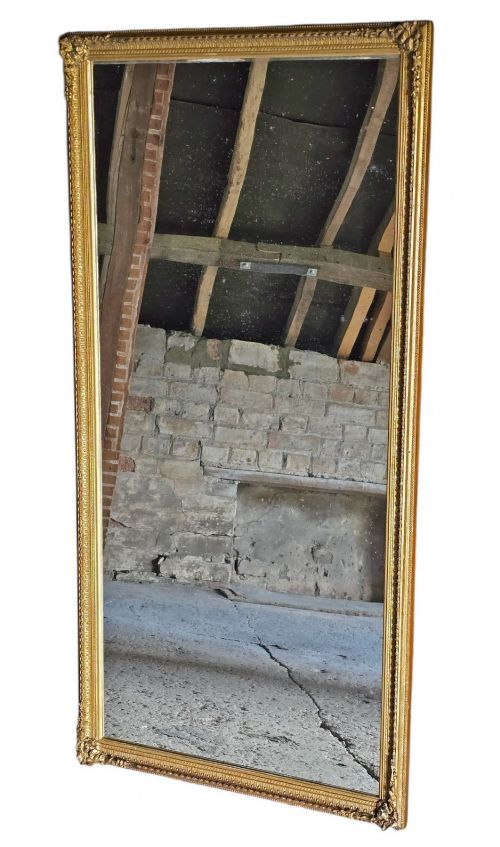
Craftsmen built the structural frames from wood, applying layers of gesso to carve intricate details like rope twists, floral motifs, and classical columns. Artisans then applied gold leaf or composition material onto the prepared surface to achieve the characteristic metallic finish.
Glaziers integrated mirror glass plates, sometimes utilising original mercury glass or bevelled plates secured within the rebated frame backs. Certain pieces incorporated integrated oil paintings set above the glass plate within tall panels.
Tall Gilded Wall Mirror Retail Price Guide 2026
Typical asking prices for tall gilded wall mirror among the pieces listed under this phrase on Sellingantiques today, from the lower quarter to the upper quarter. They describe what is for sale here now, not the wider market.
Several mirrors include pastoral oil paintings set directly above the glass, allowing a single wall hanging to double as landscape art.
What Varies in Quality
The definition and depth of the carved gesso ornament separates standard frames from superior examples. Skilled hands produced crisp, undercut foliage and sharp architectural moulding rather than soft, mass-produced composition ornament.
The preservation of the original reflective plate and the integrity of the gilding dictate the overall character. Original mercury plates show subtle age spotting and depth, while later replacements offer a clear, unblemished reflection.
Gillows Of Lancaster·John Belchier
The Tall Gilded Wall Mirror Glossary
- Giltwood
- Wood carved and coated with gold leaf. This material forms the primary gilded structure of antique frames.
- Gesso
- A plaster-like mixture applied to wood frames. Craftsmen carve intricate decorative motifs into this substance before gilding.
- Pier Mirror
- A tall mirror designed to hang on the wall between two windows. These pieces often sat above low console tables.
- Trumeau Mirror
- A wall mirror incorporating an oil painting or decorative panel within the upper section of the frame. French interiors popularised this combined form.
- Mercury Glass
- An antique silvering technique utilising a mercury and tin amalgam. It creates a mottled, dark reflection full of character.
Tall Gilded Wall Mirror: Frequently Asked Questions
Where should I hang a tall gilded wall mirror?
Position the glass opposite a window to maximise natural light distribution throughout the room.
Alternatively, mount the piece above a fireplace mantel or between architectural openings to anchor vertical proportions.
How do I clean an antique giltwood frame?
Dust the carved surfaces gently with a soft, dry brush to prevent accumulation without disturbing the delicate metallic leaf.
Avoid liquid cleaners entirely, as moisture penetrates old gesso and degrades the historical finish.
Can I lean a tall wall mirror safely?
Many large nineteenth-century frames function effectively as leaner mirrors resting directly against the floor.
Ensure the base secures firmly to the wall brackets to prevent tipping in high-traffic interior spaces.
How do I identify a Regency period mirror?
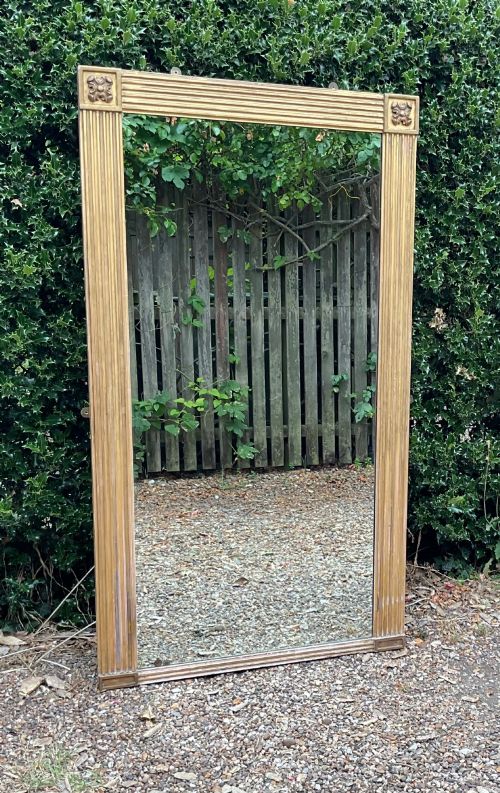
Look for classical architectural details such as reeded columns, ball-stud friezes, and bold Neoclassical motifs characteristic of the early nineteenth century.
These pieces often feature heavy giltwood construction intended to command attention in formal reception rooms.