



Grand Tour Table
A grand tour table brings classical antiquity and 19th-century travel into the interior through marble, bronze and intricate marquetry.
Grand Tour Table
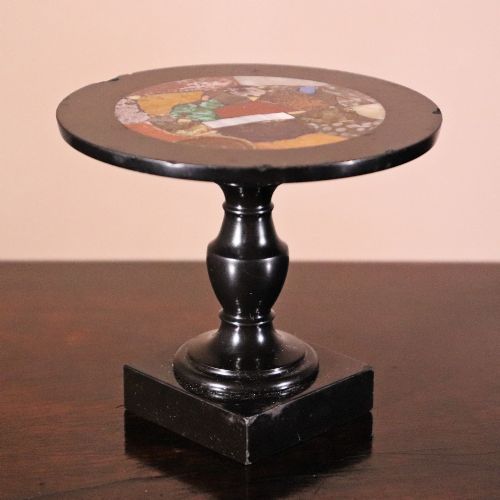
A grand tour table encompasses low centre tables, occasional tables and miniature surfaces created as souvenirs or classical studies for travellers in Italy and across Europe. These pieces typically date from the 19th century and draw directly on Neoclassical, Renaissance Revival and Sorrento styles.
The most common examples on this page are occasional and centre tables featuring circular marble tops or detailed wood marquetry. Many incorporate specimen marble, pietra dura or inlaid walnut produced in Italian workshops.
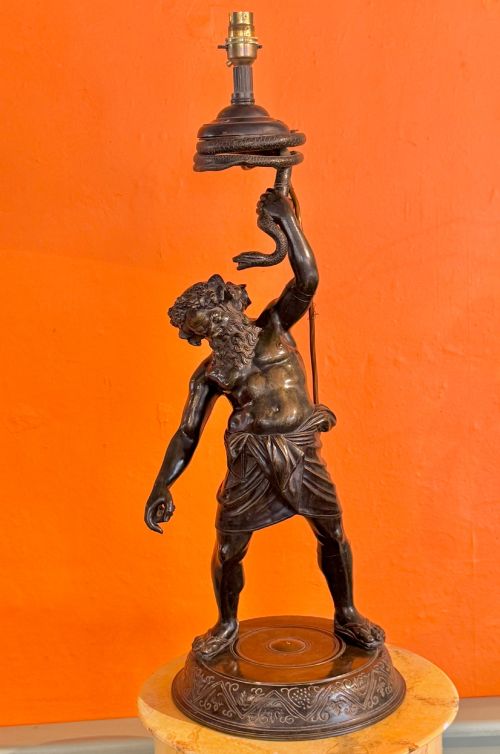
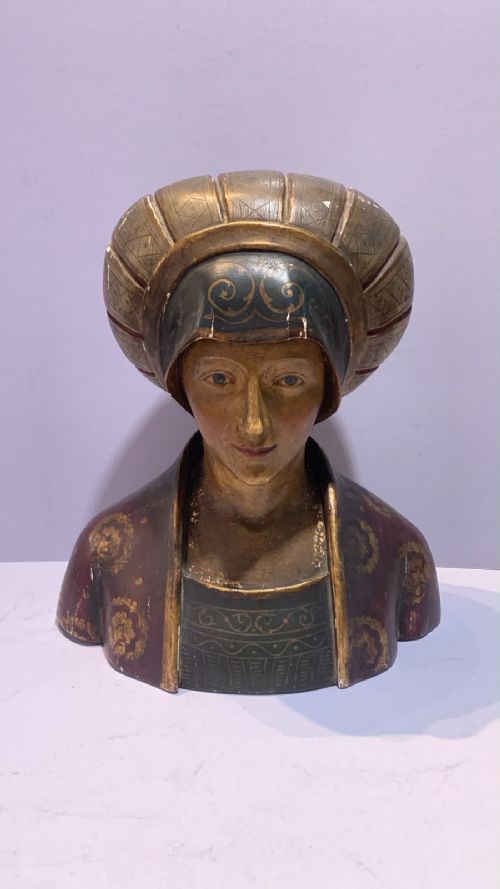
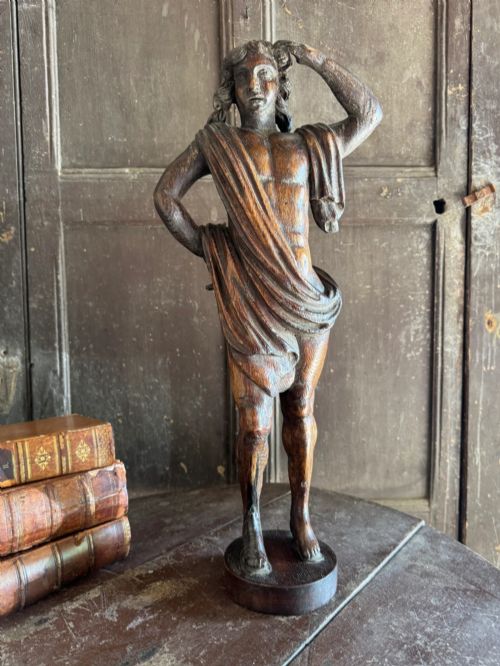
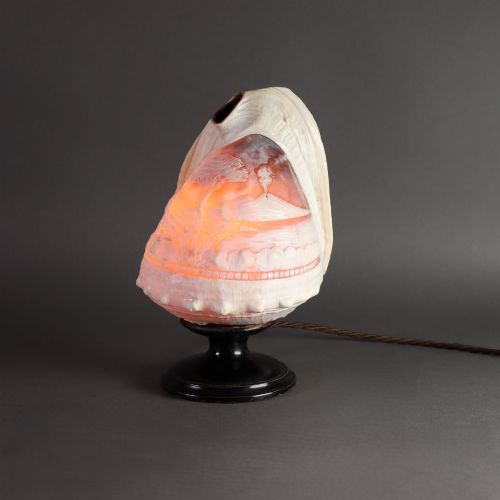
Alongside tables, the category extends to related objects associated with the same travels, including bronze sculptures, table lamps, candlesticks and specimen marble columns.
How they were made
Makers shaped these pieces using hard stones and dense timbers, combining walnut, olive wood and fruitwood with polished marbles, alabaster and pietre dure. Surfaces often rely on meticulous inlay and micro-mosaic roundels set into wood or stone.
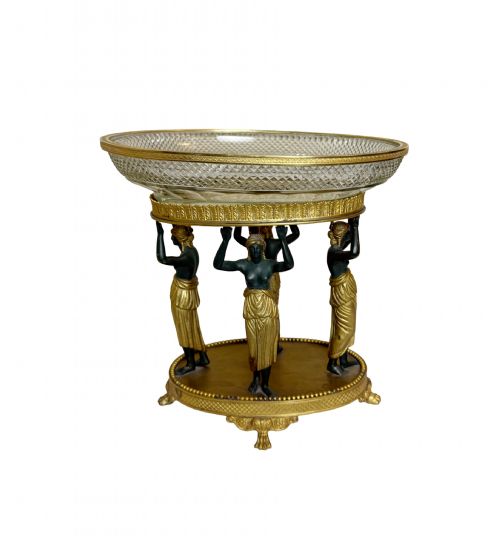
Metal components utilise cast bronze, brass and gilt bronze, frequently patinated or mercury gilded to highlight classical figures and mounts. Stonework relies on skilled cutting and polishing of coloured mineral specimens to form geometric patterns or pictorial scenes.
Listings feature 19th-century specimen marble, bronze sculptures and walnut Sorrento tables.
What varies in quality
Quality rests on the precision of the lapidary work in the marble tops and the crispness of the bronze casting. Finer pieces demonstrate tight, seamless stone tessellation and sharply defined sculptural details that remain true to antique prototypes.
The complexity of the Sorrento marquetry and the depth of the timber figuring distinguish standard souvenir items from exceptional examples. Superior tables balance architectural proportion with fine chasing on metal mounts and stable, well-joined cabinetry.
G Amodio Naples·Almerico Gargiulo
The Grand Tour Table Glossary
- Specimen marble
- A tabletop or panel composed of many different varieties of coloured marble fitted together in geometric or pictorial designs. This technique was popular in Italy for tourist souvenirs.
- Pietra dura
- An artistic technique using cut and fitted polished coloured stones to create inlaid images. Artisans used this method for floral and bird motifs on tabletops and boxes.
- Sorrento ware
- Woodwork from the town of Sorrento in Italy featuring intricate marquetry and micro-mosaic inlays. These objects often used walnut, olive wood and various fruitwoods.
- Grand tour
- The traditional trip of Europe undertaken by upper-class young European men of means in the 18th and 19th centuries. Travellers collected antiquities, bronzes and marble specimens to bring home.
- Neoclassical
- A style of art and architecture inspired by the classical art and culture of ancient Greece and Rome. It dominated European design through the late 18th and 19th centuries.
Grand Tour Table: Frequently Asked Questions
What is a grand tour table?
A grand tour table is an occasional or centre table associated with 19th-century European travel, often featuring inlaid specimen marbles, pietre dura or Sorrento marquetry.
These pieces reflect classical tastes and were brought home as souvenirs by travellers visiting Italy and other historic cultural sites.
How do I identify Sorrento ware?
Sorrento ware is identified by its distinctive wood marquetry and geometric inlay work using local timbers like walnut and olive wood. Look for characteristic Italian architectural motifs, floral designs and views of Vesuvius.
Many of these pieces include hinged boxes, folding mirrors and small occasional tables produced around Naples and Sorrento.
Where were these tables made?
Most grand tour tables and related decorative objects were produced in Italian workshops located in Rome, Naples, Florence and Sorrento. Local artisans catered directly to wealthy foreign travellers.
French and British makers also produced pieces in this taste, using imported Italian marbles and bronzes.
How should I care for a specimen marble top?
Specimen marble tops require gentle cleaning with a dry or barely damp cloth to protect the polished stone and the grout lines between individual pieces. Avoid harsh chemical cleaners and acidic liquids that can etch the marble surface.
Keeping the table away from direct sunlight and sudden temperature changes helps preserve the wooden bases and mounts.