





Regency Style Centre Table
Regency style centre table designs bring architectural balance and rich timber into a room, anchoring the space with classic proportions.
What They Are
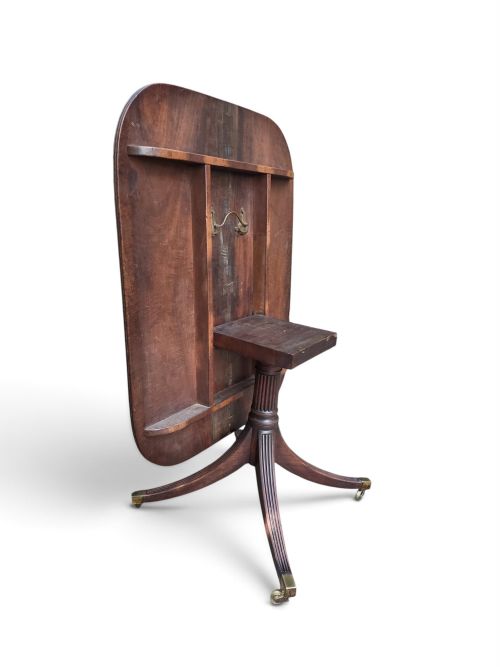
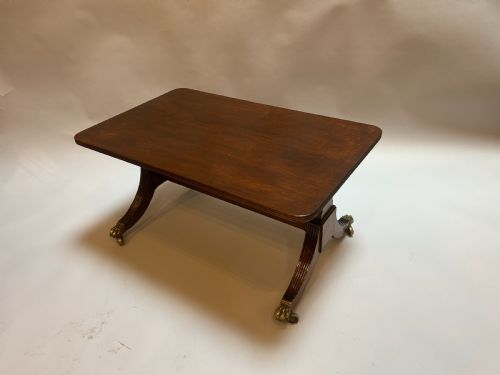
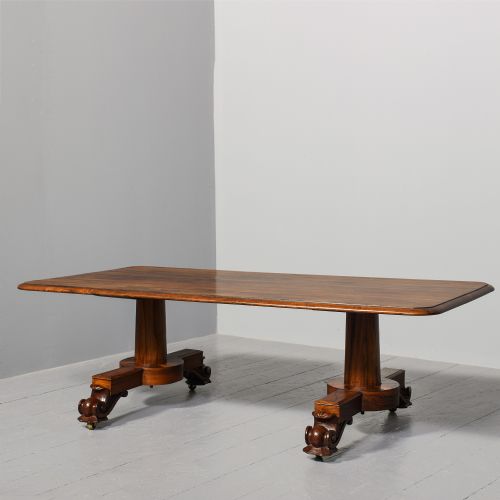
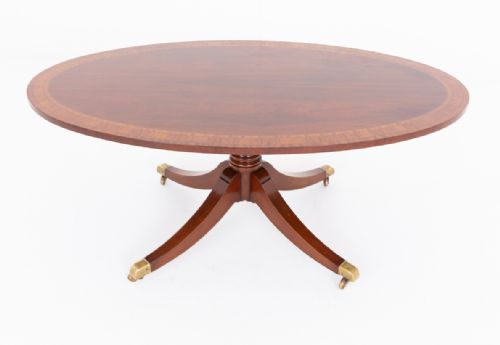
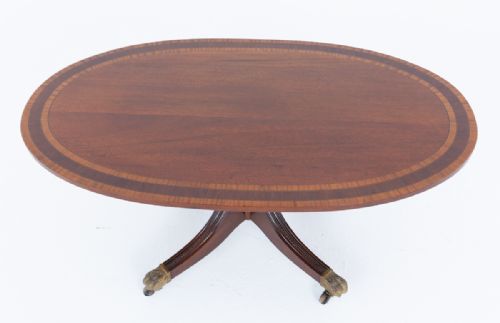
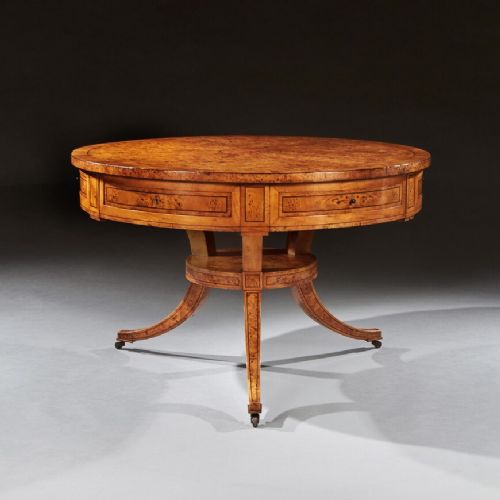
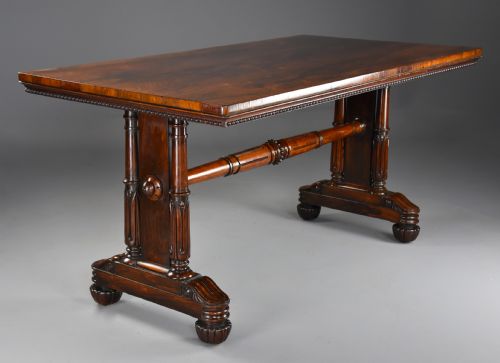
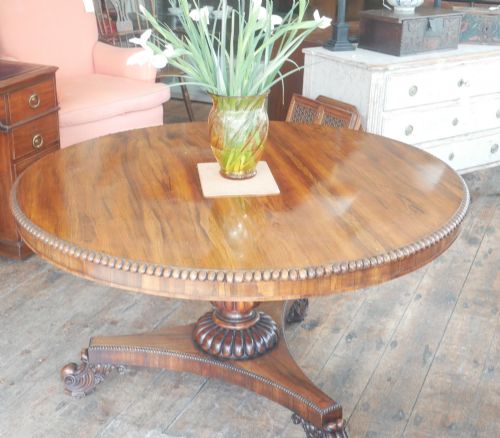
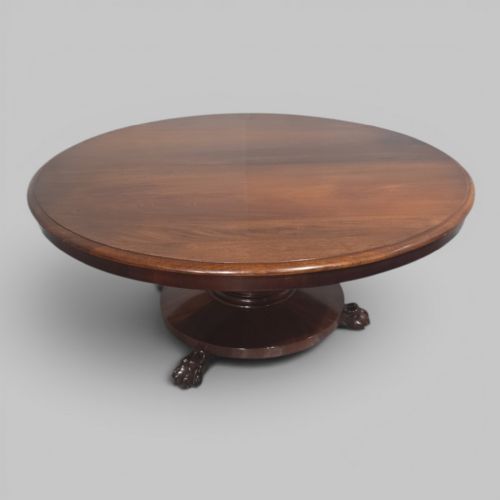
A regency style centre table sits in the middle of a room, finished on all sides so it has no front or back. These pieces appear in forms ranging from circular tops on pedestal bases to oval and occasional formats.
The evidence shows periods spanning the nineteenth century, the Victorian era, William IV, and nineteen twenty. Materials cover mahogany, cherrywood, ebonised hardwood, brass, and specimen marble.
Buyers meet circular, oval, and tilt top varieties. Styles span regency style, grand tour, and victorian interpretations.
How They Were Made
Maker construction relies on timbers including mahogany, cherrywood, and rosewood, often paired with wood veneer and ebonised wood. Blackened finishes and painted faux bamboo provide alternative surface treatments.
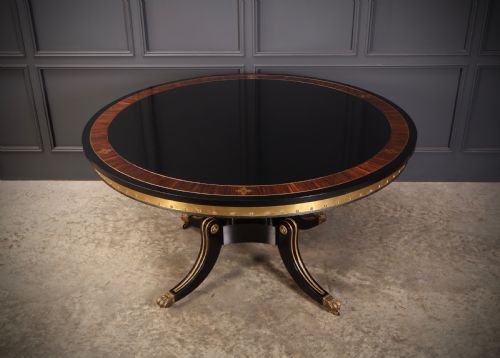
Decoration incorporates brass inlay, carving, and pietra dura birds specimen marble tops. These techniques demand precise hand skills to integrate stone, metal, and timber.
Retail Price Guide 2026
Typical UK retail prices for regency style centre table, calculated from the Sellingantiques database of over a million retail prices indexed since 2003. This retail price guide relies exclusively on Sellingantiques data; no external sources or auction records are used, so the figures do not describe the wider market.
Listings feature the nineteenth century, Victorian era, William IV, and nineteen twenty, constructed in mahogany, cherrywood, ebonised hardwood, brass, and marble.
What Varies in Quality
Quality rests on the ambition of the materials and the crispness of the execution. Plain timber surfaces rely entirely on grain selection, whilst brass inlay and pietra dura marble tops demand high technical mastery.
The integration of decorative elements dictates the visual weight. Fine carving and balanced proportions separate standard production from exceptional examples.
The Regency Style Centre Table Glossary
- Centre table
- A freestanding table designed to be viewed from all sides, traditionally placed in the middle of a room. These pieces function as decorative focal points.
- Pietra dura
- An artistic technique using cut and fitted polished coloured stones to create pictures or decorative panels. This work appears on high status marble table tops.
- Tilt top
- A table mechanism allowing the surface to fold vertically when not in use. This design saves floor space in smaller rooms.
- Ebonised
- Wood treated with a finish to imitate ebony. This dark surface creates a strong contrast with brass inlay.
Frequently Asked Questions
Where should I place a regency style centre table?
These tables belong in the middle of a room where they can be walked around and appreciated from every angle. Their finished backs and balanced pedestals make them ideal spatial anchors.
They function well in large hallways, libraries, or drawing rooms. Ensure there is enough clearance around the perimeter for easy movement.
How do I care for a marble top?
Marble and pietra dura surfaces require gentle cleaning with a soft, damp cloth and neutral soap. Avoid acidic cleaners that etch the polished stone.
Use coasters beneath glasses to prevent moisture rings. Regular dusting keeps the inlaid details clear without wearing the surface.
Can these tables be used for dining?
Certain examples, particularly larger circular or tilt top formats, served dining or occasional functions historically. Their stability depends on the pedestal or leg construction.
Check the height and knee clearance before using one for daily meals. Many serve better as display surfaces or writing desks.
What defines the grand tour style?
Grand tour pieces incorporate classical motifs, antique marbles, and pietra dura work collected by travellers during European journeys. These items reflect classical archaeology.
They bring an academic and worldly aesthetic into domestic spaces. The inclusion of specimen marble marks out these distinct iterations.