


Victorian Carved Centre Table
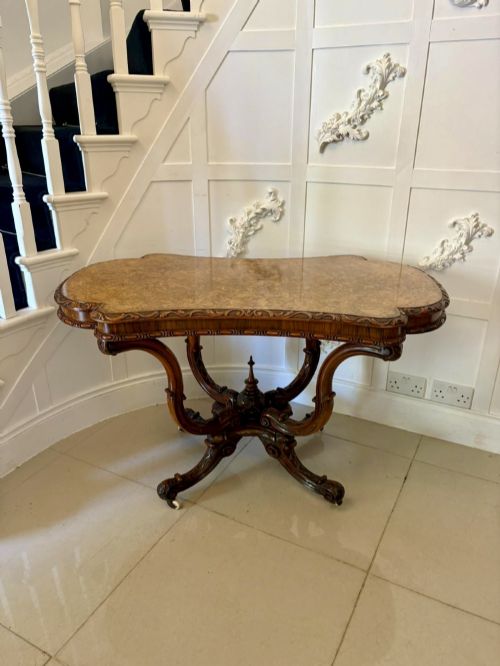
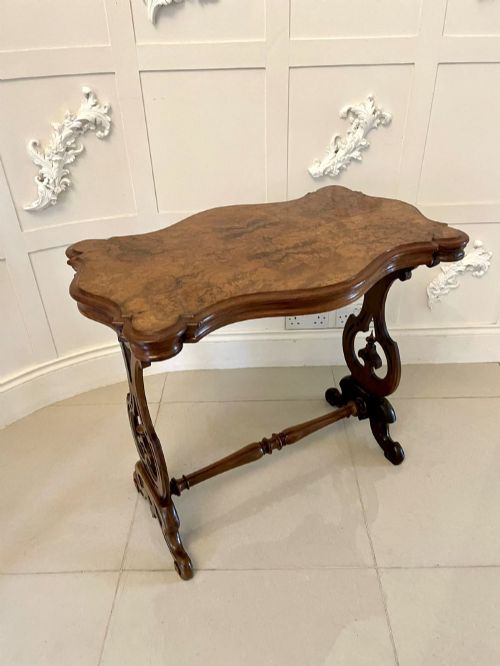
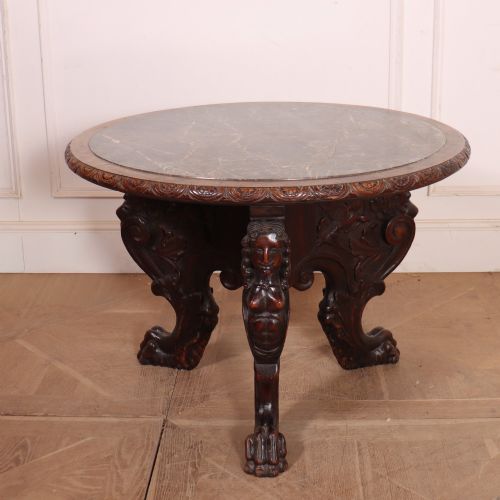
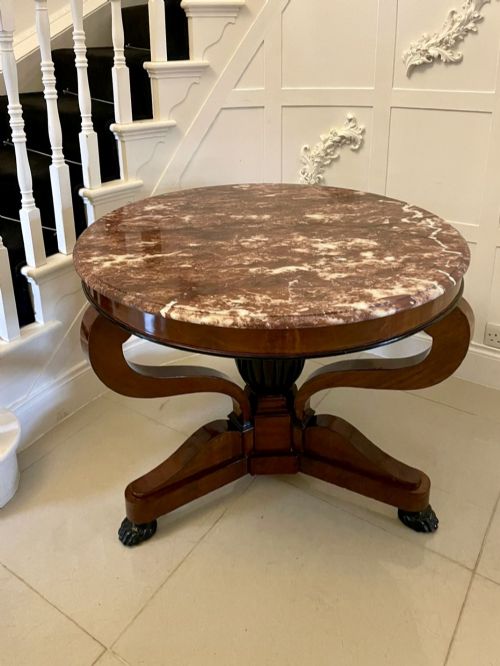
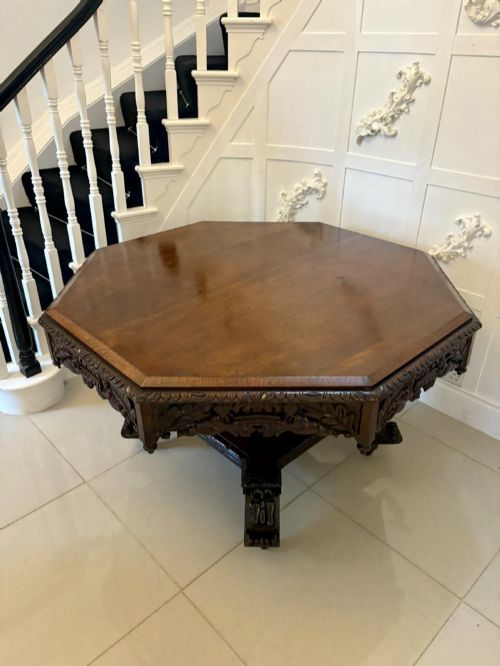
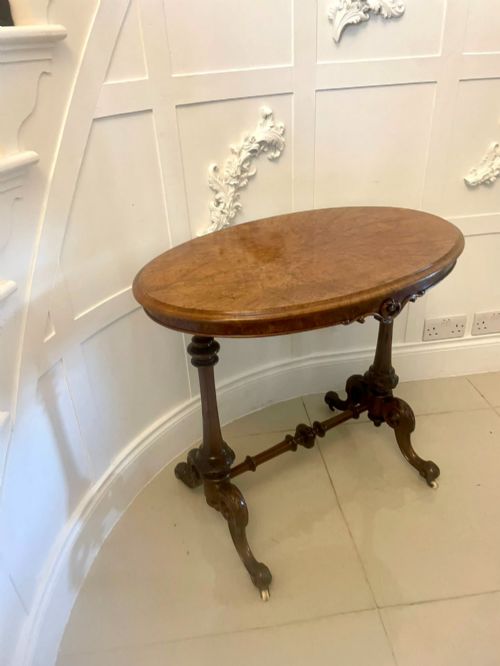
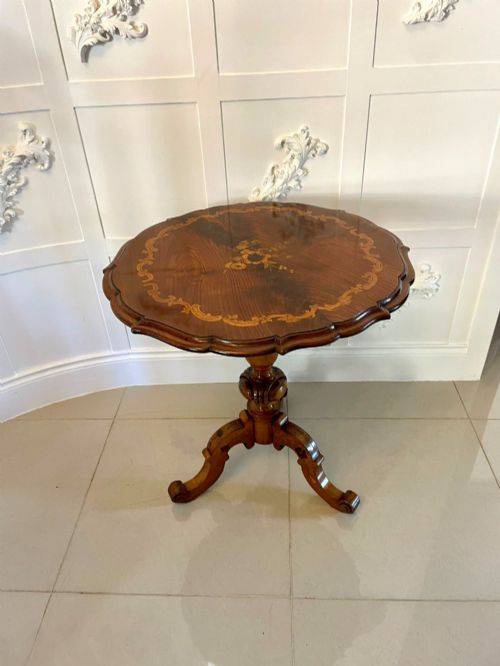
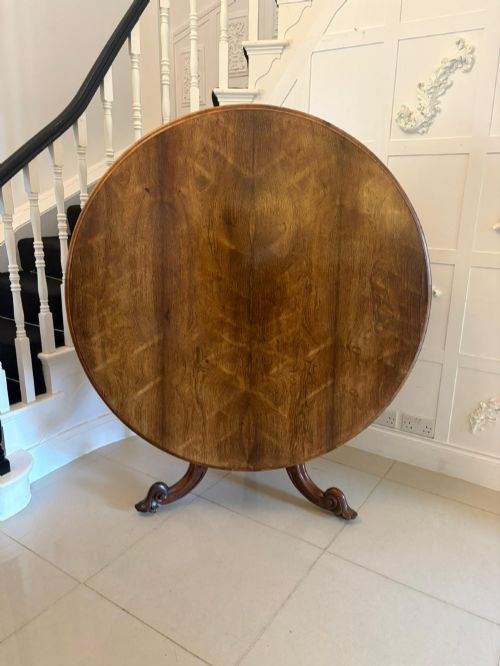
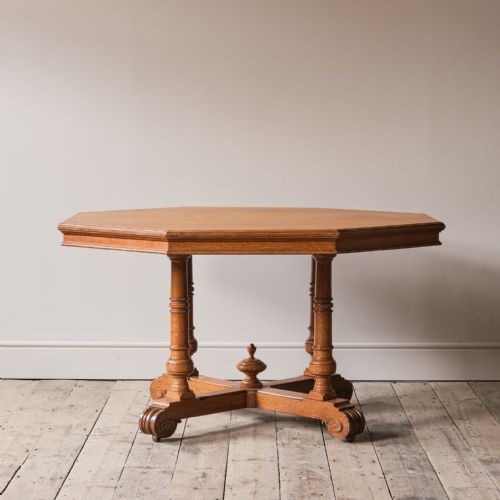
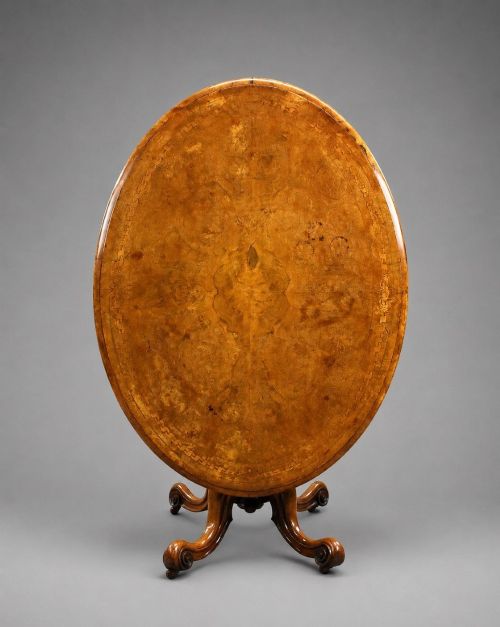
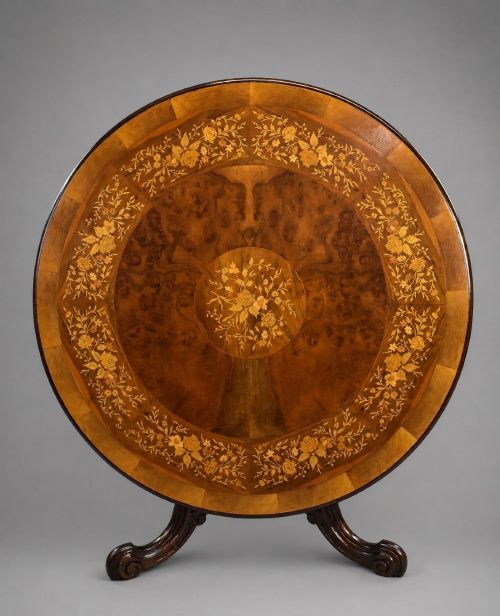
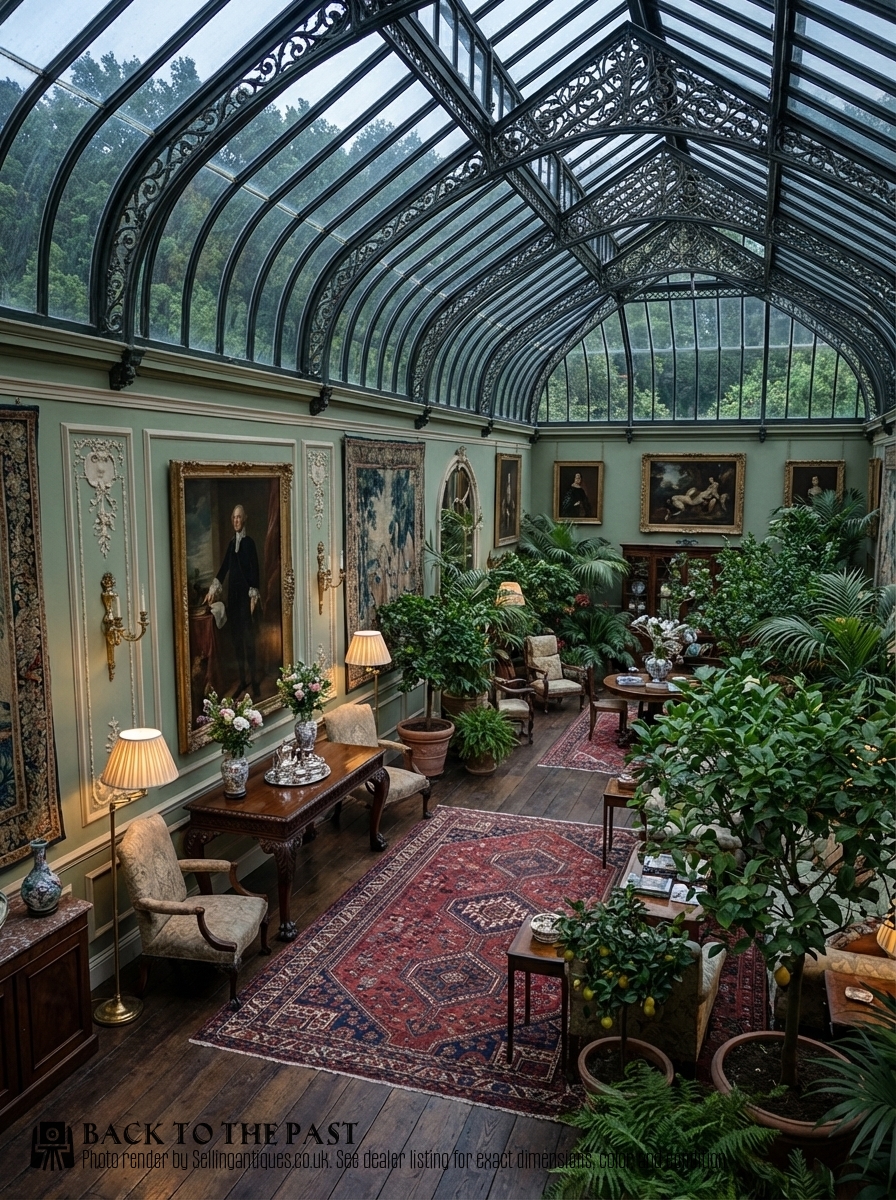
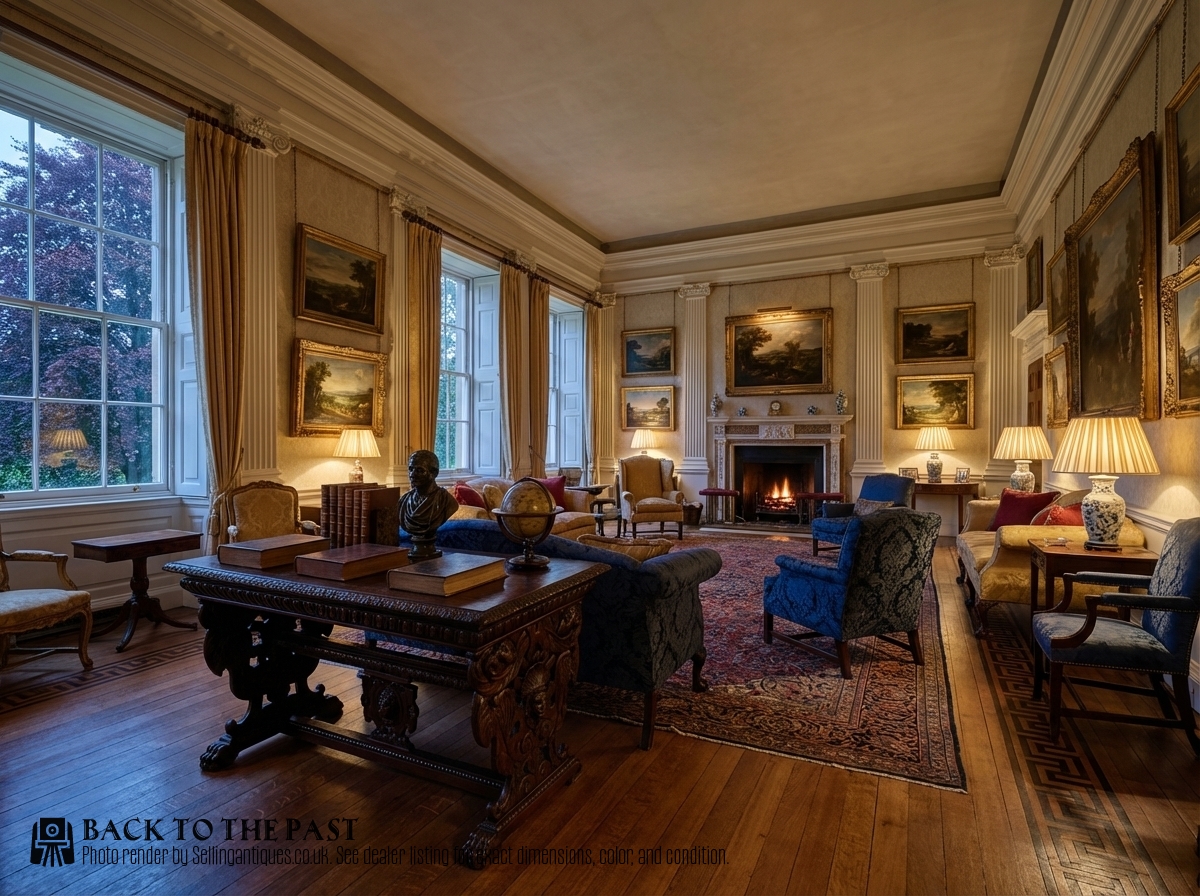
A victorian carved centre table stands freestanding in a room, bringing rich timber and confident carving to the middle of the floor.
What the pieces are
A victorian carved centre table is a freestanding piece designed to sit in the middle of a room rather than against a wall. These items appear in formats including standard library and dining forms, games tables, and serpentine shapes.
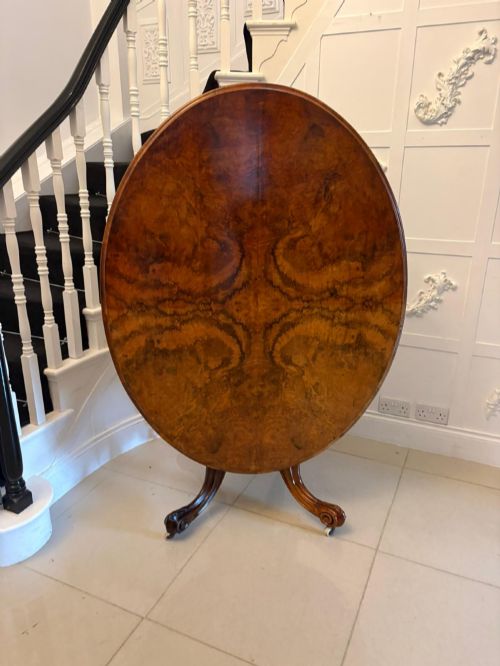
The material palette is broad, running from walnut and burr walnut veneer to mahogany, rosewood, oak, and ebonised hardwood. Most examples belong to the nineteenth century, with specific dates clustering around eighteen-sixty and eighteen-eighty.
Stylistic variations draw on mid-Victorian tastes, alongside Renaissance Revival, Victorian Rococo Revival, and occasional Gothic elements. They serve as functional surfaces that command attention from every angle in a space.
How they were made
Cabinet makers utilised dense native and imported timbers, applying burr walnut veneer and quarter veneering to create striking surface patterns. Solid figured walnut and tiger oak also form the primary structure of these tables.
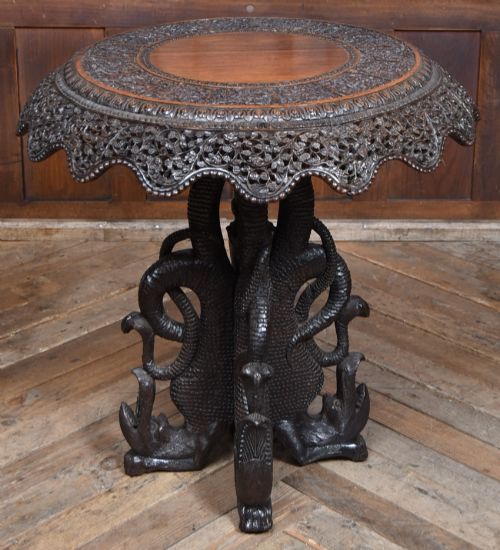
Carving defines the ornamentation, appearing on stretcher legs, bases, and edges with motifs such as dolphins and green man details. Brass fittings appear alongside occasional marble tops and alabaster components.
Retail Price Guide 2026
Typical UK retail prices for victorian carved centre table, calculated from the Sellingantiques database of over a million retail prices indexed since 2003. This retail price guide relies exclusively on Sellingantiques data; no external sources or auction records are used, so the figures do not describe the wider market.
Listings feature woods including walnut, mahogany, rosewood, oak, and ebonised hardwood, alongside brass elements and marble tops.
What varies in quality
Quality rests upon the depth and sharpness of the timber carving, distinguishing crisp hand-tooled execution from softer, massed production. The selection of timber grain, particularly in burr walnut veneer and figured walnut, dictates the visual impact of the top surface.
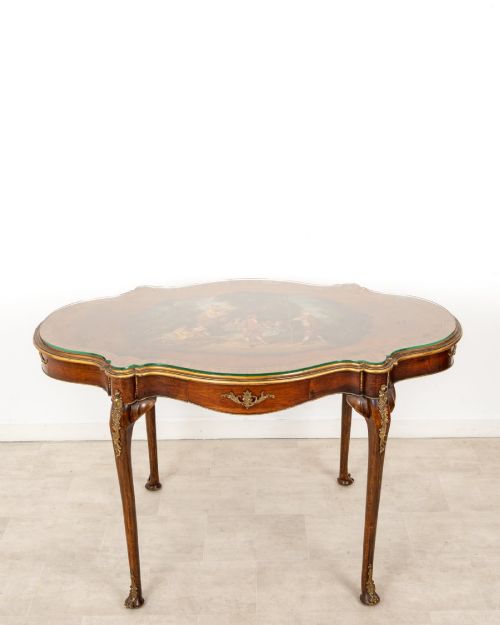
Structural ambition separates standard library formats from exhibition quality pieces with serpentine shapes, complex stretcher legs, and integrated games functions. The integration of marble tops or brass detailing further elevates specific examples.

The Victorian Carved Centre Table Glossary
- Centre table
- A freestanding table finished on all sides to sit in the middle of a room. These forms function independently of walls.
- Burr walnut veneer
- Thin slices of knotty walnut wood applied to a base timber to create complex grain patterns. This material is prized for its swirling figure.
- Stretcher legs
- Horizontal braces connecting the lower legs of a table for additional stability. They often carry elaborate carving.
- Serpentine shaped
- A curved edge profile resembling a snake's movement with alternating convex and concave lines. This form adds fluidity to cabinet work.
Frequently Asked Questions
Where should a centre table go?
These pieces require placement in the middle of a room to display their finished backs and freestanding form.
They serve well in large libraries, entrance halls, or principal reception spaces where movement surrounds them.
How do I identify a mid-Victorian piece?
Dating relies on recorded styles such as Renaissance Revival and Victorian Rococo Revival alongside specific timbers like burr walnut.
Cabinet construction methods and the presence of carved stretcher legs also point toward the nineteenth-century origins of these items.
Can these tables be used for dining?
Several listed examples combine centre and dining formats, offering sturdy timber construction suitable for regular use.
Larger oak and walnut versions provide ample surface area for gathering once positioned centrally.
What maintenance do timber surfaces need?
Routine care involves dusting with a dry cloth and avoiding direct sunlight to protect rosewood, mahogany, and walnut veneers.
Periodic application of suitable wax helps maintain the lustre of the polished hardwood.