



Yellow Marble Table
A yellow marble table brings warmth and rich veining into a room, combining tactile stone tops with timber or gilt bases.
Yellow Marble Table
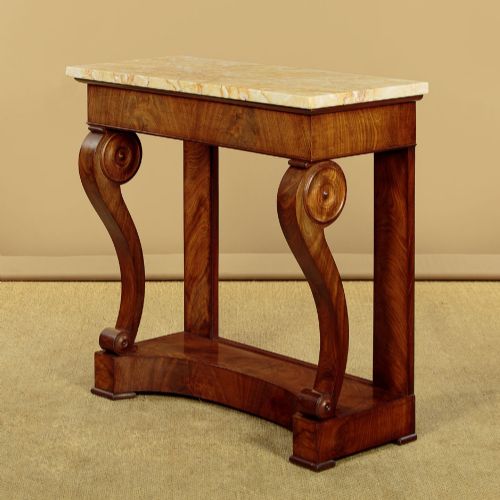
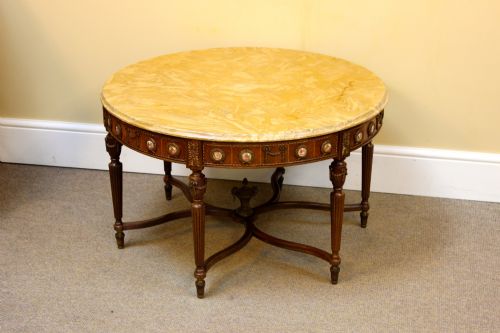
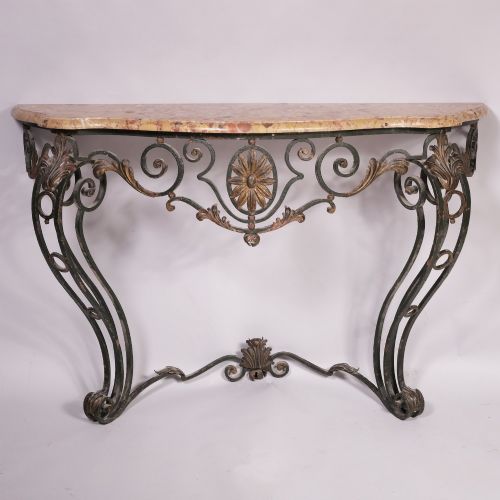
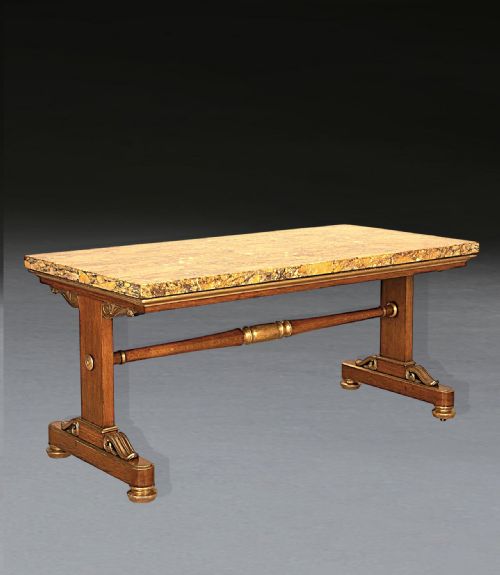
When you search for a yellow marble table, you encounter a distinct group of furniture items featuring striking yellow or Siena marble surfaces paired with materials such as mahogany, oak, bronze, and giltwood. These pieces range from compact coffee tables and side tables to grand centre tables and console tables dating across the nineteenth and twentieth centuries.
The selection on this page demonstrates various historical expressions, including Regency, French Empire, Victorian, Edwardian, and Art Deco designs. Console and centre tables dominate the larger forms, whilst smaller side tables and coffee tables offer accessible ways to introduce yellow marble into domestic interiors.
What varies in quality
The calibre of a yellow marble table depends upon the depth of colour and intensity of veining in the stone top, alongside the crispness of the carving in the timber or bronze base. Superior examples exhibit finely figured marble surfaces securely fitted to structurally sound frames with detailed mounts or joinery.
Proportion and execution distinguish finer specimens from simpler utilitarian items, particularly where ormolu mounts, giltwood carvings, or scagliola work are concerned. The integration between the heavy marble slab and the supporting legs determines the overall stability and presence of the piece.
Bronze putti occasionally sit on rocks near these tables, watching over centuries of domestic life.
Henry Berkeley Square London·Gillion
The Yellow Marble Table Glossary
- Sienna marble
- A rich yellow decorative marble quarried in Italy, characterised by deep ochre tones and dark branching veins. It was widely utilised in fine tables, clocks, and architectural ornaments during the eighteenth and nineteenth centuries.
- Console table
- A wall-mounted or freestanding table designed to stand against a vertical surface, frequently featuring an elaborate base and a marble top. These pieces often served decorative roles in formal reception rooms.
- Centre table
- A freestanding table designed to be viewed from all sides, placed in the middle of a room rather than against a wall. They frequently incorporate substantial stone or timber tops.
- Scagliola
- A composite material made from pigmented selenite, glue, and plasters, applied to mimic the appearance of inlaid marble. Artisans polished the surface to achieve a stone-like finish.
- Giltwood
- Timber that has been coated with a thin layer of gold leaf or gold paint. This finish appears frequently on the decorative frames of Regency and Victorian tables.
Yellow Marble Table: Frequently Asked Questions
How do I clean a yellow marble table?
Clean the surface using a soft cloth dampened with warm water and a mild, neutral soap. Avoid acidic cleaners, vinegar, or harsh abrasives, which can etch and dull the polished stone.
Dry the marble thoroughly after wiping to prevent water spots. Spills should be blotted immediately to protect the porous stone from staining.
Where should I place a centre table?
A centre table works best in the middle of a spacious room where people can walk around it freely. It serves as a natural focal point for displaying decorative objects or lighting.
Ensure there is adequate clearance between the table and surrounding seating or walls. This placement showcases the detailed finish visible on all sides of the piece.
How do I identify the period of a table?
Examine the construction methods, secondary timbers, and stylistic motifs present in the base. Regency and Victorian pieces often display distinct classical revivals, whilst later Edwardian and Art Deco examples feature streamlined or simplified forms.
Compare the hardware, mounts, and general wear to known examples from the nineteenth and twentieth centuries. The integration of the marble top and the edge profile also provide chronological clues.