
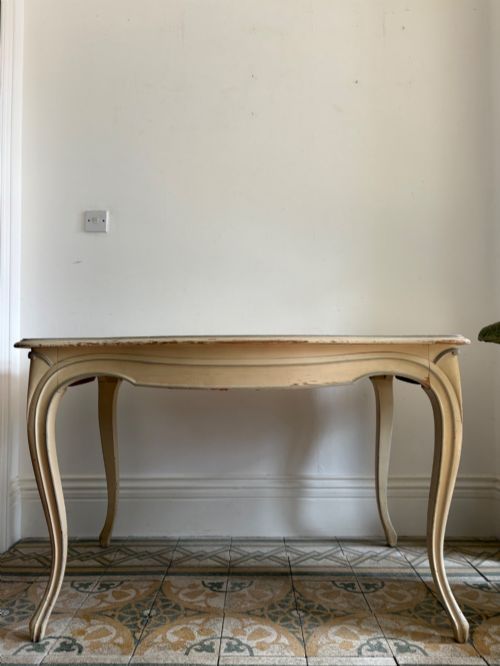
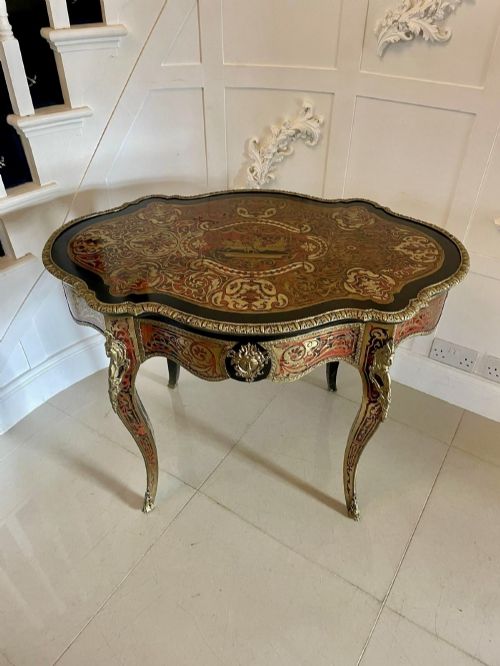
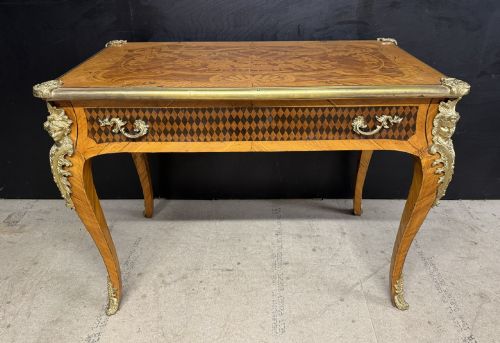
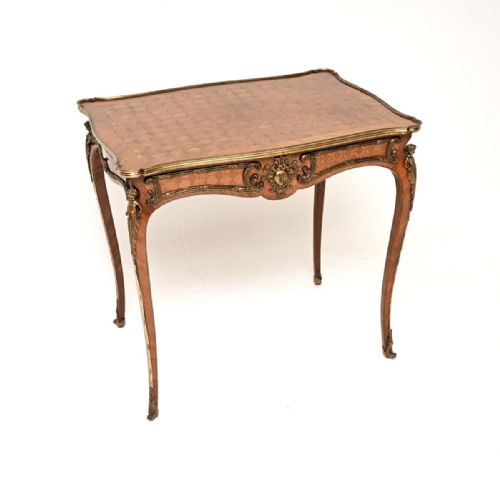
Louis XV Console
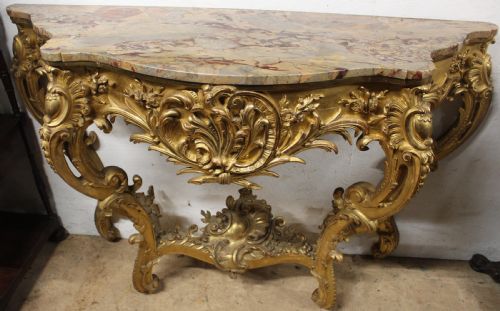
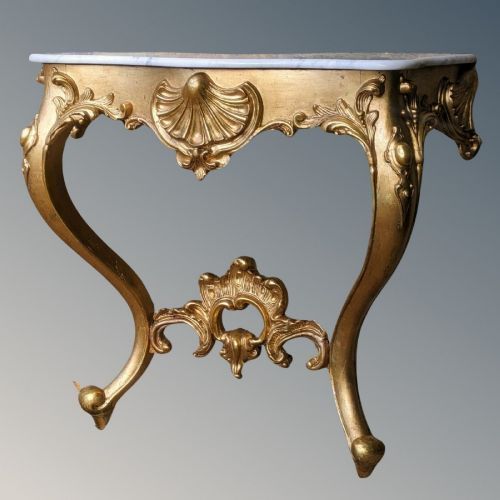
A louis xv console brings curved lines and decorative carving into a room, serving as a functional table or a decorative focal point.
Louis XV Console
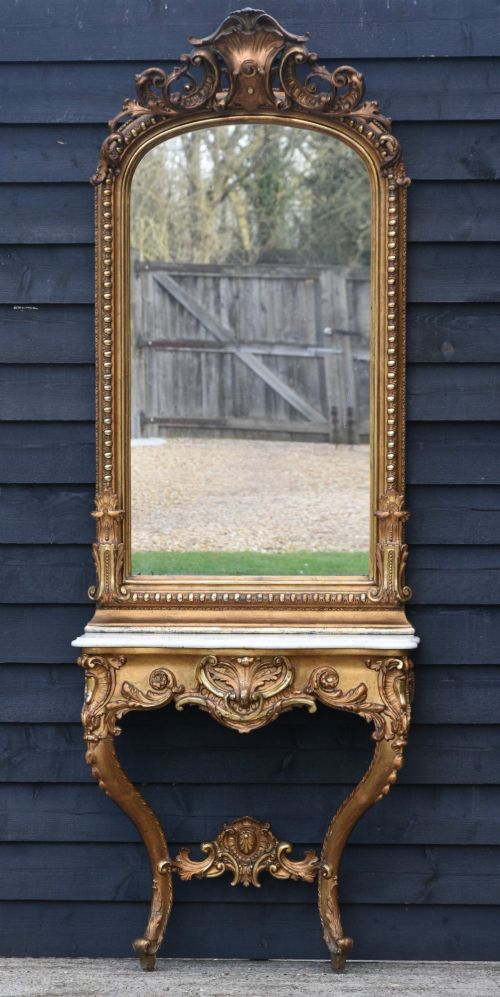
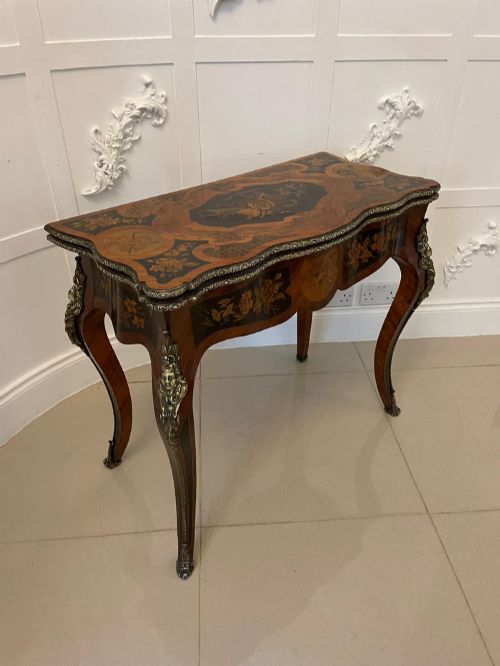
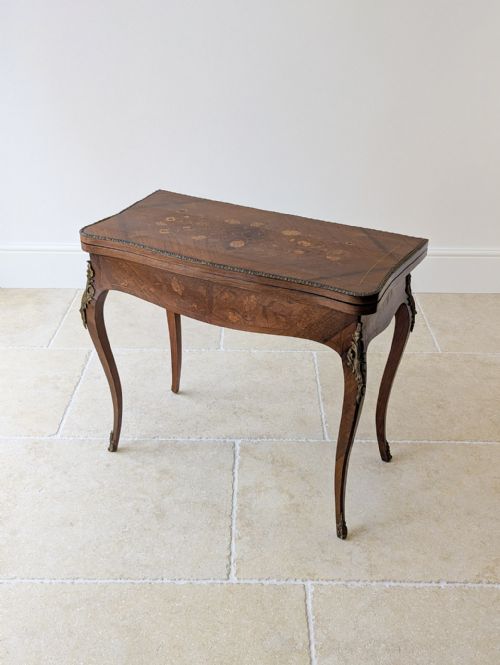
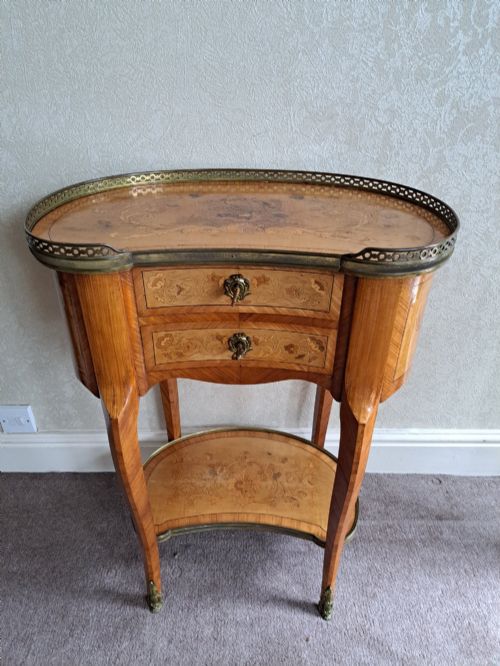
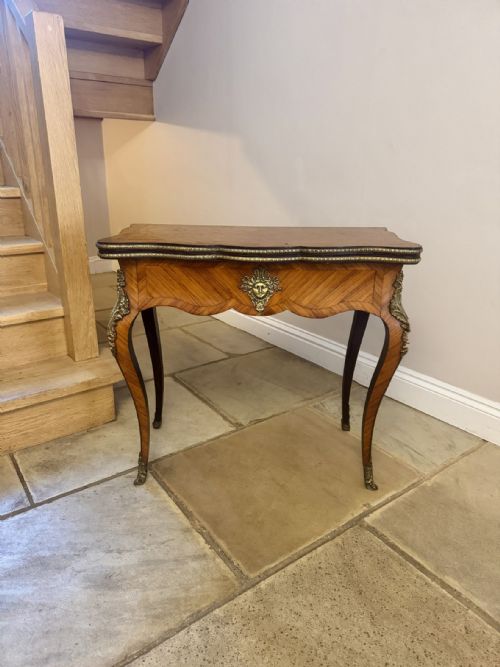
When searching for a louis xv console, buyers encounter pieces from the nineteenth century alongside later revivals, reflecting the enduring popularity of French Rococo design. These furnishings appear primarily as wall tables, often paired with matching pier mirrors, but the category also encompasses versatile card tables, games tables, and writing desks.
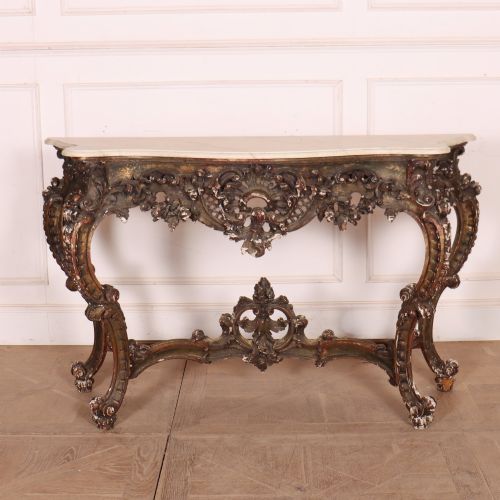
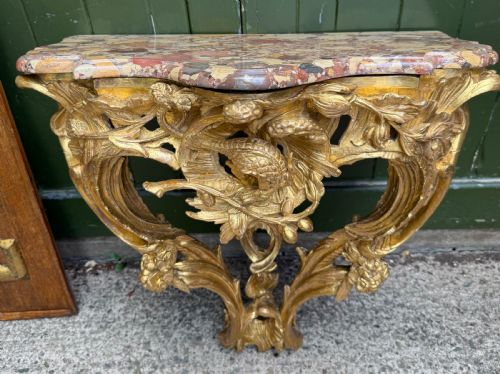
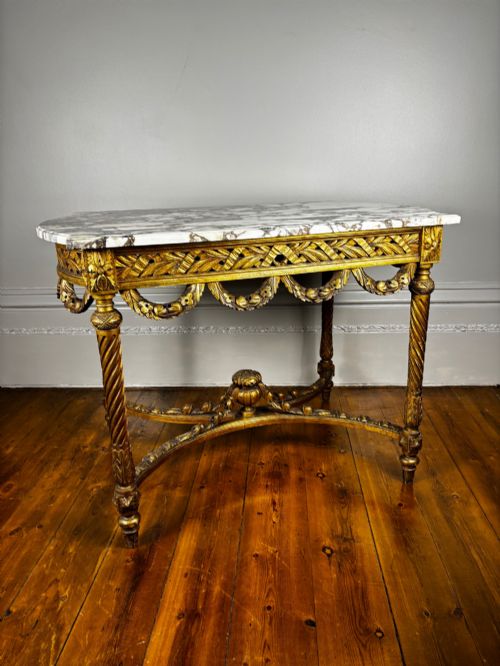
The dominant aesthetic draws heavily on French Provincial and Rococo Revival styles, characterised by serpentine fronts, cabriole legs, and asymmetric ornamentation. Walnut, kingwood, and giltwood form the structural foundation for many of these examples, frequently topped with figured marble slabs.
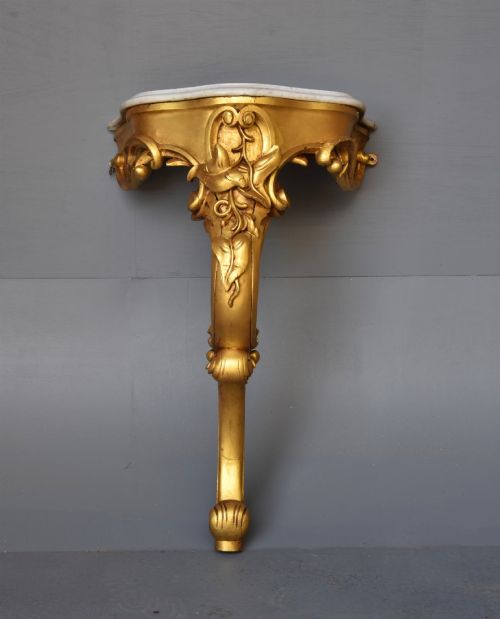
Makers working during the Victorian era and into the early twentieth century reinterpreted these forms with varying degrees of elaboration, producing everything from heavily carved giltwood showpieces to restrained walnut side tables. This diversity allows collectors to source items suitable for both grand reception rooms and compact domestic spaces.
Judging the quality of a louis xv console
The standard of carving differentiates standard production items from workshop masterpieces, with hand-carved depth and crispness indicating superior craftsmanship over shallow or cast composite ornamentation. Wood selection and veneer alignment across complex curved surfaces further reveal the skill of the original maker.
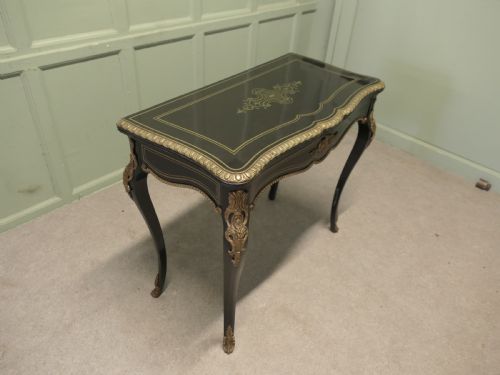
The weight and finish of the ormolu mounts signal grade, where finely chased bronze fittings demonstrate greater artistic investment than mass-produced brass alternatives. Additionally, the integration of original, well-matched marble slabs adds authenticity and textural depth to the finished object.
Louis XV Console Retail Price Guide 2026
Typical asking prices for louis xv console among the pieces listed under this phrase on Sellingantiques today, from the lower quarter to the upper quarter. They describe what is for sale here now, not the wider market.
Several games tables conceal hidden compartments behind their serpentine aprons, ready to swallow stray counters and secret notes.
G T Morant·François Linke·Maison Millet·Joseph-Emmanuel Zwiener·H & L Epstein
The Louis XV Console Glossary
- Cabriole leg
- A furniture leg that curves outward at the knee and tapers inward toward the ankle, mimicking animal limbs. This form is fundamental to the Louis XV style.
- Ormolu
- Gilded bronze mounts applied to furniture for decoration. The technique involves treating metal with an amalgam of gold and mercury.
- Marquetry
- Decorative veneer work arranged in pictorial or geometric patterns using various coloured woods. Craftsmen cut thin sheets of wood to fit flush within a prepared ground.
- Serpentine front
- A furniture front that curves outward in the centre and inward toward the ends. It requires precise woodworking to follow the undulating line.
- Boulle work
- A form of marquetry utilising tortoiseshell and brass inlay, popularised in France. The technique creates a contrasting metallic and organic surface pattern.
Louis XV Console: Frequently Asked Questions
What is a louis xv console?
A louis xv console is a decorative wall table featuring curved cabriole legs, serpentine outlines, and intricate carved or veneered surfaces rooted in eighteenth-century French design.
These pieces typically sit flush against a wall, frequently accompanying a matching mirror, and function as both decorative statements and practical display surfaces.
How do you use a console table?
Console tables serve as narrow ledges in hallways, living rooms, and dining spaces to hold lamps, decorative objects, or correspondence.
Because many examples include folding tops or fitted drawers, they also adapt well to use as occasional writing desks or card tables.
Are these tables solid wood?
Construction varies, with structural frames generally utilising solid hardwoods like oak, walnut, or cherry for strength.
Decorative exterior surfaces often feature fine timber veneers such as kingwood and tulipwood applied over a stable secondary wood core.
How do I identify revival pieces?
Nineteenth-century revival pieces adopt the curves and motifs of the original French court style but exhibit nineteenth-century timber preparation and hardware construction.
Examining the secondary woods, screw types, and mounting techniques helps distinguish nineteenth-century interpretations from eighteenth-century originals.