




Golden Satinwood Drawers
Golden satinwood drawers bring a pale, luminous warmth to period rooms through finely figured timber and careful craftsmanship.
Golden Satinwood Drawers
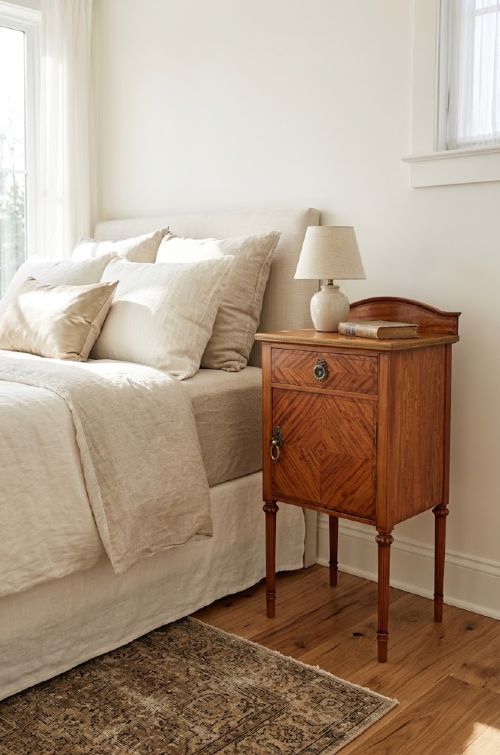
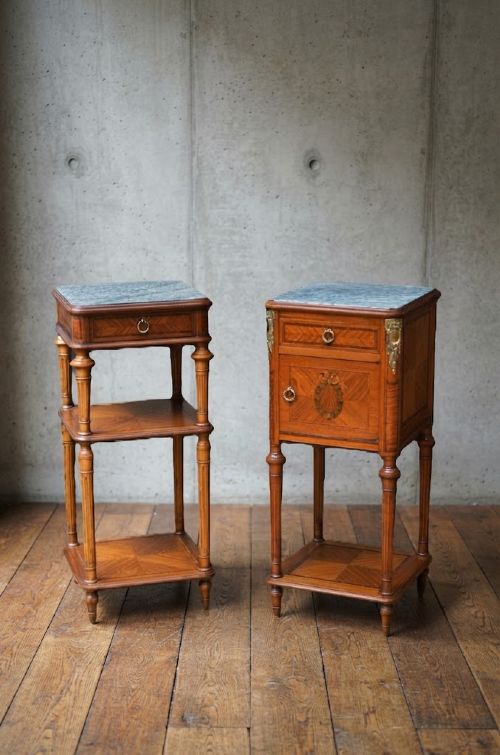
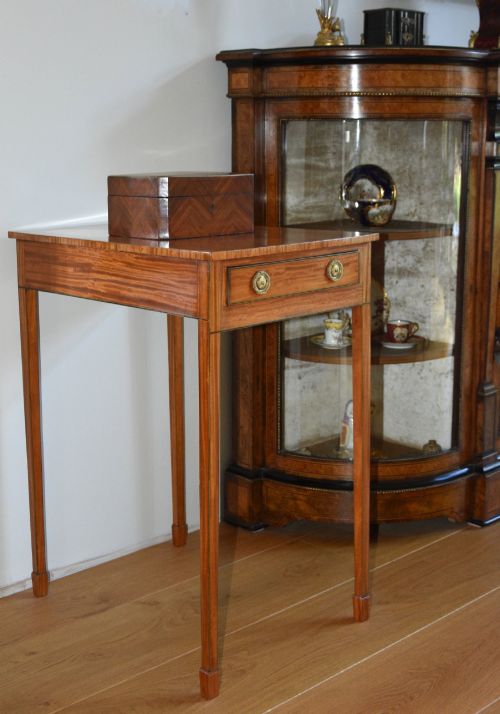
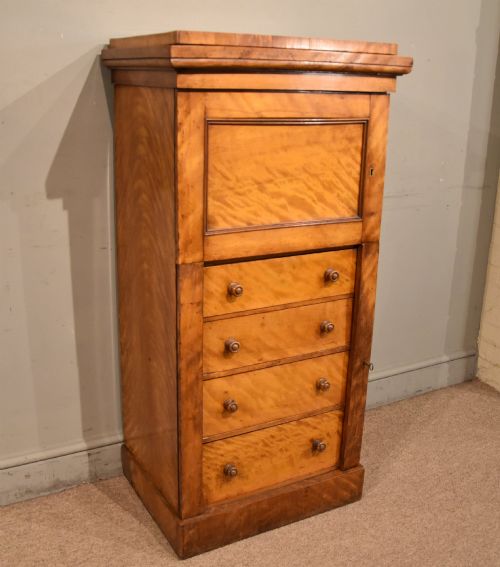
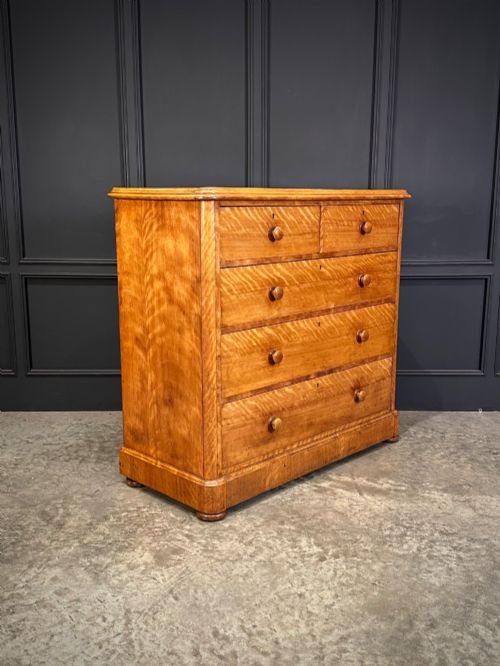
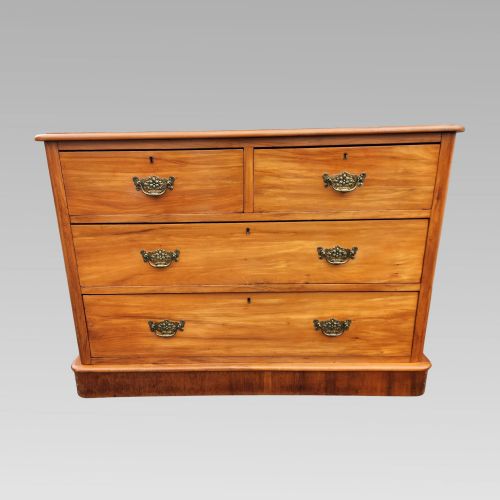
Golden satinwood drawers appear predominantly within chests of drawers, bedside cabinets, and writing desks dating from the eighteenth century through to the Edwardian period. Buyers searching for golden satinwood drawers encounter pieces spanning George III elegance, Regency proportion, and the lighter revivals of the Edwardian era.
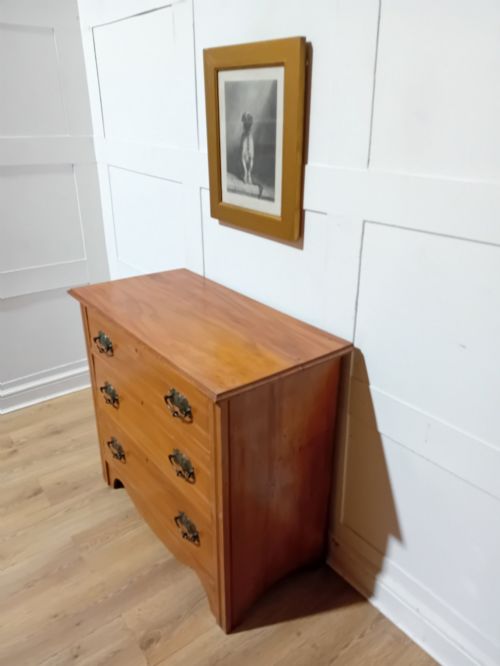
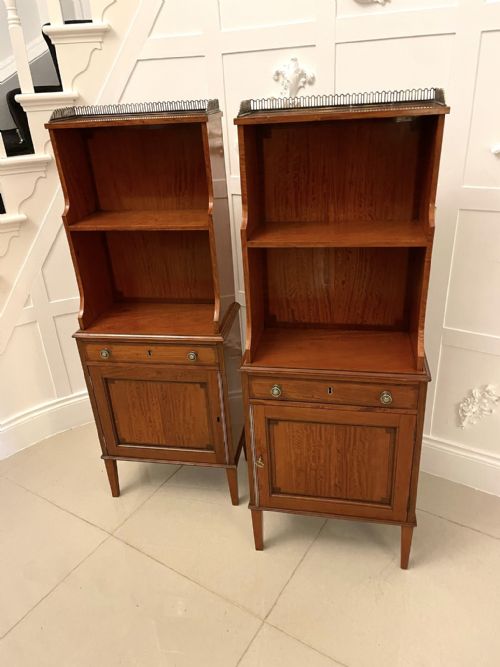
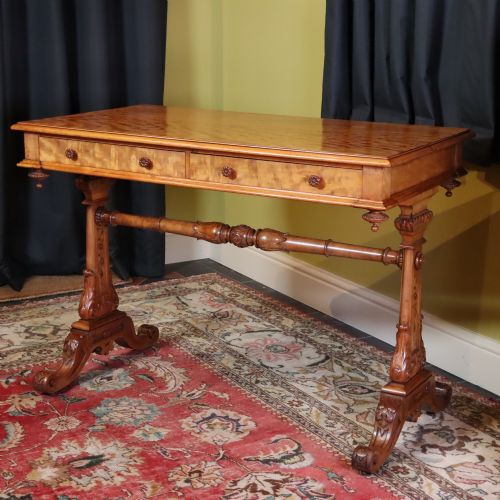
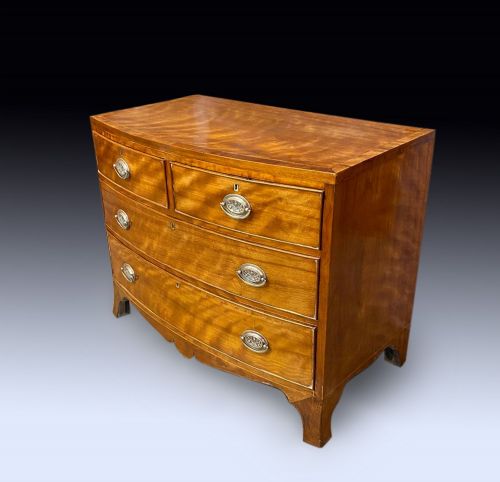
The selections on this page encompass various forms where drawer storage meets this specific timber, ranging from tallboys and serpentine commodes to compact bedside tables and fitted desks. Chests of drawers remain the most common form, often displaying bow-fronted or serpentine profiles that catch the light across the grain.
Origins stretch across English workshops as well as continental makers, utilising the distinctive sheen of satinwood alongside related timbers like satin birch and satin walnut. These pieces served domestic bedchambers, drawing rooms, and libraries, prized then as now for their bright decorative presence.
Factors of Quality
Quality rests in the intensity of the timber's figure and the precision of the cabinet work, particularly where veneers meet on curved surfaces like serpentine or bow fronts. Finer pieces demonstrate careful timber selection that creates a consistent, luminous golden depth across the entire piece.
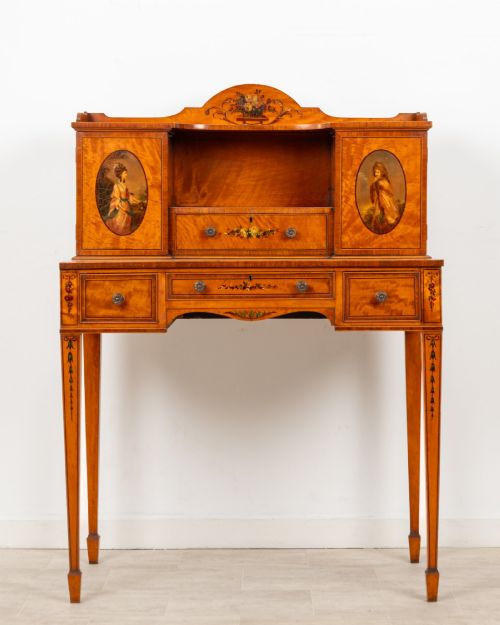
The integrity of the construction, from original brass hardware to well-fitted, oak-lined drawers that run smoothly, separates standard production from exceptional examples. Detail work such as delicate crossbanding, hand-painted embellishments, and crisp proportion elevates a piece within its period.
Listings for golden satinwood drawers span the eighteenth, nineteenth, and early twentieth centuries, encompassing Georgian, Regency, Victorian, and Edwardian periods.
Harris Lebus of Tottenham·Gillows·Heals
The Golden Satinwood Drawers Glossary
- Satinwood
- A dense, lustrous tropical timber known for its pale golden colour and reflective, satiny grain. It became highly fashionable in English cabinet making during the late eighteenth century.
- Bow front
- A convex, curved front profile popular on chests of drawers and commodes from the Georgian and Regency periods. This shape showcases the grain of figured timbers effectively.
- Serpentine
- A gently undulating furniture front featuring a concave centre flanked by convex curves. It demands high skill from the cabinet maker, particularly when veneered in satinwood.
- Crossbanding
- A decorative border technique where small strips of wood veneer are laid perpendicular to the main grain. It frames drawer fronts and tabletops in contrasting timbers.
- Carlton House desk
- A form of writing desk featuring a fitted superstructure of small drawers and compartments arranged in a curved tier. They frequently appear in satinwood with fine inlay.
Golden Satinwood Drawers: Frequently Asked Questions
How do I care for satinwood furniture?
Keep golden satinwood drawers out of direct sunlight to prevent the timber from darkening or fading unevenly over time. Dust gently with a dry, soft cloth and avoid liquid polishes that can damage antique veneer.
Maintain a stable room temperature and humidity level to protect the wood and underlying construction from warping or splitting. Wax occasionally using a traditional furniture wax to nourish the surface.
Are these pieces made of solid satinwood?
Most pieces combine satinwood veneers applied over secondary woods such as mahogany, pine, or oak. Veneering allowed cabinet makers to display the most highly figured grain patterns across large surfaces.
Solid satinwood does occur on certain smaller items or specific components, but veneer was the standard practice for larger carcasses and drawer fronts. This technique ensures stability while providing a decorative exterior.
How do I distinguish George III from Edwardian pieces?
George III pieces date from the late eighteenth century and generally exhibit heavier structural integrity, hand-cut dovetails, and restrained, classic proportions. The timber patination on these older items shows deeper warmth and age through the polish.
Edwardian pieces often reflect the Sheraton Revival style, frequently incorporating painted floral swags, lighter frames, and sometimes machine-made elements alongside traditional joinery. The satinwood on Edwardian items tends to retain a paler, brighter golden tone.
Where were these chests and desks used?
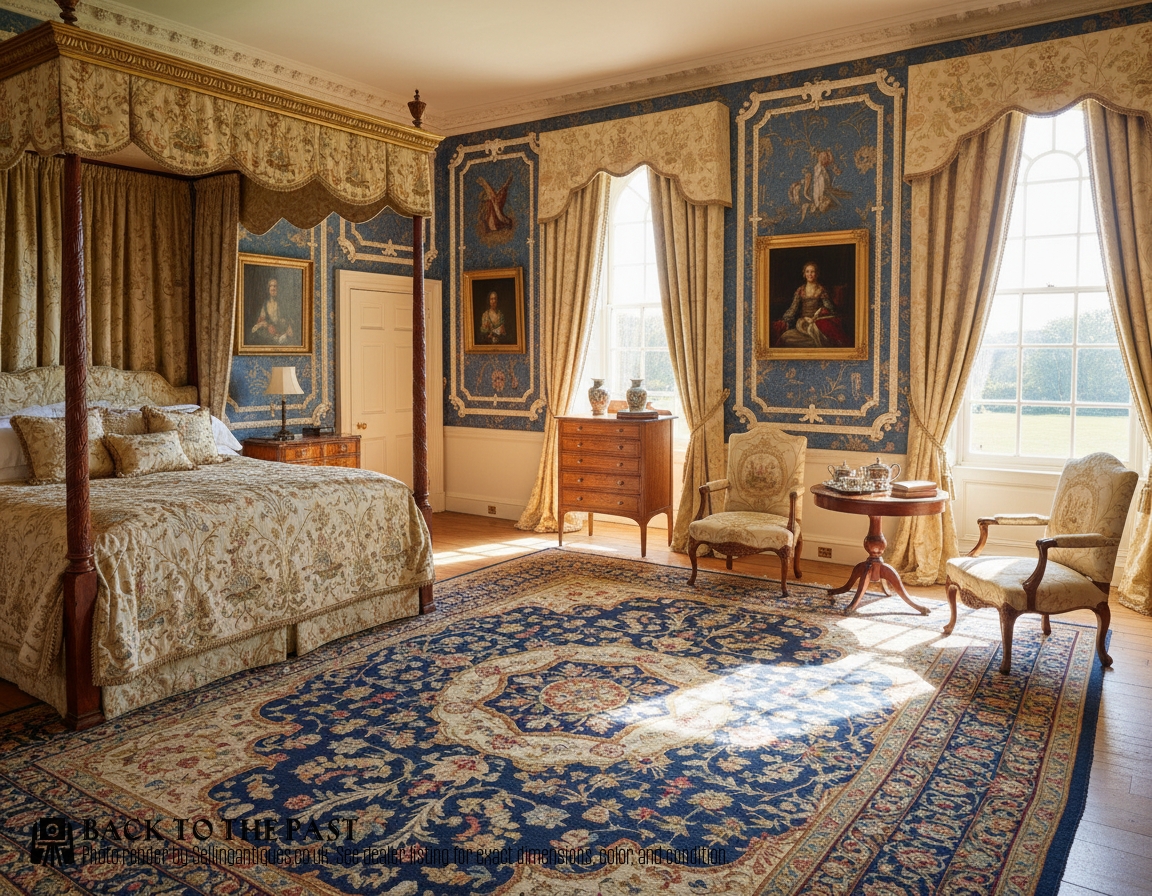
Golden satinwood drawers typically furnished the principal bedchambers, dressing rooms, and formal drawing rooms of grand houses. Smaller items like bedside cabinets and writing desks served private chambers and parlours.
Their bright, reflective finish made them particularly suited to rooms with limited natural light, adding a sense of space and elegance. Today they function equally well in modern interiors as statement storage pieces.