
Gold Pearl Clasp
A gold pearl clasp secures multi-strand necklaces and bracelets where the fastening mechanism is designed to be worn visibly at the front or side.
Gold Pearl Clasp
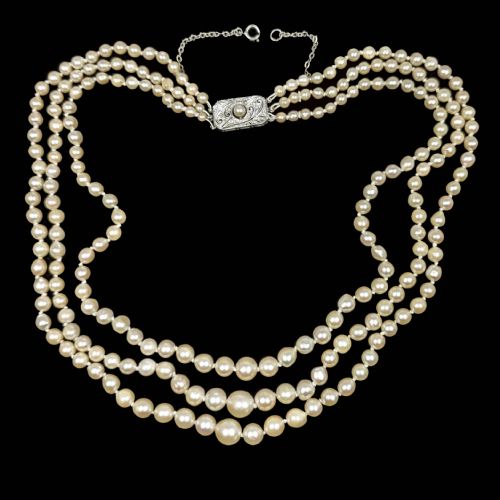
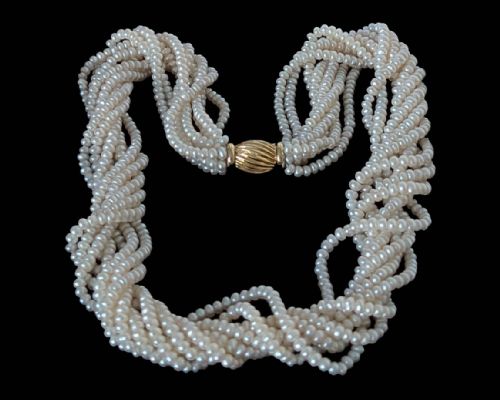
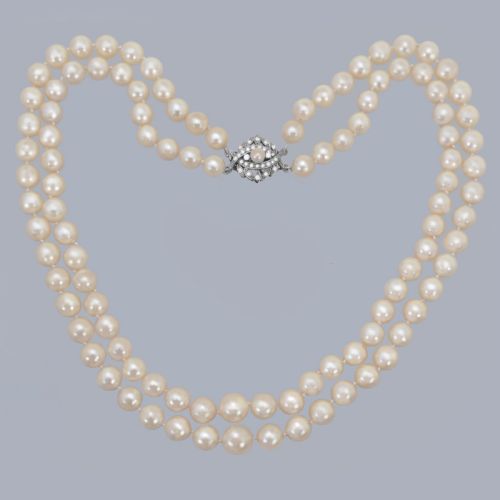
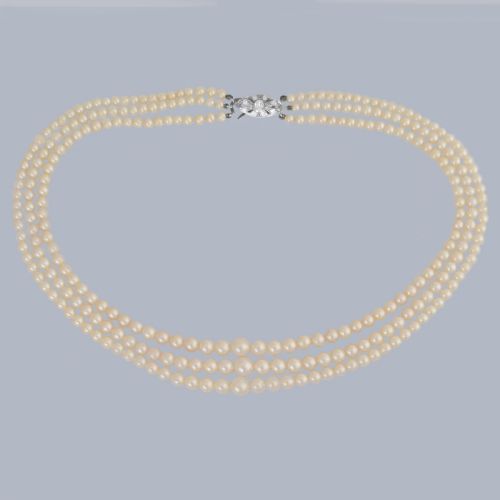
A gold pearl clasp functions as both the functional closure and a decorative centrepiece for multi-strand necklaces, chokers, and bracelets. Most examples encountered here date from the mid-twentieth century, specifically the 1950s and 1960s, alongside earlier Art Deco and Victorian pieces.
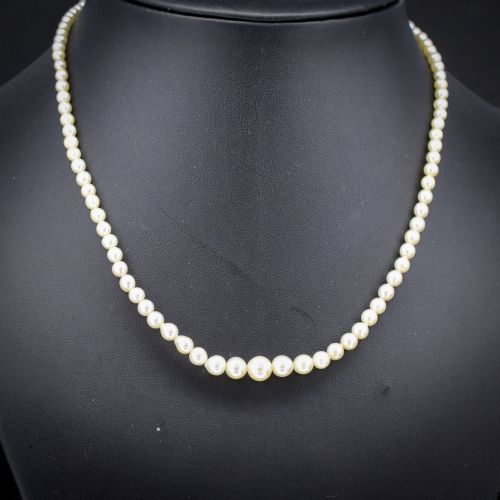
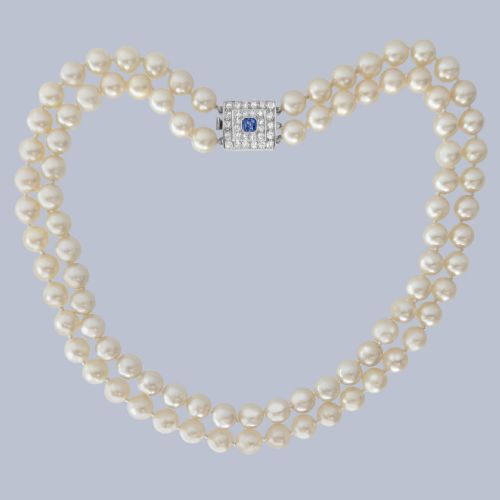
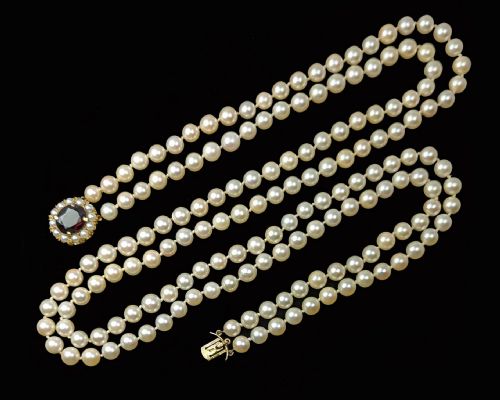
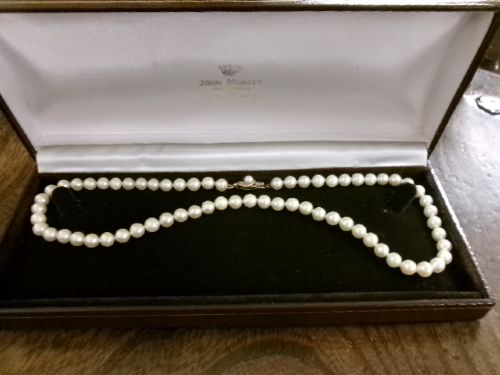
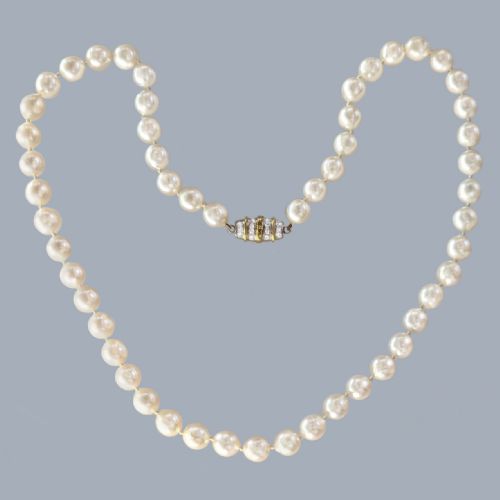
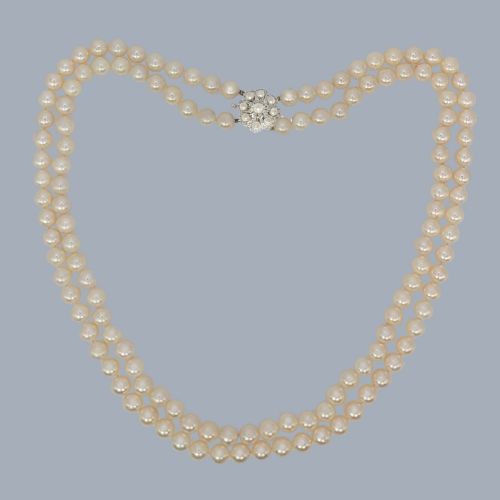
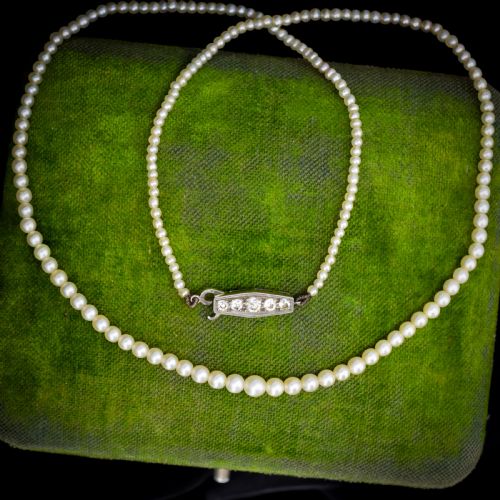
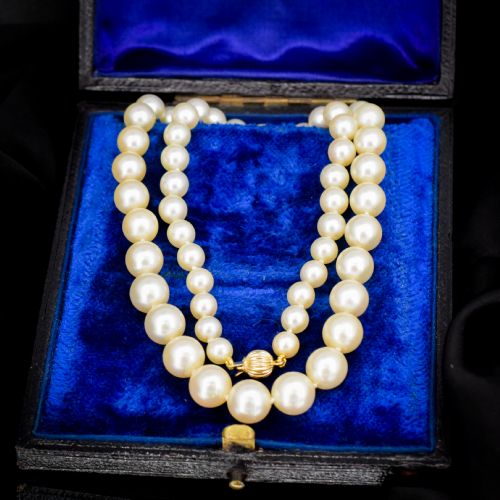
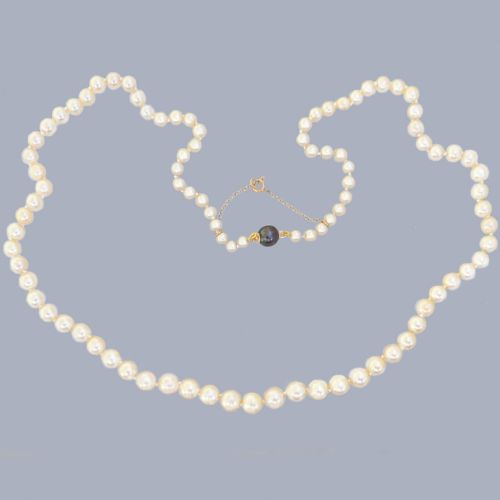
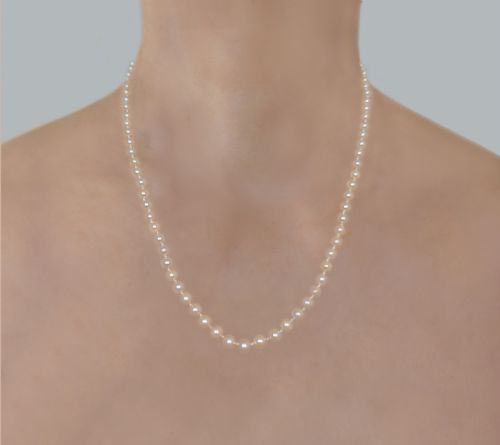
The primary forms on this page consist of cultured pearl strands ranging from single rows to complex multi-strand layouts, secured by gold clasps incorporating gemstones or integrated pearl clusters. These items combine the soft lustre of organic pearls with precious metalwork and assorted precious stones.
Constructed primarily as necklaces and bracelets, these pieces reflect a period when fine jewellery prioritised versatility and visible craftsmanship in hardware design. The secure mechanisms often feature decorative box clasps or floral cluster faces designed to complement the pearl strands.
How They Were Made
Craftsmen utilised 9ct and 18ct yellow and white gold, alongside platinum in select antique and Art Deco settings, to build the structural housings for these clasps. These metal frames securely mount diamonds, sapphires, garnets, amethysts, and turquoise alongside pearls.
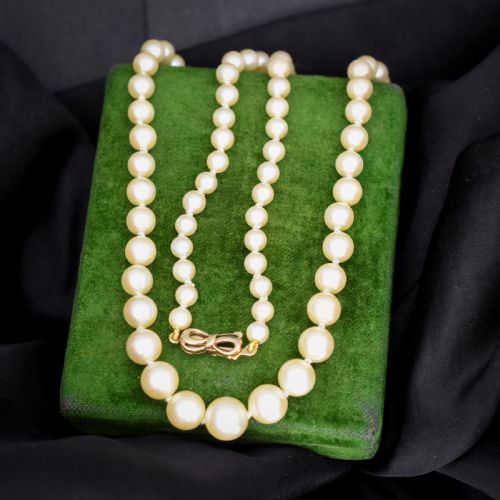
The pearls themselves encompass cultured saltwater varieties, freshwater seed pearls, and natural saltwater specimens, frequently hand-knotted on silk threads between individual beads. Jewellers integrated security catches, figure-eight safety clasps, and box fittings to ensure stability for multi-strand iterations.
Listings feature pearl clasps mounted in 9ct and 18ct gold, alongside platinum settings spanning the Victorian era to the 1960s.
What Varies in Quality
Quality depends heavily on the uniformity, lustre, and size of the pearls, as well as the complexity and material weight of the gold clasp mechanism. Pieces featuring certified natural saltwater pearls or high-grade diamonds set in substantial 18ct gold or platinum frames sit at the upper end of the spectrum.
Artisanal execution dictates the overall standard, visible in the precision of hand-knotting between pearls and the structural integrity of integrated gem-set box clasps. Maker attribution, such as work from established firms like Cropp and Farr or Garrard, further distinguishes exceptional examples.
Cropp and Farr·Garrard Crown Jewellers·Unoaerre Italy
The Gold Pearl Clasp Glossary
- Box clasp
- A secure fastening where a tapered tongue clicks into a decorative rectangular housing. This mechanism allows the outward-facing surface to display gemstones or pearls.
- Cultured pearl
- A pearl formed by the introduction of a nucleus into an oyster or mollusc by human intervention. These account for the majority of mid-century strands found on this page.
- Hand-knotted
- Individual pearls separated by hand-tied knots in the stringing thread. This technique prevents the pearls from rubbing together and preserves the strand if the cord breaks.
- Seed pearl
- Very small, naturally formed or cultured pearls historically used in delicate Victorian and Edwardian clusters. They create dense, textured surfaces on floral and geometric clasps.
- Sautoir
- A long, extra-length necklace that often incorporates a prominent clasp and may be looped multiple times around the neck.
Gold Pearl Clasp: Frequently Asked Questions
How should I wear a clasp necklace?
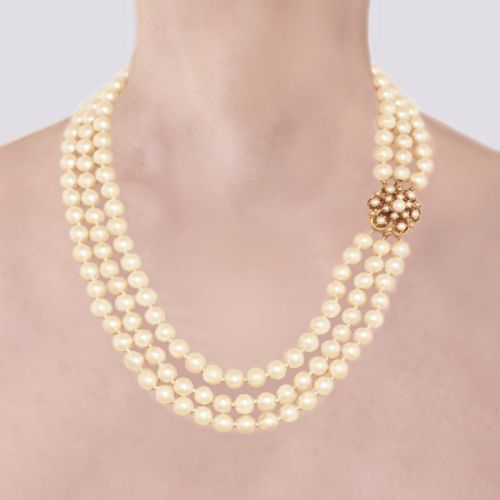
These pieces are designed so that the decorative gold and gemstone clasp can be worn visibly at the front or side of the neck rather than hidden at the nape. This highlights the craftsmanship of the metalwork and any accompanying diamonds or coloured stones.
Pairing a multi-strand choker or necklace with evening wear or open necklines allows the clasp to serve as the primary focal point of the jewellery.
Were these clasps always worn at the front?
While many mid-century designs featured ornate floral or gem-set faces intended to be displayed prominently, others were traditional fastenings meant to rest discreetly at the back of the neck.
Examining the orientation of the stones and the placement of safety catches helps determine whether the original maker intended the piece to be showcased as a pendant-style closure.
How do I care for pearl strands?
Pearls require gentle maintenance because organic nacre is sensitive to cosmetics, perfumes, and household chemicals. Putting the necklace on last and wiping the pearls with a soft cloth after wearing preserves their lustre.
Periodic inspection of the silk threads is essential, as professional re-stringing prevents sudden breakage on multi-strand configurations.
How do I distinguish 1950s pieces from older items?
Mid-century pieces from the 1950s and 1960s frequently utilise uniform cultured pearls combined with 9ct gold floral or cluster clasps set with garnets, sapphires, or diamonds. Hallmarks and assay office stamps provide definitive dating evidence for British-made items.
Earlier Art Deco and Victorian examples tend to feature platinum settings, geometric rose-cut diamond motifs, or fine seed pearl work constructed with distinct manual techniques.