


Single Strand Pearls
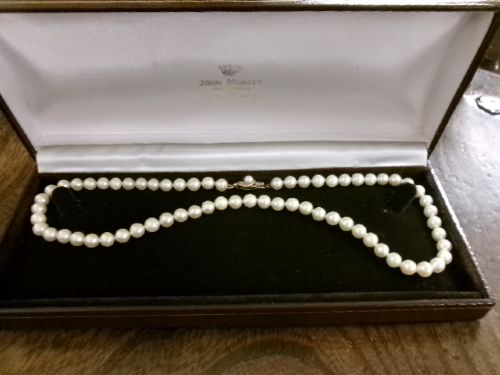
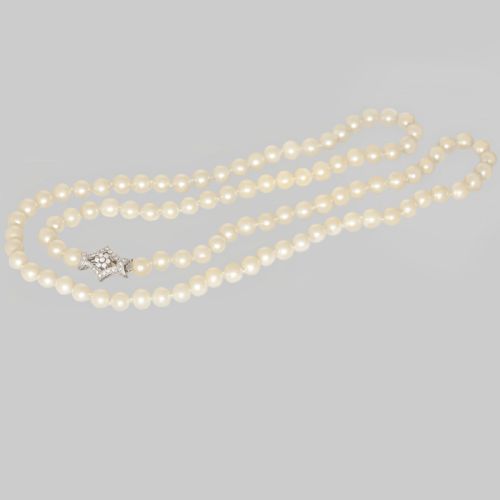
Single strand pearls are classic necklaces strung on silk with precious metal clasps, offering enduring elegance from eras spanning the Georgian period to the mid-century.
Single Strand Pearls
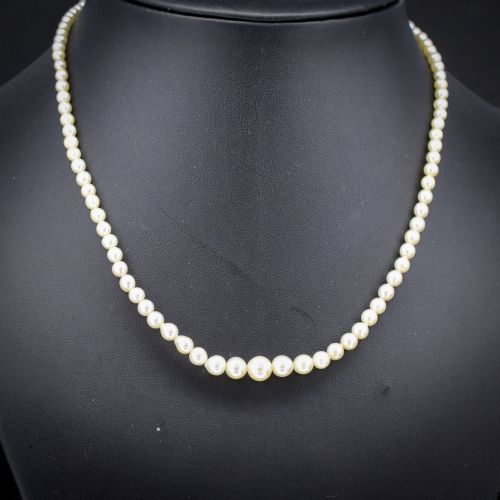
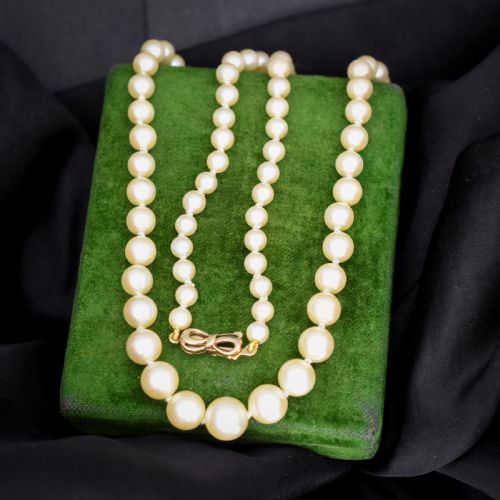
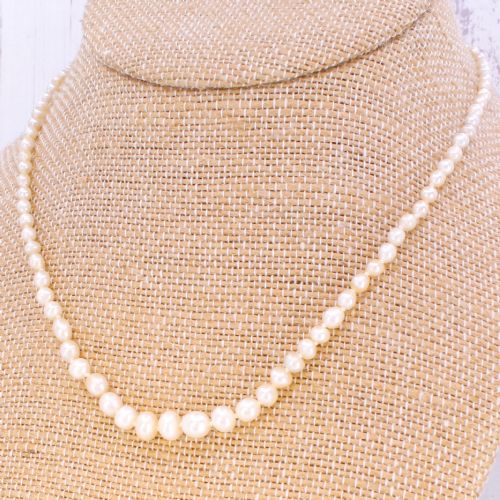
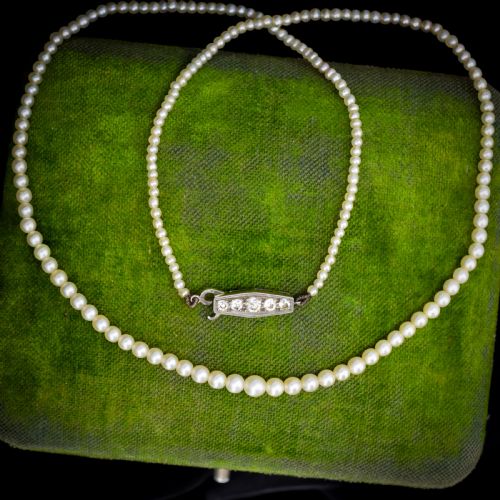
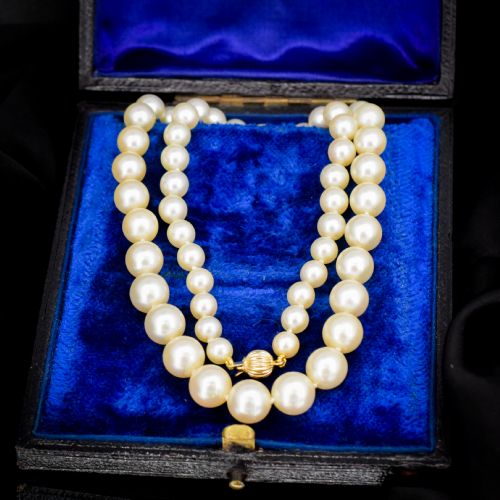
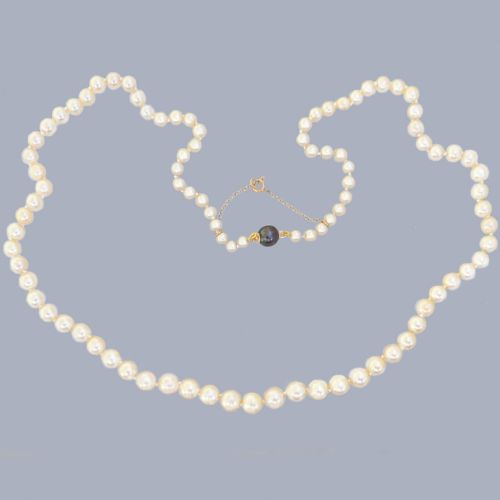
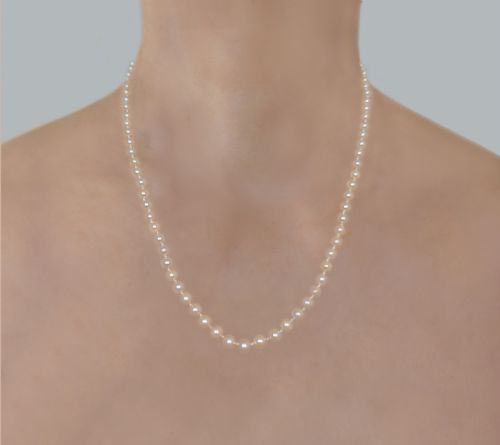
The form typically manifests as either a standard collar length or a longer rope configuration designed for versatility. These necklaces range from uniform bead dimensions to graduated designs where the pearls increase in size toward the centre.
Origins stretch across various decades and regions, including French ateliers and Italian workshops. Buyers encounter both natural saltwater pearls and cultured varieties threaded securely upon silk.
How they were made
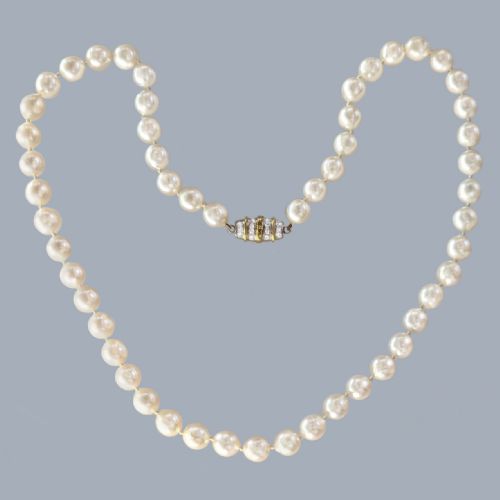
Gemstones such as diamonds, sapphires, rubies, and emeralds are frequently set into the metal clasps using traditional techniques like millegrain or prong settings. Cultured and natural saltwater pearls are selected for their lustre and symmetry before being drilled and assembled.
Single Strand Pearls Retail Price Guide 2026
Typical asking prices for single strand pearls among the pieces listed under this phrase on Sellingantiques today, from the lower quarter to the upper quarter. They describe what is for sale here now, not the wider market.
Some clasps double as detachable brooches, offering two ways to wear a single heirloom.
What varies in quality
Quality in these necklaces rests upon the lustre, surface cleanliness, and matching of the pearls themselves. Superior strands display an even orient, consistent nacre thickness, and minimal natural surface blemishes across the entire length.
The craftsmanship of the clasp also dictates the tier of the piece, distinguishing simple barrel closures from intricate platinum mountings set with old cut diamonds. Furthermore, the integrity of the silk threading and the precision of the knotting between each pearl indicate the standard of upkeep and original assembly.
The Single Strand Pearls Glossary
- Graduated
- A pearl necklace where the beads increase progressively in size from the clasp to the centre front. This traditional arrangement places the largest and most substantial pearls at the focal point.
- Silk
- The traditional natural fibre cord used for stringing pearl necklaces. It offers flexibility and softness that protects the drill holes of the pearls.
- Cultured pearl
- A pearl formed with human intervention by inserting a nucleus into an oyster or mollusc. They exhibit the same organic composition and lustre as natural pearls.
- Old cut diamond
- A vintage diamond facet style characterised by a smaller table, higher crown, and open culet. These stones are commonly found set into Edwardian and Art Deco clasps.
- Saltwater pearl
- Pearls harvested from molluscs living in marine environments, encompassing Tahitian and South Sea varieties. They are prized for their deep nacre and distinct orient.
Single Strand Pearls: Frequently Asked Questions
How do I care for single strand pearls?
Keep your necklace away from perfumes, cosmetics, and harsh chemicals that can damage the delicate nacre over time. Wipe the pearls gently with a soft cloth after wearing and store them flat in a lined box.
Periodically check the silk thread for fraying or stretching between the beads. Professional restringing every few years ensures the security of the strand.
Are these pearls natural or cultured?
The inventory comprises both cultured pearls and natural saltwater varieties originating from different historical periods. Edwardian and Georgian pieces more frequently feature natural saltwater pearls, while mid-century examples often showcase cultured pearls.
Certification reports frequently accompany specific pieces to verify their origin and nature. Examining the listings will confirm whether a piece has been tested and certified.
What lengths are available for these necklaces?
Lengths vary from traditional 16-inch and 17-inch choker styles that sit neatly on the collarbone to longer rope configurations exceeding 40 inches. Each listing specifies the exact linear measurement of the strand.
Shorter lengths suit formal attire and high necklines, whereas longer strands offer versatility for doubling or knotting. Choose a length based on your personal wardrobe requirements.
How can I date a pearl necklace?
Dating relies heavily on the style of the clasp, the metal used, and the mounting techniques employed. Art Deco pieces from the 1920s often feature geometric platinum or white gold clasps set with calibrated diamonds.
Mid-century examples from the 1950s and 1960s frequently utilise 9ct gold or 18ct gold with floral or cluster motifs. Hallmarks and accompanying gemological reports further assist in confirming the era of manufacture.