



Gold Metal Urns
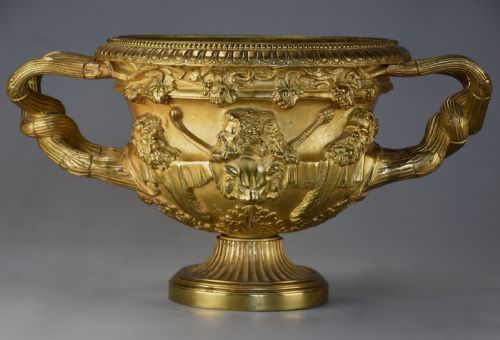
Gold metal urns bring classical proportion and rich metallic weight to a room, appearing in forms from Grand Tour souvenirs to French Empire vessels.
Gold Metal Urns
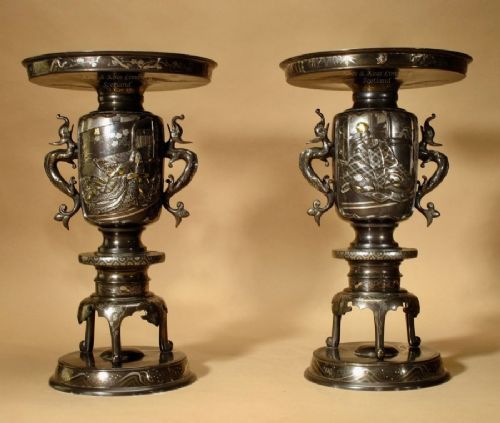
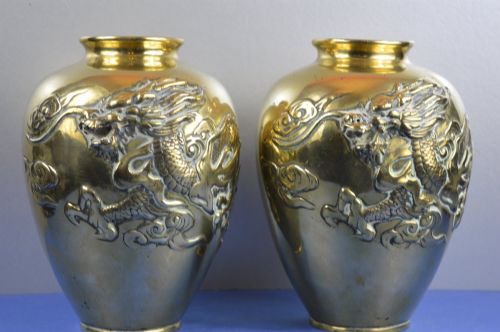
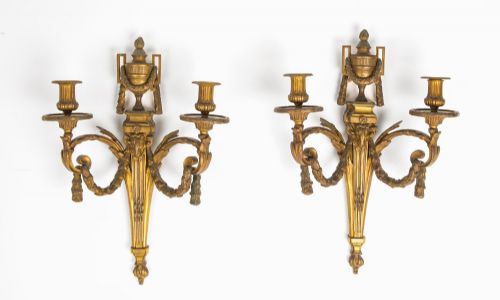
Gold metal urns encompass decorative vases, table lamps, and lidded vessels drawn predominantly from the nineteenth century. The selection leans heavily toward French and English interpretations of classical antiquity, alongside nineteenth-century Asian bronzes and brass planters.
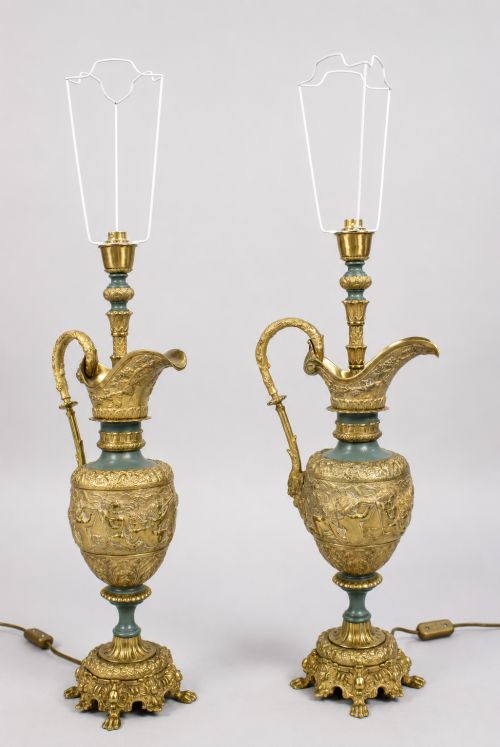
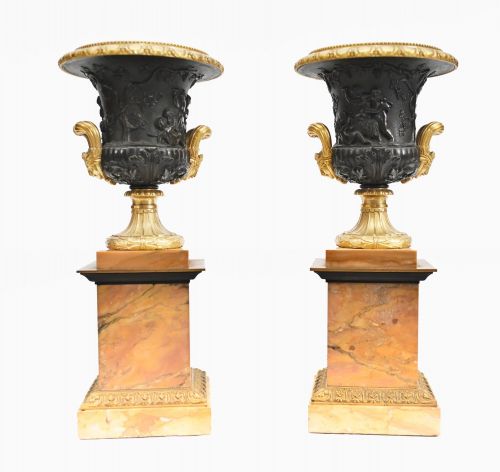
Buyers encounter campana shapes, ewer-form lamps, and classical cassolettes rooted in Neoclassical, Louis XVI, and Victorian design. These objects function equally as tabletop centerpieces and converted lighting, retaining their architectural silhouettes across centuries.
How they were made
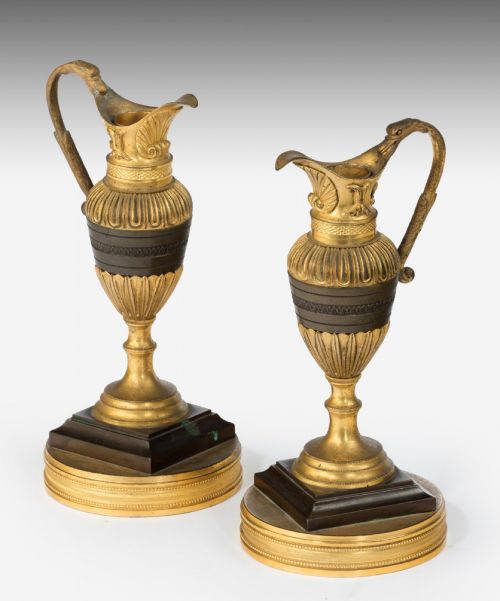
The construction relies on cast bronze, brass, and gilt metal, often combined with hand-chased surface detail. Ormolu and gilt bronze finishes provide the characteristic gold tone through mercury gilding or electroplating.
Many items incorporate patinated bronze, carved marble, champlevé enamel, or polychrome toleware to contrast with the metallic body. Pierced brass and inlaid elements demonstrate specialised metalworking techniques typical of the period.
Materials documented in the inventory range from patinated bronze and heavy ormolu to pierced brass and painted toleware.
What varies in quality
The integrity of the original fire gilding or ormolu surface dictates the visual merit of the piece. Subtlety in the patination and weight in the metal indicate a higher grade of workshop production.
The Gold Metal Urns Glossary
- Ormolu
- Gilded bronze, where finely ground gold is amalgamated with mercury and applied to a bronze base by heat. This technique creates a durable, warm metallic lustre characteristic of French decorative arts.
- Campana urn
- A bell-shaped vessel with a flared rim, a deep body, and a pedestal foot. This classical silhouette derives from ancient Roman stone garden vases.
- Cassolette
- A decorative vessel with a reversible lid that functions either as a closed vase or an incense burner. These pieces typically feature classical mounts and handles.
- Ewer
- A large jug with a wide spout and a curved handle, often rendered in bronze or gilt metal. Nineteenth-century makers frequently adapted these forms into table lamps.
- Champlevé
- An enamelwork technique where troughs are dug into the metal surface and filled with vitreous paste before firing. The resulting design sits flush with the surrounding metal partitions.
Gold Metal Urns: Frequently Asked Questions
How do I clean a gilt bronze urn?
Dust the surface gently with a soft, dry brush to prevent accumulation in the crevices. Avoid all commercial metal polishes, as abrasive compounds strip the historic gold layer from the bronze underneath.
Water and harsh detergents damage antique patination and gilt surfaces. Consult a professional conservator if the metal requires deeper cleaning.
Where should I place a heavy brass planter?
Position these substantial vessels on sturdy low tables, sideboards, or hearths where their weight finds secure support. Ensure the surface has adequate protection against moisture if the planter holds live plants.
Keep them away from direct heat sources to preserve the integrity of the brass and any applied lacquers. Their architectural presence suits traditional hallways and reception rooms.
What is a Grand Tour souvenir?
These are smaller-scale replicas of famous classical monuments, ruins, and sculptures purchased by wealthy travellers in the eighteenth and nineteenth centuries. Bronzes and marble reductions of ancient urns formed a staple of these acquisitions.
Such objects brought classical taste into European homes. Their fine casting marks them as distinct decorative achievements of their era.
How do I distinguish French Empire from Victorian pieces?
French Empire metalwork emphasises strict classical symmetry, military motifs, and rich fire-gilt surfaces dating from the early nineteenth century. Victorian items span a broader range of revival styles, incorporating heavier brass castings and eclectic ornamentation.
Examining the construction of mounts, screws, and interior surfaces often reveals the manufacturing traditions of the workshop. French pieces typically display finer chasing and distinct assembly methods.