


Brass Pedestal Stands
Brass pedestal stands bring functional height and gleaming metallic contrast to a room, appearing in forms from plant holders to reading tables across the nineteenth and twentieth centuries.
Brass Pedestal Stands
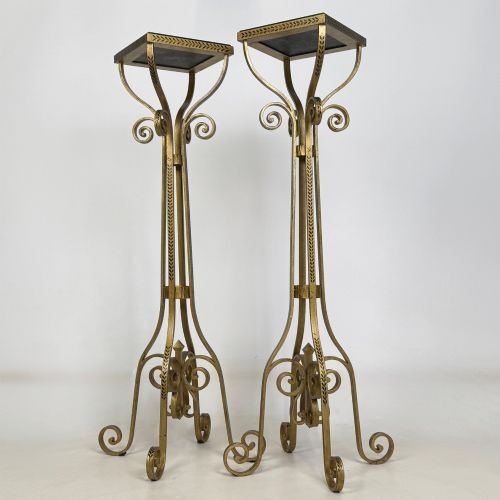
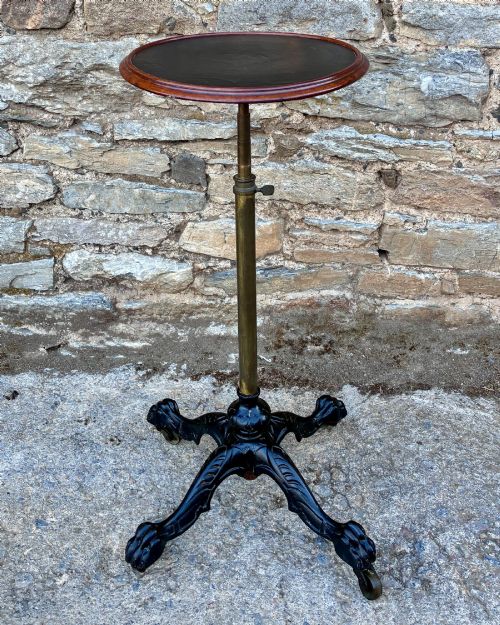
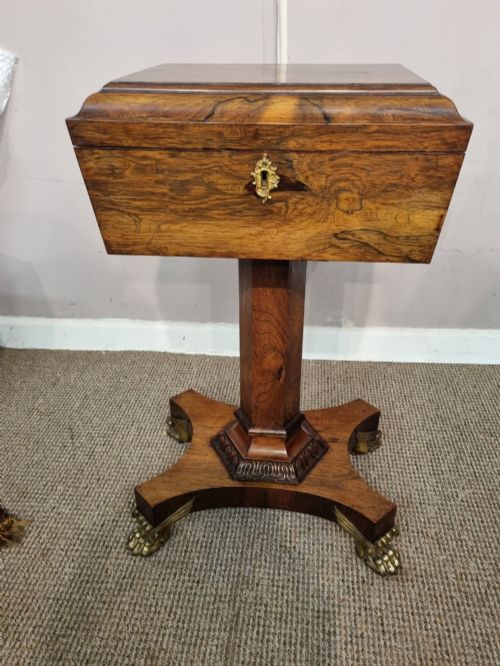
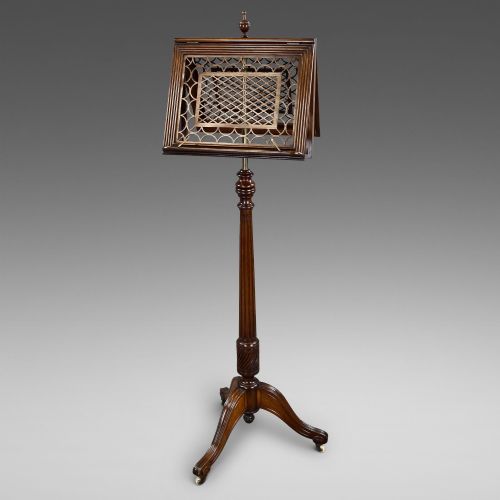
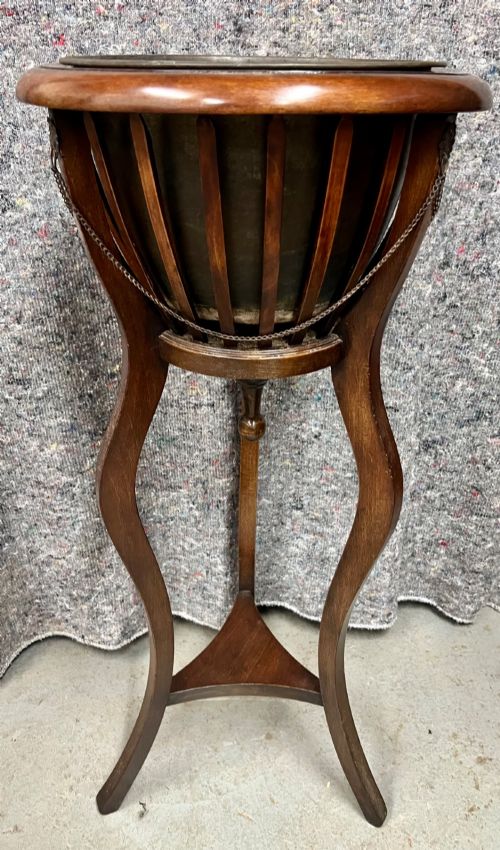
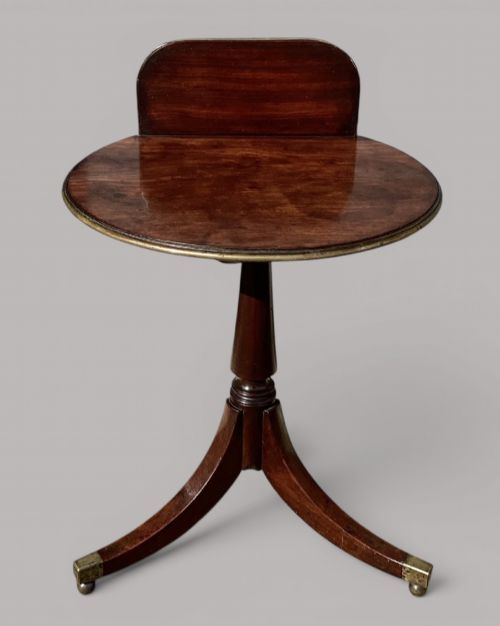
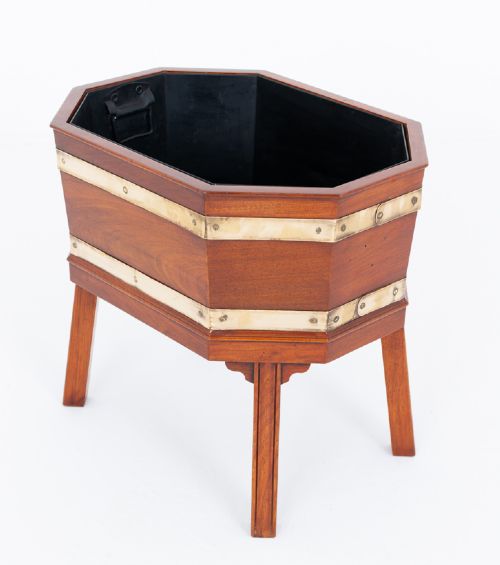
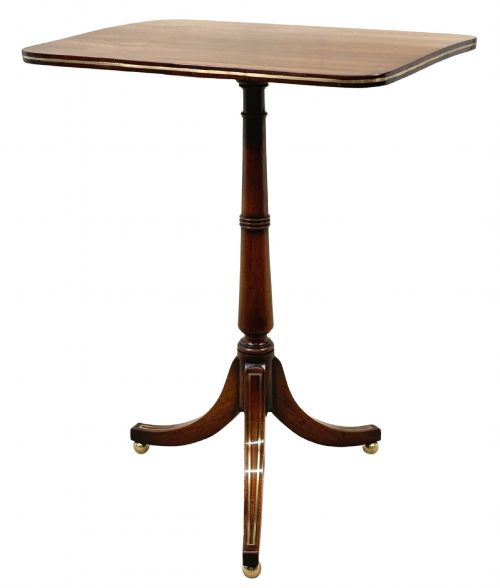
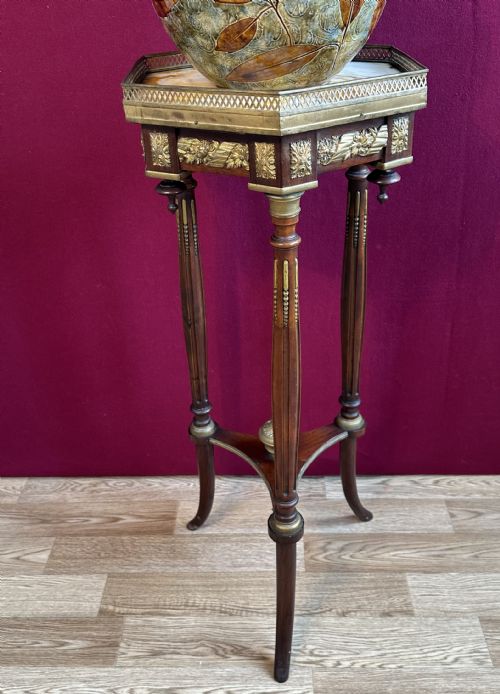
Brass pedestal stands encompass a varied group of elevated furnishings and display pieces, uniting a central vertical support with metallic elements. When exploring brass pedestal stands, buyers encounter items designated as plant stands, jardiniere stands, torchere stands, and occasional tables dating from the Georgian, Victorian, and Edwardian eras.
The primary forms take shape as tall supports for flora or illumination, alongside compact tables featuring stone or timber tops bordered by metal. Examples span nineteenth-century revival styles, French Empire designs, and early twentieth-century domestic accessories constructed to display decorative objects or support daily tasks.
How they were made
Construction relies on a combination of cast or embossed brass paired with dense cabinet timbers such as mahogany, rosewood, and oak. Metal components are integrated through turning, chasing, and mounting onto wooden or stone structures.
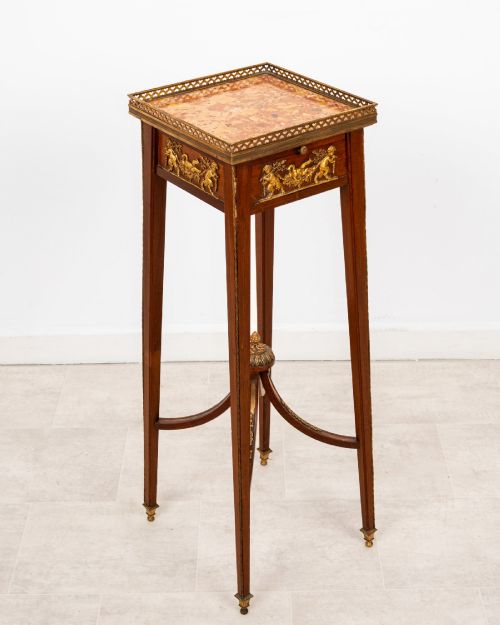
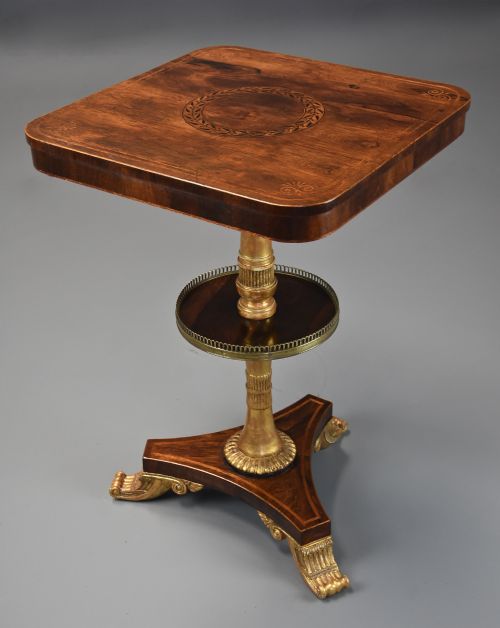
Many items incorporate contrasting surfaces, setting polished brass and ormolu against rouge or white marble, onyx tops, and glass. Joinery methods range from heavy turned pedestals to delicate brass stringing and openwork floral casting.
Listings feature brass combined with rosewood, mahogany, marble, and onyx across Victorian, Edwardian, and Regency periods.
What varies in quality
Quality rests upon the crispness of the brass casting, the weight of the metal components, and the selection of secondary materials like imported marbles and figured rosewood or mahogany. Superior examples display refined hand-chased detail on mounts and botanical motifs rather than uniform machine stamping.
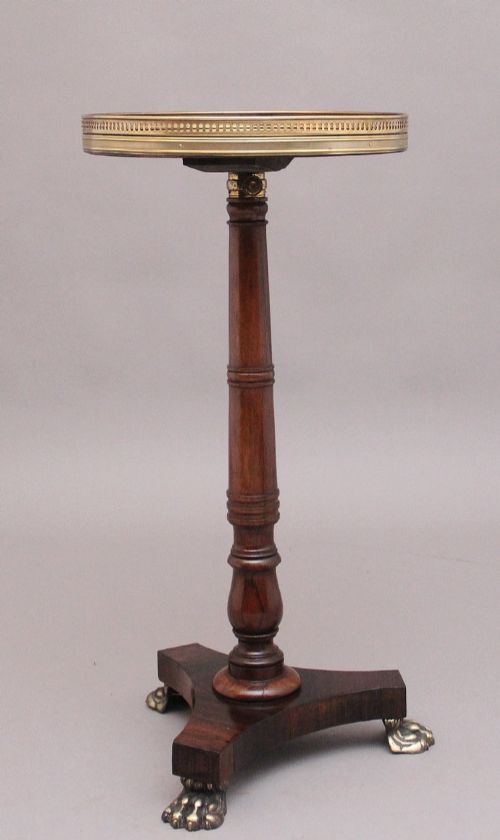
Structural integrity also separates standard utility pieces from high-status objects, seen in the stability of tripod bases, the snugness of inset stone tops, and the precision of adjustable mechanisms on reading and display stands.
François Linke·George Bullock·J Hicks of London
The Brass Pedestal Stands Glossary
- Jardiniere
- An ornamental pot or stand designed to hold plants or flowers indoors. These vessels often sit atop dedicated metal or wooden pedestals.
- Ormolu
- Gilded bronze or brass applied as decorative mounts to furniture and stands. This finish provides a bright metallic accent against dark cabinet woods.
- Torchere
- A tall stand or candlestick designed to support a light source or decorative urn. They frequently feature slender wooden shafts raised on stable tripod bases.
- Dinanderie
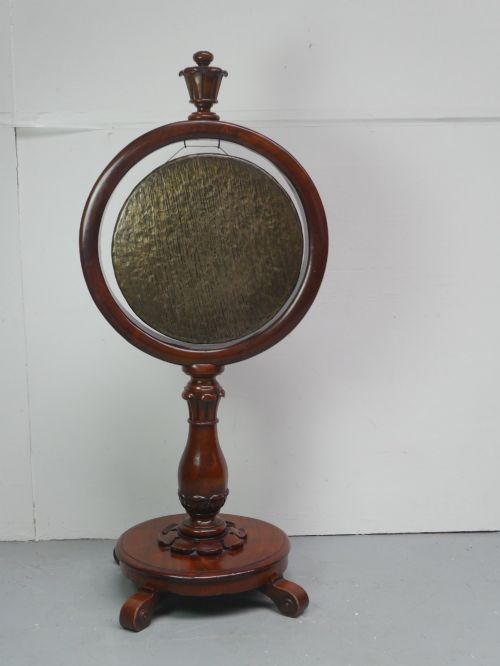
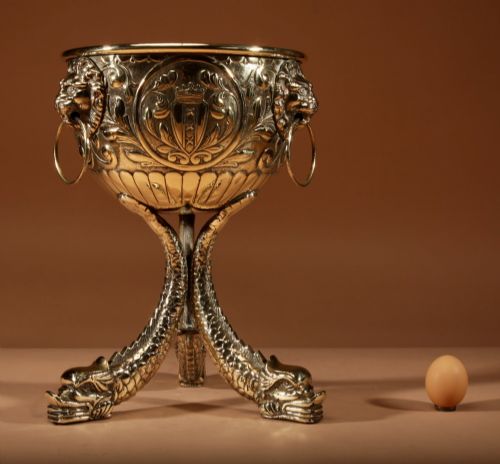
- The historical term for objects made of hammered and engraved brass or bronze. Items of this type often display textured floral or geometric relief work.
- Boulle
- A style of marquetry utilising brass and tortoiseshell inlaid into furniture surfaces. It adds elaborate golden patterning to structural panels.
Brass Pedestal Stands: Frequently Asked Questions
What were brass pedestal stands used for originally?
These furnishings served practical roles in period homes, holding heavy potted plants, lighting lamps, or supporting music books and reading materials. Their elevated design brought decorative items to eye level.
Larger versions functioned as display tables for porcelain and bronzes, while adjustable variants adapted to specific reading or grooming tasks in the parlour and bedroom.
How do I identify a Victorian stand?
Victorian examples often display heavy cast brass elements, dark hardwoods like mahogany or rosewood, and robust revival styles such as Rococo or French Empire. Look for dense turned columns and floral openwork.
Dates cluster around the middle and late nineteenth century, frequently incorporating inset marble tops or adjustable mechanisms for displaying items.
Are marble tops original to these stands?
Many nineteenth-century occasional and plant stands were manufactured with fitted marble or onyx tops to resist moisture from watering plants and heavy use. These stone slabs sit securely within wooden or brass galleries.
Inspection of the underside and surrounding rebate usually reveals whether the stone matches the period construction and frame size of the base.
Where should I place a pedestal stand at home?
These compact pieces fit well in corners, beside seating, or in entrance halls where floor space is limited. Their vertical proportions draw the eye upward without crowding a room.
Pair plant stands with trailing foliage or use torcheres to hold table lamps, allowing the brass details to catch natural and artificial light.