



Ornate Brass Planters
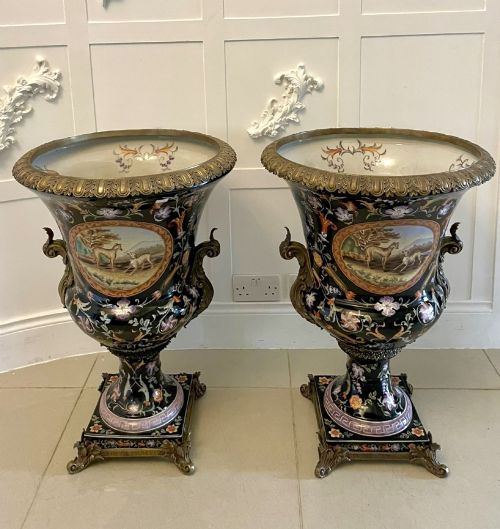
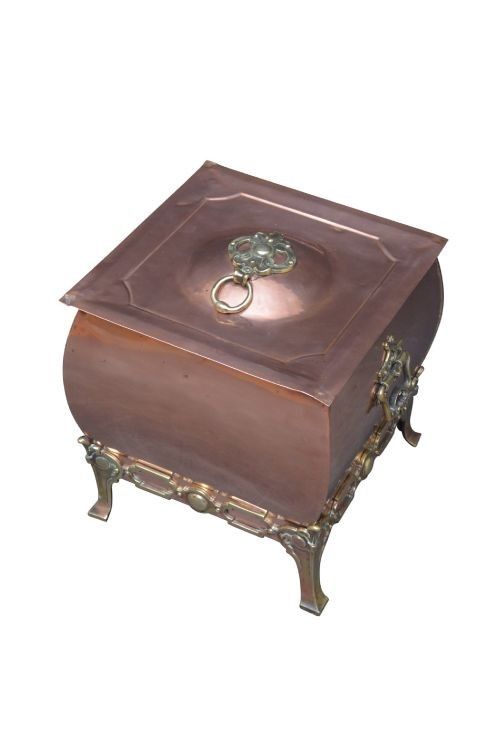
These ornate brass planters bring heavy metalwork and floral display together in pieces designed to hold interior greenery.
Ornate Brass Planters
Ornate brass planters are decorative vessels designed to hold indoor plants, appearing across nineteenth-century and earlier European aesthetics. Buyers exploring ornate brass planters will find jardinieres, trophy vases, and wall pockets executed in styles ranging from French Baroque to Gothic Revival.
The selections available here rely heavily on nineteenth-century pieces, including Victorian and Napoleon III examples. Many items incorporate handles, masks, or integrated stands to elevate the planted container above the floor or table surface.
Vessels take various forms, from cast brass urns to repoussé bodies and wall-mounted pockets. These pieces function simultaneously as botanical holders and as sculptural accents for domestic interiors.
Materials and construction
Construction relies primarily on brass, often paired with copper, ormolu, and gilt bronze. Metalwork techniques involve casting, repoussé relief decoration, and mounting components together to create substantial decorative vessels.
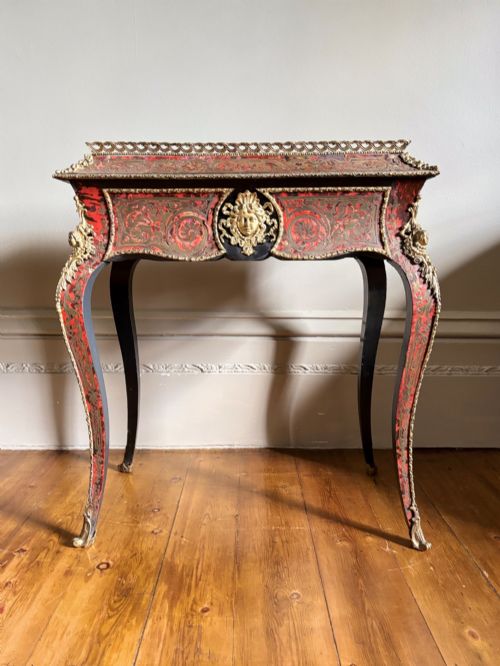
Secondary materials such as porcelain, enamel, tortoiseshell, and ebonised wood appear alongside the metal framework. Boullework and mahogany inlay add surface complexity to specific French and Victorian stands.
Lions roar silently from handles while animal heads peer out from repoussé brass walls, guarding nineteenth-century fern roots.
Assessing quality
Quality differentiates itself through the depth and crispness of the metalwork, particularly in repoussé surfaces where hand-hammered relief creates sharp botanical or animal motifs. Heavy casting in brass or ormolu provides structural integrity that lighter stamped metal lacks.
The integration of mixed materials dictates the refinement of a piece, such as the precision of Boulle tortoiseshell inlay or the quality of hand-painted porcelain panels. Original matched pairs demonstrate superior initial investment compared to single survivors.
The Ornate Brass Planters Glossary
- Jardiniere
- An ornamental pot or stand designed to hold plants or flowers indoors. These vessels often feature decorative handles or footed bases.
- Repoussé
- A metalworking technique where the metal is hammered into relief from the reverse side. This creates raised decorative patterns on the exterior surface.
- Ormolu
- Gilded bronze used for decorative mounts and decorative objects during the eighteenth and nineteenth centuries. The technique involves applying a gold-mercury amalgam to bronze.
- Boulle
- A type of marquetry using brass and tortoiseshell developed in France. It frequently adorns Napoleon III furniture and stands.
- Wall pocket
- A hanging receptacle designed to be mounted on a vertical surface for holding flowers or greenery. These items free up surface space while adding ornamental metalwork to walls.
Ornate Brass Planters: Frequently Asked Questions
What is the difference between a jardiniere and a planter?
A jardiniere is typically a decorative ornamental container designed to hold a potted plant rather than planting directly into the soil. The term often describes more ornate or decorative vessels meant for prominent display in principal rooms.
Planter is a broader term that can include utility vessels as well as highly decorated pieces. In antique contexts, jardinieres usually emphasise decorative metalwork, handles, and stylistic periods.
How do I care for antique brass planters?
Antique brass benefits from gentle dusting and minimal interference with its natural surface evolution. Avoid harsh chemical cleaners that strip historical character and patina.
Use a plastic liner inside the vessel to protect the metal from moisture and soil acidity. Direct contact with water can accelerate corrosion on older copper and brass alloys.
Where were these planters typically placed in a Victorian home?
Victorian interiors positioned these vessels on tables, windowsills, or dedicated stands to bring living greenery indoors. Large jardinieres often stood on the floor or on specialised pedestals in drawing rooms and halls.
Wall pockets provided a way to introduce foliage onto vertical surfaces where floor space was limited. Hearth accessories placed planters near fireplaces to integrate nature into the living space.
How do I identify a Napoleon III piece?
Napoleon III pieces reflect the eclectic tastes of the Second French Empire, often combining historical revivals with luxurious materials. Look for Boullework, elaborate ormolu mounts, and dark woods.
These items frequently employ dense ornamentation and symmetrical forms influenced by earlier Louis XIV and Rococo styles. The craftsmanship prioritizes rich decorative surface effects.
What is a wall pocket used for?
Wall pockets served as hanging containers for cut flowers, dried botanicals, or small trailing plants. Their flat backs allowed them to hang securely against walls.
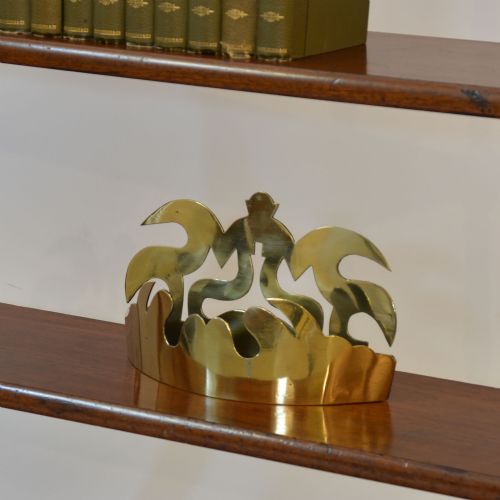
They combine functional plant display with decorative metalwork, featuring motifs like crowns or animal masks. These items brought floral decoration to hallways and boudoirs.