



Gold Leaf Porcelain Vase
A gold leaf porcelain vase brings rich metallic highlights to ceramic forms, offering a decorative focal point for any room.
Gold Leaf Porcelain Vase
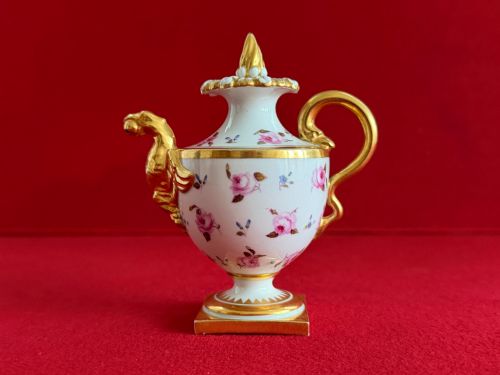
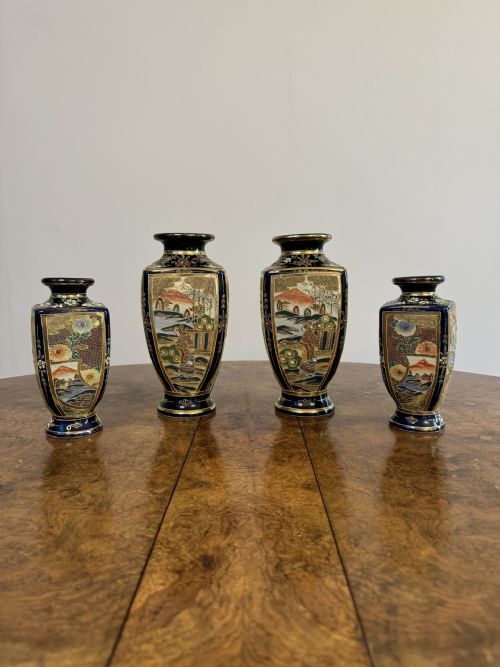
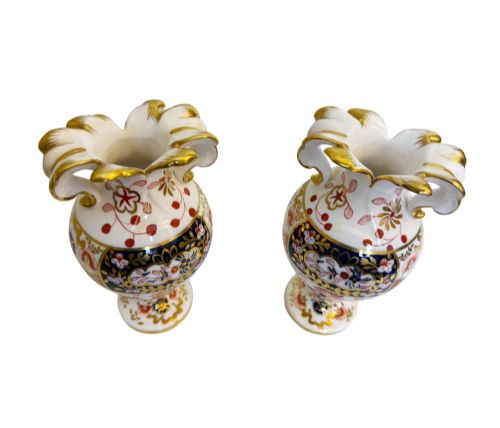
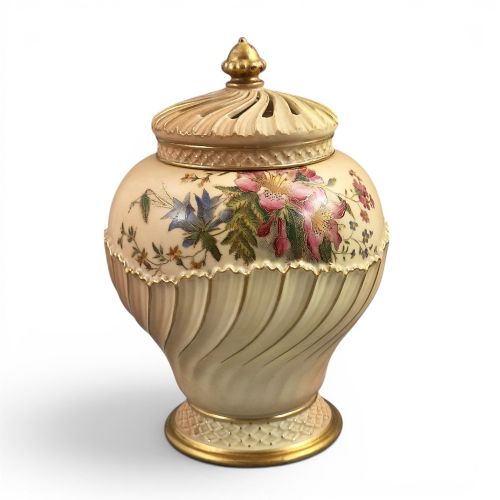
A gold leaf porcelain vase encompasses various decorative vessels, including twin-handled urns, lidded jars, pot-pourri containers, and ewers. When exploring a gold leaf porcelain vase, buyers frequently encounter pieces originating from English factories such as Worcester alongside Japanese Satsuma and Arita wares.
The selections span multiple eras, stretching from Georgian and Regency productions to Victorian, Edwardian, and Meiji period creations. Forms range from miniature hand-painted vessels to large garnitures and jardinieres.
Materials and Techniques
Makers shaped these objects using porcelain, earthenware, and ceramic bodies before applying detailed glazes and enamel painting. Artisans utilised gold leaf, gilding, and raised moriage work to create metallic surface ornamentation upon the ceramic ground.
Many items incorporate hand-painted details by named artists, combining cobalt blue pigments and rich gilt decoration with intricate firing techniques.
Several vases on display feature painted cock pheasants and wandering storks, proving that nineteenth-century birds possessed an exceptional sense of theatrical staging.
Evaluating the Pieces
Superior examples demonstrate precision in hand-painting, particularly in complex floral, avian, or figural scenes executed by skilled artists. The crispness of the moulded form and the intact preservation of the delicate gilt work and enamel details distinguish finer items from standard productions.
Flight Barr And Barr·Royal Worcester·Kinkozan·Doulton Burslem
The Gold Leaf Porcelain Vase Glossary
- Gilding
- The application of gold leaf or gold powder to the surface of porcelain or earthenware. This technique accentuates relief details and rim borders.
- Moriage
- A decorative technique in Japanese ceramics where slip is piped onto the surface to create raised patterns before glazing and gilding. It provides a distinct textured feel.
- Garniture
- A set of matching vases or pots designed to be displayed together on a mantelpiece or sideboard. These sets often consist of three or more coordinated pieces.
- Ewer
- A large jug with a wide spout and handled body, historically used for water but adapted as an ornamental ceramic vessel. Many nineteenth-century examples prioritize decorative presence over utility.
Gold Leaf Porcelain Vase: Frequently Asked Questions
How do I care for a gilded porcelain vase?
Clean the surface gently using a soft, dry cloth to remove dust without disturbing the delicate gold leaf or enamel work. Avoid liquid cleaners and harsh scrubbing, which can damage historic gilding.
Keep the vessel away from direct sunlight and damp environments to preserve the integrity of the ceramic body and painted decorations over time.
What is the difference between Satsuma and Worcester vases?
Satsuma wares originate from Japan, typically featuring an earthenware body with characteristic crackle-glaze, intricate hand-painted scenes, and rich moriage gilding. Worcester pieces are traditionally English porcelains known for refined botanical painting and classical forms.
Both styles utilise extensive gold ornamentation, but their underlying ceramic bodies and cultural motifs reflect distinct manufacturing traditions.
How can I tell the period of a ceramic vase?
Examine the base for factory marks, artist signatures, or registration numbers that correspond to known production eras. Stylistic indicators such as Aesthetic Movement motifs, Regency shapes, or Meiji period signatures also provide reliable dating clues.
Comparing the potting technique, glaze characteristics, and gilding style helps confirm whether a piece belongs to the Georgian, Victorian, or Edwardian era.
Where should I display a large garniture?
Large garnitures look best displayed across a prominent mantelpiece, a wide sideboard, or a dedicated console table where the matching set can be viewed together. Their scale requires a stable surface with adequate clearance to showcase all pieces in the grouping.
Positioning them away from high-traffic walkways ensures the delicate handles and gilt rims remain safe from accidental knocks.