


French Porcelain Decorative Urn
A french porcelain decorative urn brings a distinct architectural elegance to a room, combining painted ceramic bodies with ornate metal mounts.
French Porcelain Decorative Urn
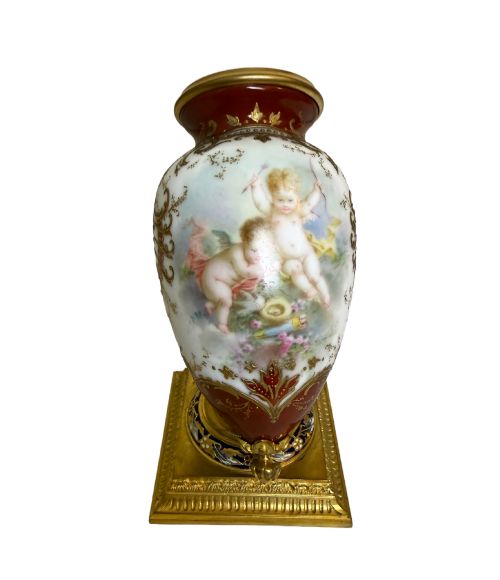
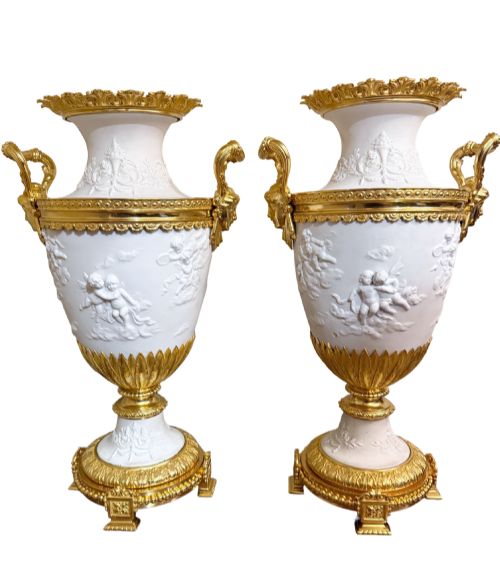
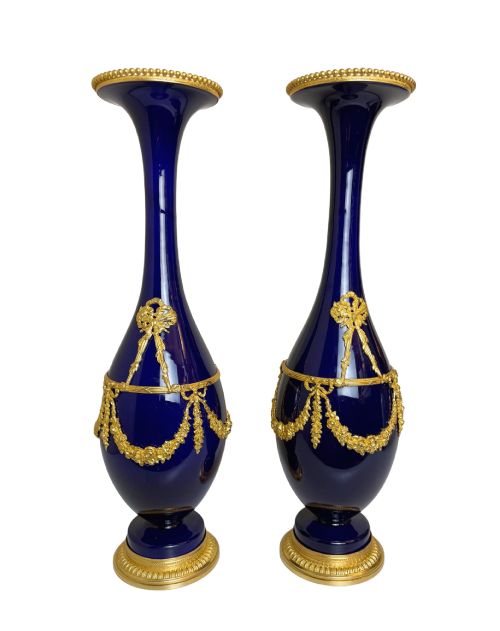
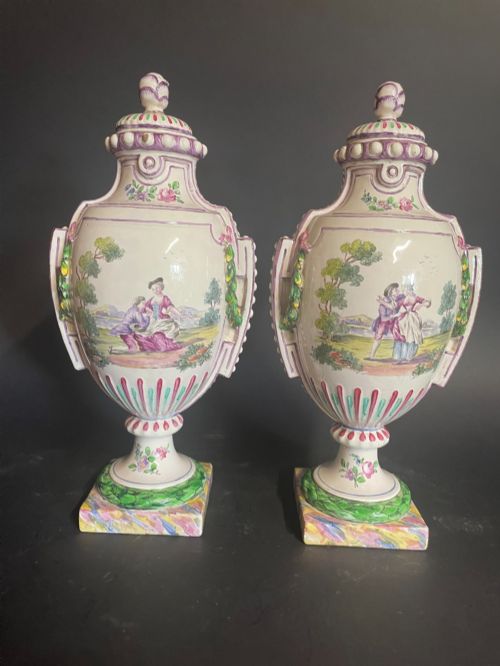
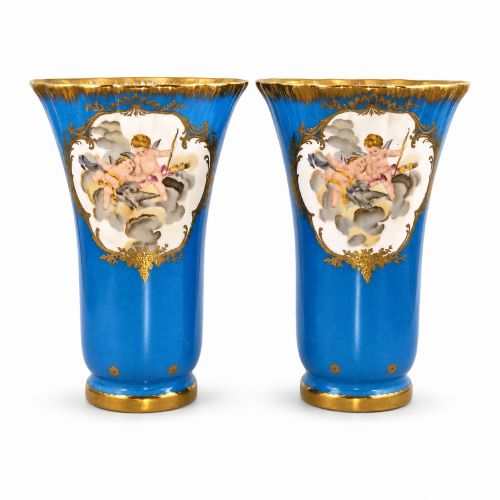
When searching for a french porcelain decorative urn, collectors encounter nineteenth-century objects that reflect historic revival aesthetics, notably Rococo and Neoclassical styles. These pieces often arrive as matched pairs designed to sit upon mantelpieces, consoles, or tables as part of larger garniture sets.
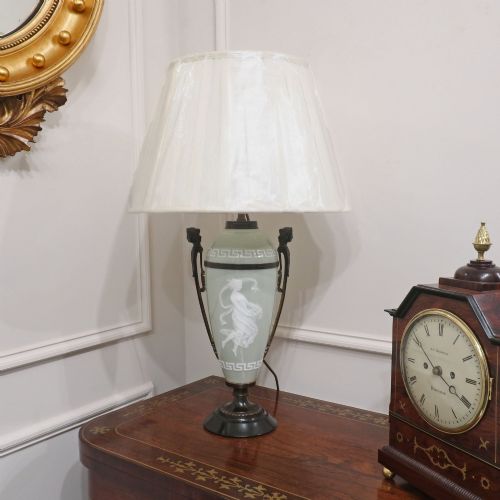
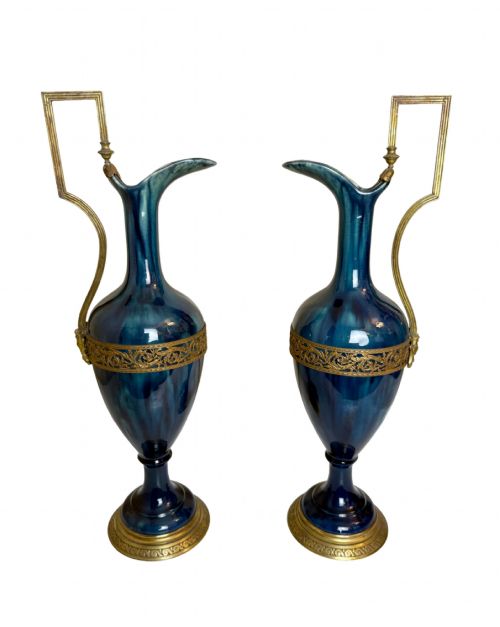
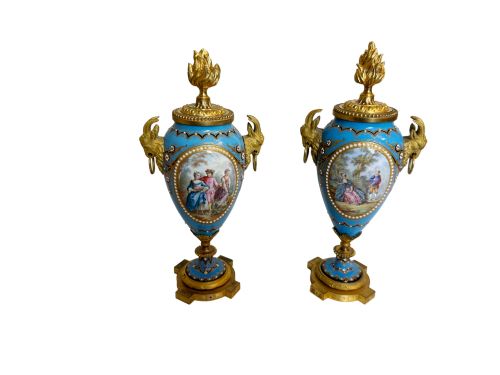
The forms span traditional lidded vases, campana shapes, and cassolettes, frequently incorporating handles and pedestal bases. Many adopt the visual language of the Sevres factory, showing cobalt blue grounds or bleu celeste glazes paired with classical figural scenes or floral motifs.
Originating largely from French workshops and Parisian potteries during the Victorian era, these vessels serve primarily as ornamental focal points rather than functional containers. Their presence anchors a room with nineteenth-century decorative traditions.
Materials and construction
Makers shaped the ceramic bodies from high-fired paste, applying cobalt glazes, enamel colours, and hand-painted details before secondary firing. Biscuit porcelain appears alongside glazed surfaces, offering a matte finish that resembles carved marble.
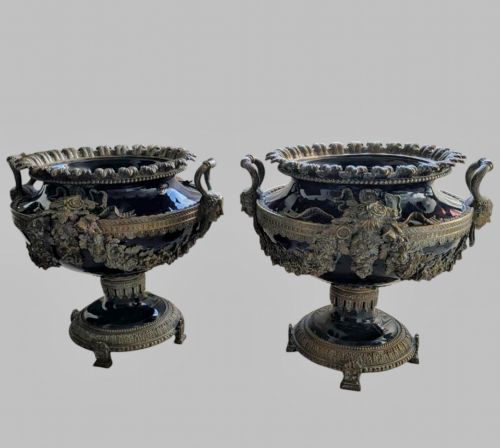
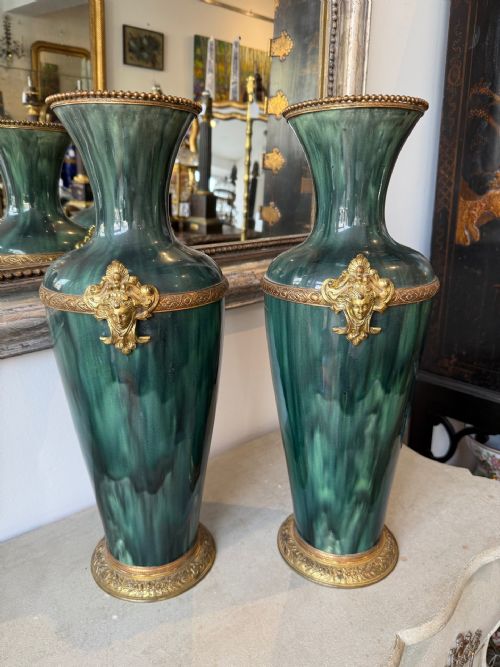
Foundries supplied cast metal mounts in ormolu, gilt bronze, and gilt metal, which were then mechanically secured to the ceramic vessels. These mounts frame the rims, bases, and handles with chased leaf scrolls and classical motifs.
Listings feature nineteenth-century materials including porcelain, gilt bronze, ormolu, and enamel across Rococo and Neoclassical styles.
Separating the ordinary from the exceptional
The refinement of the hand-painted reserves sets superior examples apart from standard production pieces. Finely executed panels depicting pastoral or mythological subjects demonstrate greater artistic skill than repetitive floral transfers.
The weight and precision of the gilt bronze or ormolu mounts dictate the overall calibre of an object. Crisp chasing, deep fire-gilding, and tight mechanical integration between the porcelain and metal indicate superior workshop standards.
Sevres·Limoges·Samson Paris·KPM Berlin·Vion et Baury
The French Porcelain Decorative Urn Glossary
- Ormolu
- Gilded bronze produced by applying a mercury and gold amalgam to cast brass or bronze, then heating to drive off the mercury. This technique creates a durable, warm metallic lustre characteristic of nineteenth-century French mounts.
- Garniture
- A set of three or more matching ornamental vessels, such as vases or urns, designed to be displayed together on a mantelpiece or sideboard. They typically include a central clock flanked by matching urns or side vases.
- Bleu celeste
- A bright, pale turquoise blue enamel ground colour famously utilised by the Sevres porcelain manufactory. It provides a striking backdrop for gilt accents and hand-painted reserves.
- Cassolette
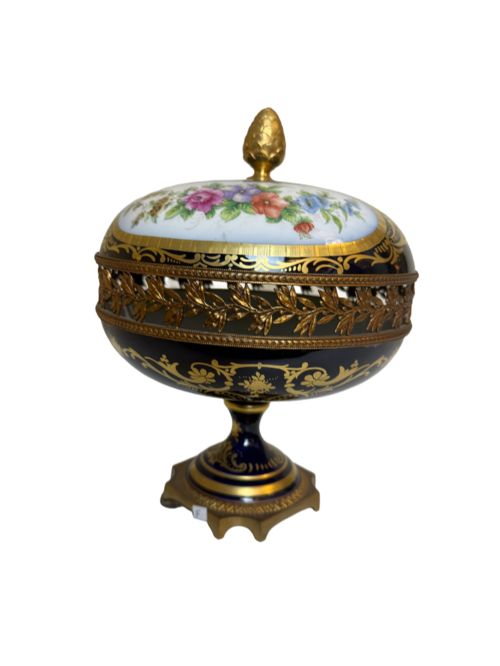
- A decorative vessel with a reversible lid that functions either as a closed urn or as a holder for perfumes and potpourri. The pierced cover allows aromatic scents to disperse into a room.
- Pate sur pate
- A ceramic decorating technique where successive layers of white slip are applied to a coloured clay body in relief, building up a cameo-like translucent design before firing.
French Porcelain Decorative Urn: Frequently Asked Questions
What is a french porcelain decorative urn?
These items are nineteenth-century ornamental ceramic vessels produced in France, typically featuring glazed porcelain bodies mounted with gilt bronze or ormolu trim. They were designed to decorate grand drawing rooms and mantelpieces during the Victorian period.
Most surviving examples draw on historical design movements such as the Rococo Revival and Louis XVI style. They frequently appear as matched pairs or part of larger clock garniture sets.
How were these urns used originally?
In nineteenth-century interiors, these pieces served purely aesthetic roles as decorative focal points on mantelpieces, console tables, and pedestals. Some variants functioned as lidded jars for potpourri or as cassolettes for diffusing scents.
Owners displayed them to signal taste and refinement, often pairing them with matching mantel clocks to create a balanced decorative scheme across a room.
How can I tell Sevres style from original pieces?
Pieces marked as Sevres style often imitate the decorative vocabularies, colour grounds, and gilt patterns of the famous French factory without being manufactured there. True factory pieces carry specific underglaze blue cipher marks or overglaze decorator signatures from the period.
Examining the crispness of the hand-painted reserves and the quality of the ormolu mounts helps distinguish genuine workshop production from later stylistic revivals.