



Gilded Porcelain Mantelpiece Vase
A gilded porcelain mantelpiece vase brings brilliant colour and gleaming metalwork to a formal interior, offering the grand display typical of nineteenth-century drawing rooms.
Gilded Porcelain Mantelpiece Vase
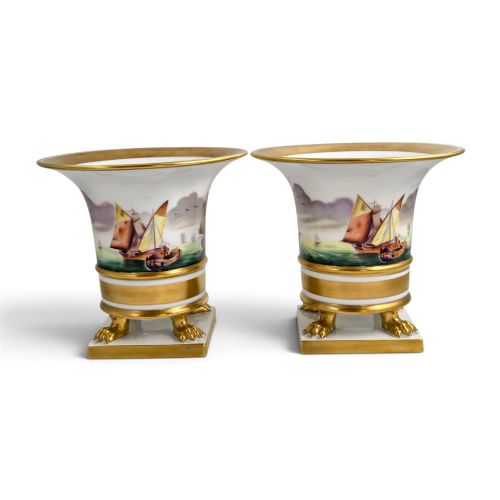
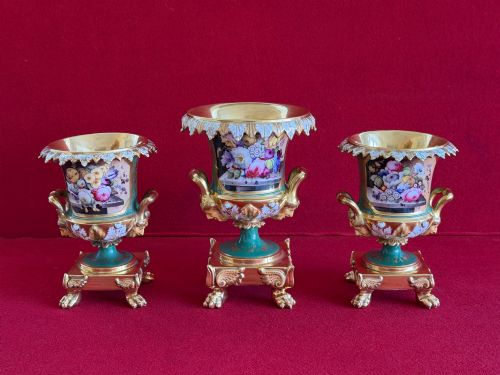
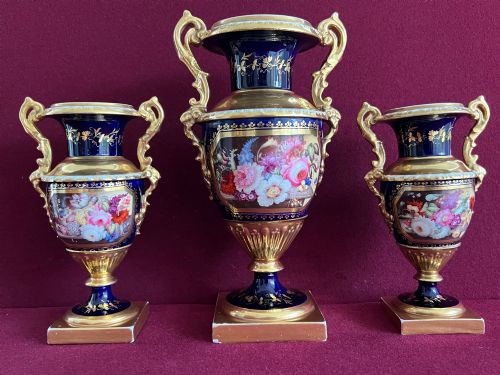
A gilded porcelain mantelpiece vase stands as a striking ornamental vessel designed for prominent display on a fireplace shelf or within a garniture set. These pieces bring together rich ceramic bodies and gleaming metallic decoration, spanning nineteenth-century English, French, and Japanese production.
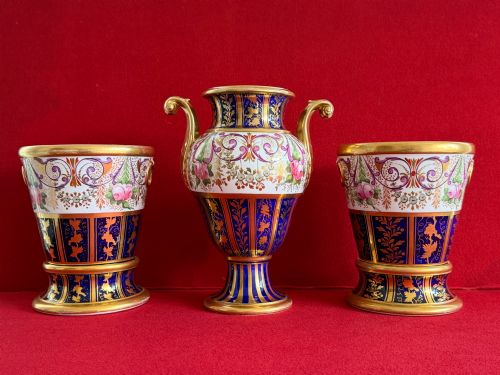
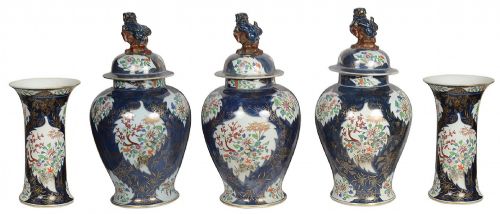
The selections available here range from single cabinet vessels to substantial multi-piece garniture sets comprising matching vases and urns. Buyers frequently encounter nineteenth-century English manufactories alongside continental European works and Japanese export pieces.
Forms vary from classic baluster profiles and twin-handled shapes to elaborate architectural mantel clocks flanked by matching decorative urns. Each piece reflects the decorative ambitions of periods such as the Regency, Victorian, and Meiji eras.
Materials and construction
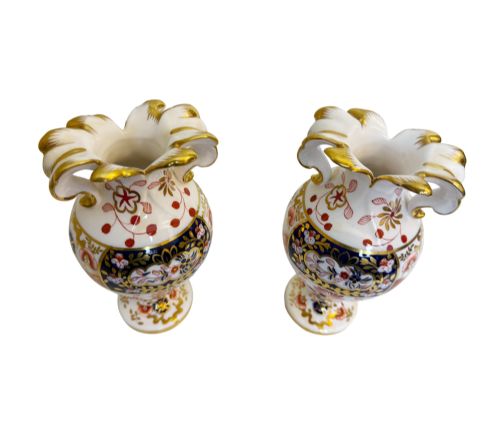
The foundation of every piece relies on hard-paste porcelain, ceramic, or earthenware shaped into traditional vessel forms before receiving detailed hand-painted designs. Artisans applied vibrant enamel colours alongside intricate patterns, often drawing on Imari, Chinoiserie, or classical motifs.
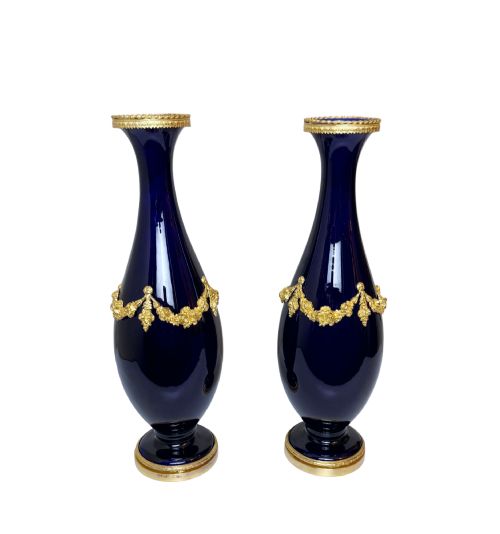
Gilding forms the defining visual characteristic, utilising gold leaf applied meticulously to highlight rims, handles, and pictorial panels. Mounts of ormolu or brass occasionally complement the ceramic bodies, particularly in French Empire and Victorian classical revival examples.
Gilded Porcelain Mantelpiece Vase Retail Price Guide 2026
Typical asking prices for gilded porcelain mantelpiece vase among the pieces listed under this phrase on Sellingantiques today, from the lower quarter to the upper quarter. They describe what is for sale here now, not the wider market.
Makers occasionally added question marks beside obscure studio names on nineteenth-century labels, demonstrating that antique detective work began long before these pieces reached the modern marketplace.
Assessing quality and craftsmanship
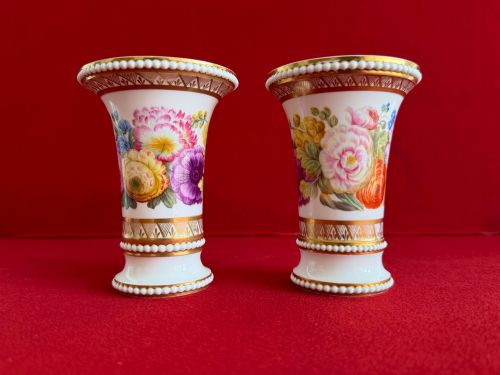
The distinction between standard production and exceptional work rests upon the precision of the hand-painting and the thickness of the applied gilding. Superior pieces display refined brushwork by named decorators and crisp detail in the surface ornamentation rather than mass-produced transfer prints.
Proportion and the harmonious integration of metal mounts with the ceramic body dictate the overall success of a garniture or mantel clock combination. Well-preserved surfaces retain their original burnished gold highlights without excessive rubbing or clumsy later restoration.
Spode·Flight Barr and Barr·Minton·Tashiro
The Gilded Porcelain Mantelpiece Vase Glossary
- Garniture
- A set of matching vases or ornamental urns designed to be displayed together on a mantelpiece or sideboard. These sets typically comprise three or more graduated pieces.
- Baluster
- A vase shape featuring a rounded body that tapers toward the base and swells gracefully upward. This classic silhouette provides a stable and balanced form for decorative painting.
- Imari
- A traditional Japanese export style characterised by a distinct palette of underglaze blue, iron red, and abundant gold. European factories frequently imitated these striking patterns during the nineteenth century.
- Ormolu
- Gilded bronze mounts and decorative elements fitted to ceramic bodies to enhance their grandeur. This technique requires the application of gold amalgam onto a base metal substrate.
Gilded Porcelain Mantelpiece Vase: Frequently Asked Questions
How were these vases displayed originally?
Owners placed these decorative vessels centrally upon fireplace mantelpieces, often flanked by matching side vases or paired candelabra to create a balanced scheme. In larger nineteenth-century reception rooms, complete garniture sets commanded attention above the hearth as primary focal points.
Such displays reflected both personal taste and social standing, utilising the reflective qualities of gold leaf and enamel to brighten dark interior spaces lit only by candles or early gas lamps.
What is a porcelain garniture?
A porcelain garniture consists of a matching set of three, four, or five vessels, typically comprising a central lidded urn accompanied by smaller matching side vases. These coordinated sets were manufactured together to maintain uniformity in design, palette, and gilding across the entire mantel arrangement.
Surviving complete sets remain particularly desirable for collectors seeking authentic period interior displays, as individual pieces from such groupings frequently became separated over time.
How do I care for antique gilding?
Preserving delicate gold leaf and enamel decoration requires gentle dusting with a soft, dry brush rather than chemical cleaning agents or damp cloths. Moisture and abrasive materials can easily lift or dull historical gilding that has thinned through centuries of handling.
Keeping the pieces away from direct sunlight and areas of high humidity also protects the fragile ceramic bodies and stabilizes the underlying glazes over the long term.
How do I distinguish French and English pieces?
French production from this category often leans toward classical revival styles with ornate ormolu mounts and deep cobalt grounds, as seen in Parisian workshops. English manufactories like Worcester or Spode frequently incorporated refined botanical painting or adopted Japanese Imari palettes onto hard-paste ceramic bodies.
Examining the paste quality, base marks, and stylistic nuances helps determine the specific regional origin and the period of manufacture.