


English Ceramic Ornament Pair
An english ceramic ornament pair brings symmetry and character to a room, presenting matched figures from past centuries.
English Ceramic Ornament Pair
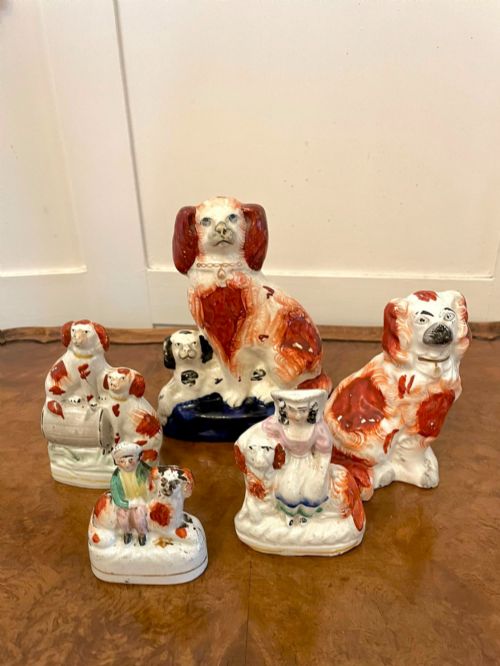
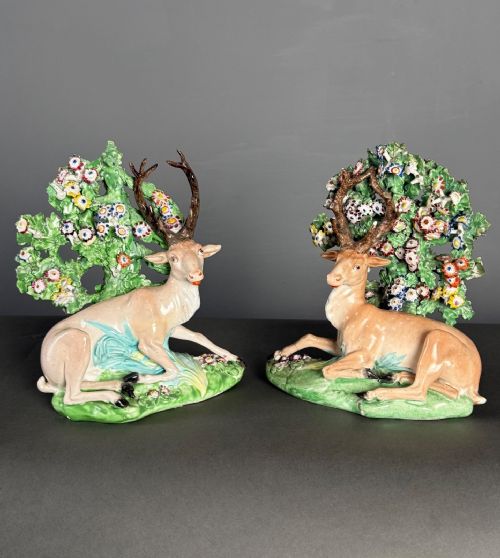
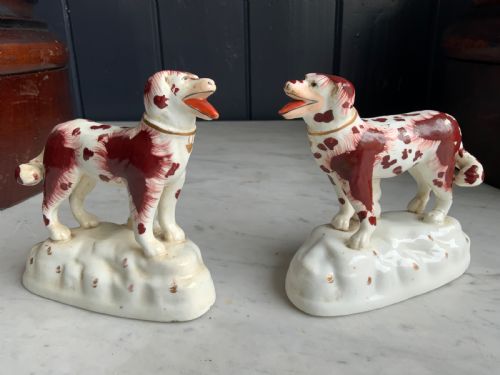
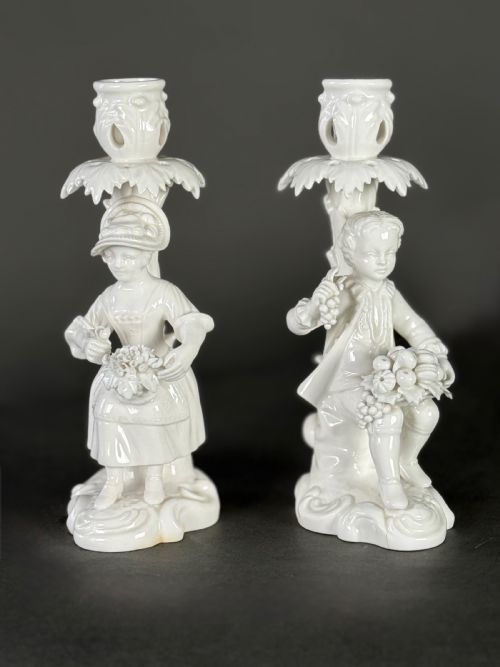
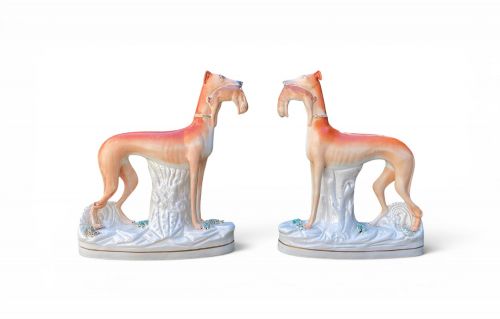
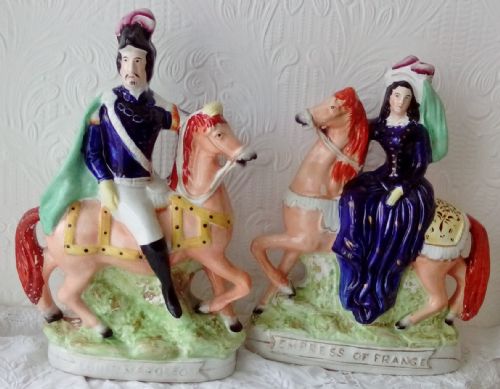
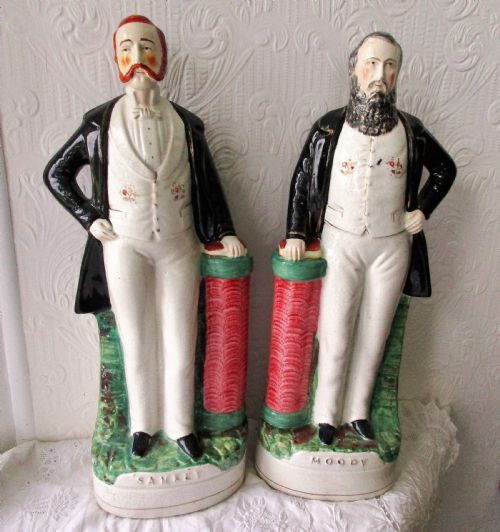
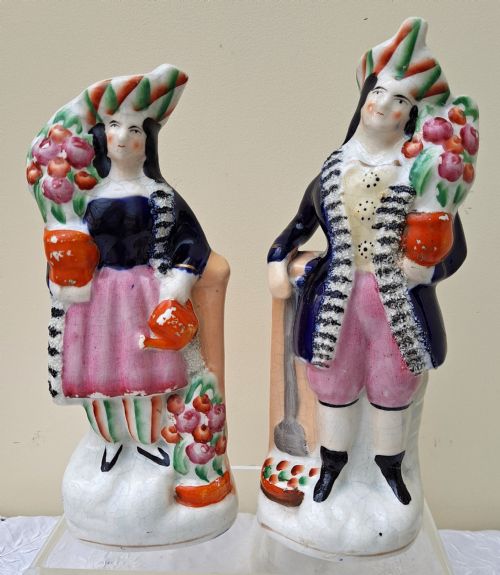
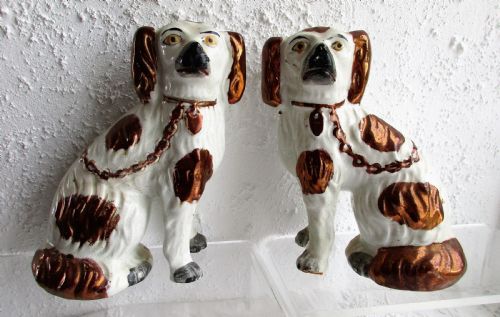
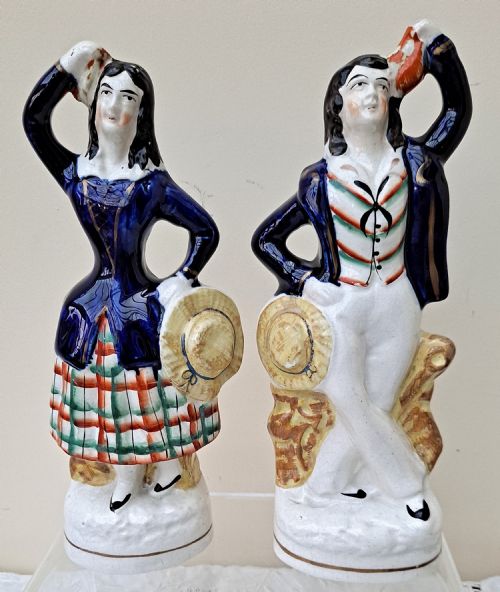
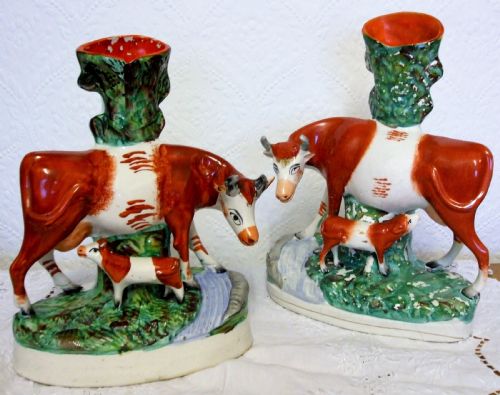
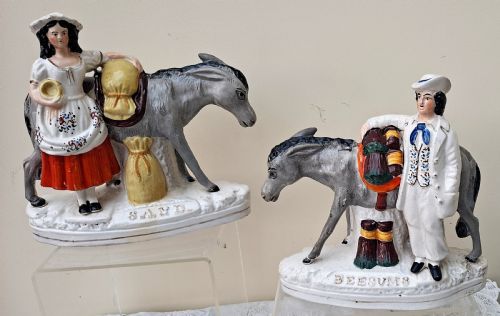
When searching for an english ceramic ornament pair, collectors encounter matched sets originating primarily from Victorian Staffordshire potteries and eighteenth century porcelain factories. These decorative objects take the form of domestic animals, mythological subjects, theatrical characters, and portrait figures designed for mantelpieces.
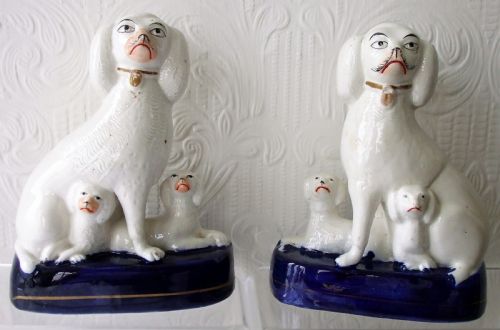
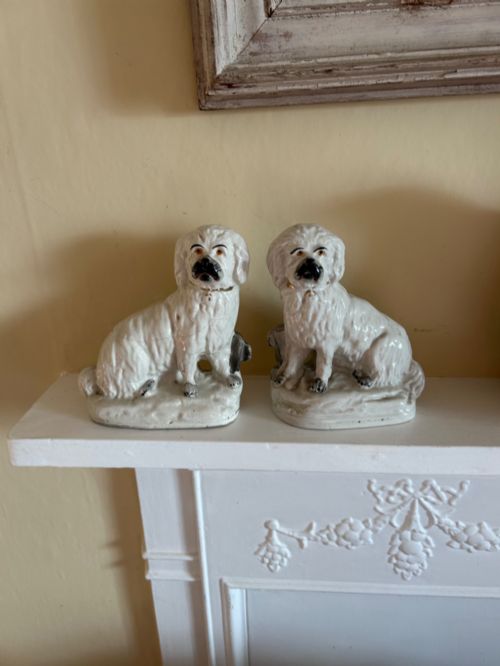
The selections span periods from the Georgian and Regency eras through the nineteenth century, including Staffordshire dogs, recumbent stags, spill vases, and porcelain candlesticks. Victorian Staffordshire figures dominate the offerings, often featuring spaniels, greyhounds, lions, and poodles produced in pairs for mantel display.
Earlier examples include Derby porcelain figures and hard paste porcelain elements depicting pastoral scenes, animals, and classical deities. Buyers find both earthenware pottery and fine porcelain constructions reflecting the aesthetic tastes of their respective periods.
How they were made
Makers utilised slip casting or pressing techniques in moulds to form the pairs, smoothing flat backs on Staffordshire earthenware before kiln firing. Some porcelain pieces incorporated intricate modelling of floral elements and natural settings around the central figures.
Materials recorded across pieces include earthenware, porcelain, enamel, gold leaf, and lead glaze.
What varies in quality
The standard of modelling defines the finer examples, separating lively, crisp execution from softer, worn casts. Artisans who invested greater care in facial expressions and anatomical proportions produced more convincing figures.
The application of enamel decoration and gilding determines visual appeal, with richer, more precise brushwork distinguishing superior pieces. Glaze consistency and the preservation of original gilding further establish the standing of an individual pair.
Royal Crown Derby·Royal Worcester
The English Ceramic Ornament Pair Glossary
- Earthenware
- A porous pottery body fired at lower temperatures, commonly used for nineteenth century Staffordshire figures. It requires a glaze to become impermeable to liquids.
- Hard paste porcelain
- A dense, vitrified ceramic material composed of kaolin and petuntse, fired at high temperatures. Eighteenth century factories utilised this durable composition for detailed figures and candlesticks.
- Lead glaze
- A glossy coating containing lead oxide applied to pottery before firing. This treatment produces a smooth, shiny finish across earthenware surfaces.
- Spill vase
- A hollow cylindrical container attached to a ceramic figure, designed to hold taper spills for lighting pipes or candles. These dual purpose objects appear frequently among Staffordshire pottery.
- Flat back
- A manufacturing style where the reverse of a figure remains unadorned and flat. Potters designed these pieces to sit snugly against a wall or mantelpiece.
English Ceramic Ornament Pair: Frequently Asked Questions
What were Staffordshire dogs used for?
Staffordshire dogs served as domestic ornaments placed on mantelpieces across nineteenth century homes. They often sat in mirrored pairs facing inward toward each other.
Lore suggests these ceramic spaniels were placed in windows facing the street to signal sailors' wives whether husbands were away or at home.
How do I date a ceramic pair?
Dating relies on examining the ceramic body, glaze characteristics, and stylistic traits of the period. Eighteenth century pieces typically show porcelain composition and rococo or neoclassical forms, while Victorian pieces often feature earthenware and robust enamel painting.
Changes in palette and base construction also provide clues to the decade of manufacture, distinguishing Georgian porcelain from later Victorian pottery.
How should I display them?
Displaying a pair requires a stable surface such as a mantelpiece, shelf, or cabinet where both matching figures remain visible together. Keeping them away from direct sunlight protects hand-painted enamel colours from fading over time.
Arranging them symmetrically preserves the original intent of matching ornaments designed to anchor a room's decor.