



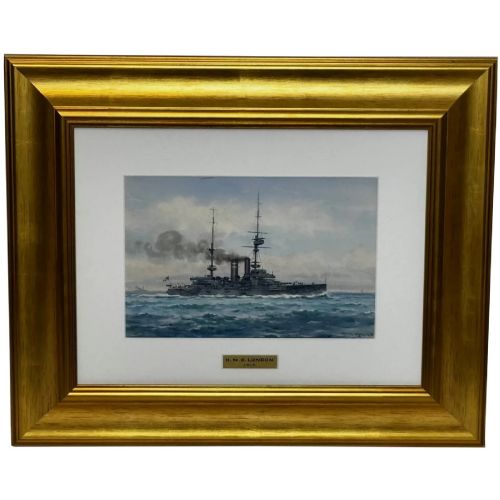
Gold Frame Maritime Paintings
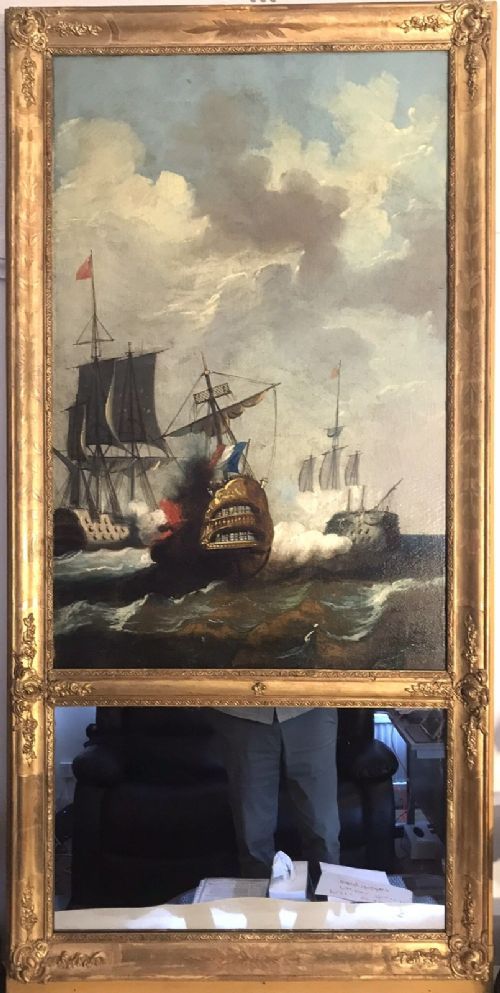
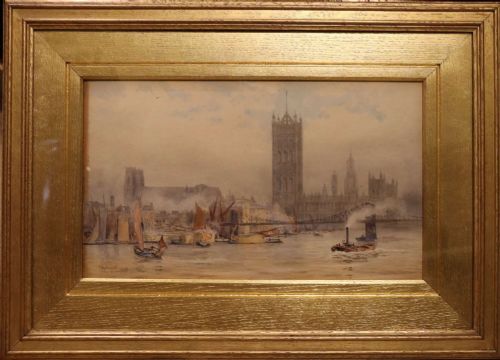
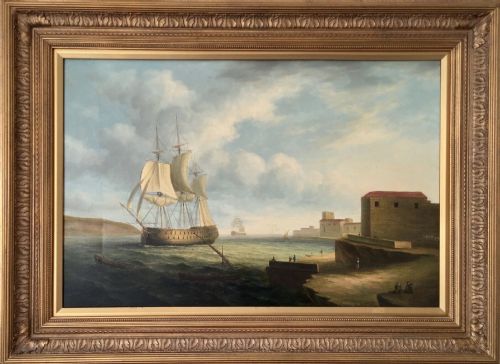
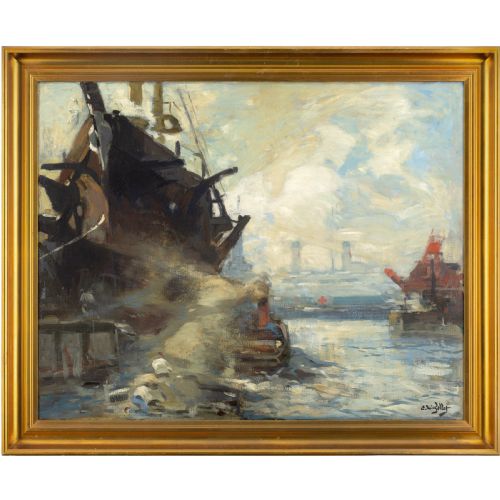
Gold frame maritime paintings capture naval engagements, merchant shipping and coastal scenes through centuries of British and European marine art.
Gold Frame Maritime Paintings
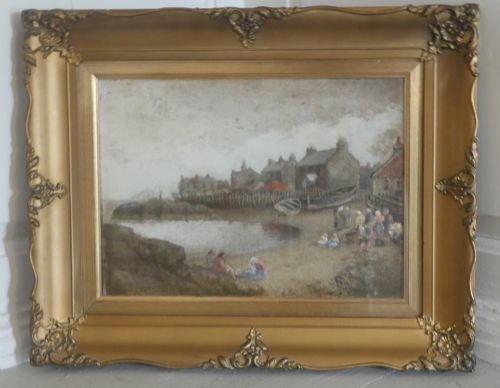
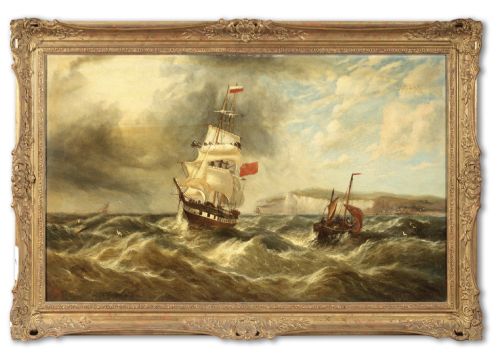
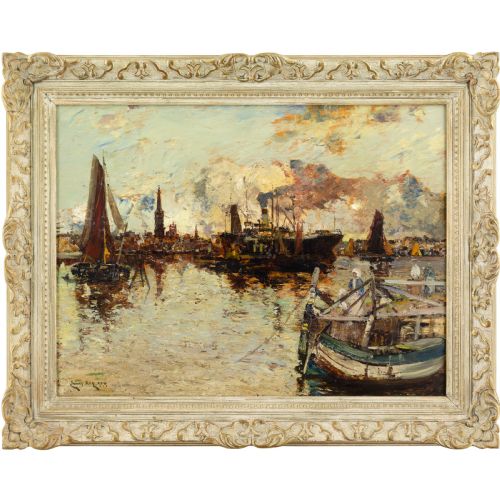
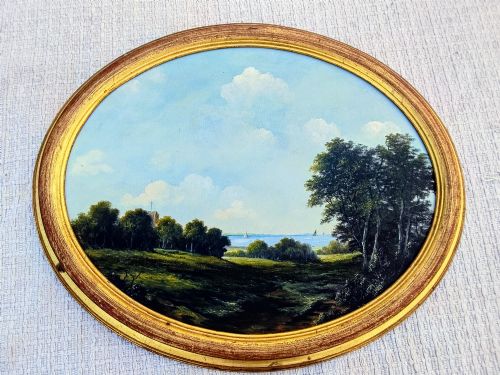
These works depict historical warships, bustling harbours, merchant vessels and coastal waterways set within period gilt wood frames. When you search for gold frame maritime paintings, you encounter oil on canvas, oil on board and watercolour formats spanning the eighteenth, nineteenth and early twentieth centuries.
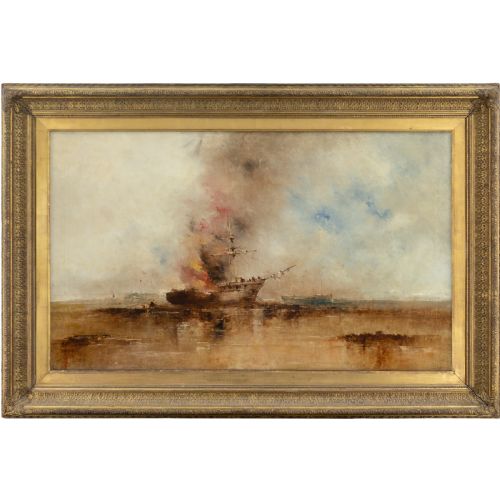
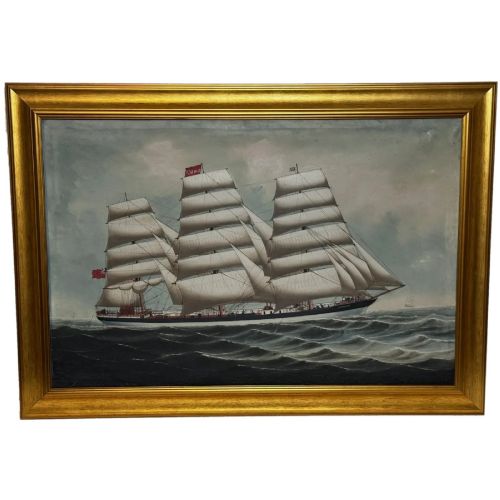
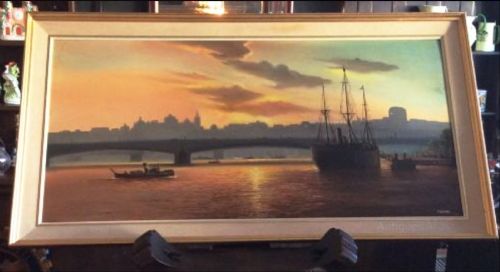
The subjects range from calm river scenes on the Thames and Venetian lagoons to dramatic shipwrecks and vessels battling rough seas. Many examples record specific historical vessels, naval engagements and coastal ports across Britain, France, Holland and the Mediterranean.
Victorian and Edwardian pieces dominate the selection, alongside earlier Georgian compositions and mid-century works. These paintings combine maritime history with decorative framing to anchor a room's aesthetic.
How they were made
Artists painted primarily using oil on canvas, oil on panel or watercolour on paper, applying pigments to capture the movement of water and the play of light on sails. Many of these historical canvases remain mounted on their original wooden stretchers and housed within giltwood or gold leaf frames.
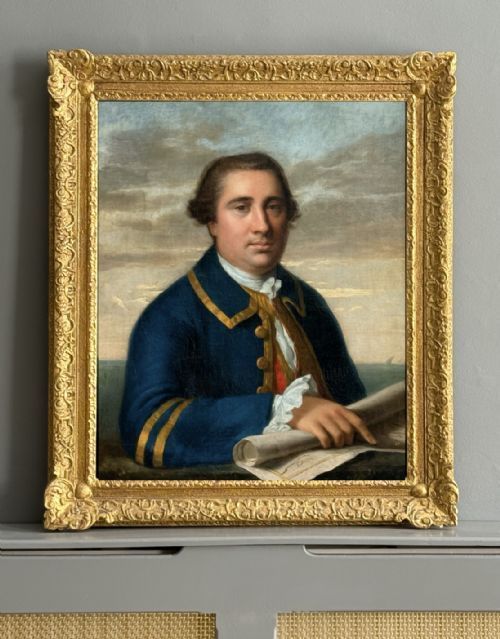
The surrounding frames utilise carved wood finished with gold leaf or gesso gilding, sometimes featuring decorative moulded corners and sight edges. These heavy gilt settings were designed to complement the warm tones and dramatic lighting of marine art.
Several canvases capture smugglers navigating coastal paths with horses alongside traditional tall ships.
What varies in quality
Quality rests in the precision of the maritime subject matter, the handling of light on the water, and the condition of both the painted surface and the gilt frame. Finer works demonstrate a deep understanding of rigging, hull construction and sea behaviour.
The integrity of the original gold leaf frame significantly influences the overall character of the piece. Intricate moulding and well-preserved gilding elevate the presentation of the artwork.
Lemuel Francis Abbott·Eugène-Louis Gillot·William McAlpine·Reginald Arthur Borstel·James Kay·Frank Watson Wood·Bernard Gribble·Bonaventura Peeters·Francis Moltino·Willem Bos·John Wilson Carmichael·Abraham Cooper·Thomas Hodgson Liddell·William Henry Williamson·John Holland·Bernard Benedict Hemy·George Stanfield Walters
The Gold Frame Maritime Paintings Glossary
- Giltwood
- Wood that has been coated with gold leaf or gold powder. This material forms the characteristic bright borders surrounding historical marine canvases.
- Marine art
- Artistic representation of ships, maritime scenes, coastal views and naval battles. This genre encompasses both documentary records of shipping and romantic coastal landscapes.
- Gesso
- A plaster-like mixture applied to wood frames before gilding. It provides a smooth surface for laying down gold leaf.
- Canvas
- Heavy woven fabric used as a support surface for oil paintings. Artists stretch this material over wooden frames before applying paint.
- Watercolour
- Paint consisting of pigment suspended in a water-soluble binder. These works on paper capture lighter, more translucent atmospheric effects.
Gold Frame Maritime Paintings: Frequently Asked Questions
How do I date a maritime painting?
Dating relies on the ship types, clothing styles of figures, framing techniques and signatures recorded on the canvas. Details like sail configurations and naval uniforms often point to specific decades.
Examining the stretcher bars, canvas weave and backing materials provides further clues to the age of the physical object.
Where should I hang a marine painting?
These works suit dining rooms, libraries and hallways where traditional decor complements the dark tones of shipping scenes and bright gilt frames. Position them away from direct sunlight to protect the pigments.
Ensure the wall can support the weight of heavy wood and gesso frames.
Are these paintings original works?
The selections consist of hand-painted works including original oils on canvas, panel and watercolours rather than modern reproductions. Each piece reflects the individual hand of the artist.
Signatures, attributions and period materials confirm their historical status.
What is the difference between marine and maritime art?
Marine art focuses specifically on ships, boats, naval battles and the sea itself. Maritime art covers a broader scope that can include coastal towns, harbours and shore-based activities.
Both categories frequently overlap in nineteenth-century collections.