
Glazed Stoneware Vessel
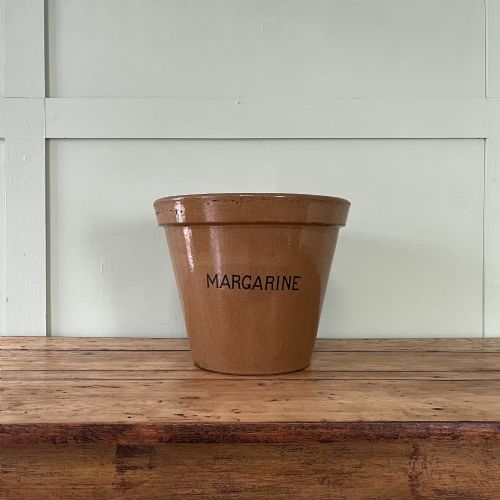
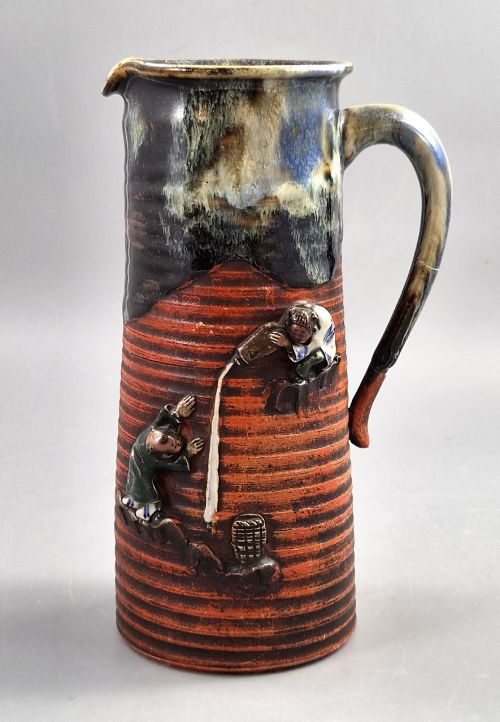
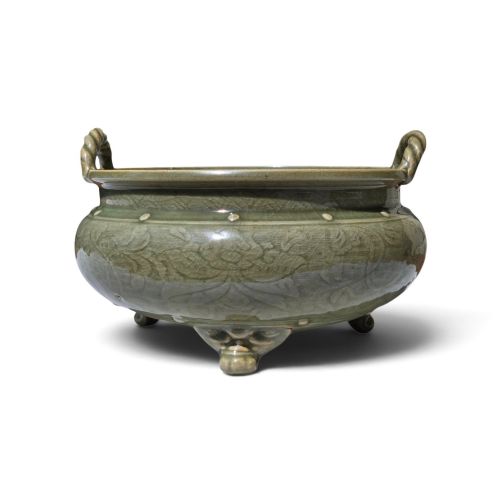
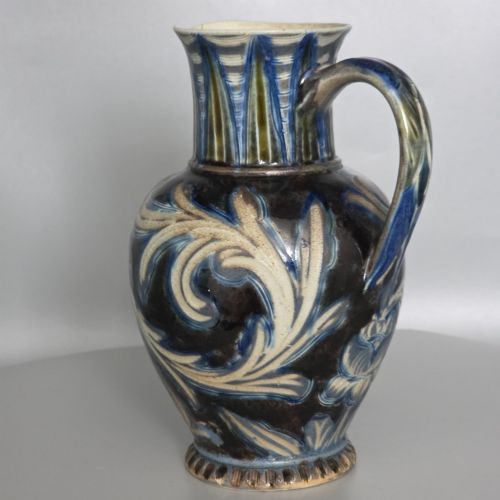
These glazed stoneware vessel selections offer durable ceramic utility and decorative presence spanning centuries of skilled kiln work.
Glazed Stoneware Vessel
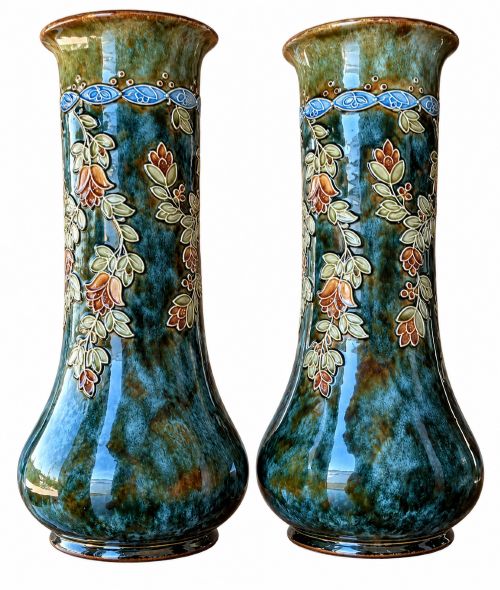
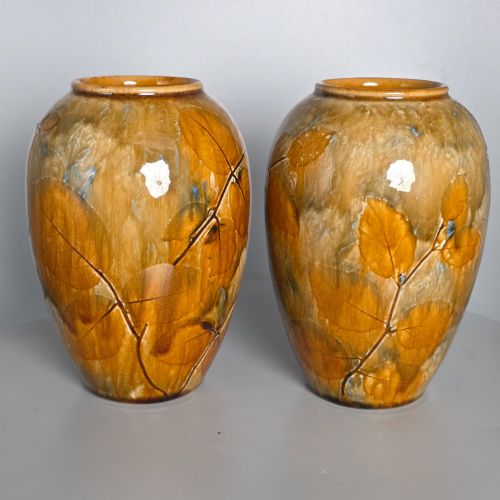
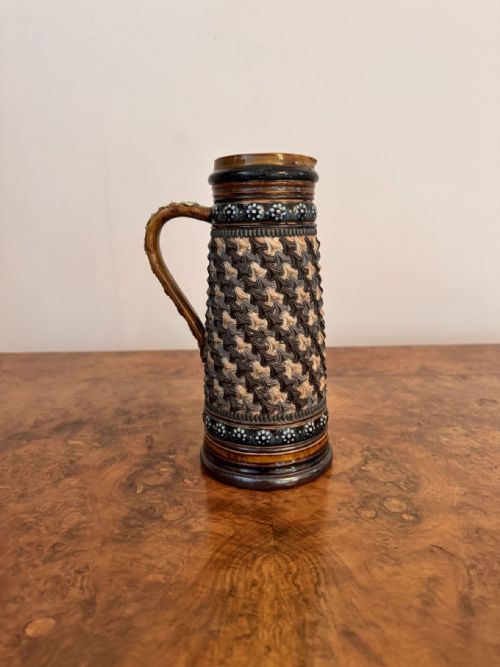
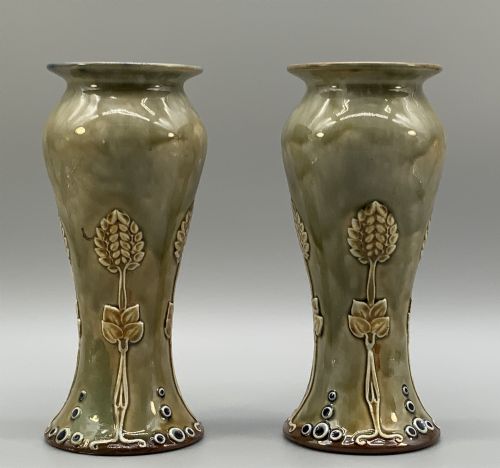
A glazed stoneware vessel encompasses utilitarian containers and decorative pieces shaped from dense clay, fired at high temperatures, and coated with impervious finishes. When searching for a glazed stoneware vessel, collectors frequently encounter Victorian British studio pieces, German salt-glazed jugs, and French country jars.
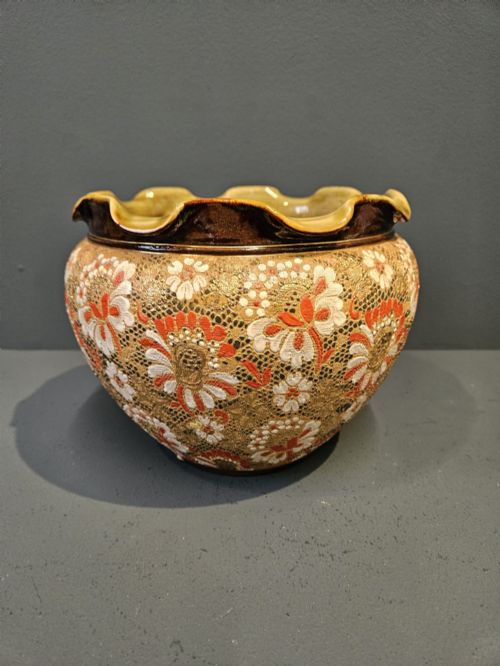
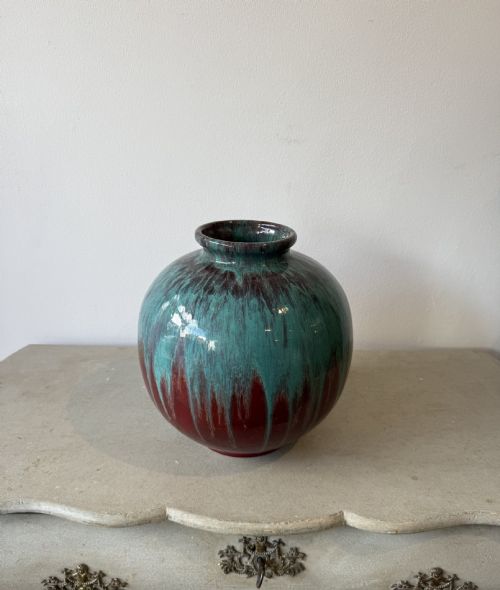
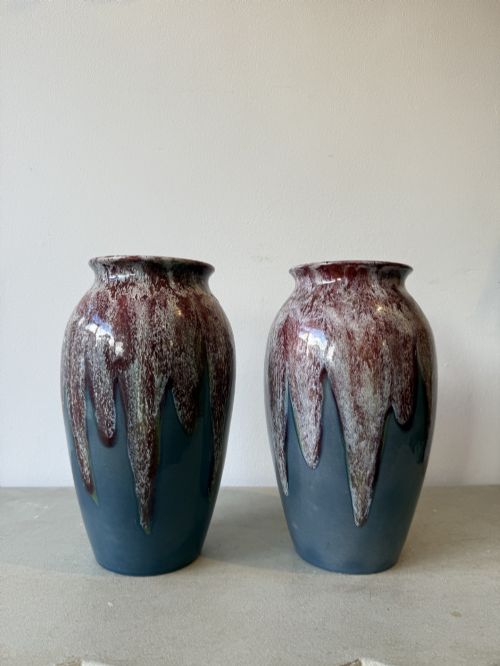
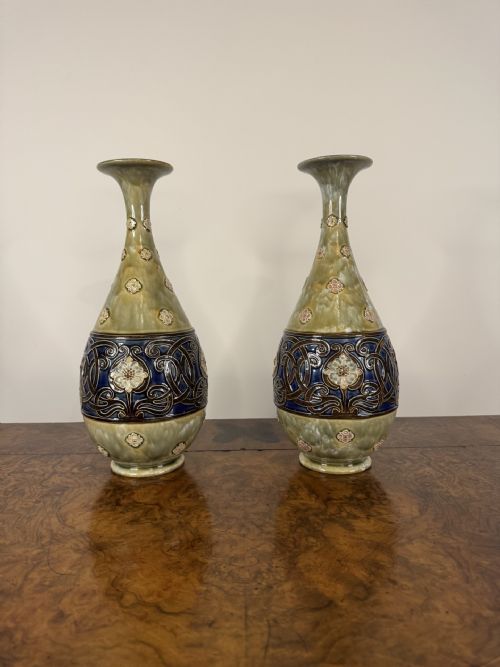
The inventory ranges from tall baluster vases and heavy storage crocks to domestic jugs, pitchers, and jardiniere planters. Many examples reflect domestic utility transformed into ornamental art through surface decoration and coloured glazes.
Origins stretch from eighteenth-century European salt-glaze workshops to late nineteenth-century British art potteries. These functional and decorative items served as water vessels, tavern jugs, wine bottles, and decorative interior focal points.
How they were made
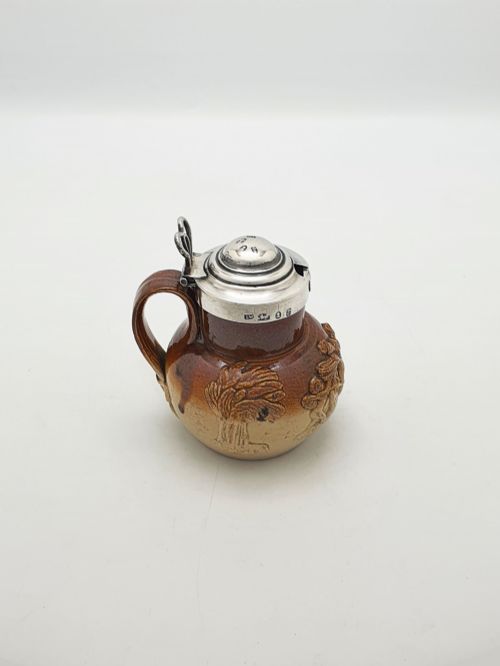
Potters shaped dense clay on the wheel or in moulds before applying salt glaze, slip, or coloured glazes to the exterior. Salt glazing involved throwing common salt into the kiln during high-temperature firing, creating a distinctive orange-peel texture across the stoneware body.
Surface ornamentation often involved incised patterns, applied sprigs, or moulded reliefs executed before the final kiln firing. Metal additions, such as sterling silver collars and hinged lids, were fitted by silversmiths after the ceramic body was complete.
Water filtration vessels patented in the Victorian era promised households pure drinking water straight from local wells.
What varies in quality
Execution of surface decoration separates standard utilitarian containers from master-worked art pottery. Crispness in incised floral motifs and precision in applied salt-glaze textures indicate superior studio output.
Signatures, monograms, and factory stamps from notable decorators or established potteries elevate individual items. The integration of secondary materials, such as hallmarked sterling silver mounts, points to higher original commissioning standards.
Royal Doulton Lambeth·Westerwald potteries·Mettlach Pottery·Dee Filter Company
The Glazed Stoneware Vessel Glossary
- Salt glaze
- A vitreous silicate coating formed on pottery by throwing salt into the kiln during high-temperature firing. This process produces a characteristic textured surface resembling orange peel.
- Stoneware
- A dense, hard ceramic fired at high temperatures until vitrified and non-porous. It resists liquids completely even without interior glazing.
- Slipware
- Pottery decorated with slip, which is a liquid clay mixture applied to the wet or leather-hard body before firing. Artisans use this technique for trailing linear patterns or coating entire surfaces.
- Tyg
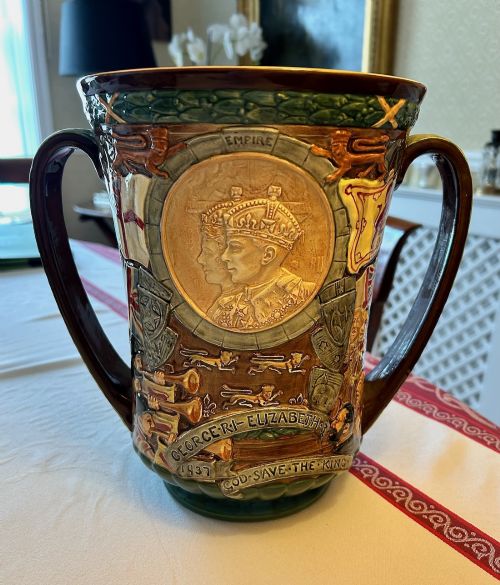
- A large drinking cup featuring three or more handles designed for communal passing around a table. These vessels date back to medieval times and continued in production through later centuries.
- Baluster
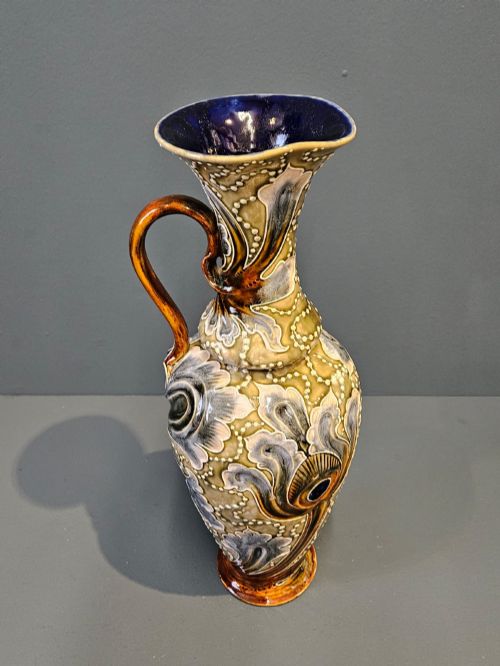
- An architectural shape featuring a rounded lower body tapering to a narrower neck. Ceramic vases often adopt this profile for balanced proportions.
Glazed Stoneware Vessel: Frequently Asked Questions
How do I clean a glazed stoneware vessel?
Wash the ceramic gently using warm water and a soft cloth to protect the historic glaze or surface decoration. Avoid harsh chemical cleaners that might penetrate porous unglazed areas or damage old metal mounts.
Dry the piece thoroughly with a lint-free towel after washing. Take particular care around sterling silver collars or hinged lids to prevent moisture retention.
Are these vessels safe for holding liquids?
Dense stoneware is inherently vitrified and holds water naturally without leaking through the ceramic body. However, older vessels with hairline fissures or historic repairs should only be used for dry display.
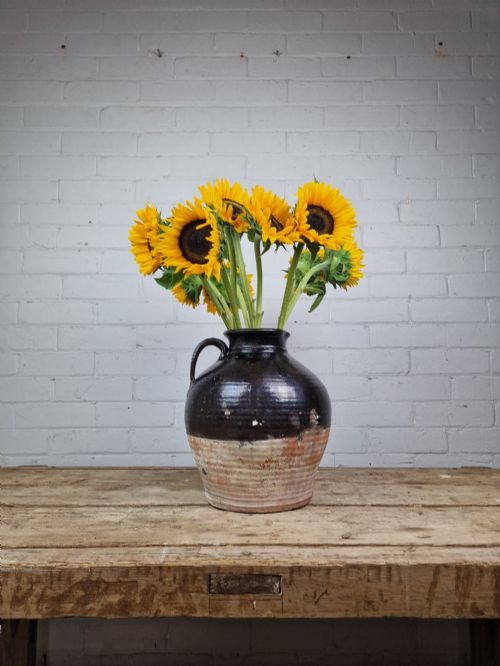
Pieces featuring metal collars or internal filters require careful inspection before exposure to liquids. Modern usage is best limited to cut flowers or decorative placement unless the piece is fully tested.
How can I date an old salt-glaze jug?
Examine the base, handle attachment style, and any applied royal ciphers or maker stamps. Early German pieces often feature incised cobalt blue decoration and distinct salt-glaze pitting characteristic of historical wood-fired kilns.
British examples from later centuries frequently bear factory marks or artist monograms. Comparing the typography of stamped numbers or lettering helps narrow down the production decade.
What is the difference between earthenware and stoneware?
Earthenware is fired at lower temperatures and remains porous unless covered entirely with an impermeable glaze. Stoneware fires at much higher temperatures, causing the clay body to vitrify and become completely dense and waterproof.
Stoneware resists chipping more effectively than earthenware and carries heavier weight. Antique salt-glazed pieces utilise stoneware bodies for durability in domestic storage.