

Red Glaze Ceramic Vase
A red glaze ceramic vase brings rich, high-fired colour to a room, offering tactile depth through fluid finishes and striking metallic copper tones.
Red Glaze Ceramic Vase
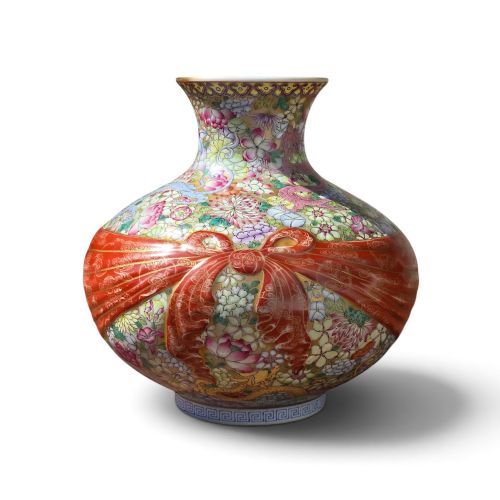
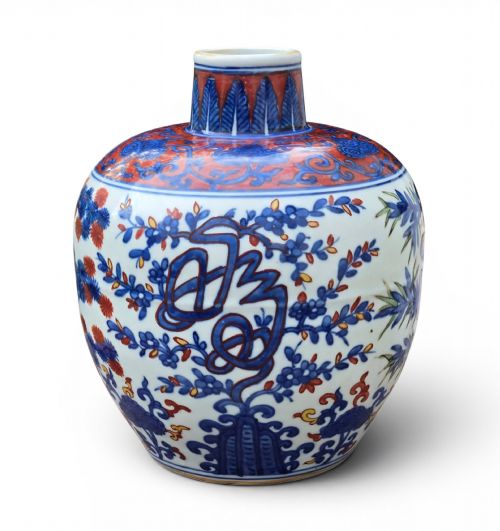
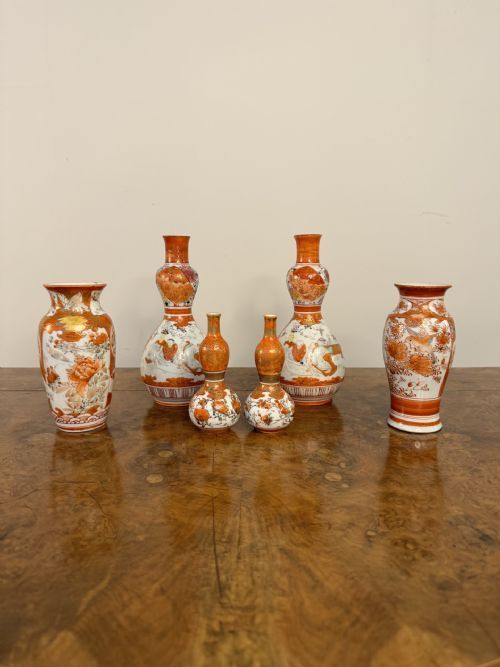
A red glaze ceramic vase encompasses works ranging from nineteenth-century Chinese monochrome porcelains to British art pottery and Japanese wares. When searching for a red glaze ceramic vase, buyers encounter diverse forms shaped across the nineteenth and twentieth centuries.
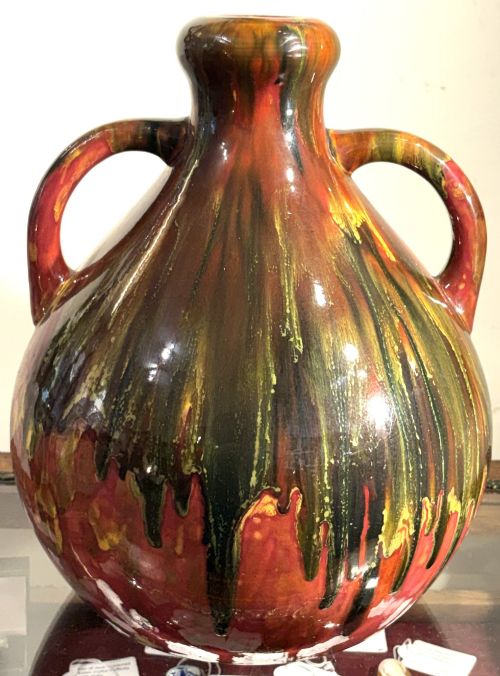
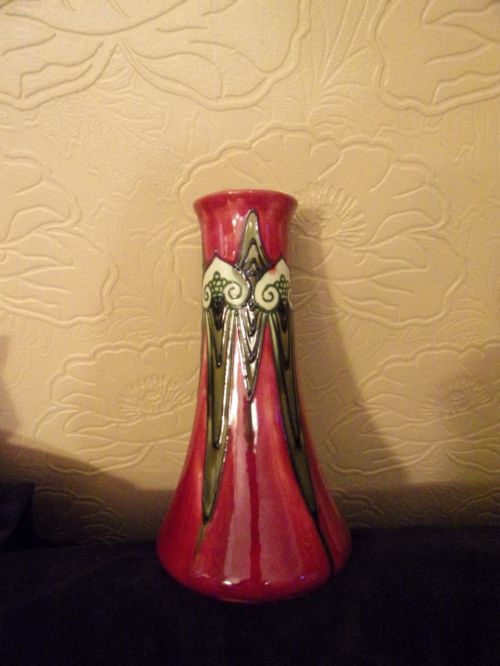
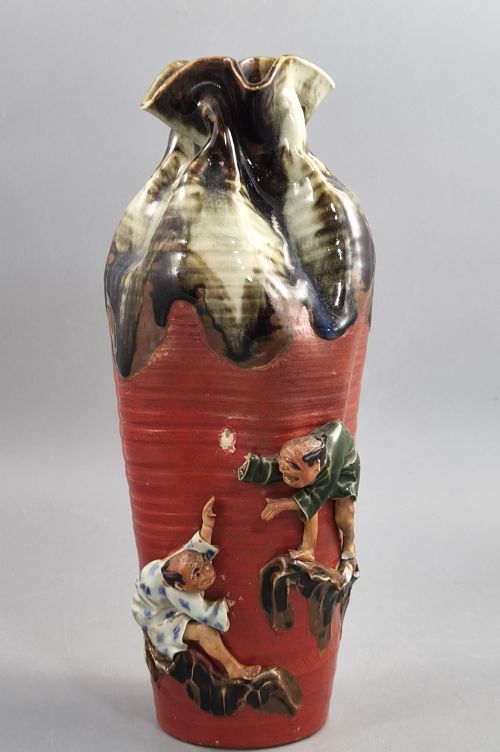
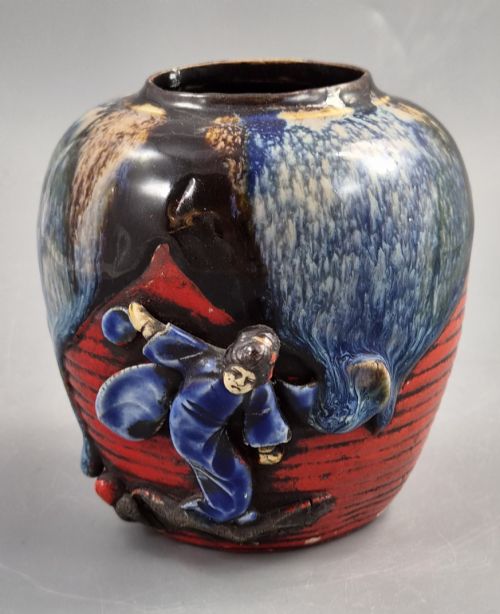
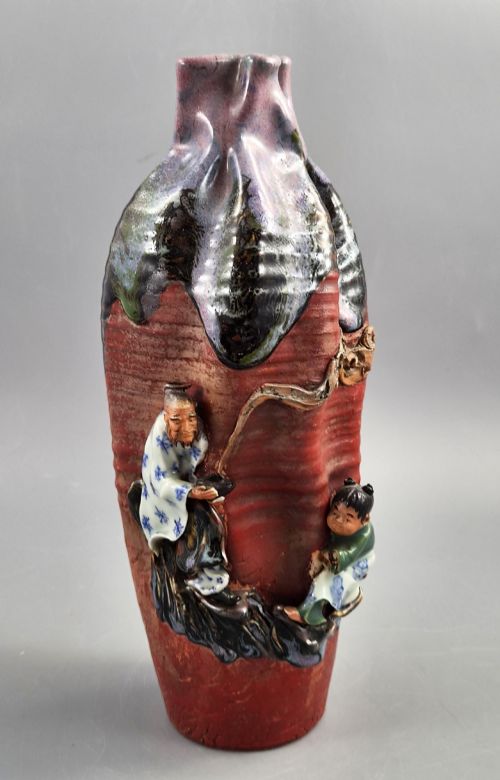
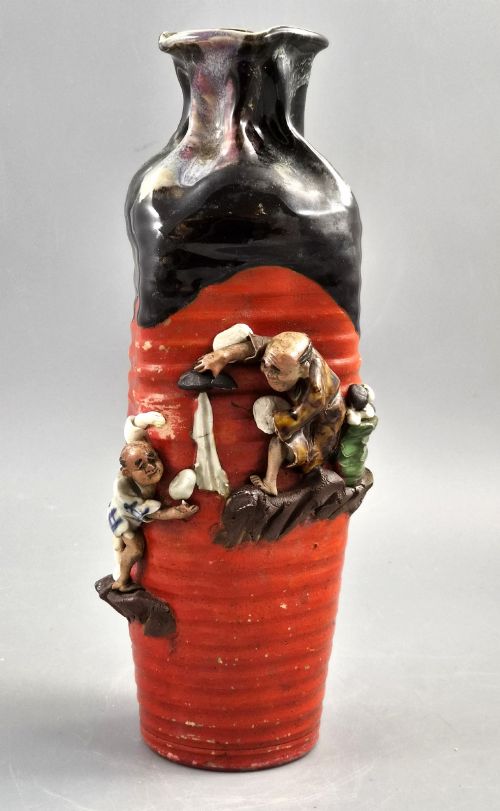
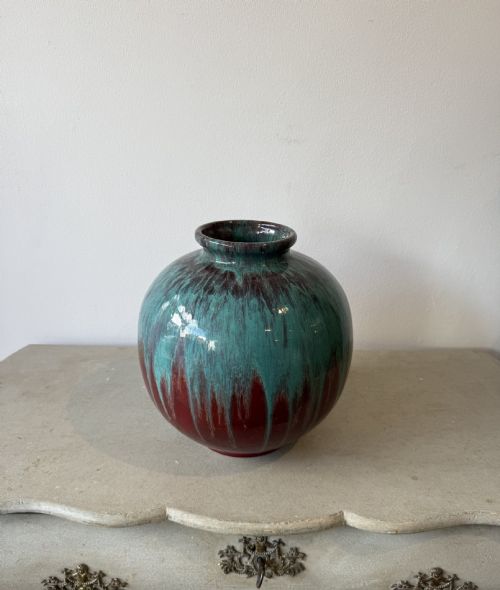
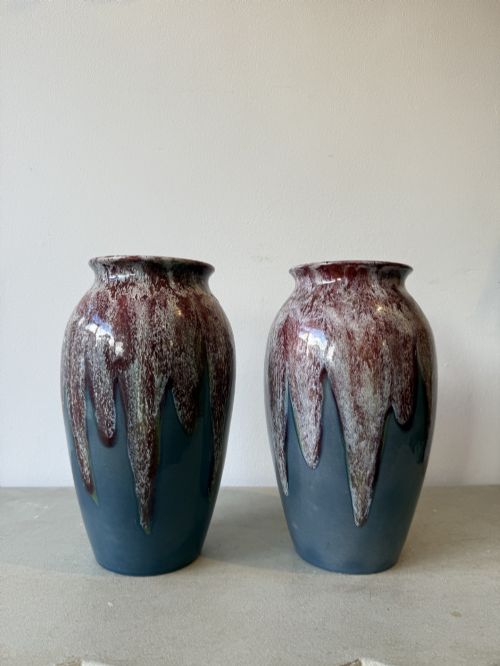
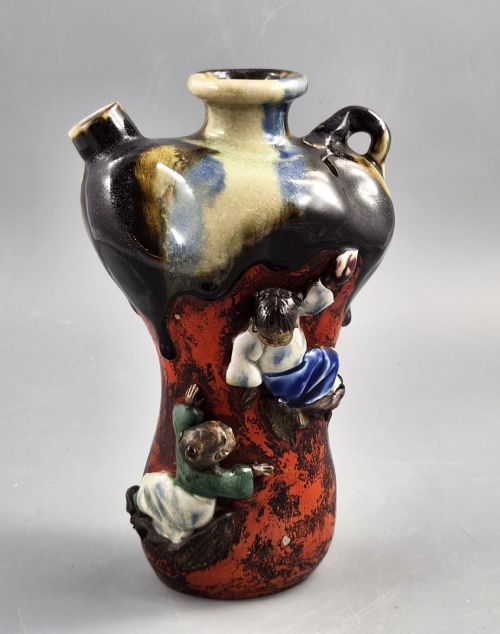
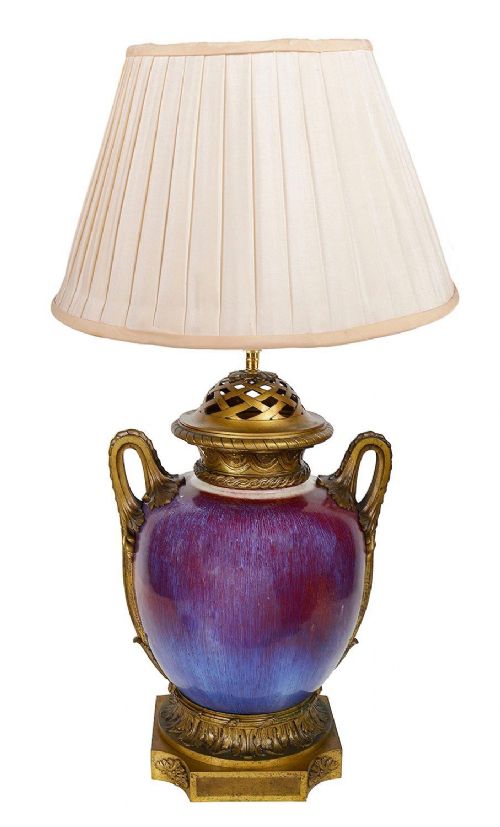
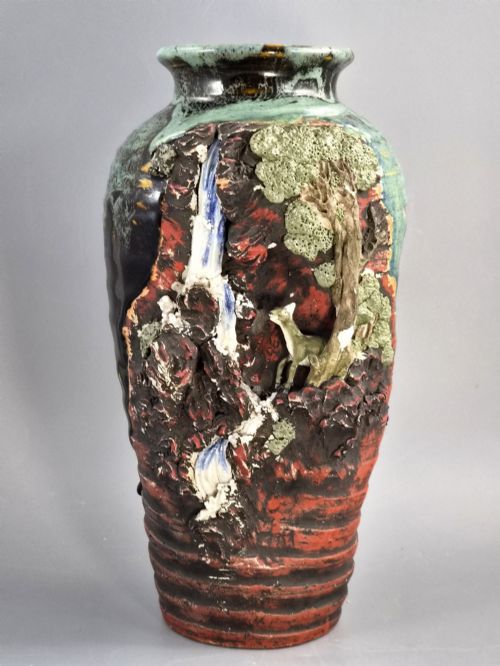
The selection on this page leans heavily towards Japanese Sumida Gawa art pottery, Chinese Sang de Boeuf vessels, and British studio pottery from the Edwardian period. These pieces present robust bodies coated in striking crimson, flambé, and copper-red finishes.
How they were made
Potters utilised earthenware, stoneware, and porcelain bodies as foundations for complex chemical glazes containing copper and iron oxides. High-temperature kiln firings controlled oxygen levels to transform these metallic oxides into vibrant red, mottled purple, and streaked flambé effects.
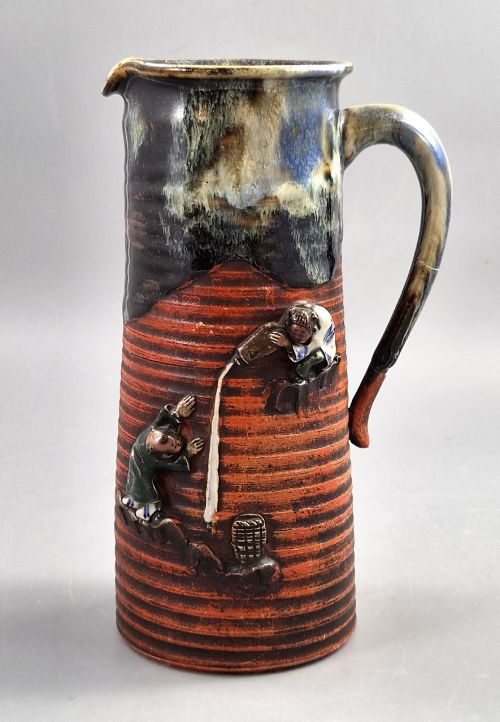
Many items incorporate applied decorative elements such as modelled figures, raised slip trailing, or tube-lined outlines beneath the glaze. Surface textures range from smooth crackle finishes to heavily modelled sculptural landscapes.
Several vases feature tiny modelled figures climbing up the rims as if attempting to escape the glaze.
What varies in quality
Quality rests in the control of the glaze and the precision of the form, where copper reduction produces deep crimson tones rather than dull browns. Superior examples display complex pooling and crystalline depth within the glassy surface.
Artistry in modelled details distinguishes exceptional items, particularly where applied figures and landscapes integrate seamlessly with the vessel body. Maker signatures and factory marks provide further distinction among studio and export ceramics.
Minton Secessionist·Inoue Ryosai·William Moorcroft·Doulton Slater
The Red Glaze Ceramic Vase Glossary
- Sang de Boeuf
- Ox-blood red glaze originating in Chinese ceramics, characterised by a rich copper-derived crimson hue. This copper glaze requires precise reduction firing.
- Flambé
- A streaked or mottled glaze achieved by high-temperature kiln reactions that cause copper and other metallic oxides to flow unpredictably. Each vessel displays a unique pattern of colour integration.
- Tube-lined
- A decoration technique where liquid clay is squeezed through a nozzle onto the ceramic body to form raised outlines. These outlines contain subsequent glazes within defined compartments.
- Sumida Gawa
- Japanese pottery originating in Tokyo, notable for heavy, melting glazes and applied sculptural figures. Pieces often depict detailed narrative scenes in high relief.
Red Glaze Ceramic Vase: Frequently Asked Questions
How do I care for a ceramic vase?
Keep ceramic vases out of direct sunlight to protect surface pigments and glazes from fading over decades.
Clean surfaces gently with a dry or barely damp cloth, avoiding harsh chemical cleaning agents entirely.
What is flambé glaze?
Flambé glaze is a glossy, variegated finish produced when metallic oxides melt and blend during intense kiln firings.
This unpredictable process creates distinctive streaks of red, blue, and purple across the ceramic body.
How are periods identified?
Periods are determined by examining factory marks, glaze compositions, and stylistic conventions typical of specific manufacturing eras.
Comparative study of potting techniques helps separate nineteenth-century export wares from later twentieth-century studio pieces.