
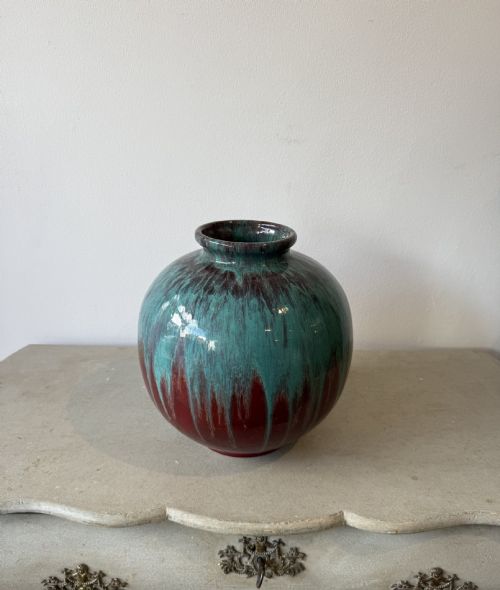
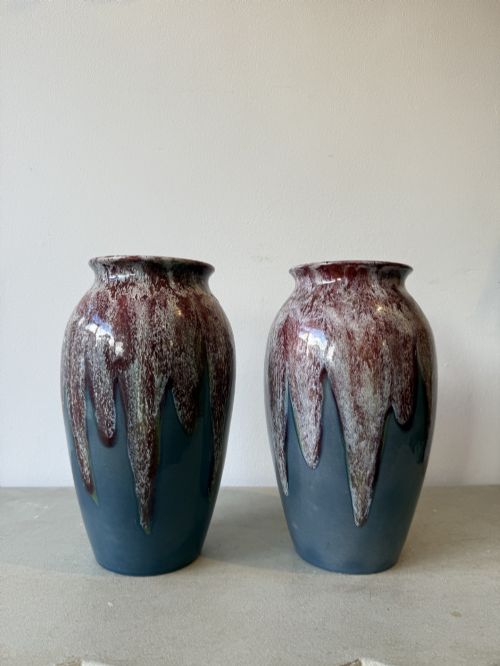
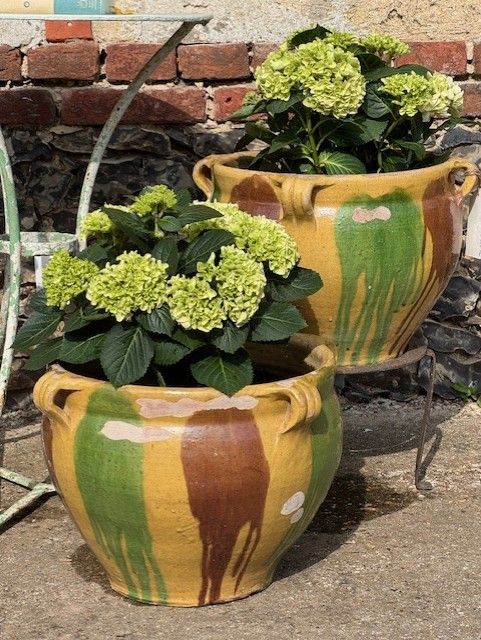


Vintage Drip Glaze Pottery
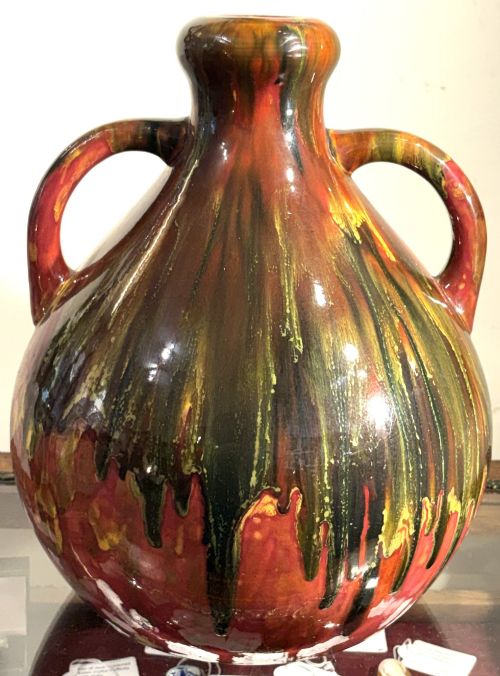
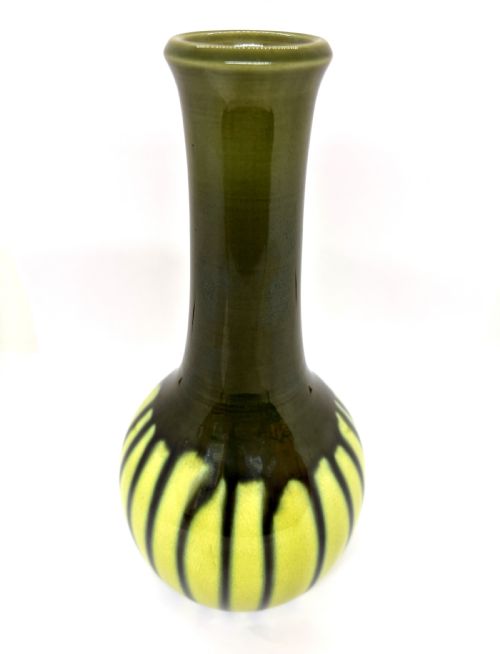
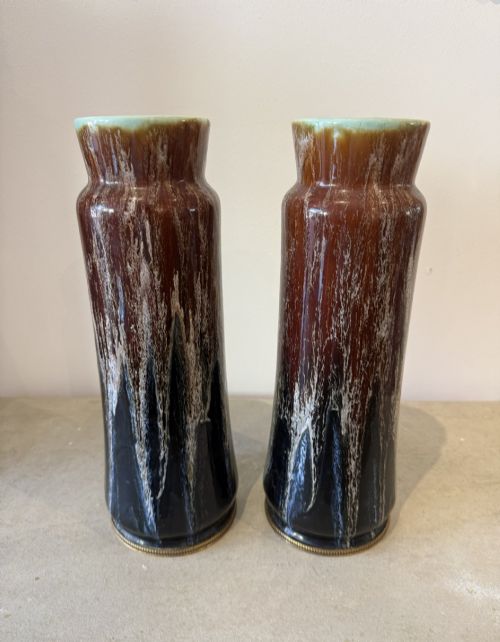
These pieces of vintage drip glaze pottery bring rich, layered surface textures and organic colour runs straight into your rooms.
Vintage Drip Glaze Pottery
Vintage drip glaze pottery encompasses earthenware, stoneware, and terracotta vessels created across the late nineteenth and twentieth centuries. Buyers searching for vintage drip glaze pottery frequently encounter tall vases, twin-handled vessels, planters, and chambersticks shaped in distinctive styles.
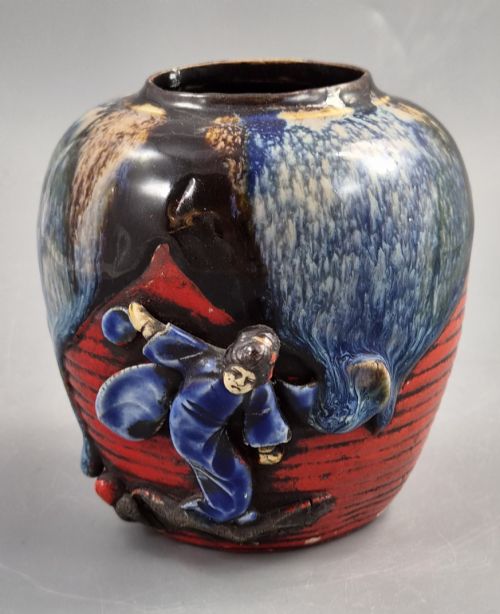
The objects on this page bridge several distinct design movements, including Arts and Crafts, Art Nouveau, and mid-century French provincial output. You will find items originating from British potteries, French kilns, Japanese workshops, and Chinese kilns sharing similar glaze characteristics.
Vases and planters dominate the available selection, often standing out through heavy, viscous surface treatments. These forms serve as functional vessels or standalone decorative sculptures for modern interiors.
Materials and construction methods
Potters built these pieces using traditional earthenware, stoneware, or terracotta bodies shaped by hand or thrown on a wheel. The dense clay bases provided stable foundations for heavy liquid coatings.
Makers applied multiple layers of ceramic glaze to the raw or fired clay bodies, allowing the fluid top coats to run downward naturally during firing. This gravity-driven technique created distinctive overlapping pools and dramatic surface textures across vases and jars.
Listings span periods from 1880 to 1960, featuring earthenware, stoneware, and terracotta.
Distinguishing quality across the range
Quality in these pieces rests upon the intentional control and chemical complexity of the glaze run rather than a simple thick application. Superior examples display harmonious colour interactions and controlled pooling that accentuates the underlying form of the vessel.
The definition and weight of the clay body beneath the glaze also dictate the standard of the piece. Well-thrown forms with crisp structural lines support complex surface finishes far better than heavily distorted shapes.
The Vintage Drip Glaze Pottery Glossary
- Earthenware
- A porous pottery body fired at lower temperatures than stoneware. It requires a glazed surface to become completely watertight.
- Stoneware
- A dense, impermeable ceramic fired at high temperatures until the clay body vitrifies. It offers exceptional durability for heavy vessels and planters.
- Terracotta
- An unglazed or glazed brownish-red earthenware clay used widely for garden pots and sculptural forms. The natural reddish body shows warmth beneath translucent glazes.
- Flambé glaze
- A complex ceramic finish achieved through reduction firing in the kiln. It produces variegated, streaked colour effects that often resemble flowing molten metal or deep crystalline pools.
Vintage Drip Glaze Pottery: Frequently Asked Questions
What is vintage drip glaze pottery?
Vintage drip glaze pottery refers to ceramic objects featuring glazes designed to run, drip, or pool down the sides during the kiln firing process. These pieces span multiple decades and stylistic movements, unified by their dynamic surface treatments.
Such ceramics range from late nineteenth-century British art pottery to mid-century French provincial planters and Japanese export wares. Each piece captures a distinct moment in kiln chemistry and hand-finished design.
How do I clean drip glaze vases?
Clean these ceramic pieces gently using warm water and a soft cloth to remove dust and surface debris. Avoid harsh chemical cleaners or abrasive scouring pads that might dull the glossy finish of the glaze.
Take extra care around older earthenware bodies that may have micro-fissures in the glaze layer. Submerging porous historic ceramics in water for extended periods can cause internal moisture damage.
Can I use these planters for live plants?
Many vintage pots and planters function well for holding potted plants, provided you check the interior for drainage holes. If a vessel lacks drainage, use it as a decorative cachepot by placing a separate plastic pot inside.
Protect delicate wooden furniture by placing a cork or felt pad underneath heavy ceramic planters. Moisture can occasionally seep through unglazed bases or hairline fissures in older clay bodies.
How do I tell different periods apart?
Dating these ceramics relies heavily on identifying the stylistic markers of the maker, such as Arts and Crafts linearity or mid-century provincial forms. Examining the base of the vessel often reveals studio marks, impressed numbers, or clay characteristics specific to certain eras.
Early pieces from the nineteenth century frequently employ heavier earthenware bodies with organic Art Nouveau or Arts and Crafts motifs. Mid-century examples tend to feature bolder, brighter pigment combinations and looser, more experimental glaze runs.