


Glazed Stoneware Planter
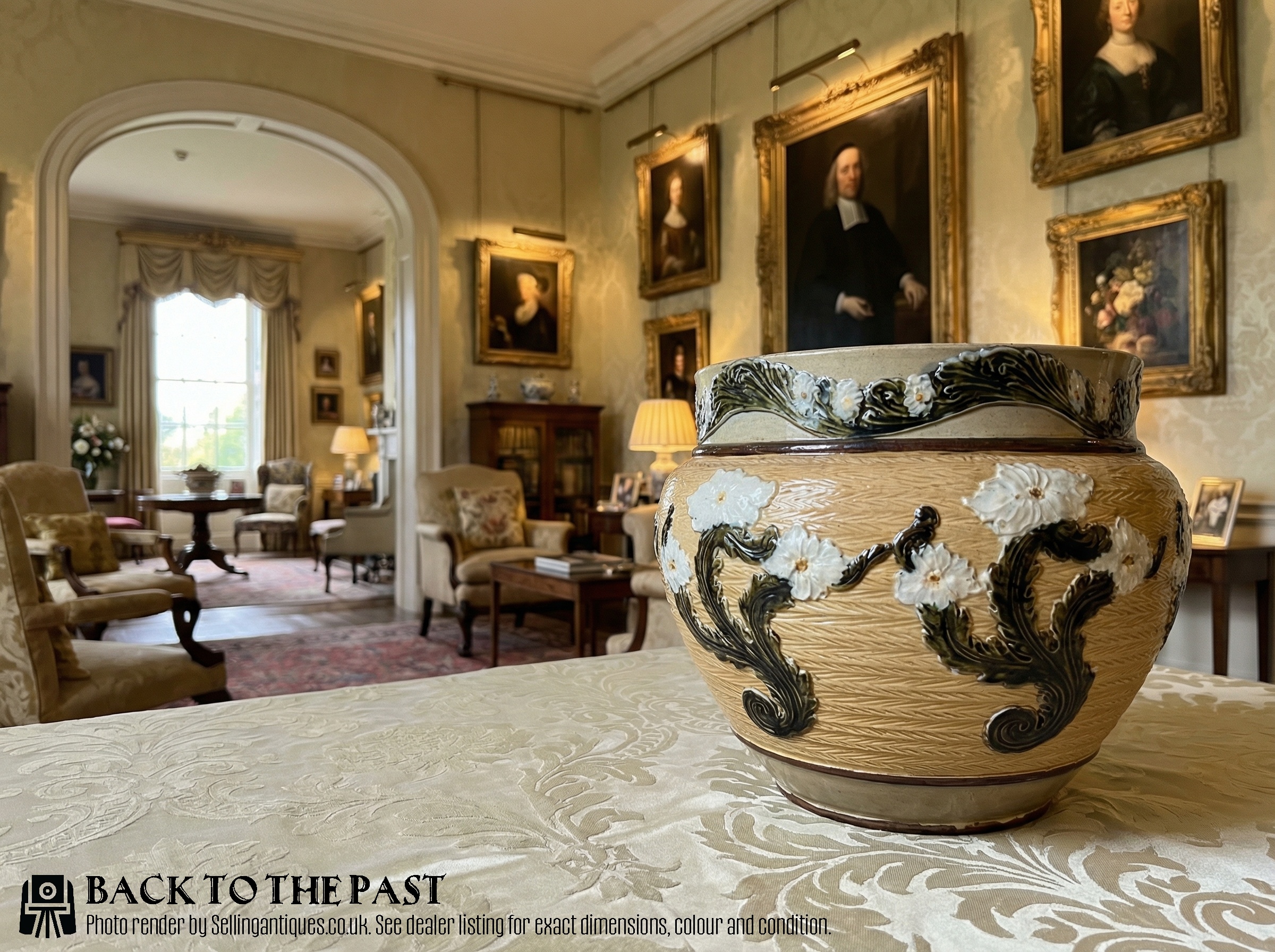
These glazed stoneware planters are robust vessels designed to house greenery, offering enduring charm for both interior rooms and garden spaces.
Glazed Stoneware Planter
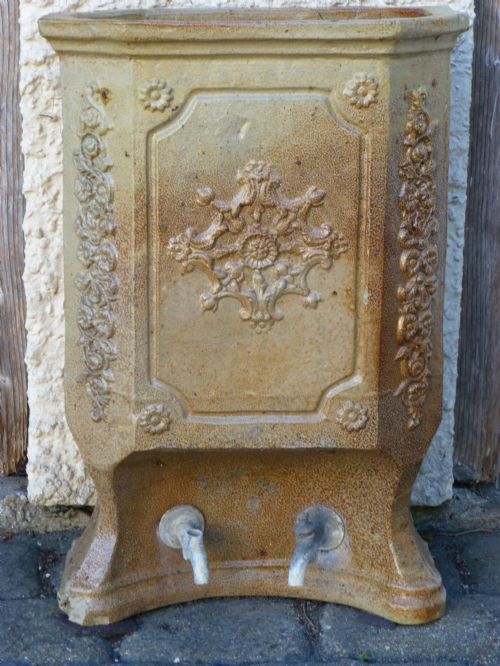
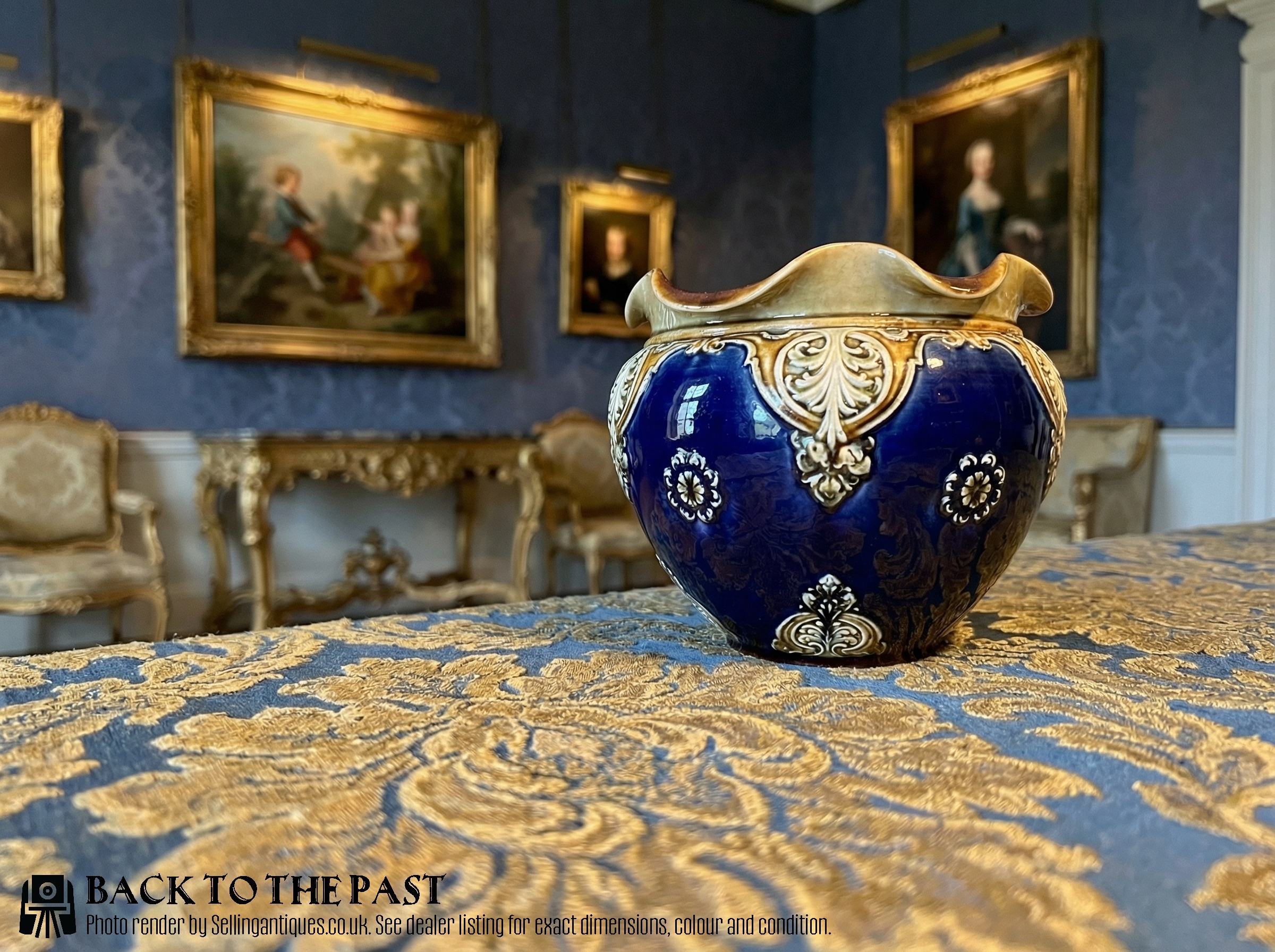
When you search for a glazed stoneware planter, you encounter a selection of heavy-duty earthenware and ceramic vessels spanning the nineteenth century through to the early twentieth century. The forms range from traditional jardinieres and log bins to specialised strawberry planters, bonsai bowls, and filtration fountains.
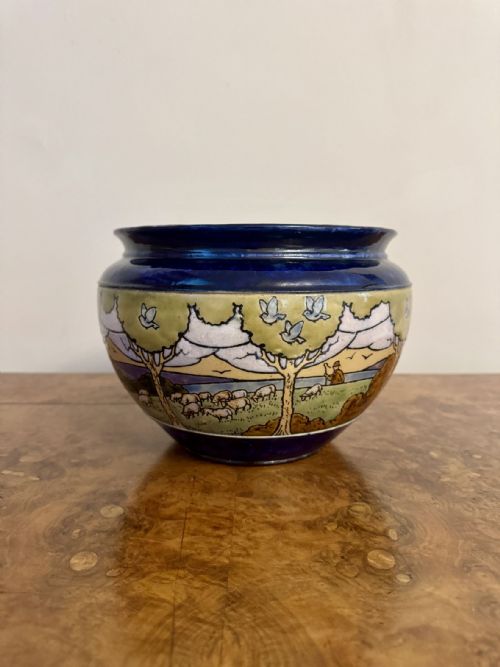
You are most likely to meet pieces produced during the Victorian and Arts and Crafts eras, often bearing the marks of prominent English potteries like Doulton or continental workshops. These items combine functional utility with distinct decorative treatments, from salt glaze textures to intricate patterned surfaces.
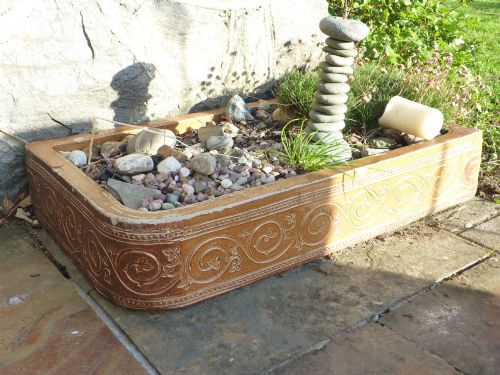
The assortment also includes French provincial terracotta and salt glazed troughs, alongside Chinese ceramic bowls that reflect diverse global influences on nineteenth-century interior design. Each piece demonstrates the heavy utilitarian construction methods typical of fired ceramic and stoneware manufacturing.
Materials and construction
Makers utilised dense stoneware and heavy terracotta bodies, which were shaped by hand or thrown on large wheels to withstand moisture and heavy soil loads. The body material determines the structural weight and frost resistance of each vessel.
Glazing techniques varied from traditional salt glazing, which creates a textured orange-peel surface during kiln firing, to smooth green lead glazes and specialised Slaterware finishes. These surface treatments sealed the porous clay bodies while introducing varied colour and tactile depth.
Nineteenth-century potters occasionally shaped heavy garden troughs to look like knotted tree trunks, fooling visitors into planting ferns inside logs.
Assessing quality and craftsmanship
Quality rests in the crispness of applied ornament and the depth of the glaze, where deliberate pattern work outperforms plain utilitarian moulding. Superior examples show careful attention to detail in hand-incised designs and well-balanced proportions.
The reputation of the producing workshop significantly influences the standing of a piece, particularly items bearing recognised signatures or model numbers from established potteries. Condition and structural integrity within the heavy ceramic body also separate standard utility vessels from notable decorative examples.
Doulton Lambeth·Royal Doulton·Doulton Burslem·Guichard Carries·Ethel Beard
The Glazed Stoneware Planter Glossary
- Stoneware
- A type of pottery fired at high temperatures until vitrified, making it impermeable to liquids even without glaze. This dense material resists freezing temperatures and heavy wear.
- Salt glaze
- A glossy, slightly textured finish achieved by throwing common salt into the kiln during high-temperature firing. The sodium reacts with the clay body to form a durable coating.
- Jardiniere
- An ornamental pot or stand designed to hold a live plant or flower arrangement. These vessels typically sit on tabletops or floor pedestals indoors.
- Slaterware
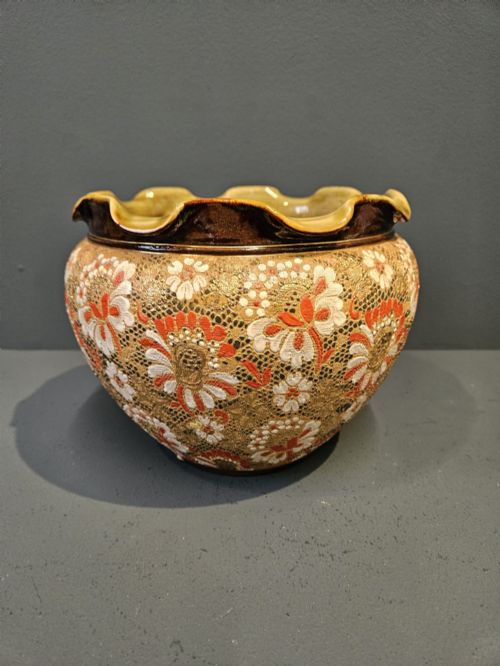
- A ceramic technique involving textured patterns pressed into the damp clay body, often highlighting specialised surface finishes. This method became popular in late nineteenth-century English production.
- Faux bois
- An artistic imitation of wood grain applied to hard materials like stone, terracotta, or concrete. Garden planters utilised this style to mimic natural tree trunks and branches.
Glazed Stoneware Planter: Frequently Asked Questions
Can I use these planters outdoors?
Stoneware and salt-glazed vessels are generally frost-resistant and suited for garden use, provided they feature adequate drainage holes for excess water.
Terracotta and earthenware pieces require careful monitoring during freezing winter conditions to prevent cracking from expanding moisture within the clay body.
How do I clean an antique planter?
Wash the surface gently with warm water and a soft brush to remove accumulated soil and mineral deposits without damaging the historic glaze.
Avoid harsh chemical cleaners or abrasive scouring pads, which can strip away original patination and weaken the fired ceramic surface.
What is Slaterware?
Slaterware refers to a distinct manufacturing method where decorative textures are pressed directly into the damp clay before firing. This technique created patterned surfaces that resemble woven lace or textured fabrics.
Potteries utilised this style extensively during the late nineteenth century to add tactile interest to decorative jardinieres and vases.
How do I identify a Doulton piece?
Look for impressed factory stamps, monogram signatures of individual artists, and specific model numbers located on the base of the vessel. English potteries often stamped their corporate marks into the wet clay prior to the initial kiln firing.
Handwritten artist ciphers can also help pinpoint the specific decorator responsible for the incised or painted ornamentation.