
Glazed Porcelain Figurine
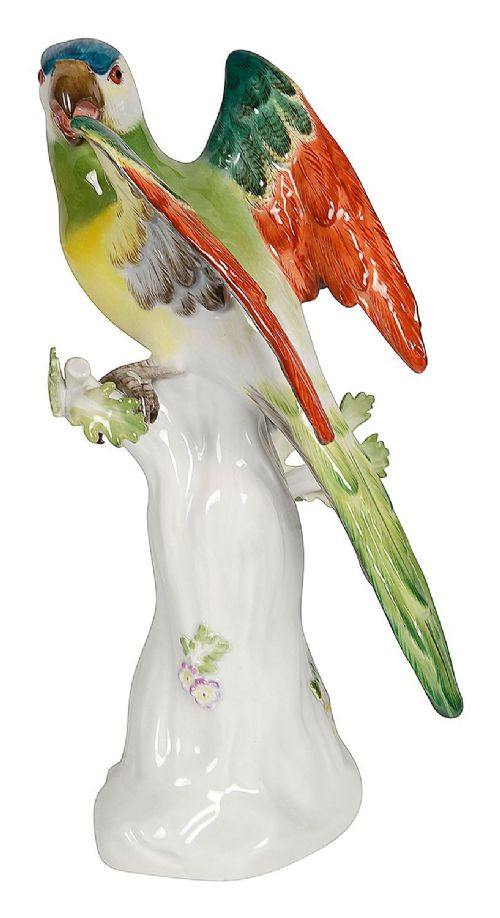
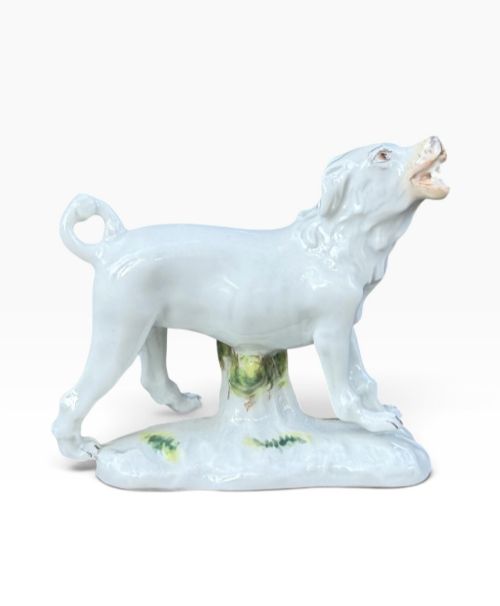
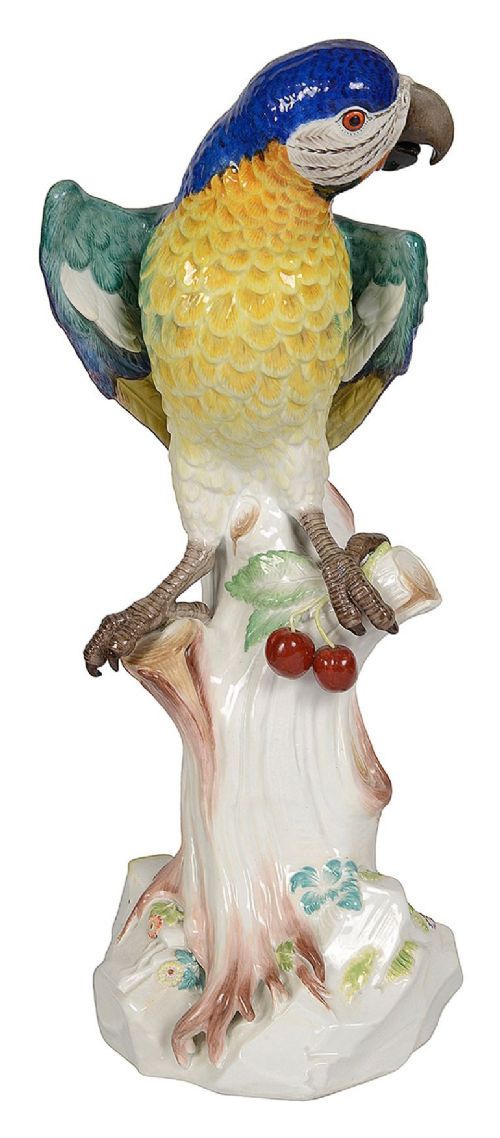
A glazed porcelain figurine brings the character of past centuries directly to a mantelpiece, drawing collectors with detailed hand-painting and modelled forms.
Glazed Porcelain Figurine
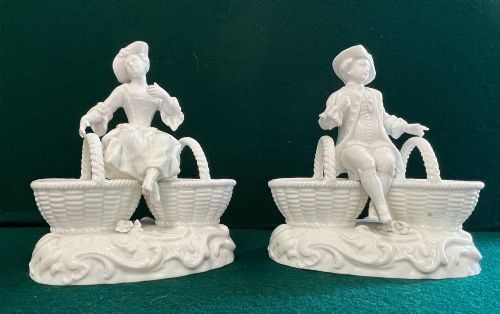
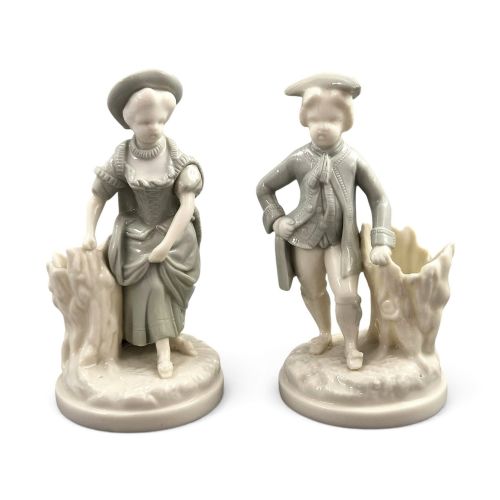
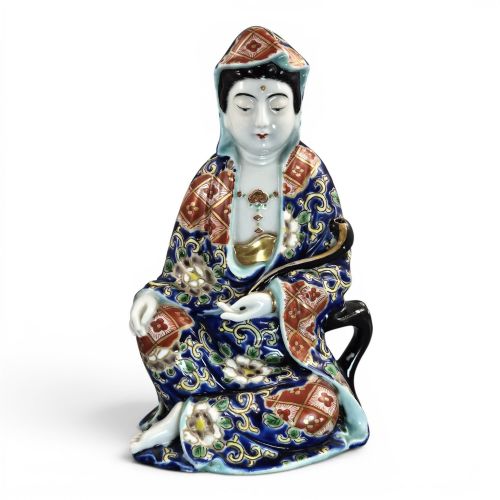
A glazed porcelain figurine captures human, animal and allegorical subjects shaped from fine ceramic clay and fired at high temperatures. These pieces span periods from the Victorian era and the nineteenth century through to the Edwardian years and the nineteen-thirties.
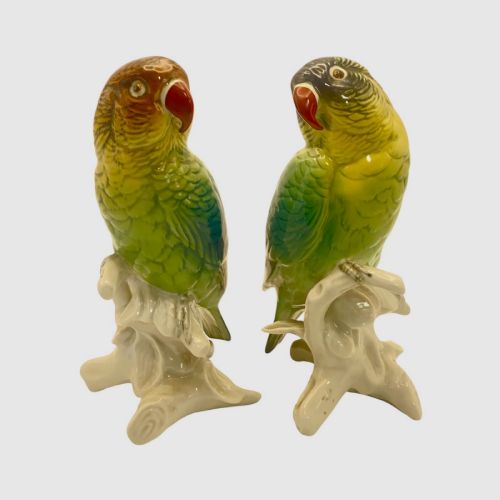
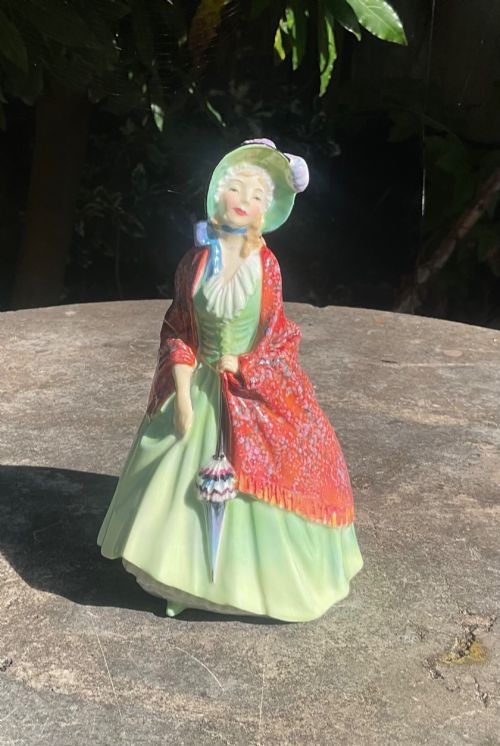
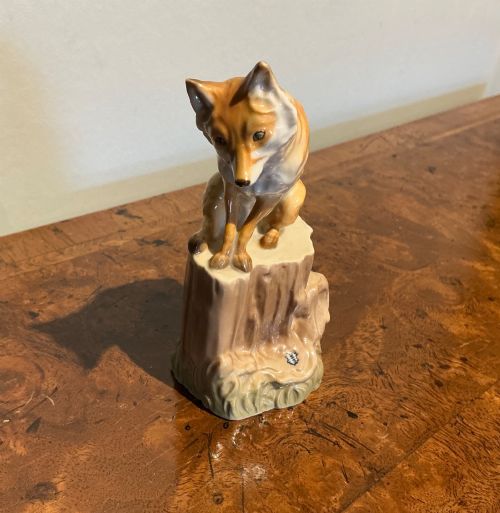
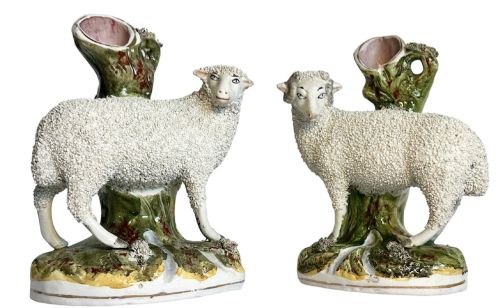
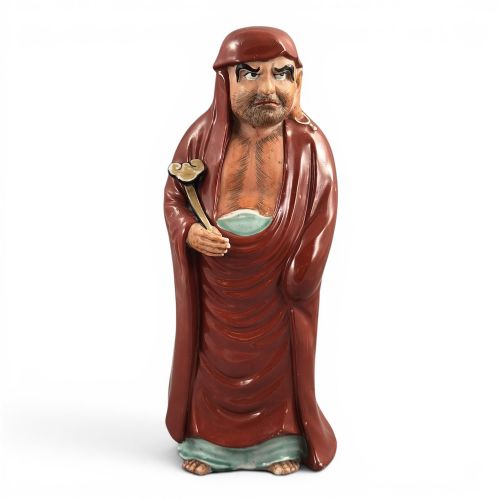
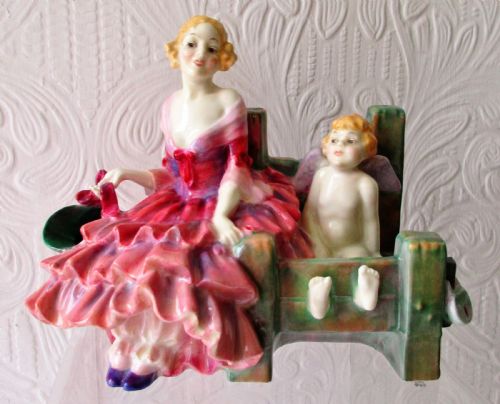
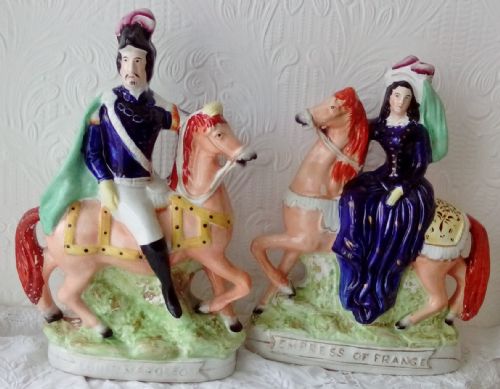
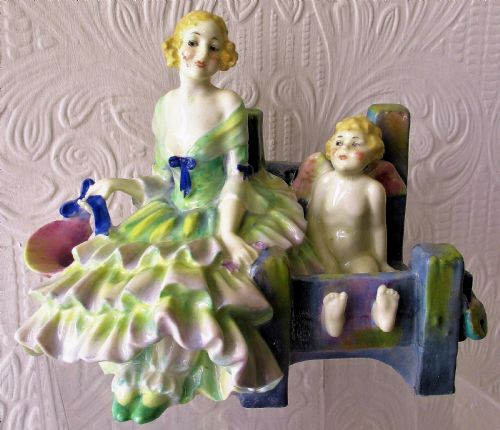
The selections encountered here range widely in origin and style, including Meissen works, Royal Doulton models, Staffordshire earthenware items, and Japanese okimono. Animal studies, such as parrots, dogs and sheep, appear alongside human figures and sculptural groups.
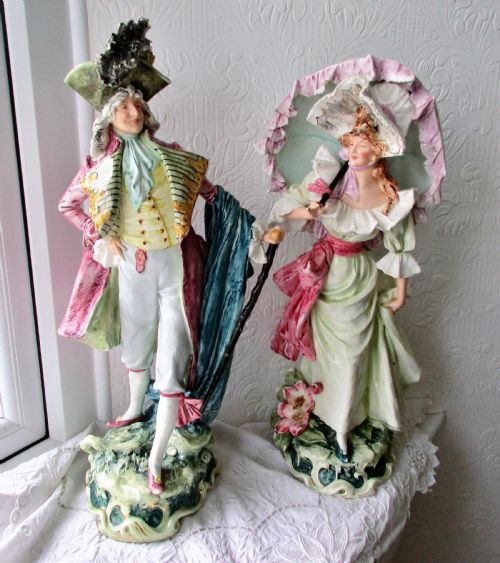
Makers utilised various regional traditions, producing everything from French faience and Italian majolica to Bohemian figures and Chinese porcelain. Buyers routinely encounter both domestic table ornaments and substantial lamps modelled in these glazed ceramic forms.
Materials and Techniques
Makers shaped these objects using porcelain, bone china, earthenware and ceramic bodies, often applying vitreous glazes to seal the surface and impart a glassy sheen. Enamel colours and gold leaf accents were added by hand before secondary firings fixed the decoration.
Factories employed specialised moulding and casting techniques to achieve fine anatomical details in figures, animals and spill vases. The combination of slip-casting or hand-modelling with careful glazing defined the output of European and Asian kilns alike.
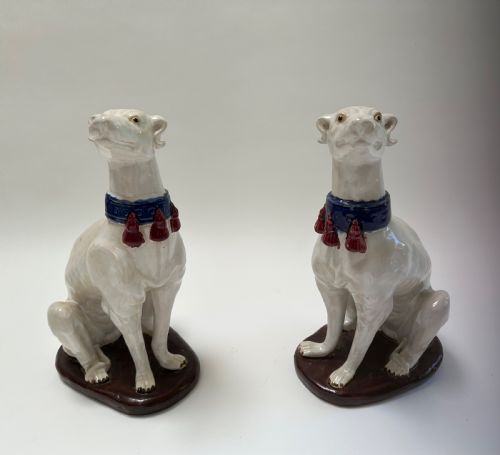
Staffordshire ceramic greyhounds frequently wear cheerful painted collars while holding dead hares.
Judging Quality and Execution
The sophistication of the original design and the reputation of the studio or modeller dictate desirability among collectors. Examples shaped by notable artists or produced by esteemed factories display a superior balance of form and proportion.
Meissen·Karl Ens·Royal Doulton·Nymphenburg·Royal Worcester·Royal Dux Bohemia·Vion & Baury
The Glazed Porcelain Figurine Glossary
- Glaze
- A glassy coating fused to ceramic surfaces during firing to seal the body and provide shine or colour. This vitreous layer protects the underlying porcelain and creates the smooth finish characteristic of these figurines.
- Okimono
- A Japanese decorative carving or figurine intended for display in a household setting. These objects frequently depict traditional figures, deities, and animals modelled in porcelain or ceramic.
- Spill Vase
- A hollow ceramic ornament designed to hold tapered wooden slips used for lighting candles and fires. They often incorporate animal or human figures positioned beside the central holder.
- Enamel
- Opaque or translucent glass fused to metal or ceramic surfaces for decoration. Applied over the initial glaze, enamel adds vibrant colour highlights to the finished figurine.
- Blanc de Chine
- A white porcelain produced in China featuring a translucent glaze that melts into the body. The term translates simply to white from China and describes unpainted monochrome figures.
Glazed Porcelain Figurine: Frequently Asked Questions
What is the difference between porcelain and earthenware figures?
Porcelain is fired at much higher temperatures, resulting in a vitreous, non-porous body that is often translucent when held to the light. Earthenware, such as Staffordshire pottery, uses a coarser clay body that remains porous unless fully covered by glaze.
Figures made from porcelain typically display finer detail and sharper moulding than their earthenware counterparts. Earthenware pieces often present a heavier feel and softer, hand-painted colours beneath the glaze.
How can I tell an older figurine from a later reproduction?
Examine the base for factory marks, stilt marks from kiln supports, and signs of age such as fine crazing in the glaze. Older pieces often exhibit hand-finishing tool marks and minor inconsistencies that reveal human craftsmanship rather than modern industrial moulding.
Researching specific numbering systems, such as Royal Doulton HN numbers, helps verify production eras. Comparing the weight, glaze texture, and pigment style against authenticated examples clarifies the period of manufacture.
Where should I display these figures in my home?
Place figurines on stable shelves, mantelpieces, or inside glass-fronted cabinets away from high-traffic areas where they might be knocked over. Ensure they are positioned out of direct sunlight to prevent fading in the hand-painted enamel colours over time.
Keep them away from direct heat sources such as radiators, which can stress ceramic bodies and old glazes. Adequate lighting from above or inside a cabinet highlights the fine modelling and glossy finish effectively.