

Vintage Ceramic Collectible
A vintage ceramic collectible encompasses everything from Moorcroft vases to Staffordshire toby jugs, offering tangible craft and history for the home.
Vintage Ceramic Collectible
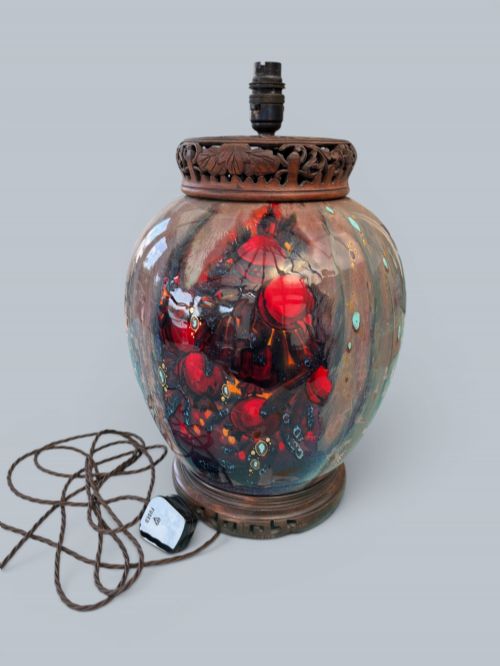
When you search for a vintage ceramic collectible, you encounter an array of functional and decorative objects spanning the nineteenth and twentieth centuries. These pieces encompass figurines, vases, decorative bowls, cabinet plates, and table lamps originating from English, French, and German potteries.
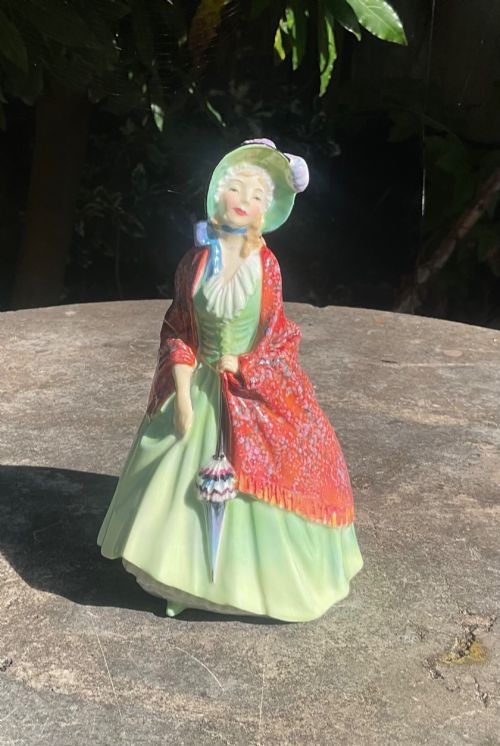
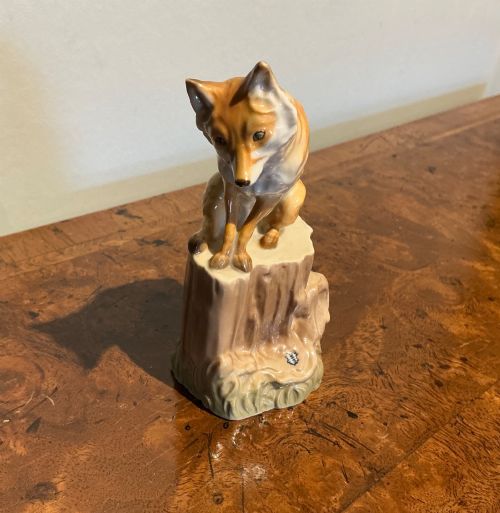
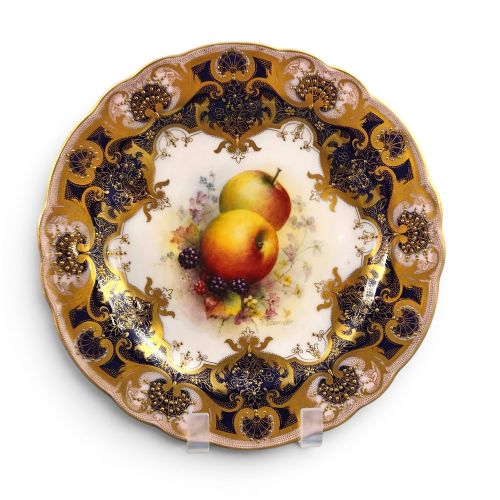
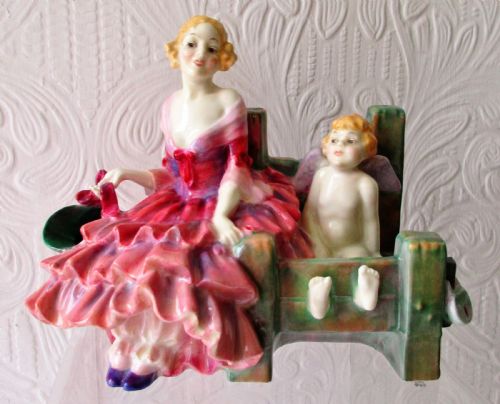
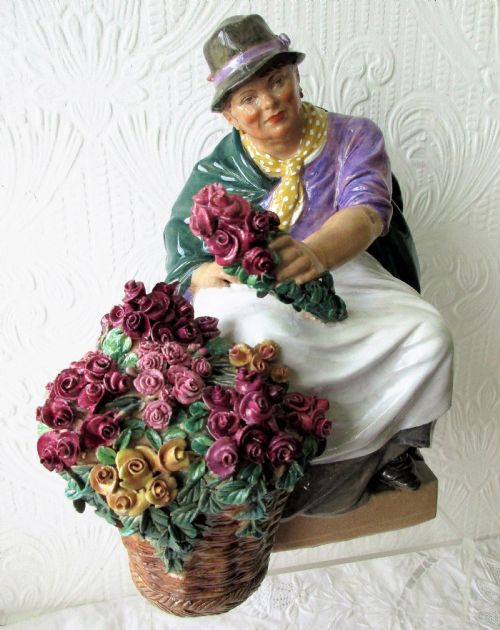
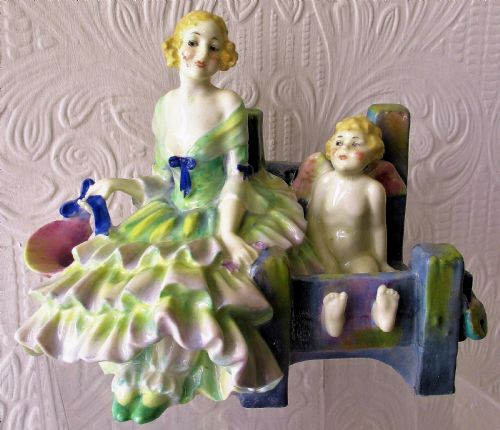
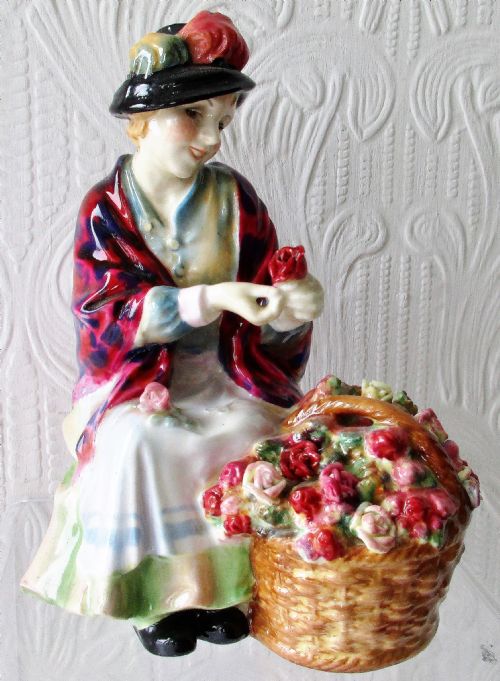
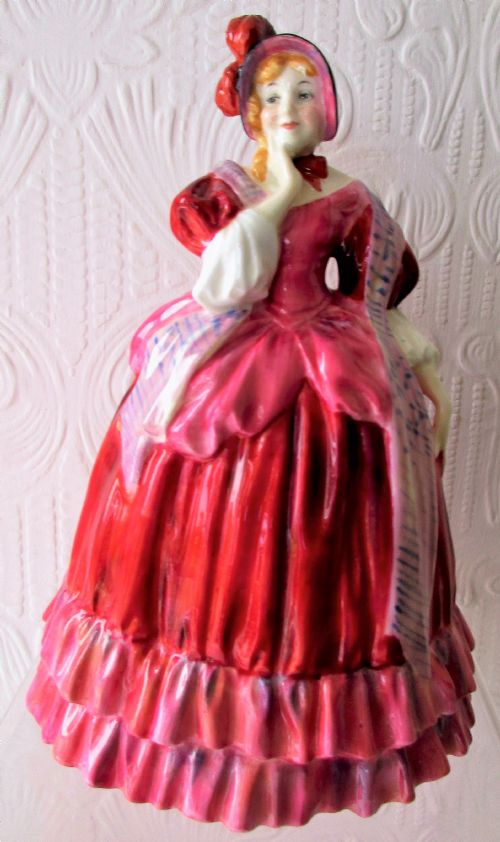
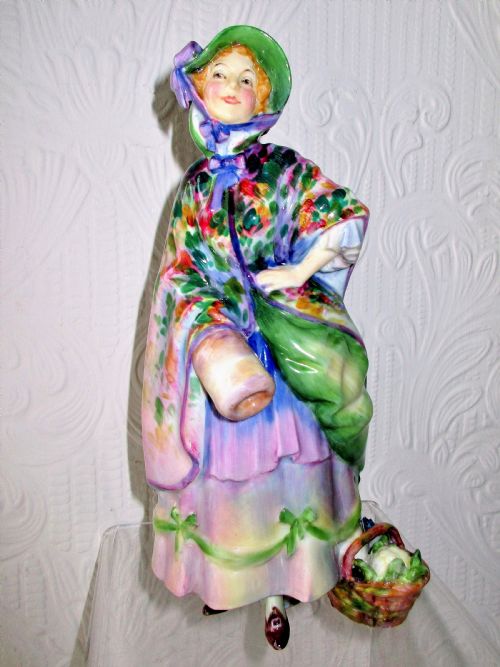
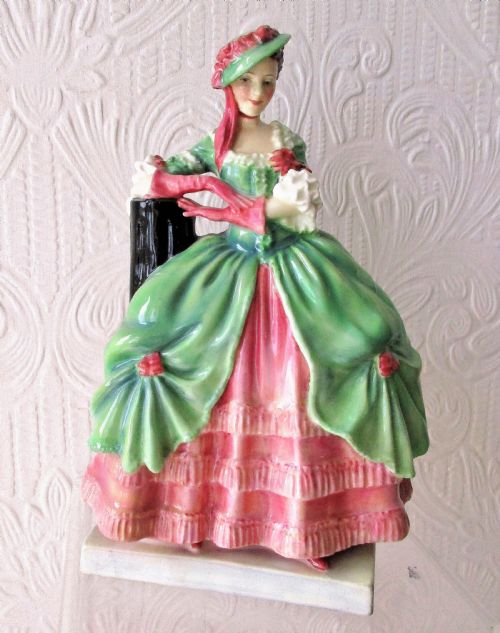
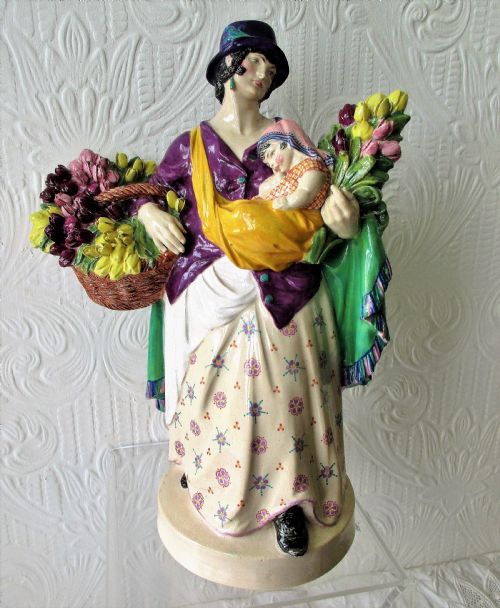
The selections on this page lean heavily towards English porcelain and earthenware figurines alongside distinctive art pottery. You find character studies, flapper girl half dolls, advertising match strikers, and scenic painted fruit plates representing periods from the Victorian era through the Art Deco movement.
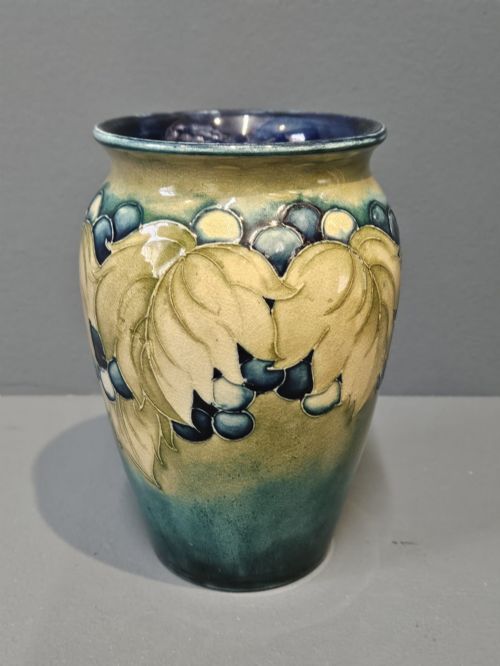
Makers such as Royal Doulton, Royal Worcester, and Wedgwood dominate the offerings, matched by studio pottery from figures like Charles Vyse. Forms range from domestic money boxes and whisky flasks to elaborate lustre bowls and hand-painted cabinet plates.
How they were made
The pieces rely primarily on porcelain, bone china, and earthenware bodies shaped by hand or cast in moulds. Artisans then applied liquid glazes, enamel colours, and occasional gold leaf details before firing the ceramic in kilns.
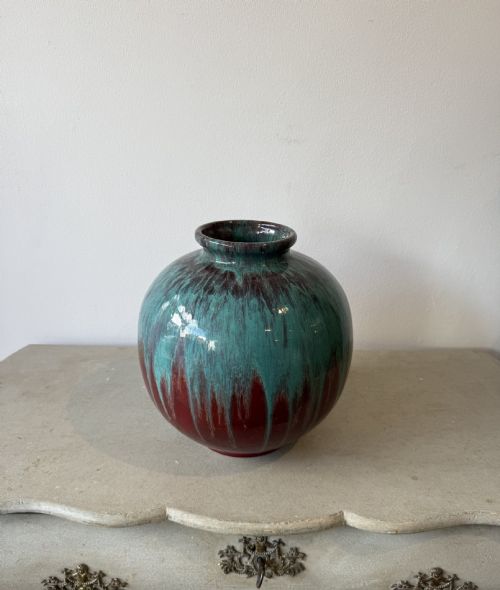
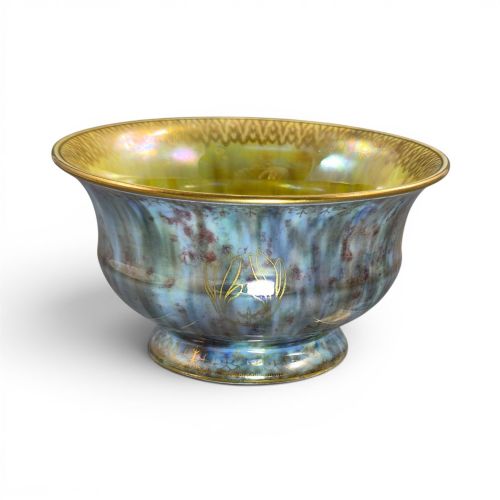
Specialised techniques distinguish the inventory, including the lustrous iridescent finishes developed by designers like Daisy Makeig-Jones and the celadon glazes seen on Moorcroft vessels. Studio pottery relies on individual throwing and hand-modelling, whereas factory pieces utilise precise moulding paired with meticulous hand-painting.
Materials span porcelain, earthenware, bone china, enamel, and gold leaf.
What varies in quality
Quality rests in the crispness of the modelling and the precision of the hand-painted decoration. Figurines with delicate facial expressions and detailed clothing separate themselves from mass-produced wares.
The complexity of the glaze chemistry also defines excellence, particularly in lustre ware and studio pottery where depth of colour and finish dictate the status of the piece.
Royal Doulton·Royal Worcester·Moorcroft·Charles Vyse·Wedgwood·Royal Copenhagen·Fasold and Stuach
The Vintage Ceramic Collectible Glossary
- Porcelain
- A hard, white, translucent ceramic made from kaolin and petuntse. It fires at high temperatures to create a non-porous body.
- Earthenware
- A porous, opaque pottery fired at lower temperatures than porcelain. It requires a glaze to hold liquids.
- Bone china
- A type of porcelain containing animal bone ash. This addition gives the material high strength and a warm white hue.
- Lustre ware
- Pottery decorated with a metallic glaze that produces an iridescent sheen. It catches the light with rainbow effects.
- Flapper girl half doll
- A ceramic torso popular in the Art Deco period. These figures adorned tea cosies, powder boxes, and cigarette strikers.
Vintage Ceramic Collectible: Frequently Asked Questions
How do I date a vintage ceramic?
Dating relies on maker marks, registration numbers, and stylistic cues unique to periods like Art Deco or Victorian. Backstamps stamped into the ceramic body or printed underneath provide specific factory timelines.
Changes in palette and glaze technology also help narrow down the decade of production. Comparing known model numbers assists in confirming the exact year or era of manufacture.
Where were these ceramics made?
The pieces originate primarily from European workshops and factories, with a strong concentration in English potteries. Staffordshire, Stoke-on-Trent, and London studio spaces produced the majority of the figurines and decorative wares.
Continental factories in Germany, France, and Denmark also contributed significant porcelain figures and vessels to the marketplace. Each region employed distinct clay bodies and firing traditions.
How should I display ceramic collectibles?
Display them in stable cabinets or on sturdy surfaces away from direct sunlight and heavy foot traffic. Ensuring adequate space prevents accidental knocks between delicate items like figurines and lustre bowls.
Table lamps and decorative bowls function well in well-lit living spaces where their glazes catch ambient light. Regular dusting with a soft brush keeps the surfaces clean without risking abrasion.
What is the difference between earthenware and porcelain?
Earthenware is fired at lower temperatures, resulting in a porous, opaque body that requires a glaze to be waterproof. It forms the base for traditional items like money boxes and heavy jugs.
Porcelain fires much hotter, producing a dense, vitrified material that is often translucent and rings when struck. This refined body suits delicate figurines, cabinet plates, and fine tea wares.