

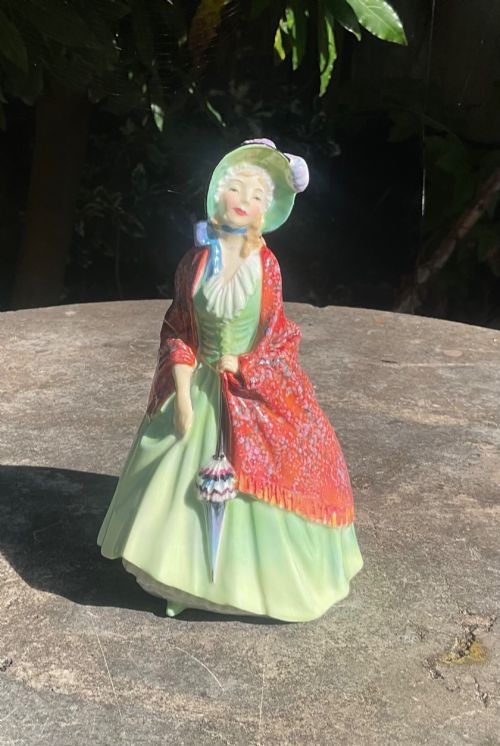
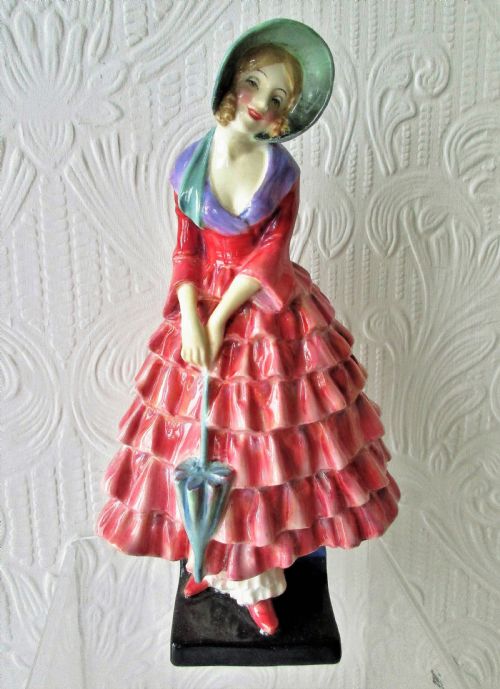
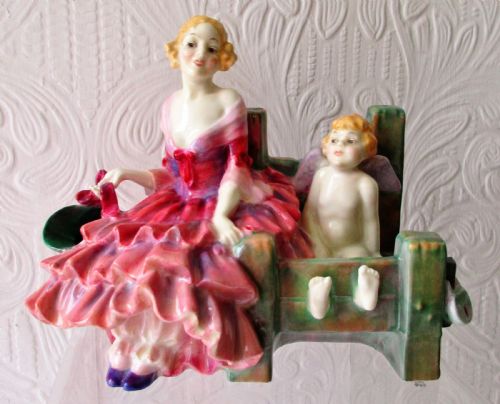
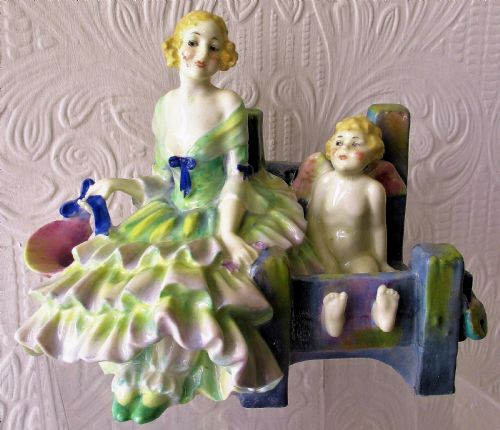
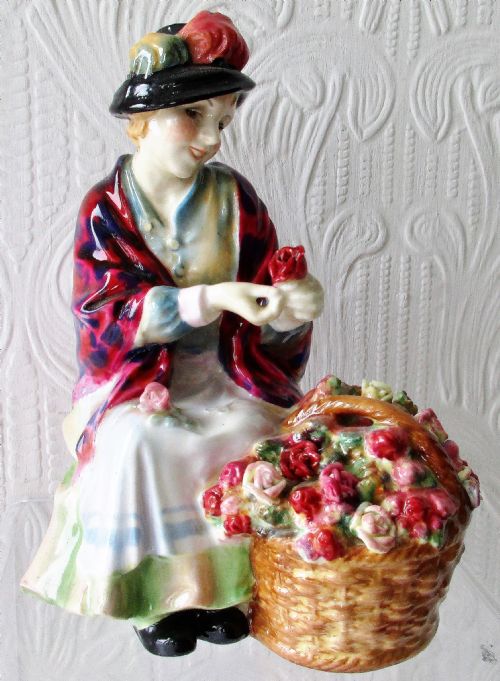
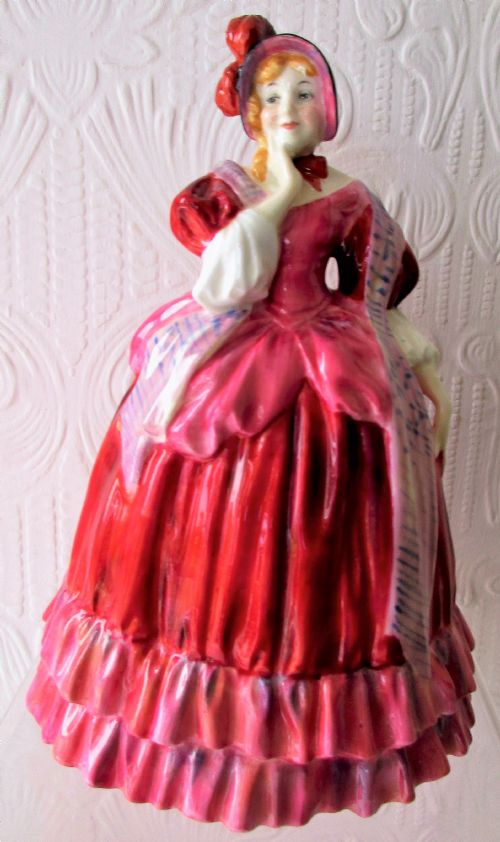
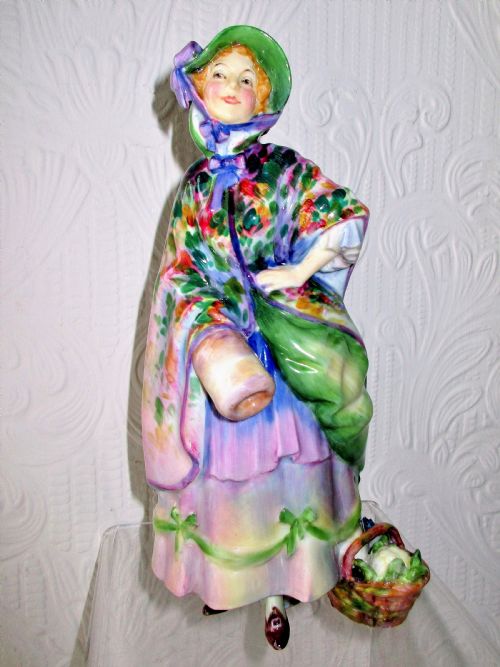
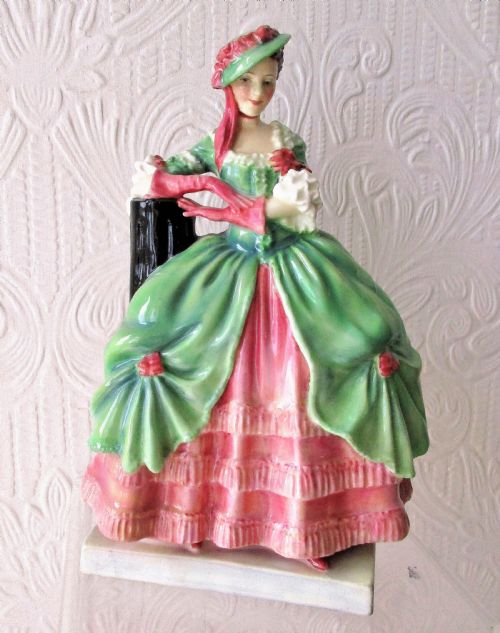



Vintage Doulton Figurine
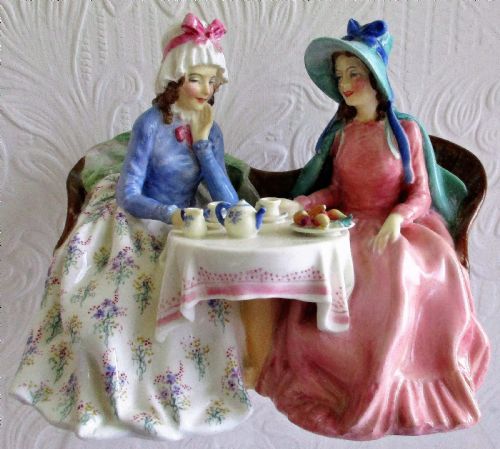
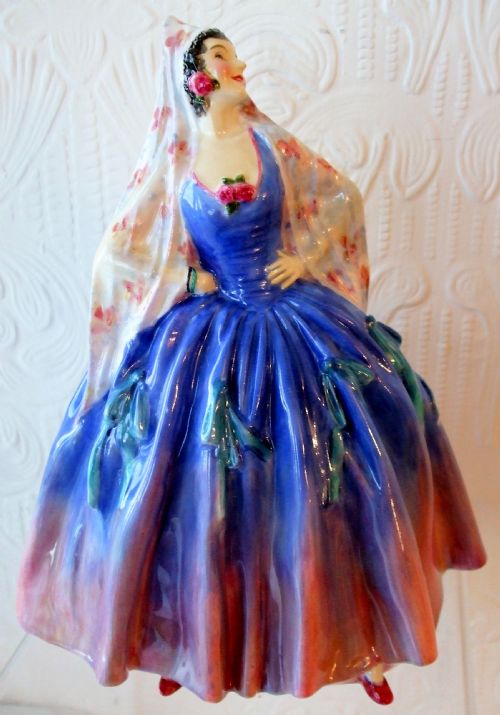
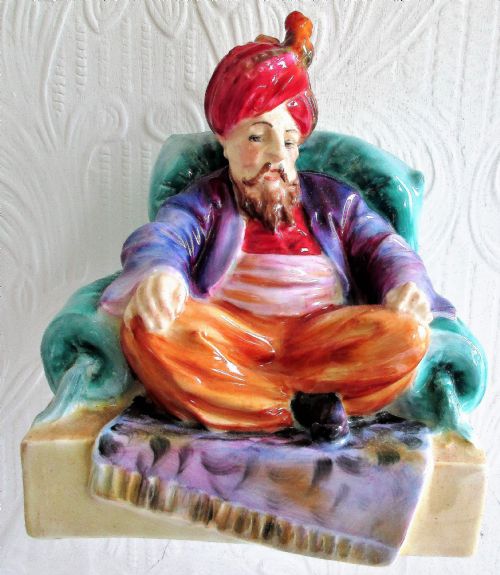
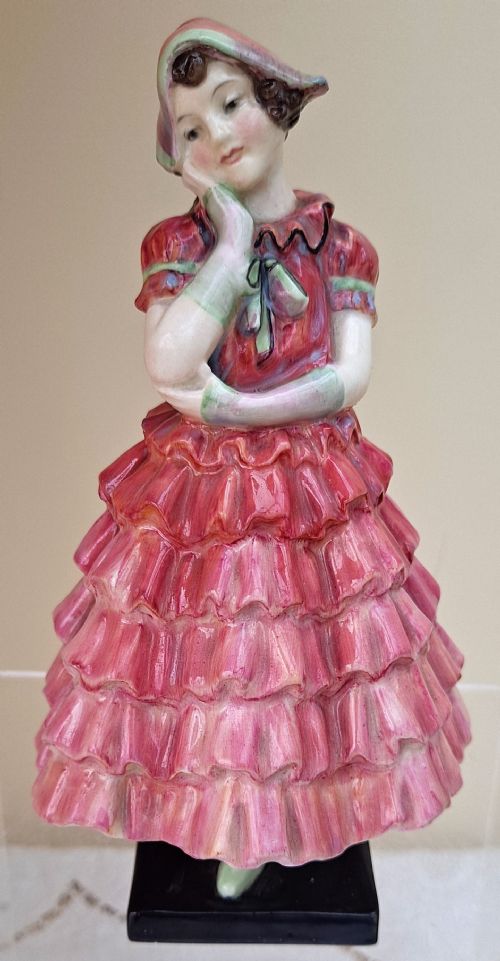
These vintage doulton figurine pieces capture mid-century character and narrative charm, offering collectors detailed studies of human form.
Vintage Doulton Figurine
A vintage doulton figurine represents a specific moment in twentieth-century ceramic art, focusing on narrative subjects and named characters. Most examples encountered here originate from the decades around nineteen thirty and nineteen forty.
The forms range from individual characters like Chloe and Priscilla to group subjects and seated animals. Collectors look for specific HN numbers that identify the exact model and production era.
These decorative objects draw upon historical dress and literary themes, particularly through Art Deco and Victorian styles. The production reflects English ceramic manufacturing traditions of the early twentieth century.
How they were made
The construction relies upon bone china and porcelain, shaped into intricate figural forms. Ceramic glaze provides a smooth surface texture that protects the underlying material.
Listings feature bone china and porcelain pieces from the nineteen thirties and forties, encompassing Art Deco and Victorian styles.
What varies in quality
The application of glaze and enamel decoration determines the visual depth of each piece. Variations in hand-painting mean that expression and colour saturation differ between individual figures.
Royal Doulton
The Vintage Doulton Figurine Glossary
- Bone china
- A type of porcelain incorporating bone ash, known for its strength and translucent finish. This material forms the base of many detailed figures.
- HN number
- The registration code assigned by the factory to specific modelled designs. This number helps date the introduction of a particular figure.
- Glaze
- A vitreous layer fused to the ceramic body through firing. It creates the glossy surface finish typical of these objects.
- Enamel
- Opaque vitreous material applied over the glaze for coloured decoration. It provides the vivid tones seen on clothing and accessories.
- Gilt
- A gold application used for highlights and trim. This metallic decoration adds contrast to the painted porcelain surfaces.
Vintage Doulton Figurine: Frequently Asked Questions
How do I date a vintage doulton figurine?
Dating relies upon the recorded HN numbers and style characteristics associated with the nineteen thirty and nineteen forty production periods. Factory marks stamped on the base offer further chronological clues.
Changes in backstamps and titles help narrow down the specific decade of manufacture for individual pieces.
What materials were used to make these figures?
Makers utilised bone china and standard porcelain as the primary ceramic bodies for these decorative objects. Ceramic glaze gives each piece its smooth and protective finish.
Enamel paints and gilt details provide the colourful clothing and decorative highlights seen across the figures.
How should I display a vintage doulton figurine?
These porcelain pieces suit enclosed shelving or display cabinets where they remain protected from dust and accidental knocks. Stable placement away from direct sunlight preserves the enamel and gilt decoration.
Proper lighting inside a cabinet helps emphasise the fine modelling and painted surface details.
What do the HN numbers mean?
The letters HN refer to Harry Nixon, a chief painter at the works, whose initials preceded the numbering system for new designs. This system catalogues every model produced by the factory.
Lower numbers generally indicate earlier introduction dates for specific characters and subjects.