



English Bone China Ornament
An english bone china ornament brings cabinet ceramics into focus, capturing figures, inkstands, and small vases shaped from porcelain and finished with delicate enamel.
English Bone China Ornament
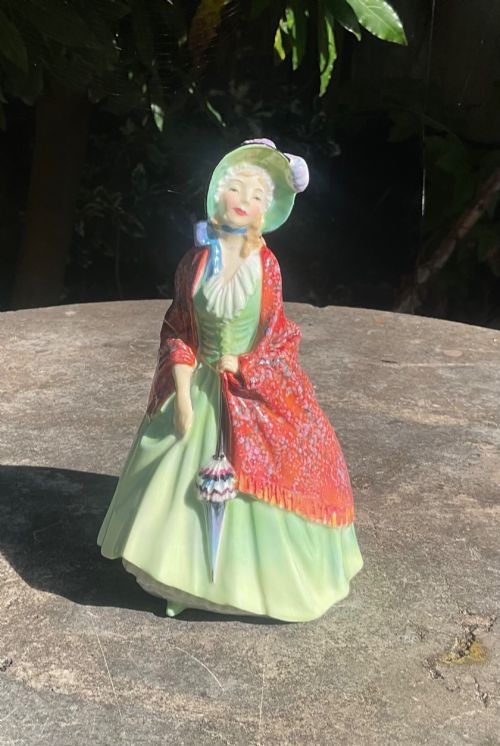
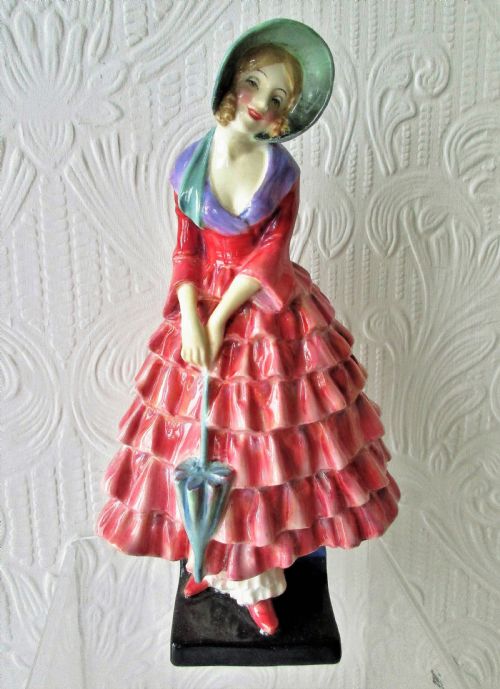
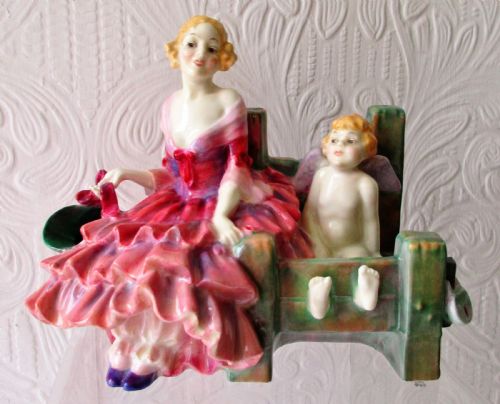
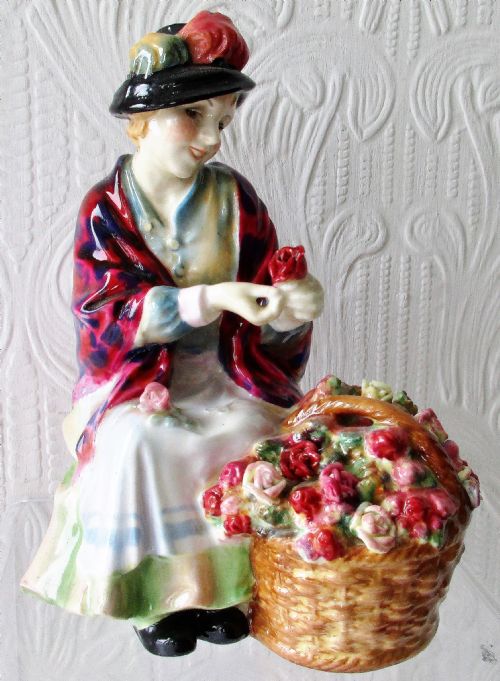
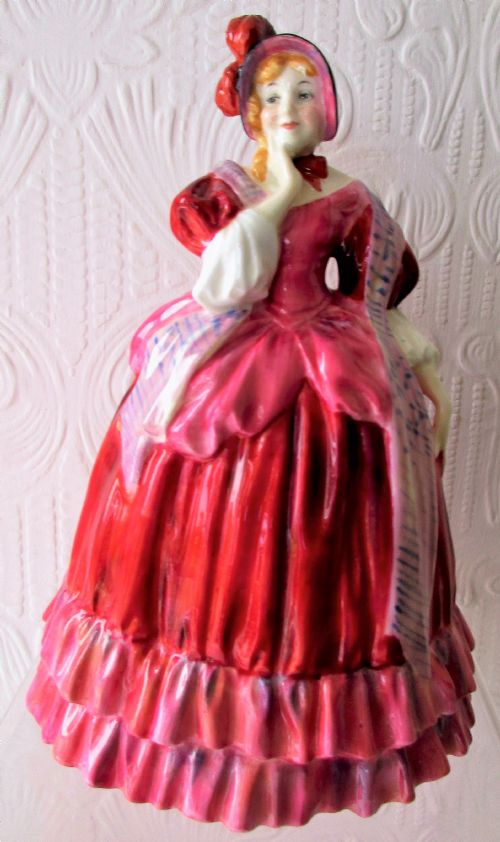
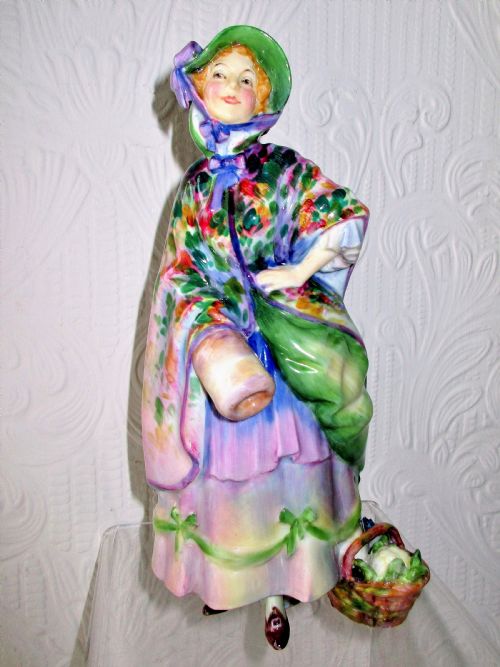
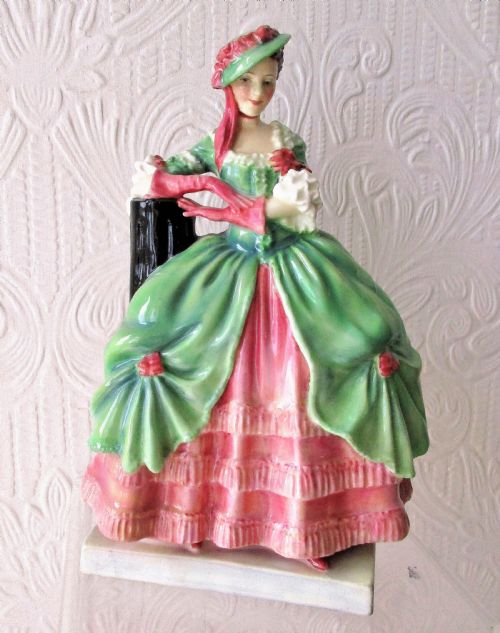
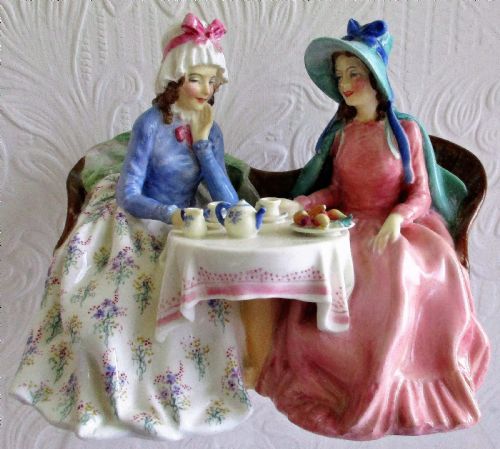
An english bone china ornament covers a varied group of cabinet pieces, mostly figurines and small decorative objects originating from nineteenth and twentieth century production. The listings here lean heavily towards mid-century and earlier twentieth-century pieces, spanning Edwardian and art deco periods alongside nineteenth-century works.
Figurines dominate the selection, depicting ladies in historical dress, literary characters, and children, while smaller utility items such as inkstands, candle snuffers, and miniature vases also appear. These objects serve purely decorative or small tabletop roles, designed to catch the light within glazed cabinets and on mantelpieces.
Assessing Quality and Execution
The application of gold leaf and the smoothness of the glaze further distinguish standard production from finer examples. Uniformity in the fired gloss and precise brushwork on patterned surfaces separate standard decorative items from superior sculptural works.
Among the small figures sits a fox dressed as a gentleman, holding a candle snuffer.
Royal Doulton·Royal Worcester·Spode·Minton·Royal Crown Derby
The English Bone China Ornament Glossary
- Bone china
- A type of porcelain incorporating animal bone ash, producing a strong, slightly translucent body ideal for detailed figures.
- Enamel
- Vitreous material fused to the surface of ceramics to provide colour and pattern.
- Gilt
- A thin layer of gold applied to surface details, edging, and highlights.
- Inkstand
- A desktop stand holding an inkwell and pen rests, often produced in decorative porcelain.
- Figurine
- A small carved or moulded statuette representing a human figure or character.
English Bone China Ornament: Frequently Asked Questions
What periods do these ornaments come from?
The pieces span from the nineteenth century through the Edwardian era into the mid-twentieth century. Examples include early nineteenth-century Regency pieces alongside 1930s and 1940s figures.
Twentieth-century items often carry specific model numbers or date stamps, while nineteenth-century pieces rely on stylistic indicators and early factory marks.
How were miniature ceramics used?
Miniatures and small decorative statuettes served as mantelpiece ornaments, cabinet displays, and functional desk items such as inkstands or candle snuffers.
Their small scale made them popular for collectors who wished to display varied forms without requiring extensive domestic space.
How do I identify a figurine maker?
Makers are generally identified through impressed or printed factory marks found on the unglazed base of the ceramic body. Many twentieth-century pieces also include registration numbers, titles, and specific shape or model codes.
Style, painting technique, and glaze characteristics offer additional clues for unmarked or nineteenth-century pieces.