
Glazed Porcelain Figures
Glazed porcelain figures bring character and history into a room through shaped ceramic bodies and fired finishes.
Glazed Porcelain Figures
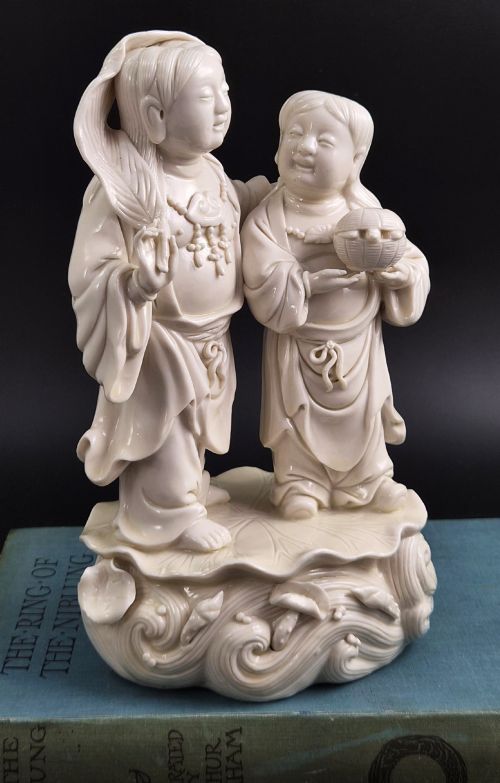
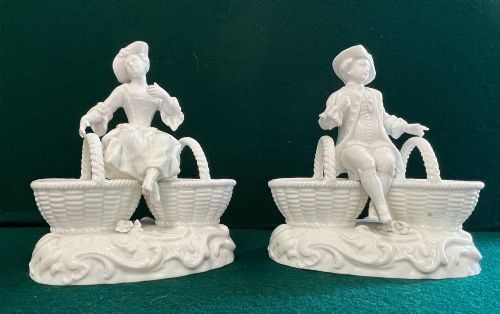
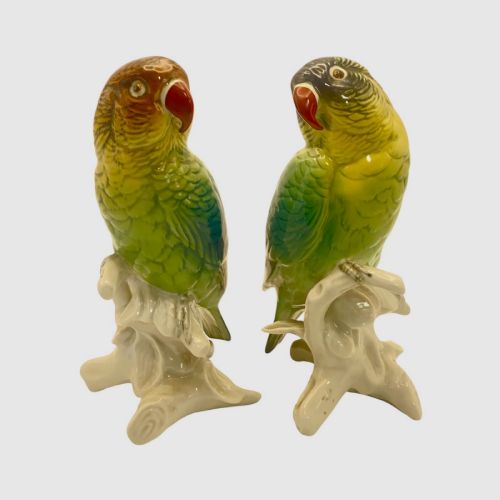
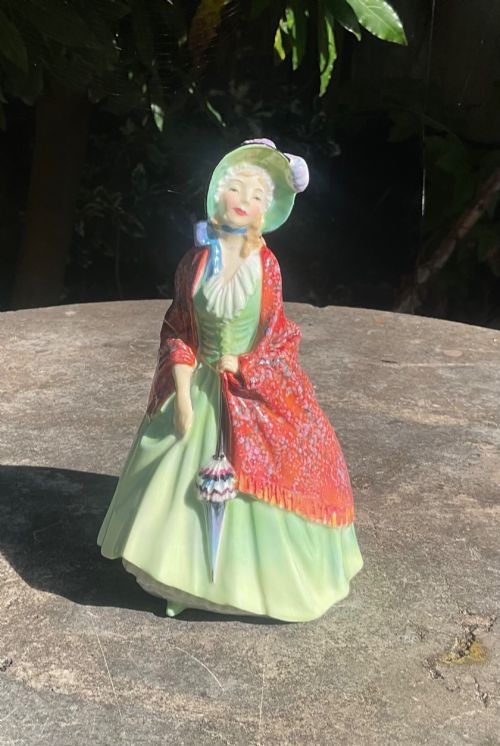
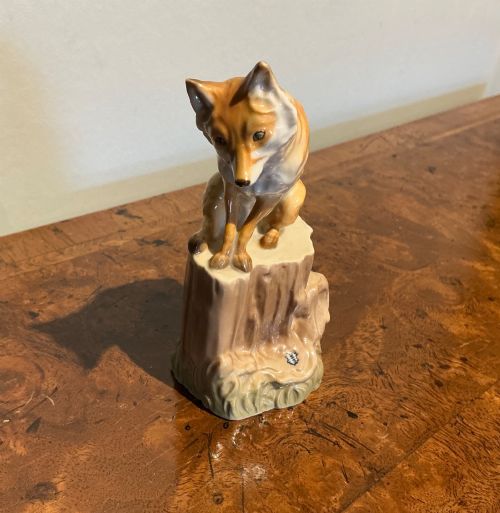
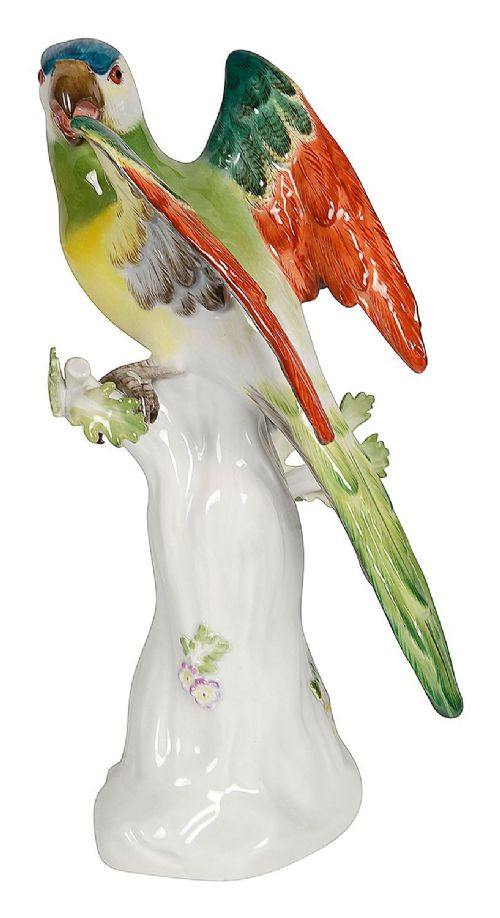
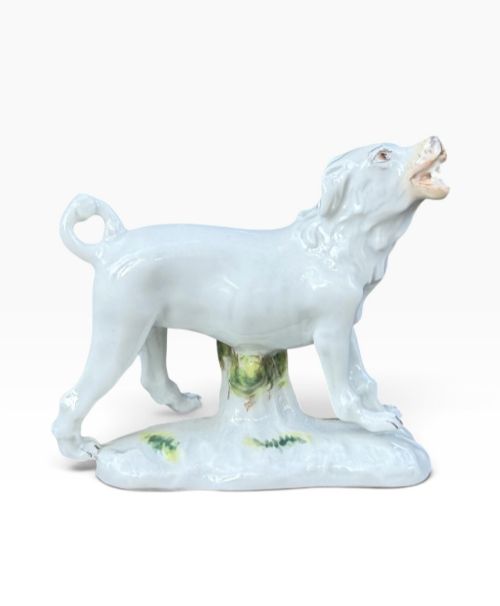
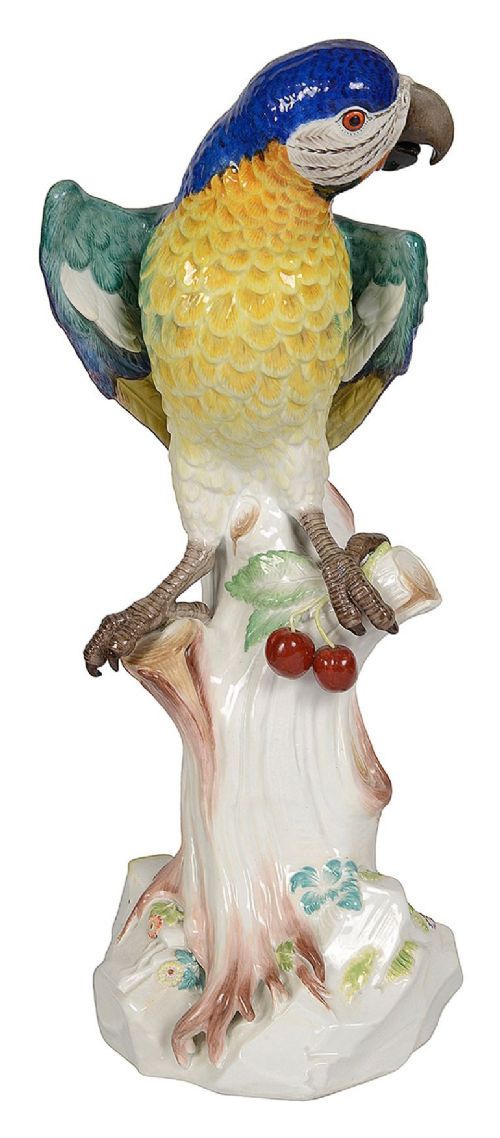
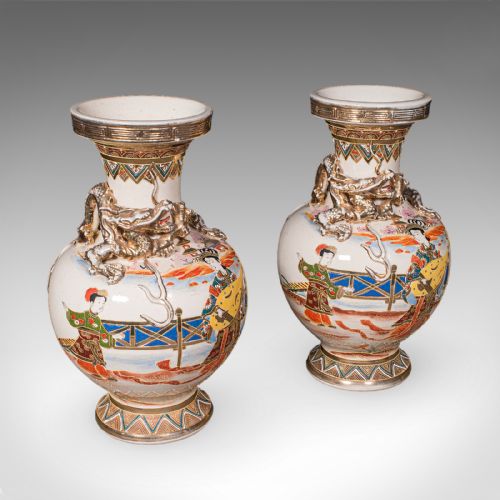
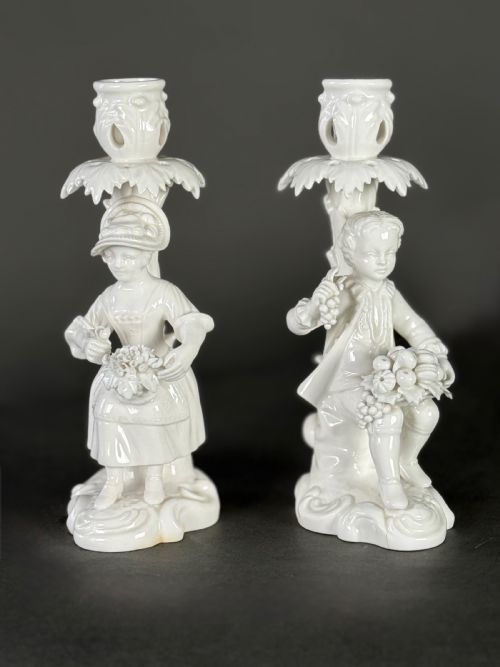
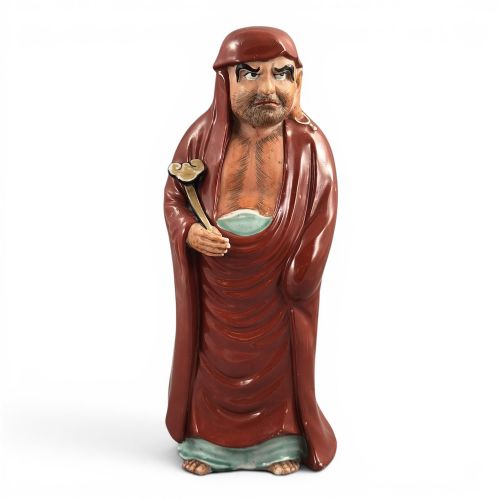
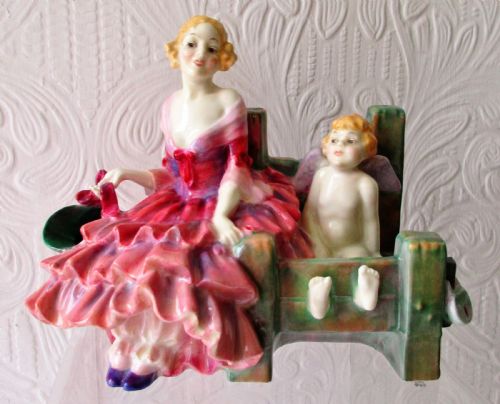
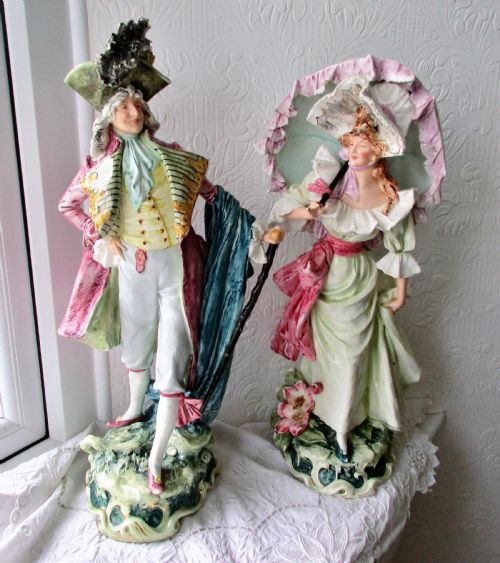
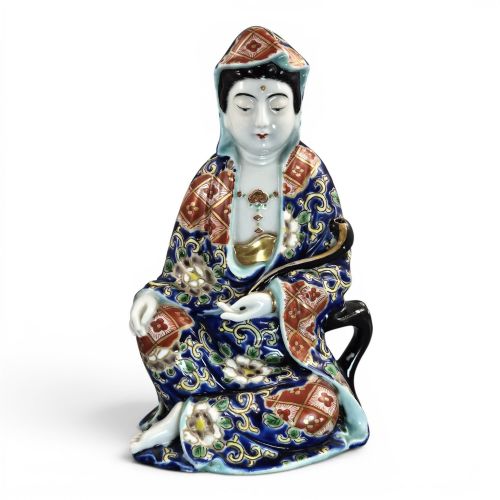
Glazed porcelain figures encompass moulded and modelled sculptural works finished with vitreous coatings, ranging from animals to human characters. These decorative objects span European manufactories and Asian traditions, appearing in periods from the eighteenth century through the Art Deco era.
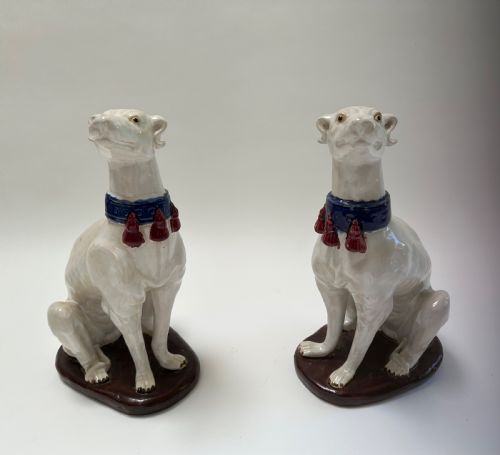
Collectors frequently encounter nineteenth-century European porcelain models alongside twentieth-century figurines from established makers. The forms vary from single birds and dogs to pairs of human figures and mythological subjects.
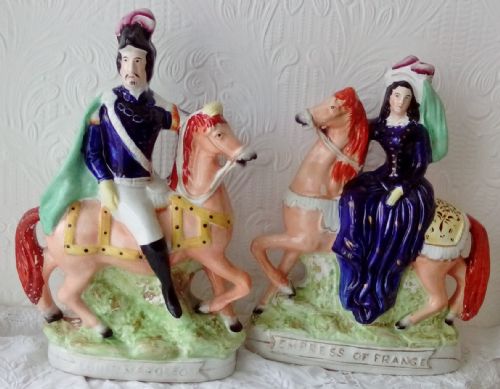
The selection includes hard paste porcelain, bone china, and earthenware bodies carrying varied lead and enamel glazes. These pieces served primarily as mantel ornaments, table centrepieces, and cabinet displays in period interiors.
Materials and Techniques
Makers shaped these pieces using ceramic bodies composed of kaolin, petuntse, or bone ash, fired at high temperatures to achieve vitrification. Artisans applied liquid glazes or enamel colours by hand before subjecting the pieces to subsequent kiln firings.
Surface decoration frequently incorporated gold leaf detailing, multi-coloured enamel painting, and specialised sancai or blanc de chine glazes. Moulding techniques allowed workshops to produce matching pairs and detailed sculptural contours with consistent proportions.
Several porcelain dogs wear expressions of intense concentration, proving that ceramic pets have judged human behaviour for centuries.
Assessing Quality in Porcelain Figures
Quality rests upon the crispness of the modelling and the precision of the hand-painted enamel work across the ceramic surface. Superior examples exhibit finely rendered facial expressions, distinct hand-tooling on hair or drapery, and controlled glaze application without pooling.
The sophistication of the original design and the reputation of the manufactory distinguish standard production items from exceptional works. Firing stability also plays a role, with finer pieces maintaining accurate anatomical proportions and balanced stances without warping.
Karl Ens·Nymphenburg·Meissen·Royal Doulton·Thomas Parr·Royal Dux Bohemia·Vion and Baury
The Glazed Porcelain Figures Glossary
- Blanc de chine
- A pure white porcelain glaze originating in China and later adopted by European kilns. This smooth finish highlights the subtle contours of unpainted sculptural figures.
- Enamel
- Vitreous coloured paints applied over a fired glaze and fixed in a muffle kiln. These pigments provide the vibrant hues seen on garments and decorative details.
- Hard paste
- A durable ceramic paste made from petuntse and kaolin fired at very high temperatures. It forms a dense, impermeable body typical of continental European porcelain.
- Okimono
- A Japanese decorative carving or figurine intended for display in a traditional interior. These objects showcase detailed figurative modelling in ceramic or pottery.
- Sancai
- A three-colour lead glaze tradition featuring amber, green, and cream tones. This technique creates subtle runs and pooling across modelled animal and human forms.
- Bisque
- Unglazed porcelain fired once to a porous state, valued for its matte, marble-like texture. It captures fine details in sculptural modelling without the gloss of traditional finishes.
Glazed Porcelain Figures: Frequently Asked Questions
How do I clean antique porcelain figures?
Dust these decorative objects gently with a soft, dry brush to prevent the accumulation of particles in recessed areas. Avoid submerging older pieces in water, particularly if they feature delicate enamel work or applied gold leaf.
Use a slightly damp cloth only when the ceramic body is entirely sealed and durable. Pat the surface dry immediately with a lint-free cloth.
Were these figures meant for display?
Makers designed these glazed pieces primarily for interior display on mantelpieces, cabinets, and tables. They functioned as decorative ornaments that reflected the aesthetic tastes of Victorian, Edwardian, and Art Deco homes.
Some specialised forms, such as brush washers or lamp bases, also served practical domestic functions alongside their sculptural presence.
How do I identify the maker?
Look for underglaze blue marks, impressed numbers, or painted monograms on the base or underside of the ceramic body. These factory stamps and individual modeller signatures provide direct evidence of origin and production period.
Compare the style of the modelling and the palette of the enamel glaze with documented examples from known European and Asian workshops.
What is the difference between porcelain and earthenware?
Porcelain is fired at much higher temperatures, resulting in a vitrified, non-porous body that often exhibits translucency when held to the light. Earthenware uses a more porous clay body that requires a complete glaze layer to achieve water resistance.
Figurines executed in porcelain generally retain sharper details from the mould and possess a more resonant sound when tapped gently.