
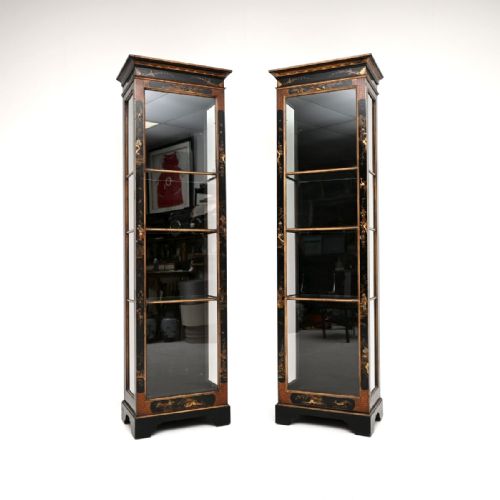
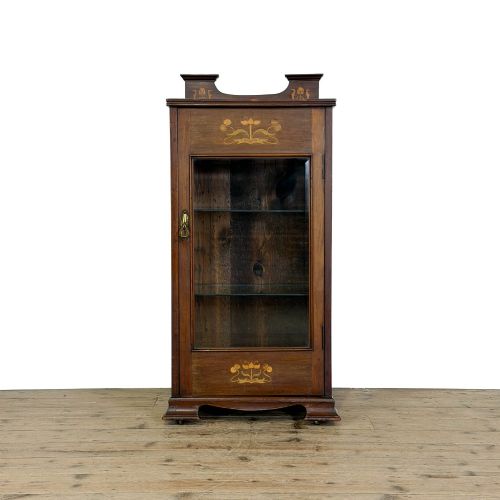
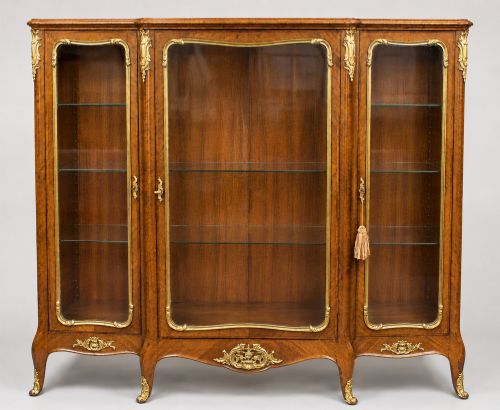
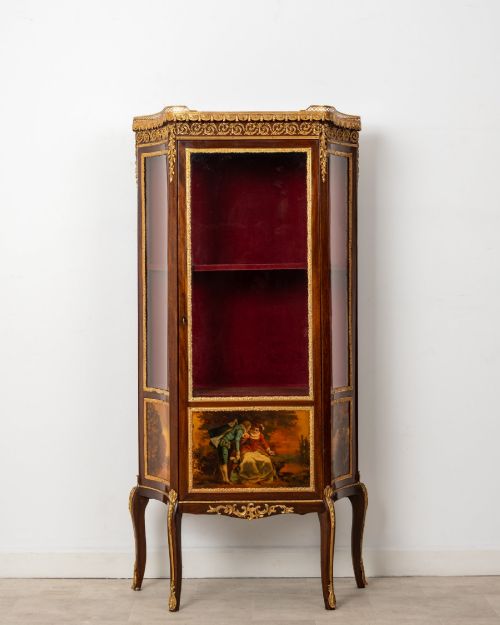
Glazed Curio Cabinet
A glazed curio cabinet brings order to a collection while offering a clear view from every angle.
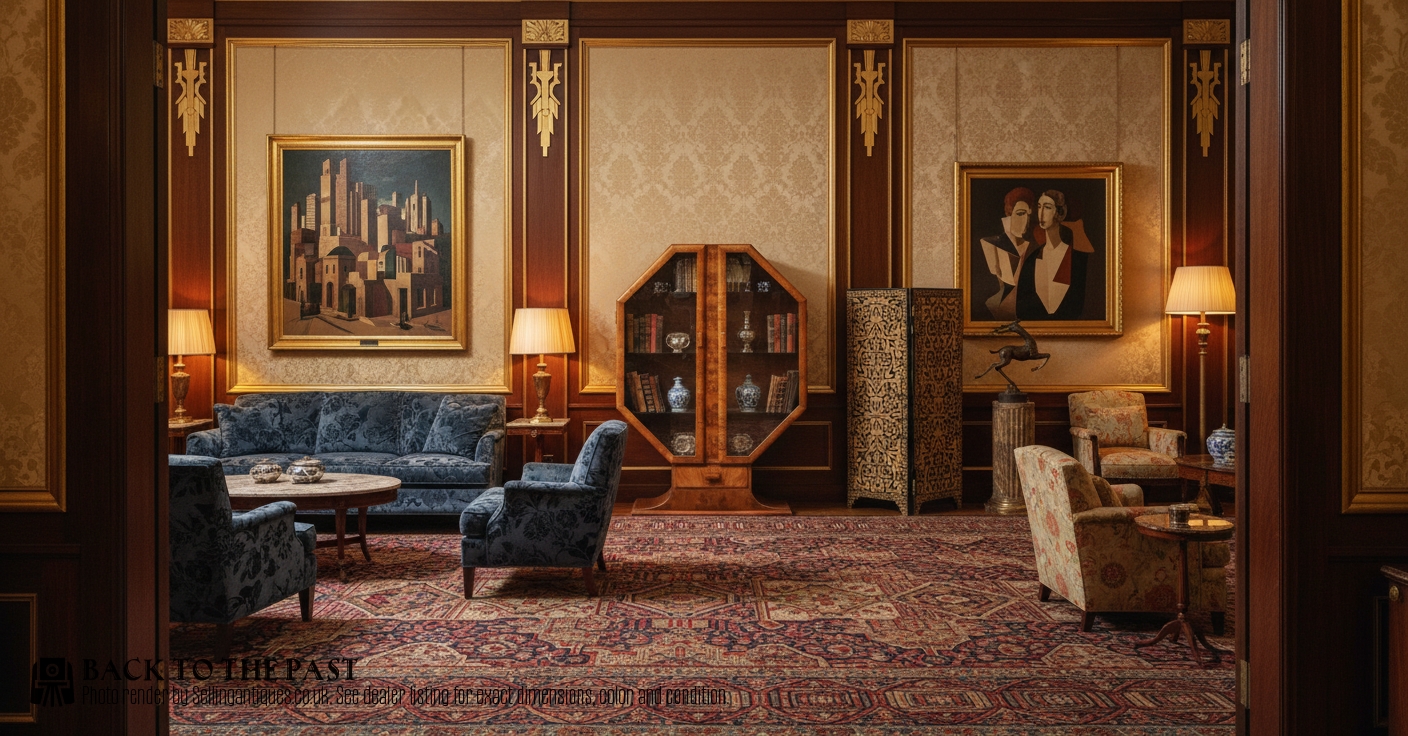
Glazed Curio Cabinet
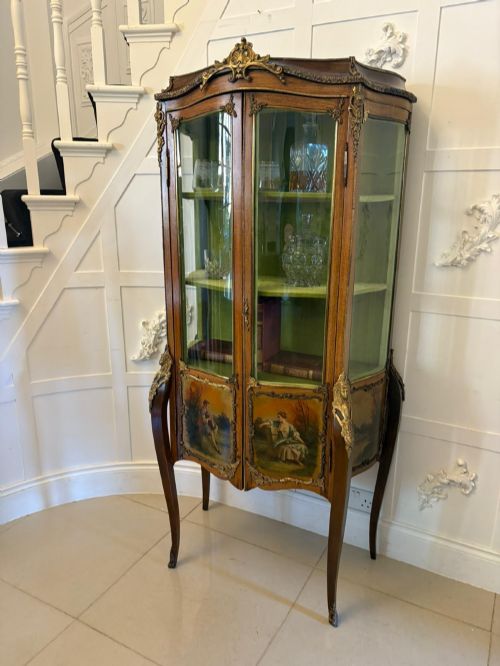
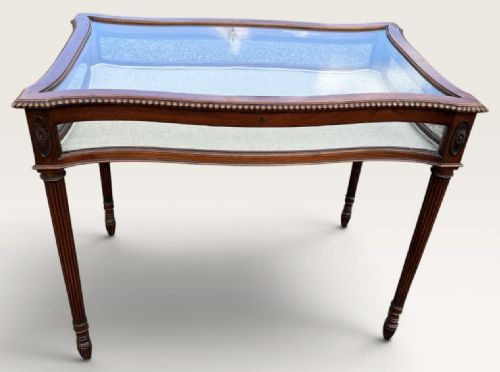
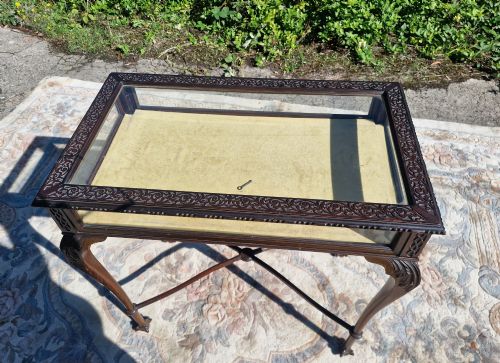
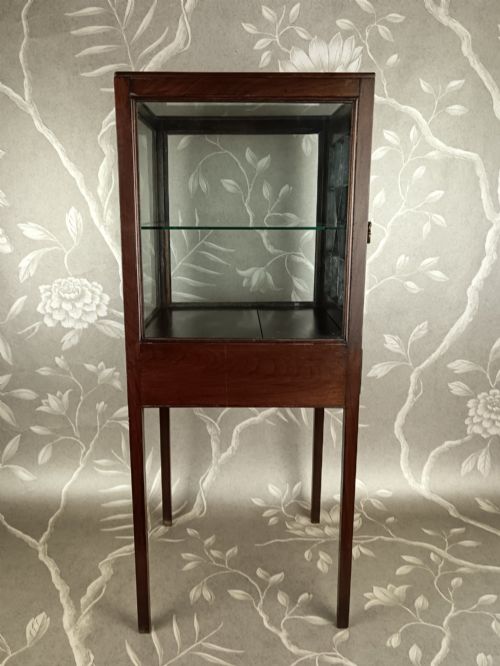
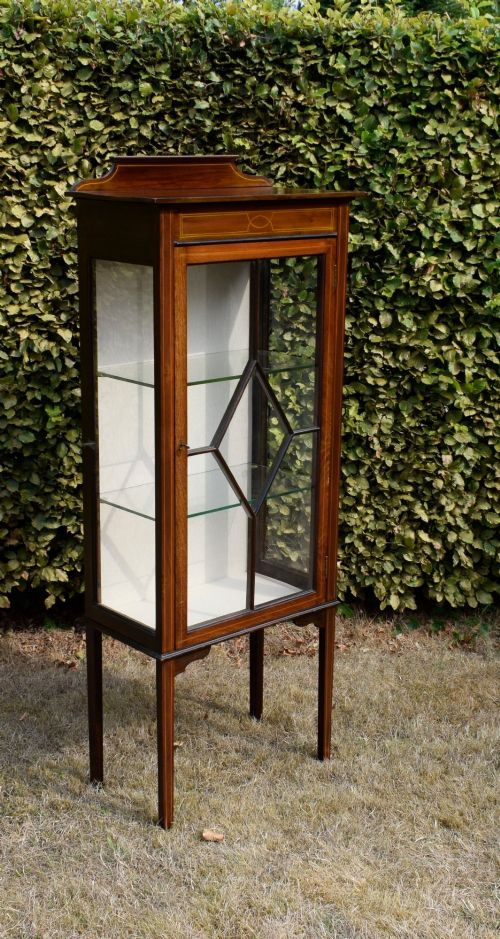
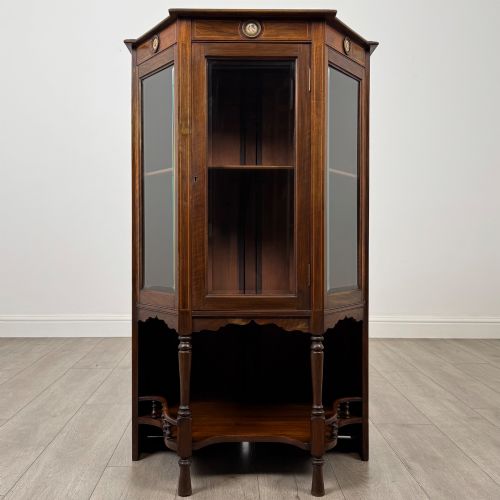
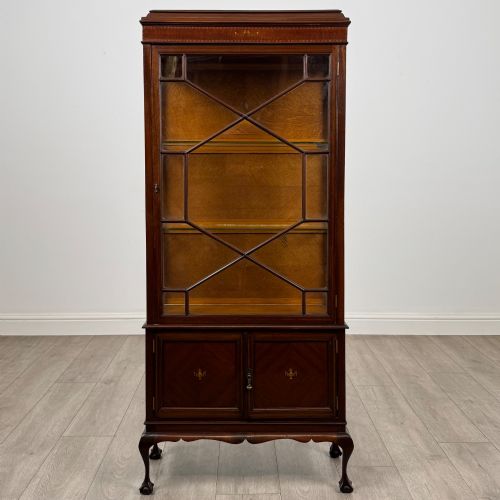
A glazed curio cabinet serves to house and exhibit small treasures, porcelain, and objects of curiosity. These pieces emerge across the nineteenth and twentieth centuries in forms ranging from wall-mounted units to freestanding vitrines and low bijouterie tables.
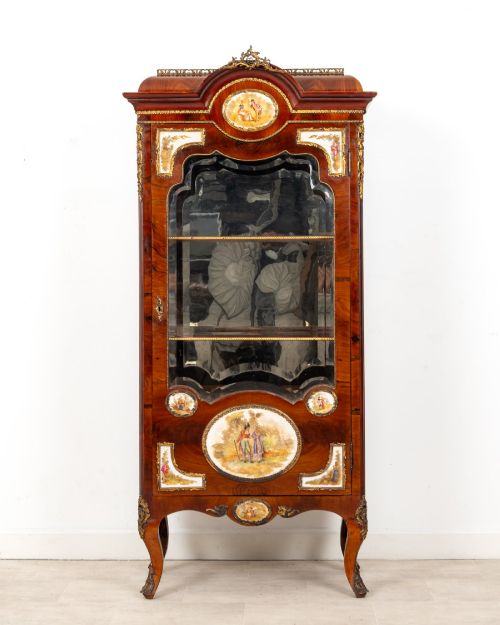
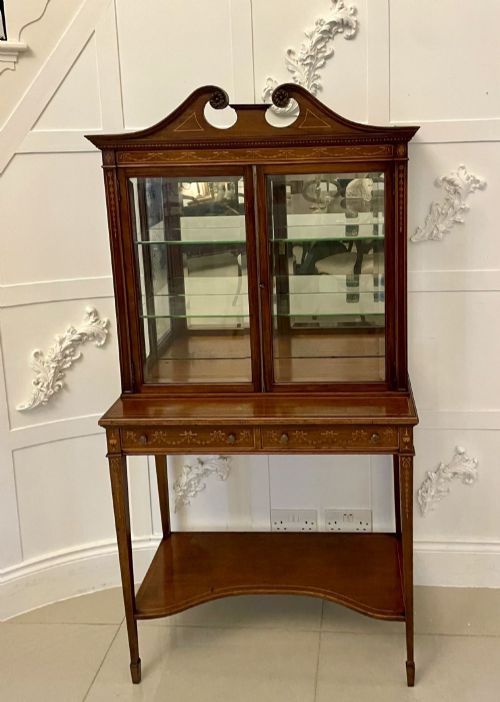
The Edwardian period and the late nineteenth century dominate the selection, bringing numerous examples in mahogany, walnut, and kingwood. Makers often employed revival styles, drawing upon Louis XV, Louis XVI, and Sheraton motifs to shape the timber frames.
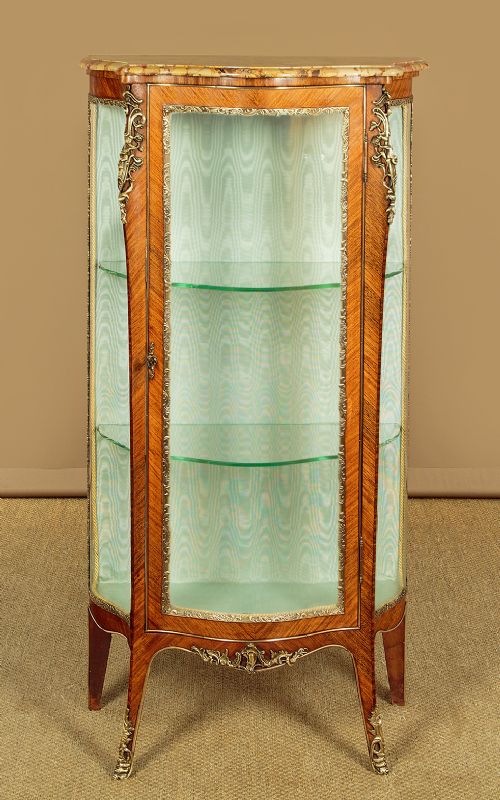
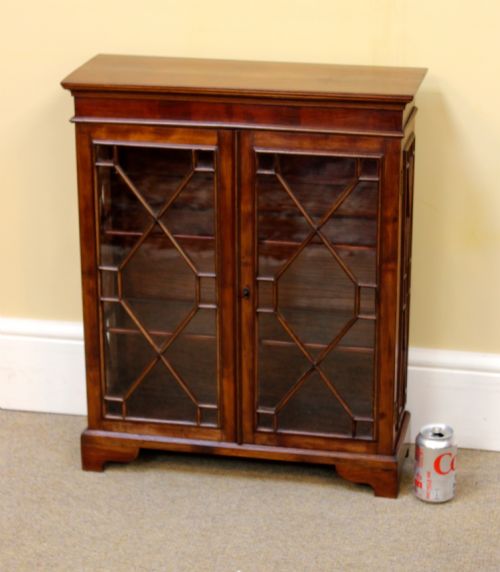
Buyers will encounter varied silhouettes including serpentine fronts, bow-ended bodies, and circular or oval display surfaces. Many incorporate internal glass shelves and fabric-lined bases designed to set off the objects placed within.
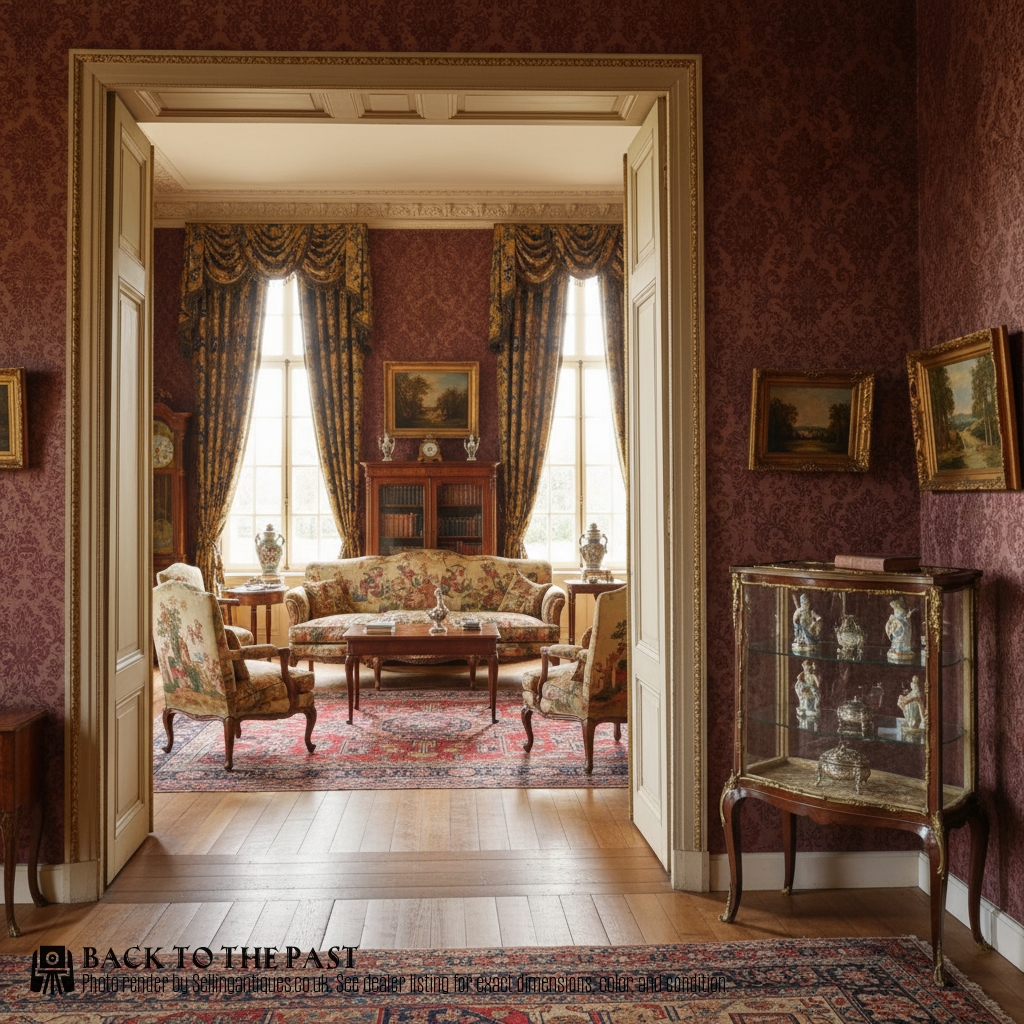
Materials and Construction
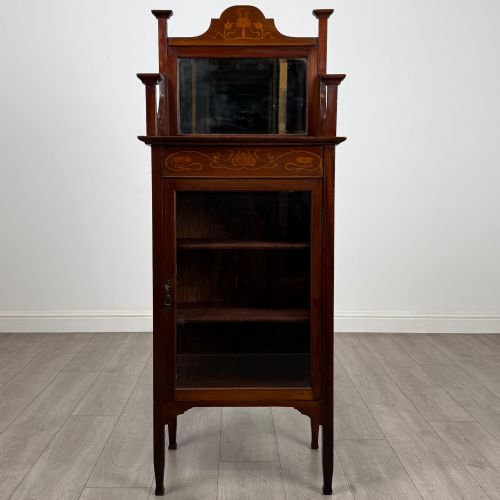
Cabinet makers utilised dense hardwoods such as mahogany, walnut, and kingwood as the structural foundation, frequently enhancing the exterior with intricate marquetry, satinwood inlay, or lacquered finishes.
Finer French and English pieces incorporate cast ormolu and gilt bronze mounts, framing the glass panels and corners with decorative brass detail. Marble tops appear on select vitrines, adding weight and a polished surface to the cabinet structure.
Glazed Curio Cabinet Retail Price Guide 2026
Typical asking prices for glazed curio cabinet among the pieces listed under this phrase on Sellingantiques today, from the lower quarter to the upper quarter. They describe what is for sale here now, not the wider market.
The selection includes various forms such as wall cabinets, pier cabinets, pedestal units, and low bijouterie tables with glass tops.
Design and Execution
Quality rests in the crispness of the timber carving, the precision of the inlay work, and the integration of metal mounts. Superior examples demonstrate careful matching of wood veneers and well-balanced proportions across curved or serpentine glass doors.
The refinement of the glazing bars and the quality of the brass hardware distinguish standard production pieces from master-workshop outputs. Cabinet-making firms known for excellence applied exacting standards to interior joinery and lining materials.
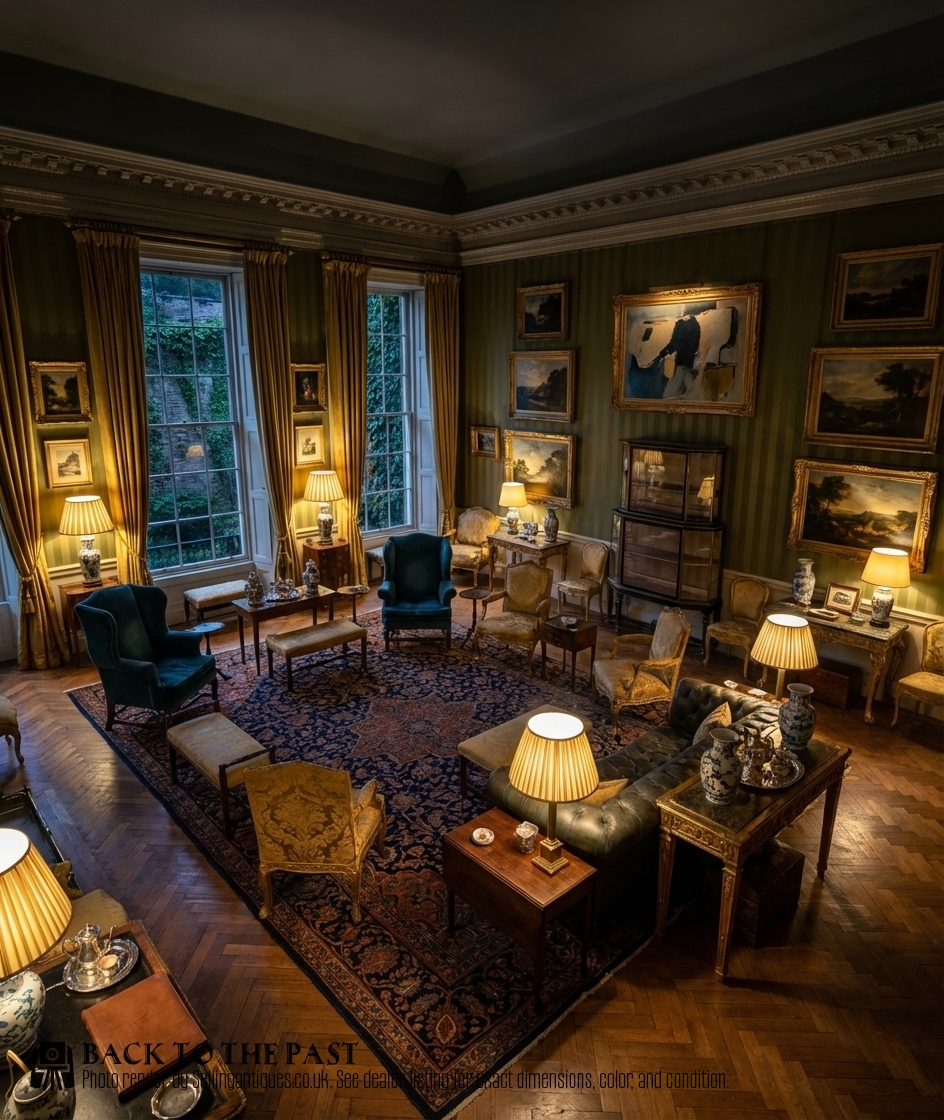
Edwards and Roberts·François Linke
The Glazed Curio Cabinet Glossary
- Vitrine
- A glass-fronted display cabinet designed specifically for showing porcelain and small artefacts. These often feature glazed side panels to maximise light penetration.
- Bijouterie table
- A low display table with a glazed compartment beneath the top surface. They were traditionally used for arranging jewellery, medals, and miniature ornaments.
- Ormolu
- Gilded bronze mounts applied to the exterior corners and frames of furniture. This technique gained wide favour during the eighteenth century and later revival periods.
- Vernis Martin
- A type of simulated Japanese lacquer developed in France. It uses multiple resin layers to achieve a translucent finish decorated with painted scenes.
- Marquetry
- The art of applying small pieces of veneer to form decorative patterns and pictures on a wooden surface. Makers utilised various contrasting timbers to create floral or geometric motifs.
Glazed Curio Cabinet: Frequently Asked Questions
How do I clean the inside?
Dust accumulates on glass shelves and fabric bases over time, requiring gentle maintenance. Use a soft, dry cloth for wooden surfaces and standard glass cleaner applied to a cloth rather than sprayed directly near timber.
Check whether the interior lining uses delicate fabric or paper before wiping. Adjustable glass shelves can usually be lifted out to allow thorough cleaning of the lower sections.
Can I adjust the shelves?
Many shop display cabinets and larger vitrines feature adjustable glass shelves supported by metal brackets. This flexibility permits the arrangement of objects of varying heights within the cabinet.
Older domestic pieces often have fixed wooden supports or grooves cut into the interior sides. Forcing a shelf or altering fixed supports risks damaging the internal lining or the glass.
Where should I place it?
Positioning a display cabinet away from direct sunlight protects both the wooden veneer and any displayed fabrics from fading. Stable room temperatures prevent the timber from drying out or warping.
Ensure the floor surface is level so that the doors hang correctly and latch securely. Freestanding vitrines with glass sides benefit from locations where foot traffic will not cause accidental knocks.
How do I date these cabinets?
Dating relies upon examining the timber species, construction methods, and stylistic revival influences. Edwardian pieces often display lighter mahogany frames with delicate inlay, while nineteenth-century examples tend towards heavier proportions and darker patination.
Cabinet backs, screw types, and hinge styles offer further clues to the era of manufacture. Maker stamps or labels found on the framework provide definitive attribution when present.