



Glass Cloche Display Dome
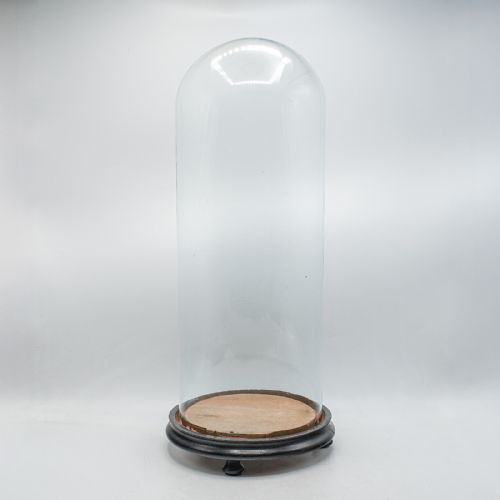
A glass cloche display dome is a blown vessel used to protect delicate ornaments and natural specimens from dust.
Glass Cloche Display Dome
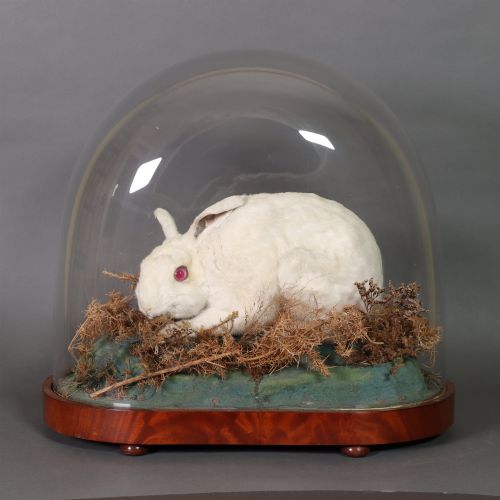
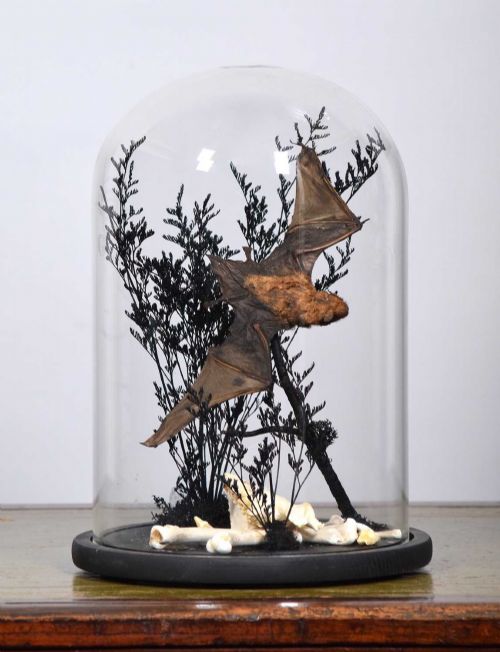
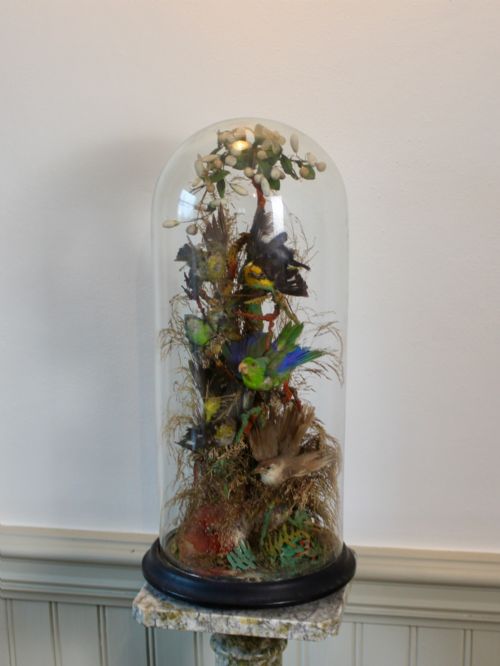
A glass cloche display dome is a protective cover utilised historically to shelter fragile objects, clock movements, and natural specimens. Most examples encountered here originate from the Victorian and Edwardian periods, frequently housing taxidermy, botanical specimens, or devotional objects upon wooden bases. These enclosures range from tall specimen cases to wide clock domes and dressing table pieces.
The standard form comprises a blown glass cover resting upon a wooden base, which is often ebonised or fashioned from oak, beech, or pine. Collectors encounter both round and oval formats, sometimes accompanied by flat sides or intricate internal arrangements like French beadwork bouquets and fruit compositions. They serve primarily as display showcases for preserved birds, mammals, and continental figures.
How they were made
Makers utilised free-blown or mould-blown glass to create the large clear covers, achieving the characteristic bell or oval shape required to fit over complex internal arrangements. These delicate glass vessels sit upon turned or carved timber bases made from woods such as oak, beech, ebonised wood, and pine. The interior displays frequently incorporate fabric, felt, velvet, and wire to support taxidermy specimens or beadwork.
Assembly often involved mounting botanical specimens, taxidermy birds, or devotional figures directly onto a fitted base before lowering the glass dome into a securing groove. The materials inside range from feathers and stuffed animals to wax figures and fruit compositions, each secured carefully within the enclosed showcase.
Materials recorded across the inventory include glass, wood, ebonised wood, fabric, feathers, velvet, felt, and wire.
What varies in quality
Quality in a glass cloche display dome depends heavily on the clarity and thickness of the blown glass cover, alongside the craftsmanship of the timber base. Superior examples display minimal distortion in the glass and substantial wooden bases with precise turning or original ebonised finishes.
The complexity and preservation of the internal contents also dictate the standard of the piece, particularly when attributed to notable taxidermists or featuring intricate arrangements like exotic birds and detailed beadwork. Original bases and undamaged glass elevate an assemblage significantly above plain utilitarian covers.
James Gardner of London·Henry Ward London·A Pollard
The Glass Cloche Display Dome Glossary
- Cloche
- A bell-shaped glass cover used to protect plants, food, or decorative objects from dust and damage.
- Taxidermy
- The art of preparing, stuffing, and mounting the skins of animals for permanent display inside a protective showcase.
- Ebonised wood
- Timber treated with a dark stain or finish to imitate the appearance of dense, black ebony.
- Bell jar
- A rounded glass vessel resembling a bell, utilised historically for scientific experiments and specimen presentation.
- Lustre
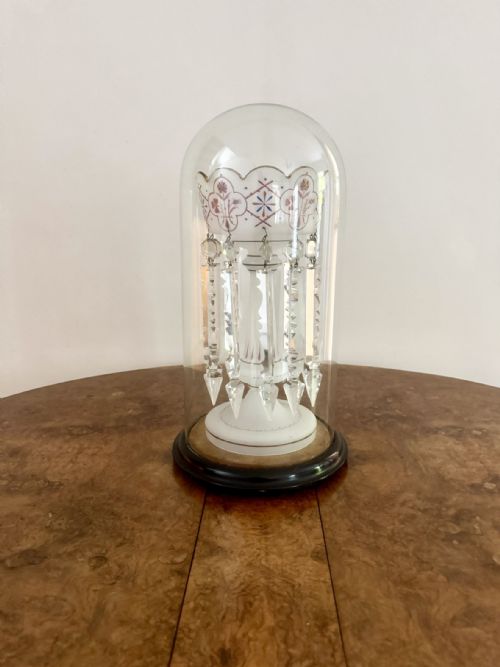
- A decorative glass ornament, frequently featuring hanging glass prisms, often associated with period display pieces.
Glass Cloche Display Dome: Frequently Asked Questions
What is inside a glass cloche display dome?
These domes typically enclose taxidermy specimens, including birds, bats, and rabbits, alongside botanical arrangements and French beadwork bouquets. Some house continental figures, wax sculptures, or delicate clock movements.
Historically, they protected fragile ornaments from household dust while allowing uninterrupted viewing from all angles.
How do you date a glass cloche display dome?
Dating relies upon the manufacturing style of the wooden base, the thickness of the glass, and the nature of the internal contents. Victorian and Edwardian examples predominate, showing distinct turning styles on bases made from ebonised wood, oak, or pine.
Taxidermy styles and accompanying trade labels from known practitioners also provide precise chronological markers.
Were these domes made for clocks?
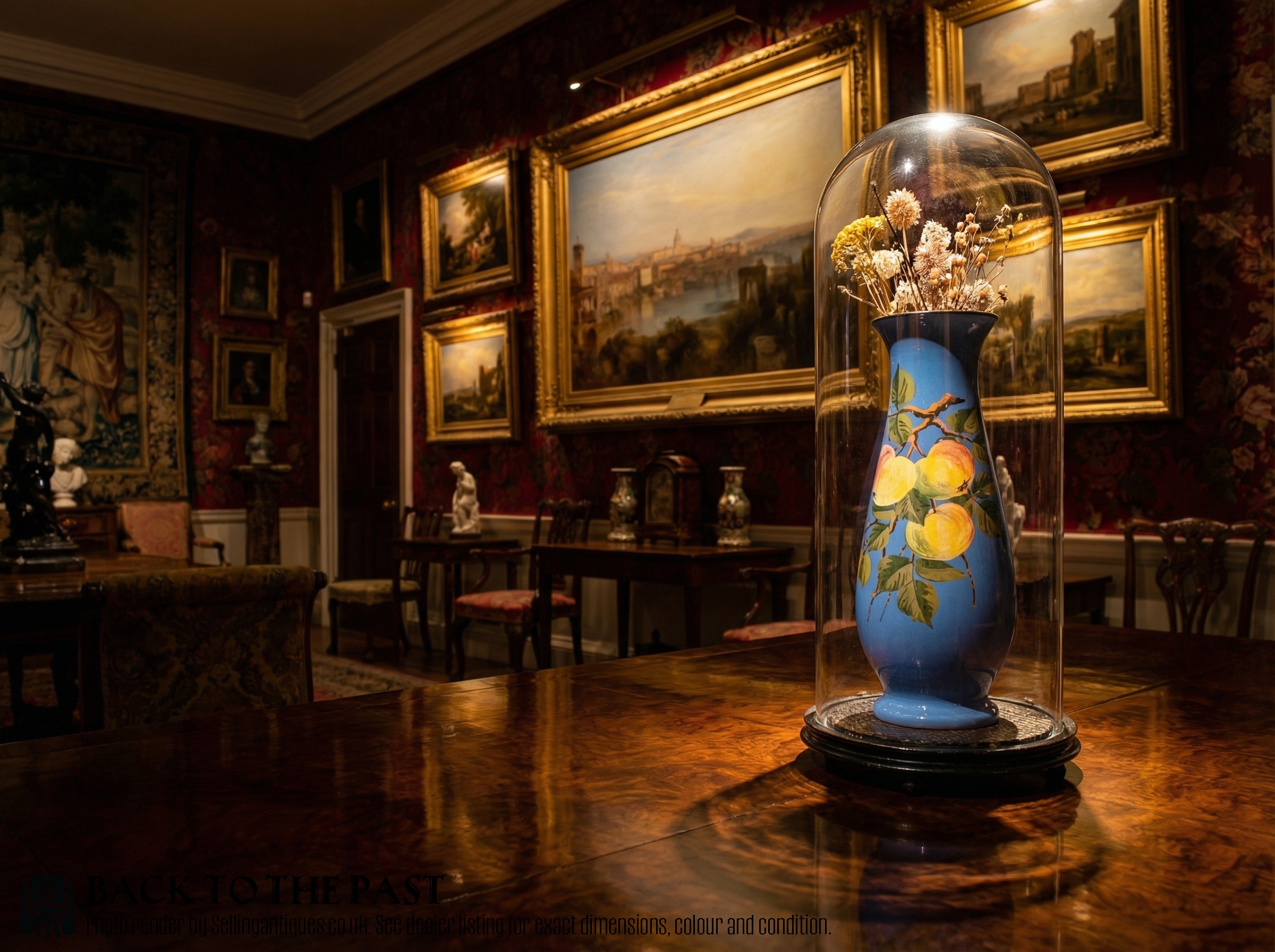
Many wide and ovoid domes were specifically manufactured to cover mantel clocks and carriage clocks, protecting delicate mechanical movements from dust. These clock domes usually feature simple wooden or fabric-lined bases designed to fit the exact footprint of the timepiece.
They share the same blown glass construction as natural history specimen cases.
How should you clean a glass cloche display dome?
The glass cover can be lifted carefully from its base and wiped with a standard glass cleaner and a soft cloth. Care must be taken near old timber bases to avoid excess moisture.
Internal taxidermy or delicate fabric elements should remain undisturbed and cleaned only with a very gentle, dry brush.