
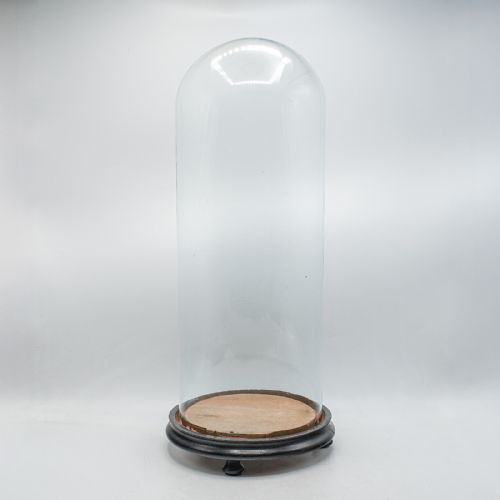


Victorian Taxidermy Showcase Dome
These Victorian taxidermy showcase dome pieces offer clear glass protection and period charm for preserving delicate natural specimens.
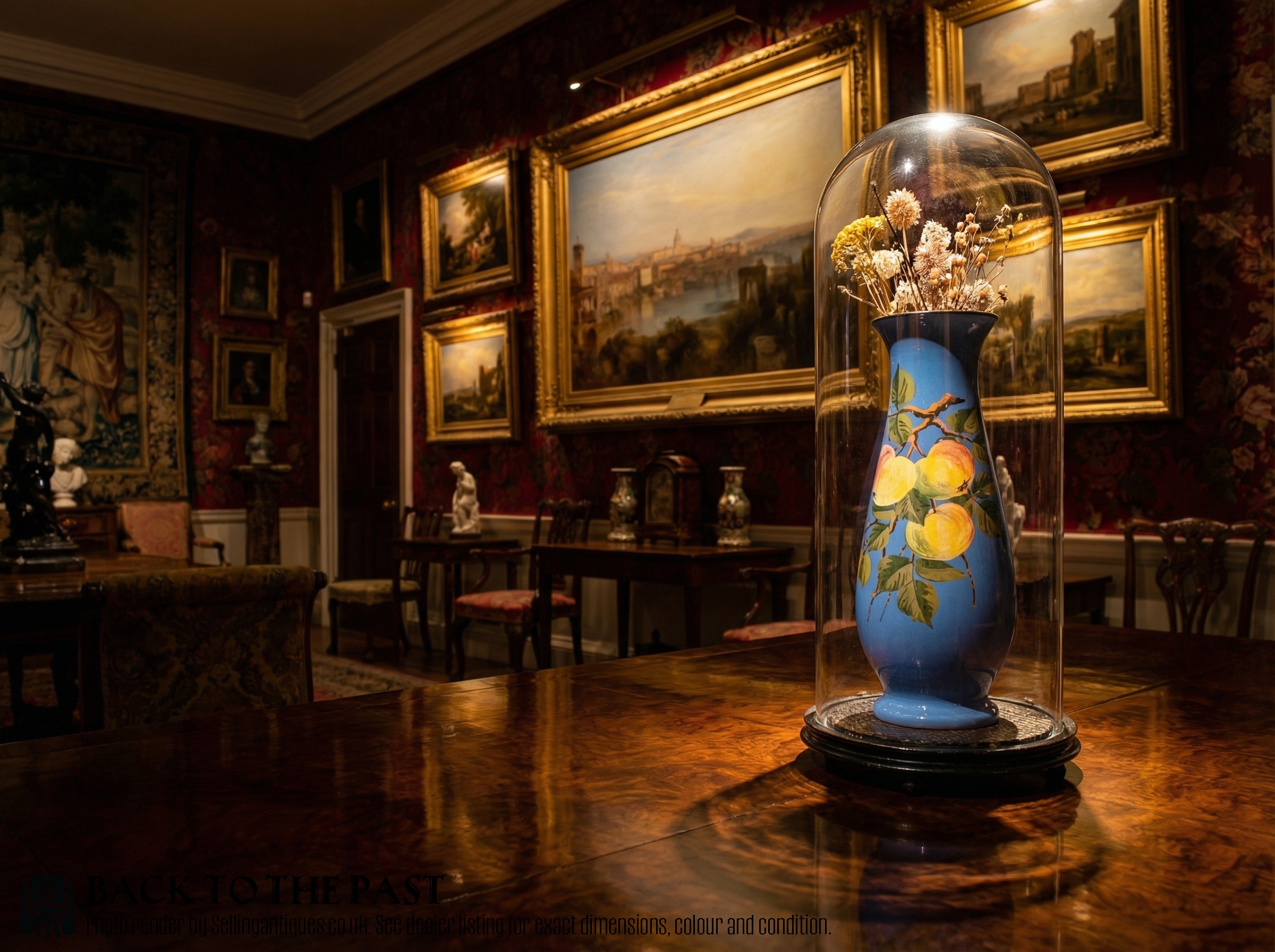
Victorian Taxidermy Showcase Dome
A victorian taxidermy showcase dome is a specialised vessel designed to house and display preserved birds, insects, and natural specimens away from dust. These enclosures typically combine blown glass covers with sturdy wooden bases to create a formal presentation.
The pieces on this page span the Victorian and Edwardian eras, reaching into the early nineteen hundreds. Buyers encounter various proportions, from tall specimen housings to wide clock domes adapted for display purposes.
How They Were Made
Glass blowing techniques created the clear, protective covers, which sit upon turned timber bases. These wooden plinths frequently feature ebonised finishes, oak, mahogany, or pine.
Interiors often utilise fabric linings such as velvet, baize, felt, or general textile layers to cushion the displayed items and provide a contrasting background for the specimens.
Listings feature glass, ebonised wood, mahogany, oak, and pine alongside fabric linings like velvet, felt, and baize.
What Varies in Quality
Quality rests in the clarity and thickness of the blown glass cover, where older examples may exhibit subtle ripples and bubbles from historical manufacture. Superior pieces maintain clean, unblemished domes free from deep scratches or cloudiness.
The craftsmanship of the base distinguishes standard utility items from finer examples. Well-turned timber plinths with stable joints and well-preserved interior fabric linings demonstrate superior original manufacture.
Davis and Co Bristol
The Victorian Taxidermy Showcase Dome Glossary
- Dome
- A convex, curved glass cover designed to fit securely over a circular or oval base. It protects delicate contents from environmental damage.
- Plinth
- The wooden base upon which the glass cover rests. These are frequently fashioned from timber such as oak, mahogany, or pine with ebonised treatments.
- Baize
- A coarse woolen fabric commonly used to line the interior base of a display enclosure. It provides a soft, textured surface for mounting specimens.
- Specimen
- An individual animal, plant, or mineral preserved for scientific or decorative study. These form the central focus housed within the glass enclosure.
Victorian Taxidermy Showcase Dome: Frequently Asked Questions
What fits inside a dome?
These enclosures traditionally house taxidermy birds, small mammals, insects, and botanical specimens. They protect delicate organic materials from dust and handling.
Collectors also utilise them for displaying clocks, ornaments, and curiosities that require an unhindered view from all angles.
How do I clean the glass?
The glass covers require gentle cleaning with standard glass cleaner and a soft, lint-free cloth. Care must be taken when lifting or replacing the heavy glass dome.
Harsh abrasives and excessive pressure should be avoided to prevent scratching the historic surface or disturbing the timber base.
Are bases usually wood?
Most bases utilise turned timber, frequently finished in ebonised wood, oak, mahogany, or pine. These serve as stable platforms for the glass cover.
Many examples include an internal layer of velvet, baize, or felt fitted directly to the timber surface.
How do I date a dome?
Dating relies on stylistic clues in the timber base, the manufacturing characteristics of the glass, and accompanying documentation. Victorian examples often feature rich ebonised or mahogany plinths.
Edwardian pieces from the early twentieth century display similar traditional construction methods with subtle shifts in proportion and timber choice.