


Glass Display Cover
Glass display cover options protect cherished curiosities and specimens, preserving delicate ornaments beneath clear glass.
Glass Display Cover
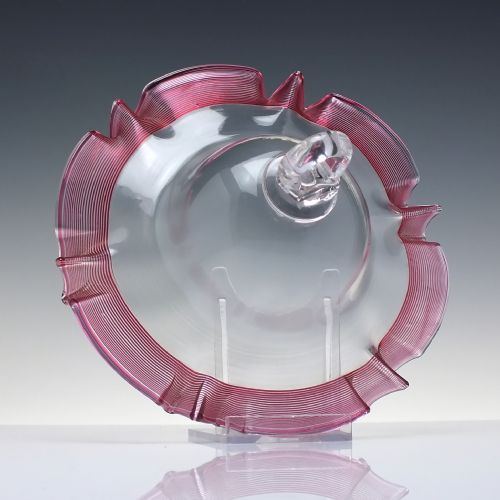
A glass display cover encompasses display domes, cloches, apothecary jars with covers, and clock cases designed to protect fragile objects. Buyers hunting for a glass display cover most frequently encounter Victorian and Edwardian examples intended for taxidermy, clocks, and botanical specimens.
The selection ranges from small dressing table domes to large specimens built for taxidermy showcases. English pieces dominate the selection, often incorporating circular or oval bases.
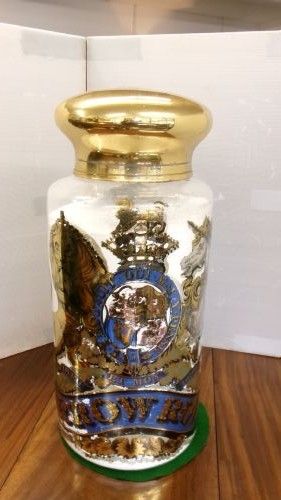
Earlier Georgian and 19th Century forms share space with later Victorian and Edwardian iterations. Apothecary jars with covers also appear, serving as pharmacy and chemist shop display vessels.
Quality factors in display pieces
Clarity and thickness of the blown glass dictate the visual quality of the cover, alongside the absence of distortion in the dome. Superior pieces feature heavy, uniform glass sitting squarely on well-finished wooden bases.
The choice of base timber and interior lining influences the overall character of the object. Oak, beech, and ebonised wood paired with clean baize or velvet represent higher grade manufacturing.
Arrowroot and gelatine once filled pharmacy display jars now repurposed as antique containers.
The Glass Display Cover Glossary
- Dome
- A rounded glass cover used to protect and display delicate ornaments or specimens. These pieces sit upon wooden bases.
- Cloche
- A bell-shaped glass cover traditionally utilised for shielding plants or tabletop displays. The form provides clear all-round visibility.
- Apothecary jar
- A glass vessel with a matching cover designed to hold medical ingredients or shop goods. Victorian examples often feature bold labelling or contents like arrowroot and gelatine.
- Ebonised wood
- Timber treated to imitate ebony, producing a dark, polished finish. This material frequently forms the base of Victorian display domes.
- Baize
- A coarse woolen material resembling felt, used to line the interior bases of display cases. It cushions placed items and provides a contrasting background.
Glass Display Cover: Frequently Asked Questions
What fits under a glass display cover?
These covers house diverse items including clocks, taxidermy specimens, botanical collections, and fragile ornaments. The enclosed space protects delicate surfaces from dust and handling.
Tall and wide variants accommodate standing specimens, while smaller versions suit dressing tables and pocket watches.
How do I clean a glass display cover?
Cleaning requires lifting the glass carefully from its wooden base to access the interior and exterior surfaces. Mild glass cleaner applied with a soft cloth removes dust without harming the material.
Avoid submerging wooden bases in water, wiping them instead with a dry or slightly damp cloth to preserve the finish.
Are these covers handmade?
Victorian and Edwardian glass covers involve traditional mouth-blown techniques. This method results in subtle variations in glass thickness and occasional tiny air bubbles within the material.
Wooden bases receive hand-finishing, turning, and lining with materials like velvet or felt to match the period style.
How do I date a display dome?
Dating relies on the thickness and weight of the glass, the wood used for the base, and construction methods. Victorian examples often feature ebonised or pine bases with heavy, clear glass.
Edwardian pieces frequently utilise oak or beech, while 19th century and Georgian variants show distinct turning styles on the timber foot.