
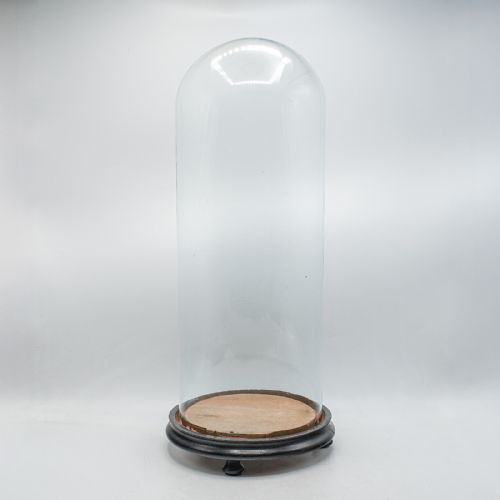


Tall Clear Cloche
These tall clear cloche pieces are glass display domes used for protecting and exhibiting Victorian and Edwardian specimens.
Tall Clear Cloche
When you search for a tall clear cloche, you are looking at nineteenth and early twentieth century display domes. These pieces primarily function as glass covers for taxidermy, specimens, ornaments and clocks.
The versions you are most likely to meet on this page hail from the Victorian, Edwardian and nineteen-hundred periods. English examples frequently feature bases made from ebonised wood, timber, walnut or marquetry.
How they were made
Makers shaped the glass to form tall clear cloches designed to sit snugly within or upon wooden display cases, protecting delicate taxidermy and collector specimens from dust.
Listings feature items from the Victorian, Edwardian and nineteen-hundred periods, utilising glass, ebonised wood, walnut, fabric and velvet.
What varies in quality
Quality in these pieces rests upon the clarity and thickness of the glass dome itself, alongside the cabinetmaker's work on the wooden base. Walnut, marquetry and finely finished ebonised timber elevate the status of a specimen case.
Proportion and scale dictate the visual success of a tall display dome, where the height of the glass must balance the weight and detail of the base underneath.
The Tall Clear Cloche Glossary
- Cloche
- A bell-shaped glass cover used to protect plants, food or decorative specimens. These large glass domes form the primary focus of this page.
- Taxidermy
- The art of preserving and mounting animal skins for display. Many of these glass domes house historical taxidermy specimens.
- Ebonised wood
- Timber stained or treated to imitate ebony. This dark finish appears frequently on the wooden bases of Victorian domes.
- Marquetry
- The art of applying pieces of veneer to a structure to form decorative patterns. Selected bases utilise this technique for added visual interest.
- Diorama
- A three-dimensional scene containing models or specimens. Oval antique examples often house such arrangements under glass.
Tall Clear Cloche: Frequently Asked Questions
What are tall clear cloches used for?
These glass domes serve to protect and display delicate objects such as taxidermy specimens, clocks and ornaments. Collectors historically utilised them to keep dust away from fragile interior displays.
Today, they function as decorative display cases in homes, highlighting interesting natural history specimens or antique objects under clear glass covers.
How do I date a glass dome?
Dating relies heavily on the style of the wooden base, the materials used such as walnut or ebonised timber, and associated labels or construction marks. Victorian and Edwardian examples exhibit distinct base profiles and wood treatments.
Examining the glass itself for bubbles and inconsistencies also helps determine whether a piece originates from the nineteenth or early twentieth century.
Are these domes removable from their bases?
Most glass domes lift away from their wooden bases to allow access to the specimens inside. The glass sits in a dedicated groove or rests flat upon the platform.
Care is required when lifting the tall clear glass covers, as historical glass can be heavy and delicate at the edges.
How do I clean an antique glass dome?
Use a soft, dry cloth to remove dust from both the exterior and interior of the glass dome. Avoid harsh chemical cleaners that might damage historical wooden bases or surrounding fabric linings.
Take care when removing the glass from its base to prevent accidental chipping or dropping of the antique material.