







Victorian Glass Dome Display
These glass domes bring Victorian natural history and delicate decorative arrangements into the home, protecting fragile specimens beneath clear blown glass.
Victorian Glass Dome Display
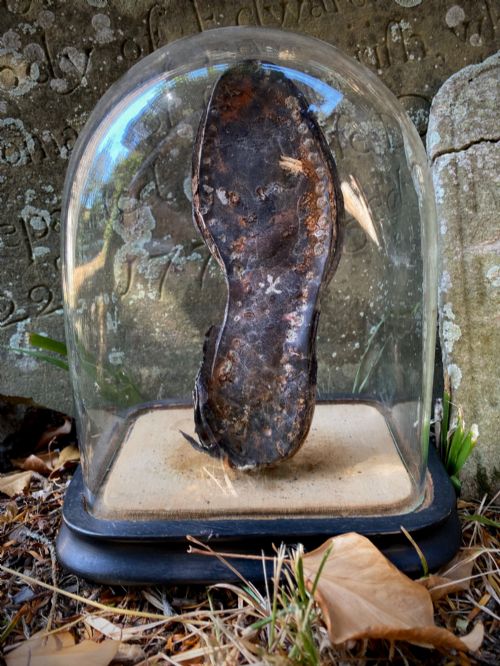
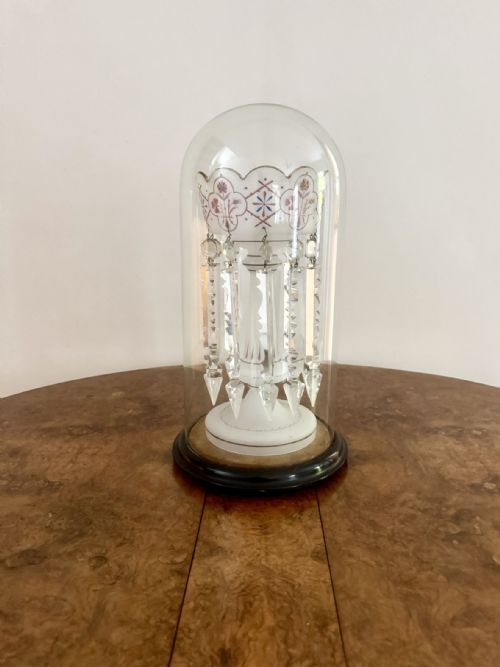
A victorian glass dome display comprises a blown glass cover seated upon a wooden base, designed to protect and exhibit interior objects.
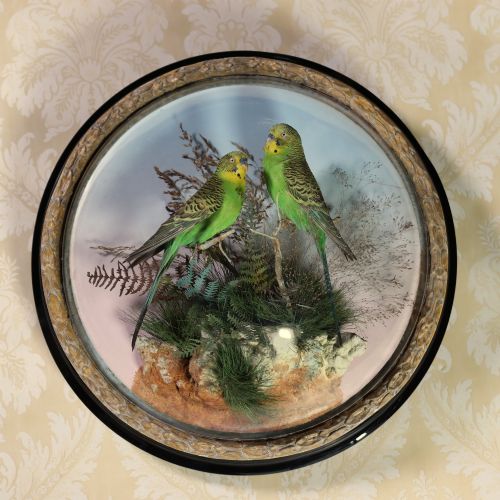
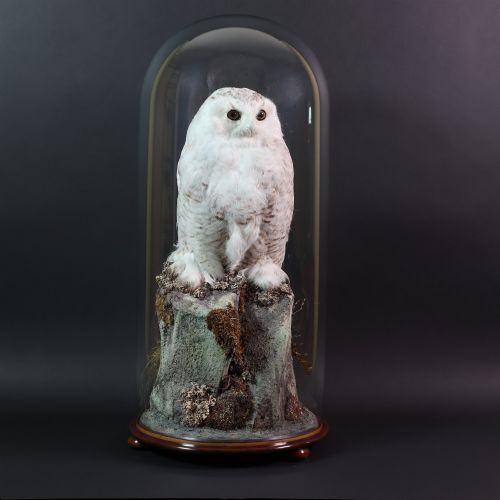
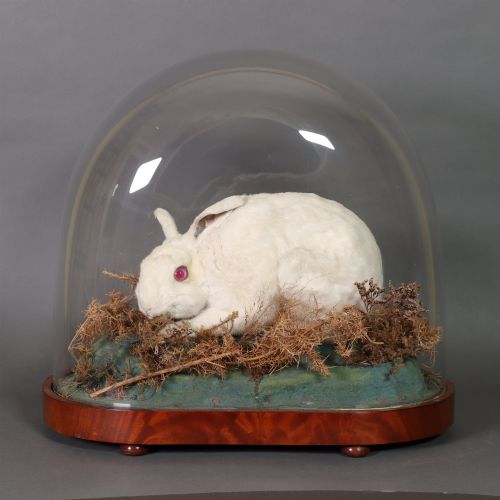
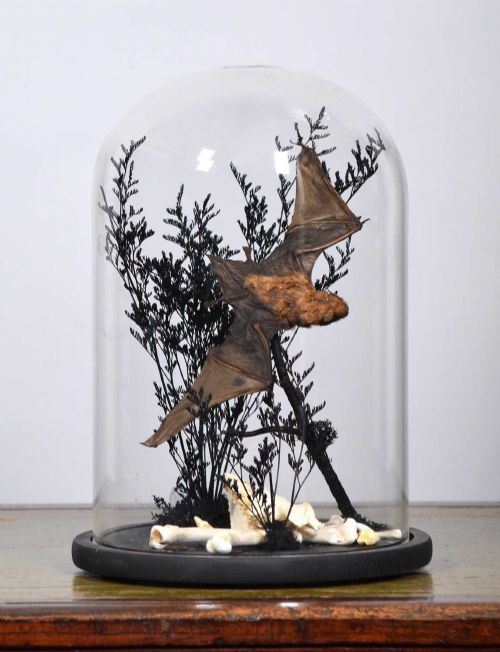
The objects housed inside these enclosures range from taxidermy birds and animals to botanical specimens, French beadwork bouquets, and fruit arrangements.
Most examples originate from the Victorian and Edwardian periods, though pieces span from the mid-nineteenth century into the early twentieth century.
Materials and construction
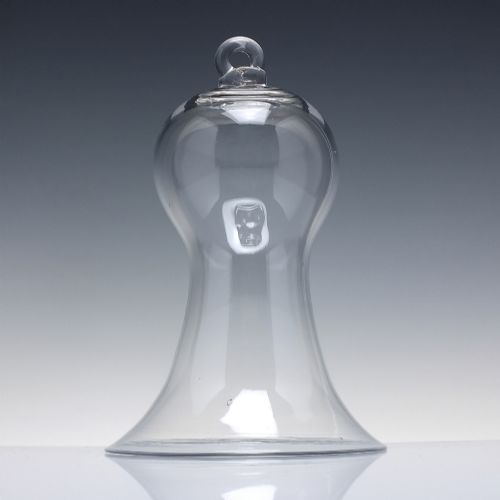
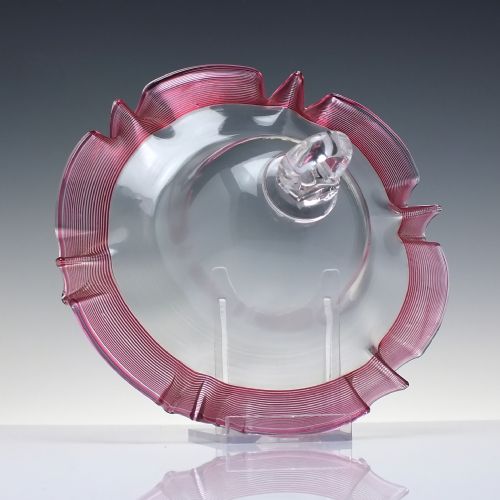
Makers produced the clear covers through glass blowing techniques, creating ovoid, tall, or wide bell jars that fit onto turned wooden bases.
Bases typically consist of ebonised wood, mahogany, oak, or pine, sometimes fitted with felt, velvet, or fabric linings to support the internal display.
Interior displays incorporate wire, fabric, and feathers alongside taxidermy specimens and botanical compositions.
Victorian Glass Dome Display Retail Price Guide 2026
Typical asking prices for victorian glass dome display among the pieces listed under this phrase on Sellingantiques today, from the lower quarter to the upper quarter. They describe what is for sale here now, not the wider market.
Natural history selections incorporate exotic specimens such as birds of paradise, hummingbirds, and bats.
Factors influencing quality
The clarity and weight of the blown glass cover set finer examples apart from standard production items, particularly where bubbles and distortion are minimal.
The complexity and preservation of the interior display, whether taxidermy birds of paradise or intricate silk and beadwork bouquets, determine the overall merit of the piece.
Substantial timber bases featuring turned feet or fitted grooves enhance the structural integrity and visual weight of the enclosure.
James Gardner of London·Henry Ward London·A Pollard·Davis and Co Bristol
The Victorian Glass Dome Display Glossary
- Cloche
- A bell-shaped glass cover used to protect food, plants, or decorative objects. It shares the fundamental form of a display dome.
- Ebonised
- Wood treated with a finish to imitate ebony. This dark surface treatment is common on Victorian display bases.
- Diorama
- A three-dimensional scene enclosed behind glass. These arrangements often depict taxidermy birds or mammals in a naturalistic setting.
- Vitrine
- A glass-panelled cabinet or showcase used for displaying curiosities. They serve a similar protective purpose to enclosed domes.
- Specimen
- An individual animal, plant, or mineral collected for scientific study or display. They form the core content of natural history domes.
Victorian Glass Dome Display: Frequently Asked Questions
What did people put under glass domes?
Victorian households placed taxidermy birds, small mammals, and botanical specimens beneath glass covers to keep them free from dust.
Other popular contents included French beadwork bouquets, silk flowers, and still life arrangements of fruit.
Are these domes hand blown?
Many nineteenth-century examples feature hand-blown glass covers, which often display slight thickness variations, small air bubbles, and wavy distortions.
Later or utilitarian production pieces can exhibit more uniform machine-made characteristics.
How do I date a glass dome?
Dating relies on the materials of the base, such as ebonised wood or mahogany, and the style of the interior contents. Victorian and Edwardian examples often feature turned timber plinths and specific taxidermy mounting techniques.
Archival records and maker labels attached to the base provide more precise chronological markers.