



Edwardian Taxidermy Specimen
These edwardian taxidermy specimen pieces capture the natural world through preserved birds, mammals, and insects housed in glass domes or wooden cases.
Edwardian Taxidermy Specimen
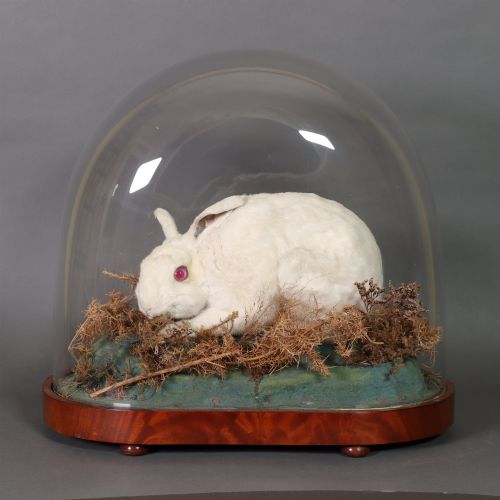
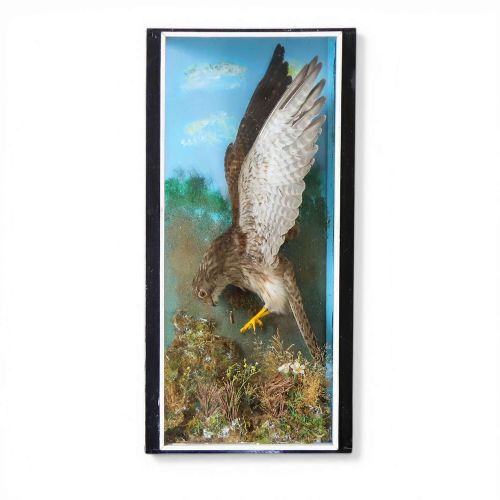
When you search for an edwardian taxidermy specimen, you encounter preserved creatures mounted for study and display. The selection spans domestic birds, exotic mammals, and delicate insects presented within glass domes or painted wooden cases.
The form ranges from wall displays and framed specimens to large floor-standing trophy heads and tabletop cloches. Most pieces preserve British wildlife or exotic species brought back during the early twentieth century.
Victorian natural history traditions heavily influence these Edwardian pieces, maintaining the detailed background dioramas that mimic natural habitats. These specimens serve as curiosity cabinet decor and focal points for studies and hallways.
Materials and construction
Taxidermists utilised preserved animal hides, feathers, and horns mounted over anatomical forms. Glass domes and wooden bases protected fragile specimens from dust and humidity.
Cases often incorporated ebonised wood, oak, or beech, paired with hand-painted background scenes to create realistic miniature landscapes. Glazing techniques allowed maximum visibility from multiple angles.
Edwardian Taxidermy Specimen Retail Price Guide 2026
Typical asking prices for edwardian taxidermy specimen among the pieces listed under this phrase on Sellingantiques today, from the lower quarter to the upper quarter. They describe what is for sale here now, not the wider market.
Albino rabbits and sea green swallowtail butterflies share space with formidable hartebeest trophies in this menagerie.
Assessing quality
The standard of an edwardian taxidermy specimen depends on the lifelike posture of the creature and the artistic depth of the painted backdrop. Superior examples maintain intact plumage and fur without visible shrinkage or fading.
Cabinet construction also dictates worth, with hand-blown glass domes and dovetailed hardwood cases indicating higher craftsmanship. Maker attribution from notable taxidermists elevates the historical importance of the piece.
James Gardner of London·Edward Gerrard and Sons·W.F. Homer London
The Edwardian Taxidermy Specimen Glossary
- Taxidermy specimen
- A preserved animal skin mounted over an artificial armature to represent its live appearance. This forms the central focus of natural history displays.
- Glass dome
- A blown glass cover placed over a wooden base to protect delicate specimens. These enclosures keep dust and moisture away from fragile feathers and fur.
- Diorama
- A three-dimensional scene featuring a taxidermy specimen set against a painted background. These installations recreate the natural habitat of the animal.
- Ebonised wood
- Timber treated with a dark finish to resemble ebony. This material often frames display cases and shadow boxes.
- Cloche
- A bell-shaped glass cover used to display small specimens on tabletops. The shape provides clear all-around visibility.
Edwardian Taxidermy Specimen: Frequently Asked Questions
Where should I place a taxidermy dome at home?
Position the piece away from direct sunlight and damp areas to protect the delicate plumage and wooden case.
Studies, libraries, and hallways provide stable environments away from extreme temperature shifts.
How can I tell Edwardian taxidermy from Victorian pieces?
Edwardian specimens often feature slightly more minimalist cases and brighter painted backdrops compared to denser Victorian arrangements.
Construction methods and dated inscriptions on the backing boards also help pinpoint the era.
Are these specimens fragile?
The preserved materials and blown glass covers require careful handling during relocation.
Keep the glass dome secured to its wooden base whenever you move the piece.