
Gilt Porcelain Decorative Vase
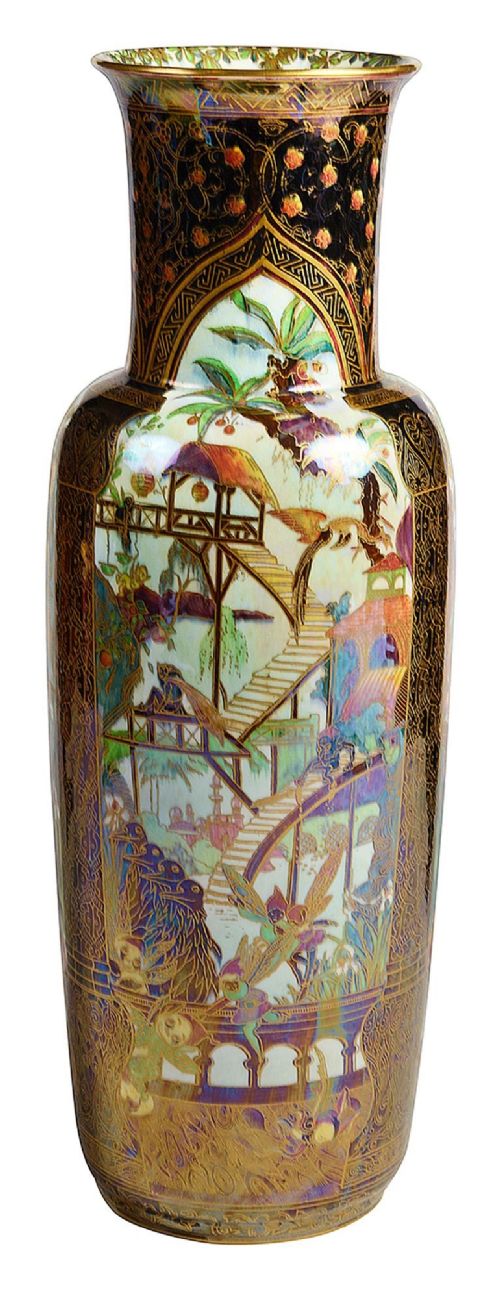
These pieces of gilt porcelain decorative vase work combine ceramic forms with metallic gilding across the nineteenth and twentieth centuries.
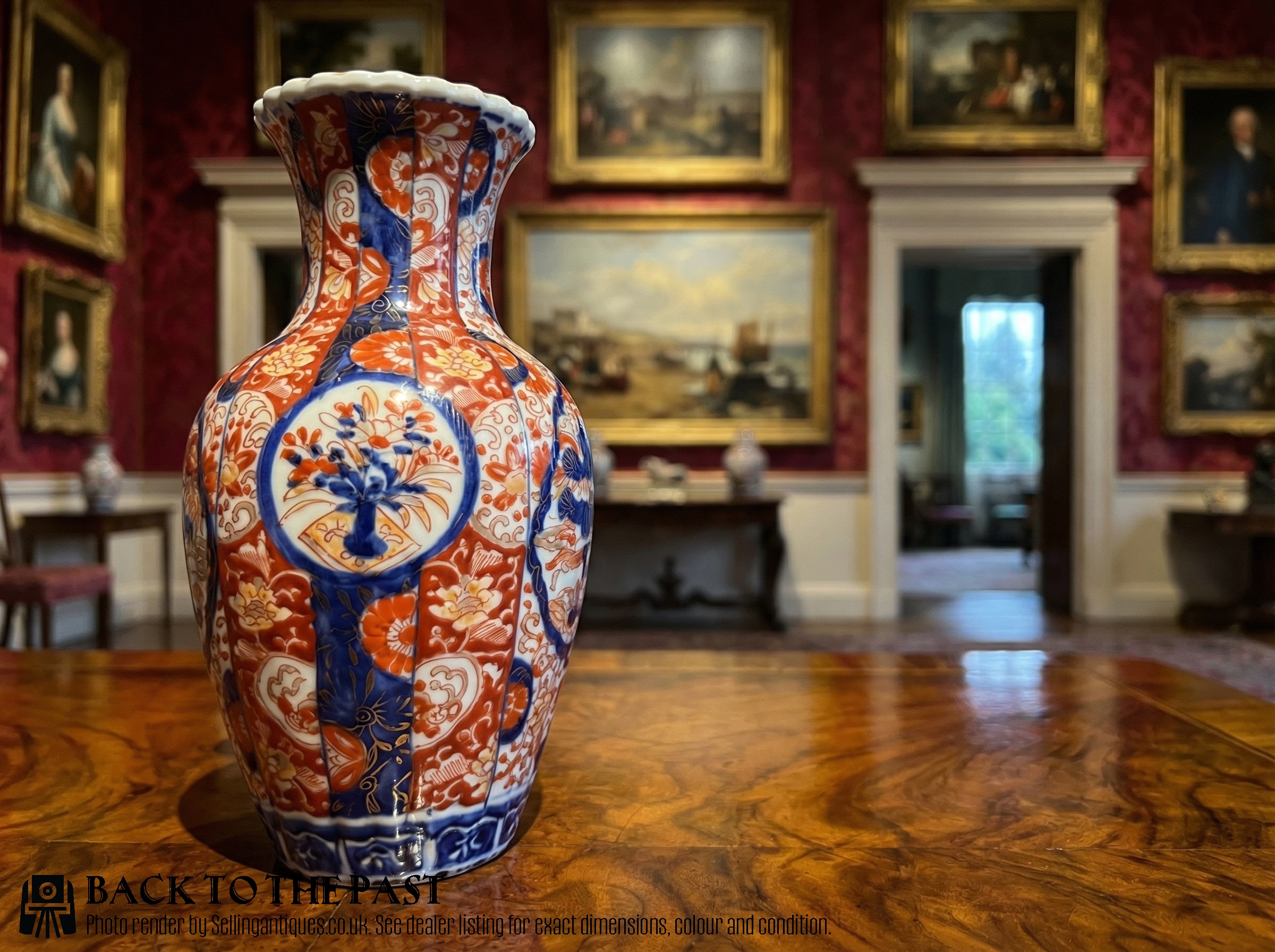
Gilt Porcelain Decorative Vase
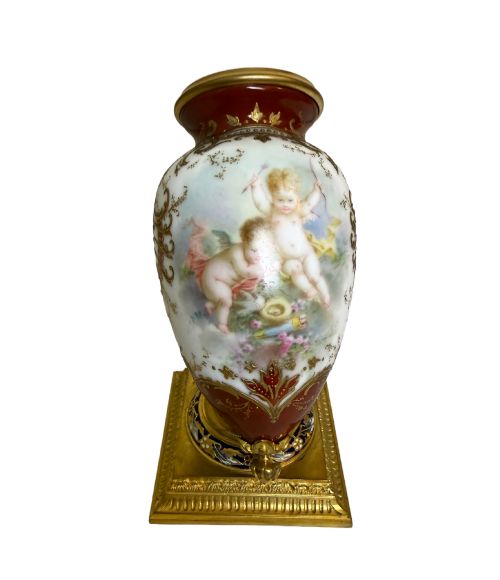
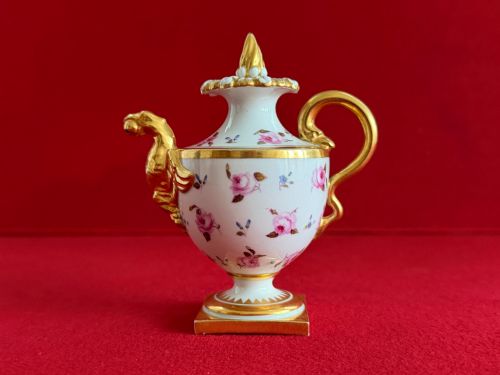
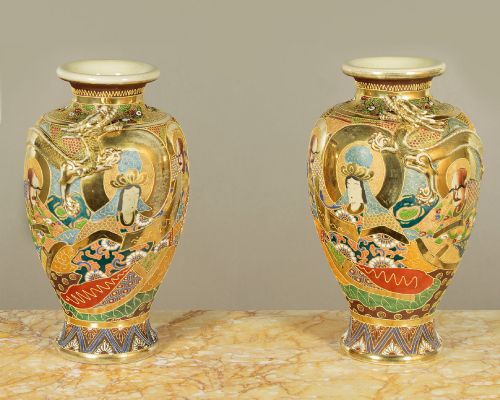
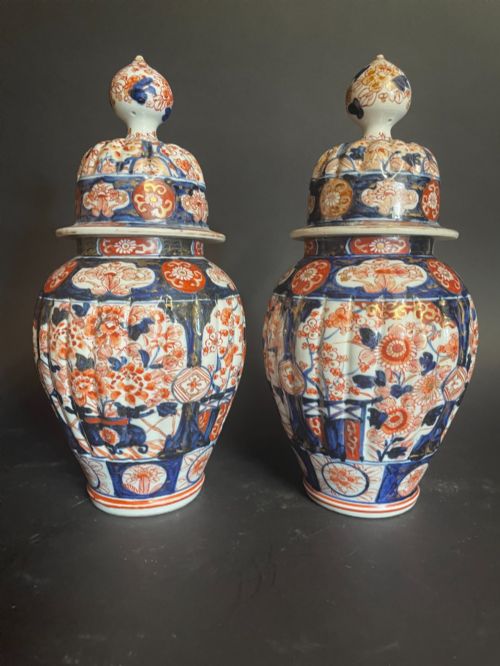
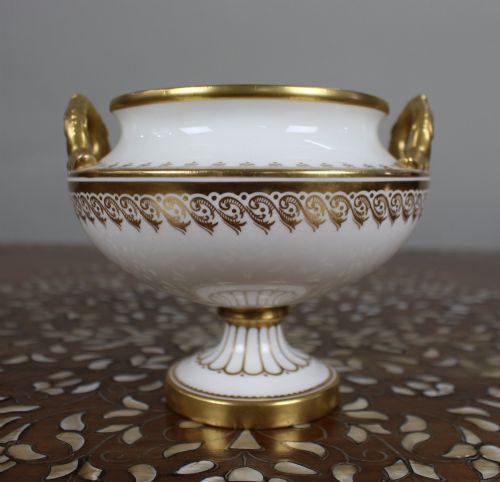
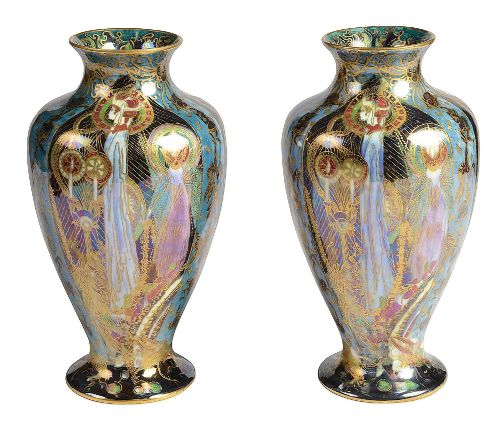
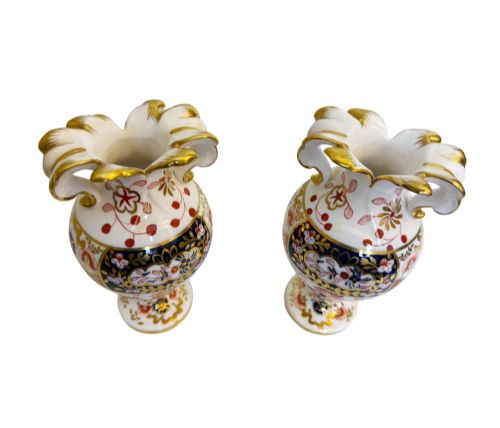
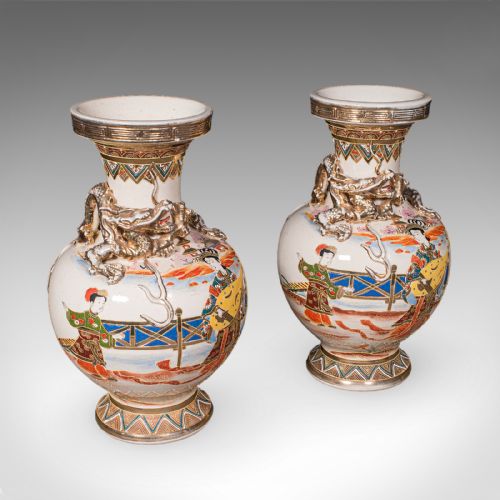
A gilt porcelain decorative vase brings together ceramic bodies and metallic highlights, spanning traditional urns, campana shapes, baluster profiles, and lidded jars. These objects originate from English factories, continental European makers, and Japanese workshops, reflecting diverse regional tastes.
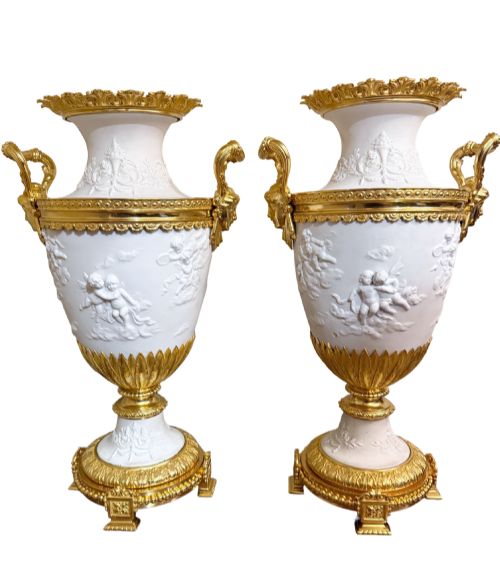
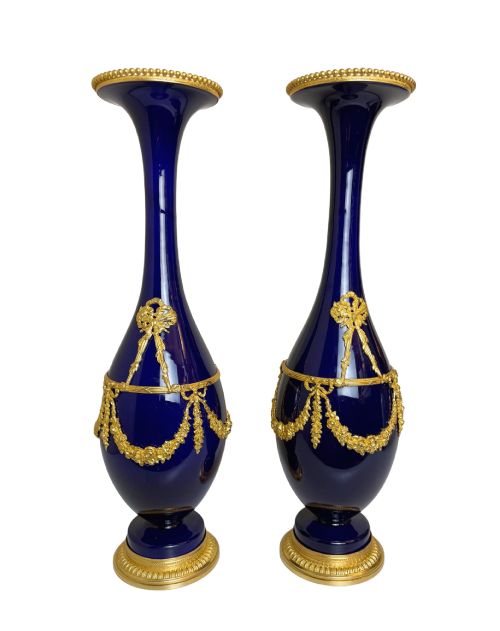
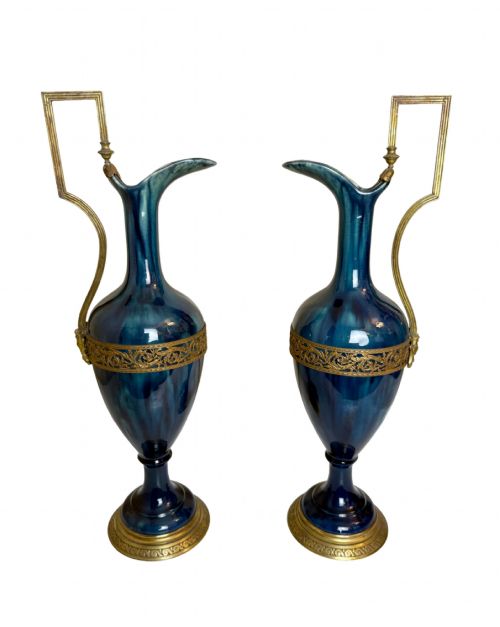
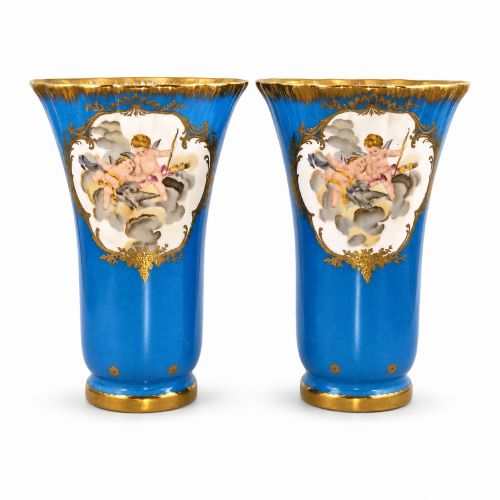
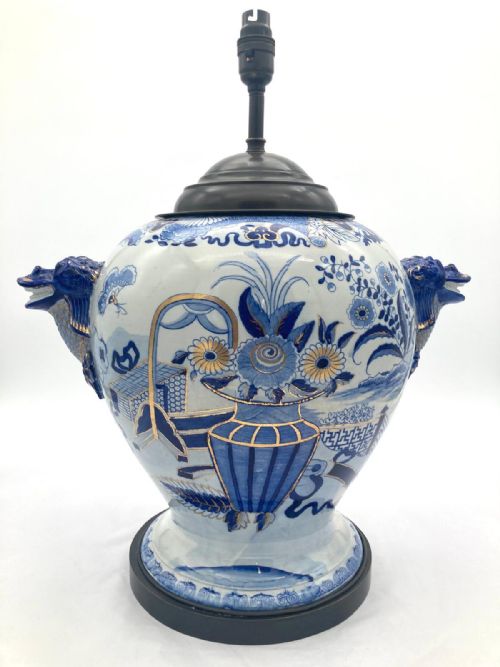
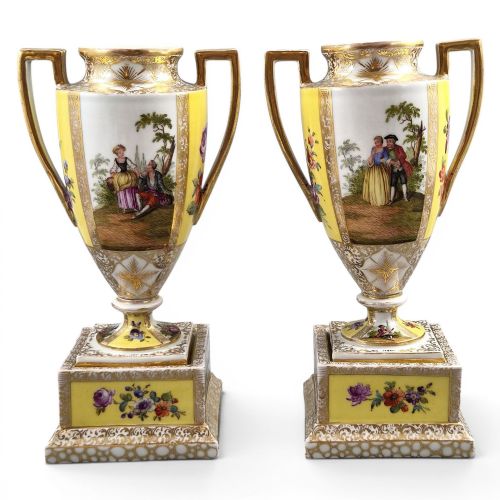
The selection here draws heavily upon nineteenth-century production alongside Edwardian and early twentieth-century examples. Buyers will encounter pairs of vases mounted in gilt bronze, standalone ewers, and reticulated vessels decorated with hand-painted scenes or transfer prints.
Materials and Techniques
Manufacture relies upon fired porcelain, earthenware, and ironstone shaped into vessels and glazed before receiving surface decoration. Artisans applied enamel paints, cobalt grounds, and transfer-printed motifs directly onto the ceramic body.
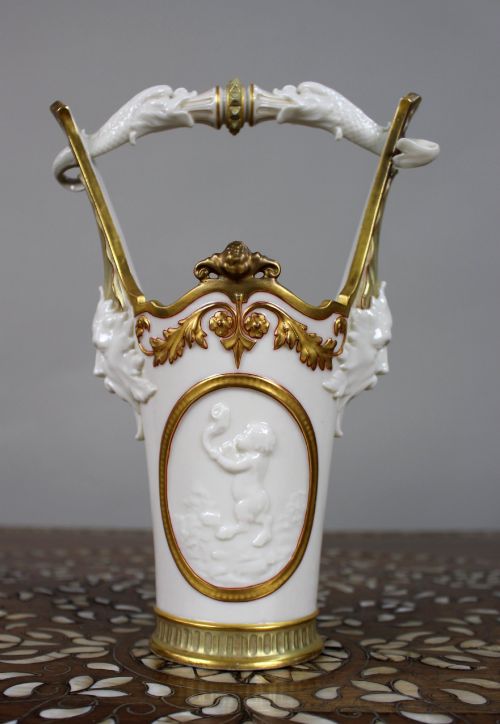
Gilding was executed using gold leaf, liquid gold, or gilt bronze mounts that frame the porcelain body. Metal components provide structural trim, handles, and bases, complementing the glazed ceramic surfaces.
Listings feature porcelain, earthenware, and ironstone combined with gold leaf, enamel, and cast gilt bronze mounts across multiple centuries.
Distinctions in Execution
Quality rests upon the precision of the hand-painted details and the crispness of the porcelain moulding. Superior examples display carefully executed figural scenes, botanical studies, or intricate moriage work rather than generic transfer printing.
The integration of metal mounts also defines the tier of a piece, where cast gilt bronze fittings fit the ceramic body with exactness. Heavier porcelain forms, balanced proportions, and well-preserved gilding mark the upper range of these objects.
Flight Barr and Barr·Royal Worcester·Wedgwood·Spode·Coalport
The Gilt Porcelain Decorative Vase Glossary
- Campana
- A bell-shaped urn or vase form popular in classical revival designs. These vessels typically feature flared rims and scroll handles.
- Baluster
- A vase form characterised by a rounded body that tapers toward a narrow neck and base. This shape provides a stable silhouette for painted decoration.
- Moriage
- A decorative technique using layered slip or enamel to create raised surface patterns on ceramics. It frequently appears on Japanese earthenware and porcelain.
- Reticulated
- Describes ceramic work featuring an openwork or pierced lattice design. Artisans carved these patterns into the clay body before firing and glazing.
- Ewer
- A large jug with a wide spout and looped handle, adapted for decorative display. These vessels mirror the forms of historical drinking water pitchers.
Gilt Porcelain Decorative Vase: Frequently Asked Questions
What periods do these vases date from?
The pieces span the nineteenth century through the early twentieth century, including Regency, Victorian, and Edwardian eras. Certain examples reflect earlier eighteenth-century styles produced in later revival periods.
Manufacturing dates often align with factory marks, reigning periods such as the Meiji era, or specific artist signatures recorded on the ceramic base.
How were gilt bronze mounts utilised?
Gilt bronze mounts served as structural frames, decorative handles, rims, and supportive bases for porcelain vessels. French and English makers applied these metal additions to enhance the formality of the ceramic forms.
These bronze elements were cast and chased separately before being fitted securely around the body of the vase or urn.
Where were these porcelain vessels made?
Production centres include prominent English potteries, French porcelain houses working in various regional tastes, and Japanese kilns creating Satsuma and Kutani wares. European makers often drew inspiration from Sèvres and Meissen traditions.
Japanese pieces reflect distinct regional aesthetics from periods such as the Meiji and Showa eras, utilising local clays and glazes.
How do I care for gilt porcelain?
Maintenance requires gentle dusting with a soft, dry cloth to protect delicate enamel work and surface gilding. Avoid liquid cleaners or abrasive materials that can wear away thin gold leaf or enamel details.
Placement should be away from direct sunlight and moisture to preserve the stability of both the ceramic body and any metal mounts.