



Gilt Japanese Vase
A gilt japanese vase brings together intricate hand-painted detail and rich metallic highlights, offering a striking centrepiece for a collector of East Asian ceramics.
Gilt Japanese Vase
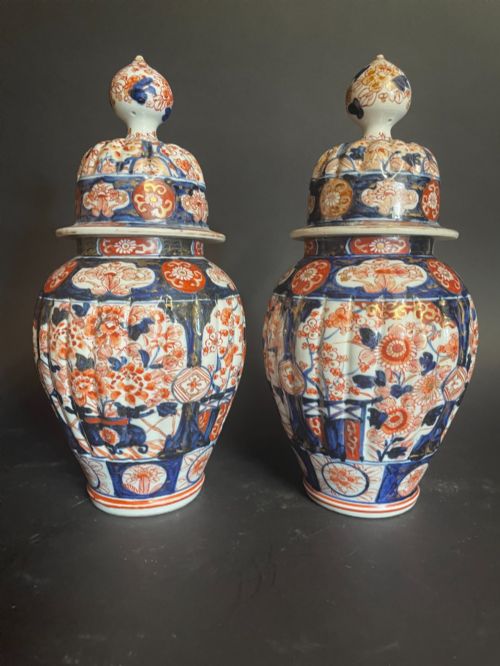
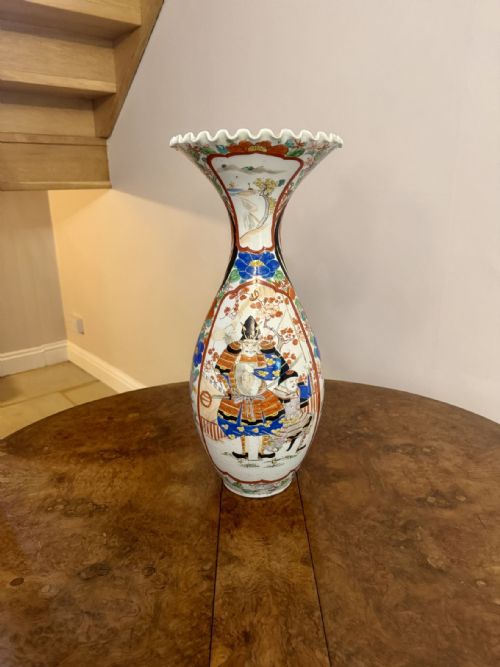
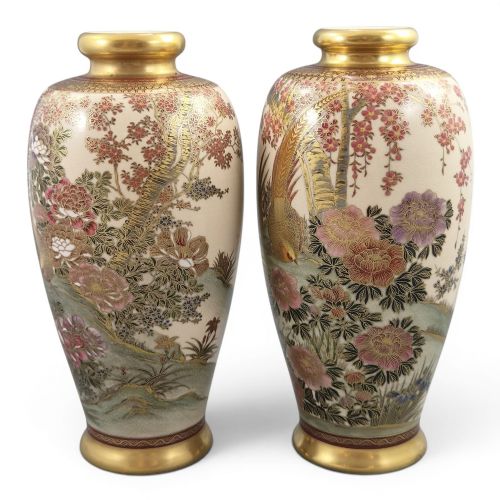
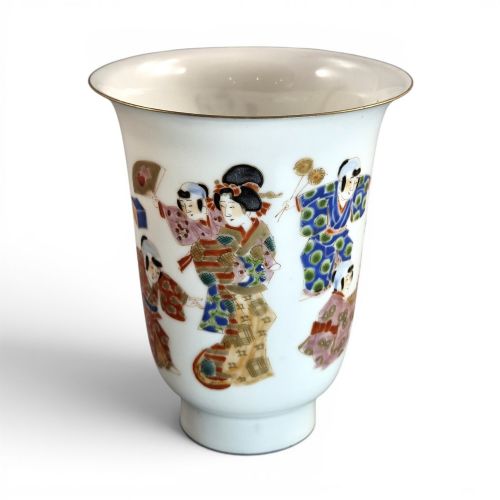
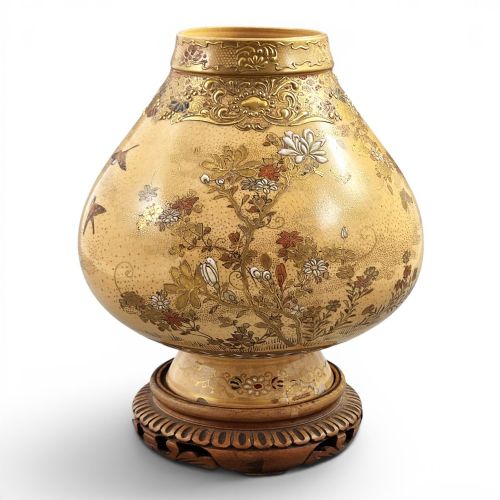
When searching for a gilt japanese vase, collectors encounter diverse ceramic traditions spanning the Meiji, Taisho, and Showa periods. The selection here leans heavily towards Satsuma earthenware and Kutani or Imari porcelain pieces produced from the late nineteenth century onwards.
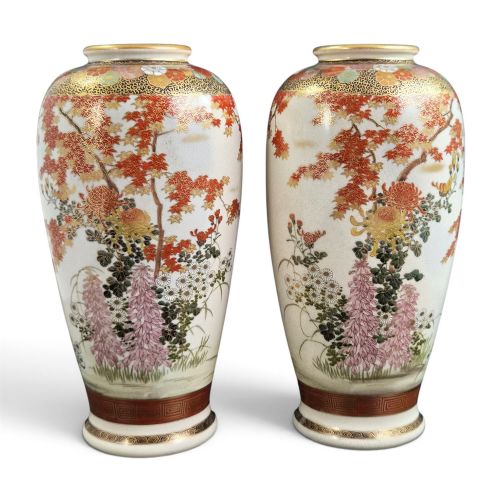
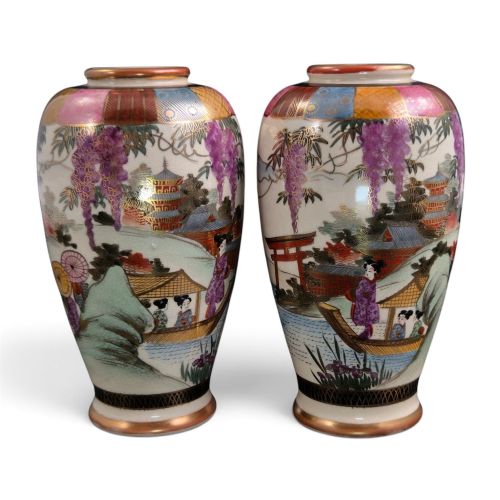
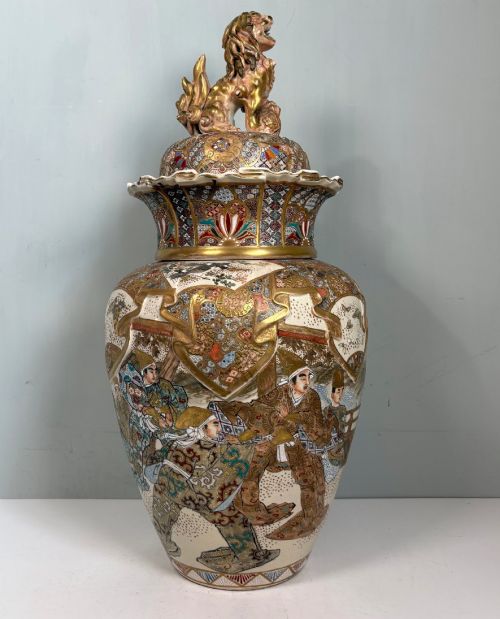
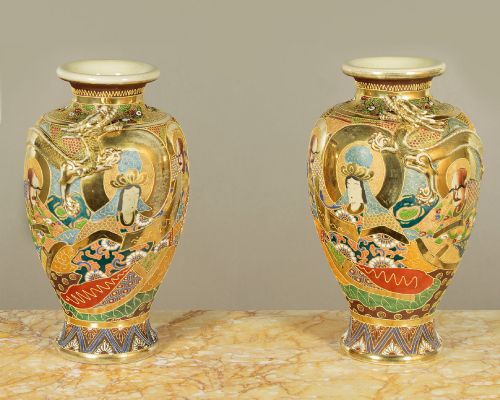
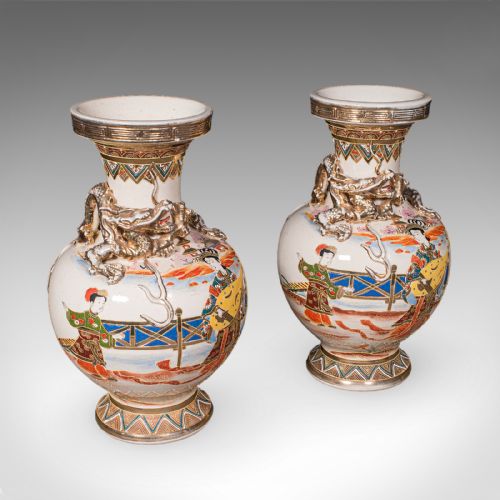
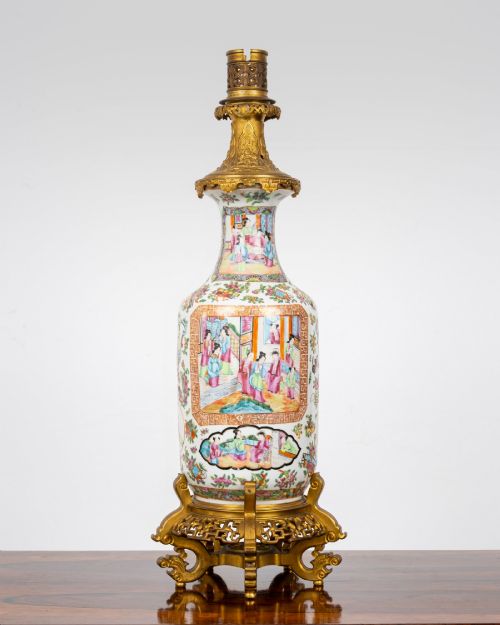
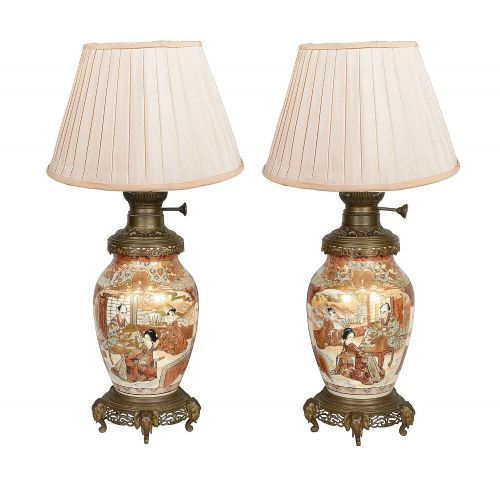
Vessels range from intimate miniature vases and lidded jars to monumental baluster forms and repurposed table lamps. Many examples feature elaborate hand-painted court scenes, dragons, or floral motifs enriched with extensive gold leaf and raised enamel work.
The objects stem predominantly from workshops in Kyoto, Kobe, and Arita, reflecting both domestic Japanese tastes and the heavy export demands of the Victorian and Edwardian eras.
How they were made
Potters shaped fine earthenware or porcelain bodies on the wheel, often finishing pieces with intricate moulded details such as handles shaped like dragons or temple lions. Artisans then applied delicate crackle-glaze foundations, particularly on Satsuma wares, to prepare surfaces for detailed painting.
Decoration relied on mineral pigments combined with heavy application of gold leaf and moriage, a technique using raised slip to create textured relief before firing. Bronze mounts and Ormolu fittings were occasionally added by European importers to adapt Asian vessels for Western interiors.
Listings feature vessels spanning the 19th century through the Showa period, utilising porcelain, earthenware, and gold leaf.
What varies in quality
Quality depends directly upon the precision of the brushwork and the density of the gilding applied across the ceramic surface. Premier examples display remarkably crisp facial expressions on figural panels and secure, unblemished gold leaf that retains its brilliant lustre.
Renowned studio marks, such as those associated with the Kinkōzan workshop or named artists like Chosei, elevate pieces above standard commercial exports. The harmony between the cobalt blue grounds, enamel colours, and gold detailing ultimately dictates the visual success of each vessel.
Maruni Kobe·Manpei·Kinkōzan·Chosei·Nanzan·Hakusan·Hododa·Tashiro
The Gilt Japanese Vase Glossary
- Satsuma
- A type of Japanese earthenware featuring an ivory-coloured, crackled glaze that serves as a canvas for elaborate polychrome and gilt decoration. Originating in Satsuma Province, these wares became immensely popular during the Meiji period.
- Moriage
- A decorative technique where slip is piped onto the ceramic surface in raised dots or lines before firing, creating a tactile, three-dimensional effect beneath the gilding. This method is frequently observed on figural and floral vessels.
- Imari
- A style of Japanese porcelain characterised by a distinctive palette of underglaze blue, iron red, and abundant gold highlights. The name derives from the port town where these export wares were shipped to the West.
- Kutani
- A traditional Japanese porcelain noted for vibrant overglaze enamels, particularly deep greens, purples, yellows, and reds, often outlined in black and accented with gold. Kutani pieces span numerous historical periods and aesthetic styles.
- Baluster
- A vase form featuring a rounded, bulbous lower body that tapers gracefully toward a narrower neck and flared rim. This classic silhouette provides stable proportions for complex pictorial scenes.
Gilt Japanese Vase: Frequently Asked Questions
How do I identify a Satsuma vase?
Satsuma wares are recognised by their characteristic ivory earthenware body covered in a fine network of crackled transparent glaze. They almost exclusively feature intricate hand-painted enamel scenes enriched with heavy gold leaf.
Many pieces carry specific artist signatures or workshop seals on the base, often associated with historic centres of production like Kyoto or Kobe.
What period do most of these vases date from?
The majority of pieces encountered today originate from the Meiji period, spanning the late nineteenth and early twentieth centuries. This era marked a peak in Japanese decorative arts created specifically for international export.
Subsequent examples extend into the Taisho and early Showa periods, continuing traditional techniques while adapting to changing decorative preferences.
How should I care for a gilt ceramic vase?
Gilt and enamelled surfaces require gentle handling to preserve the delicate gold leaf and raised enamel work over time. Dusting should be performed strictly with a soft, dry cloth without the use of liquid cleaning solutions or abrasives.
Keeping pieces away from direct sunlight prevents fading of the mineral pigments and protects the integrity of the antique ceramic body.