

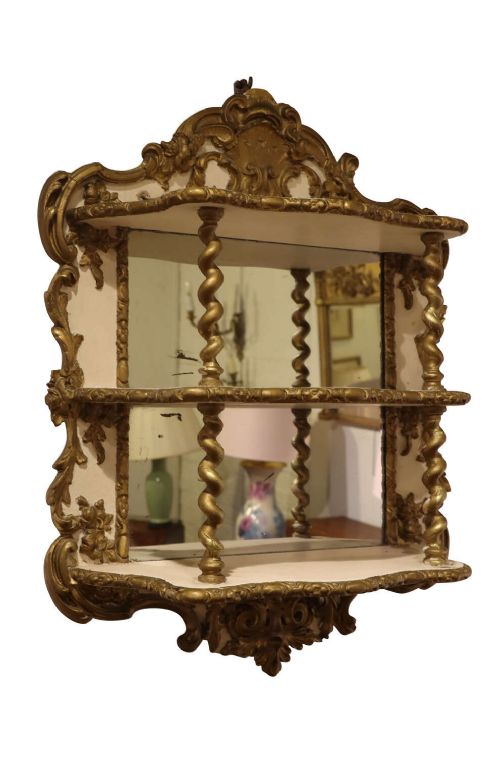
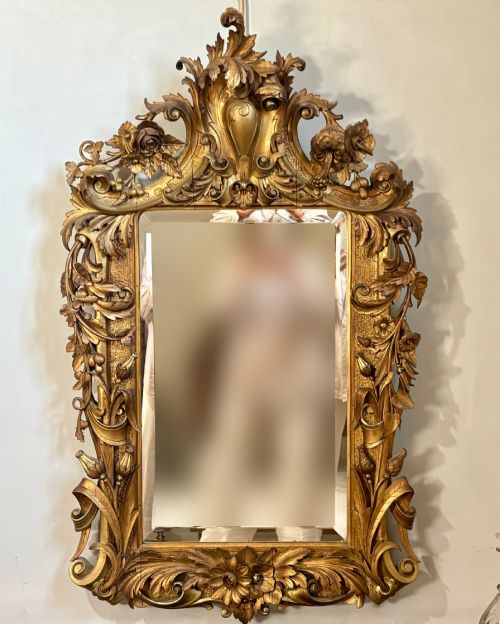
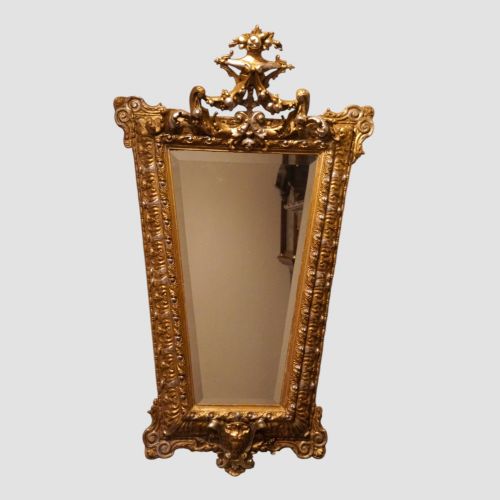
Gilt Hanging Wall Mirror
A gilt hanging wall mirror brings reflective depth and warmth to a room through centuries of decorative traditions.
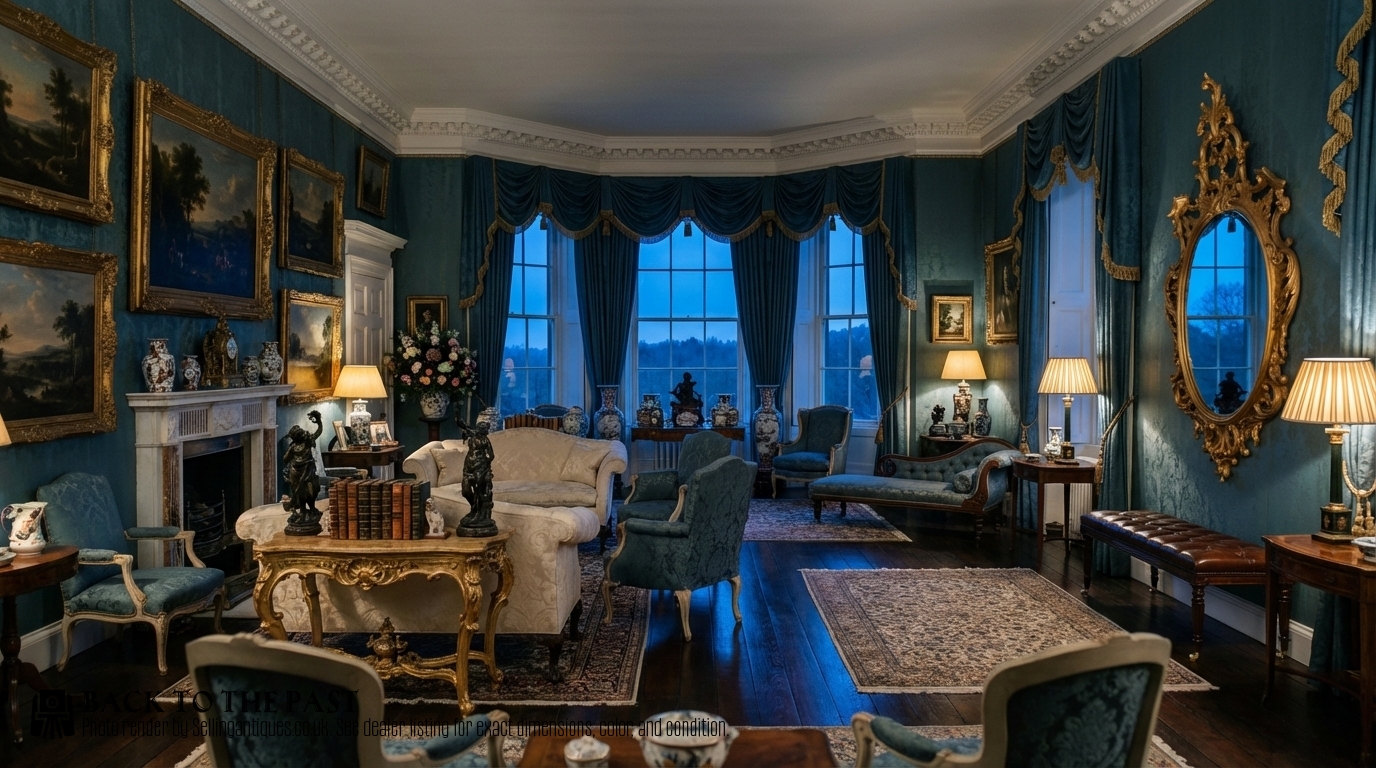
Gilt Hanging Wall Mirror
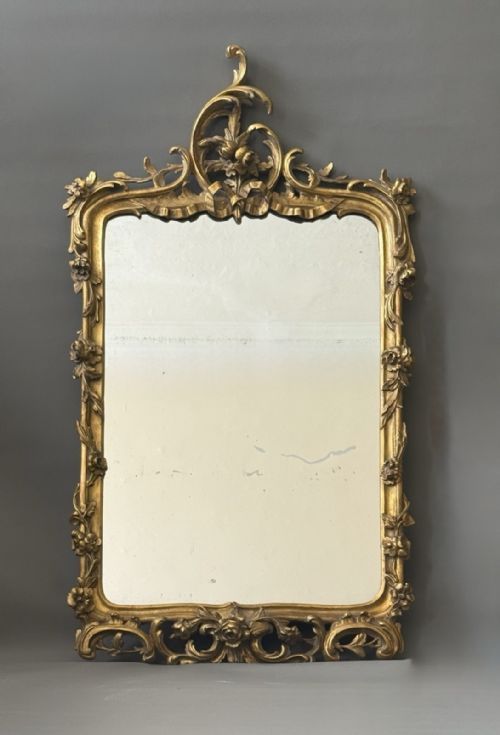
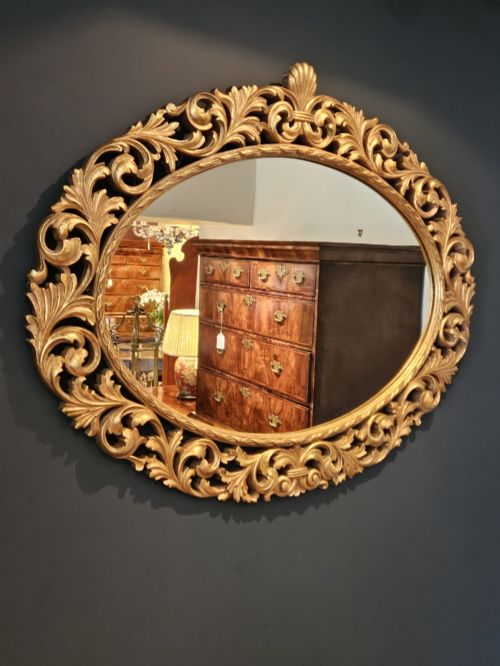
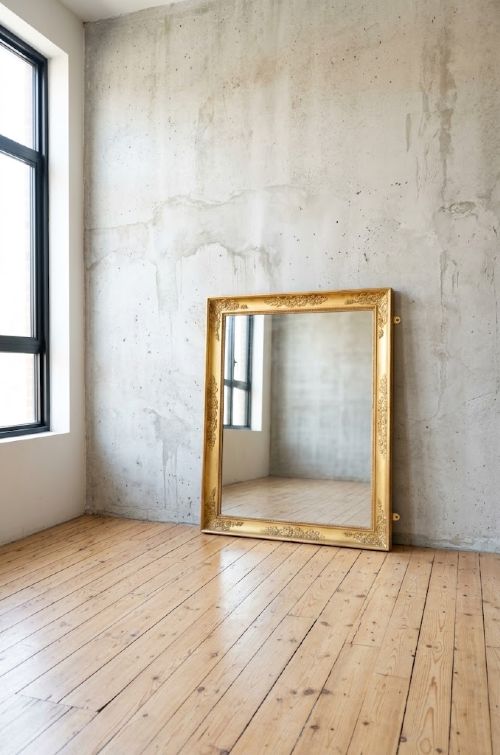
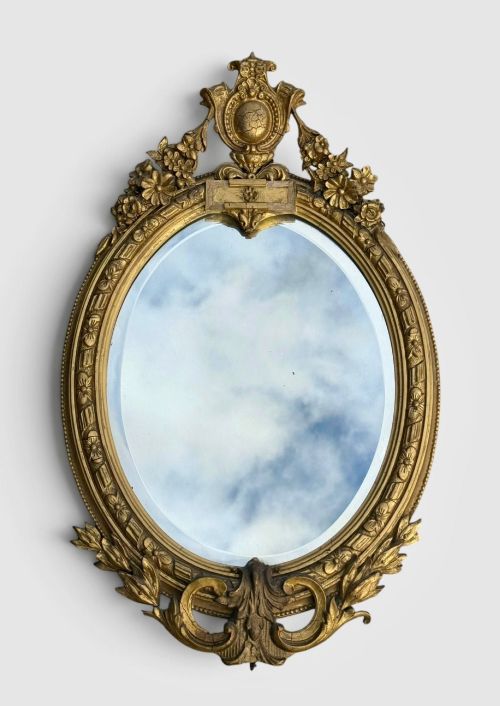
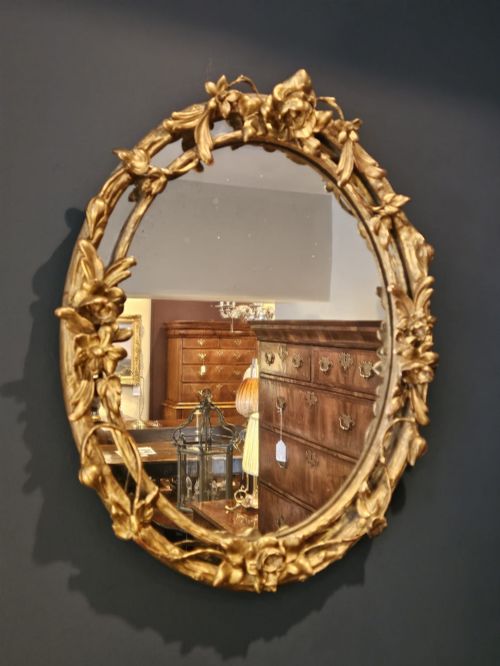
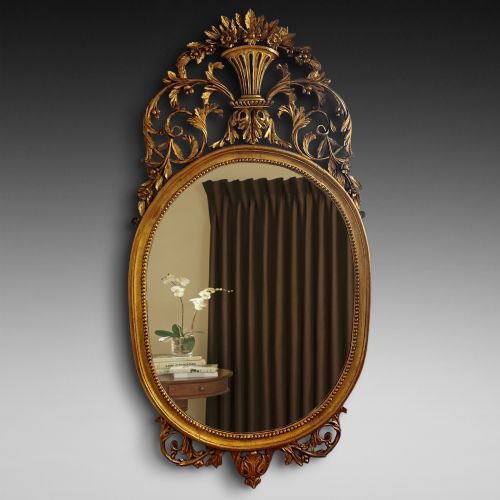
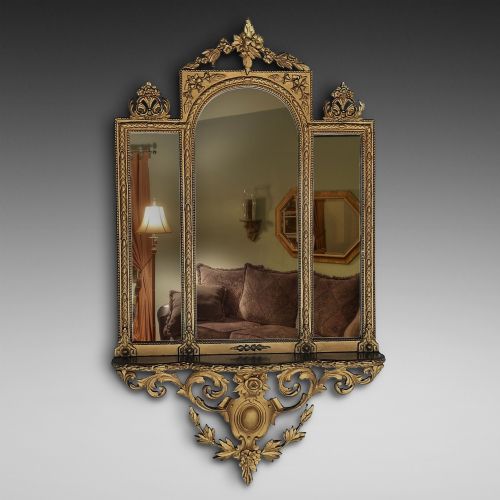
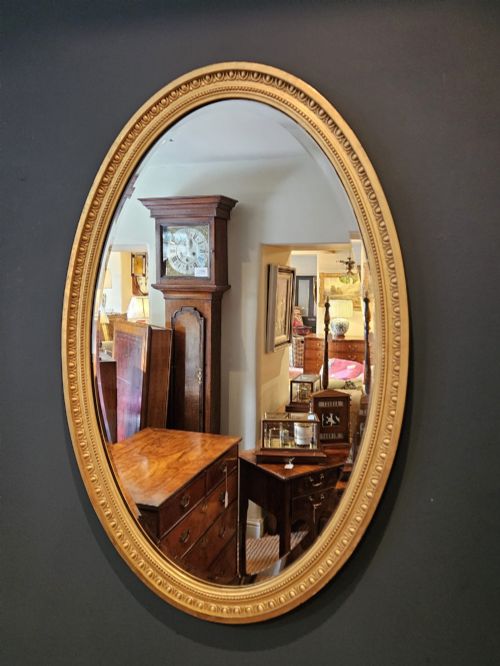
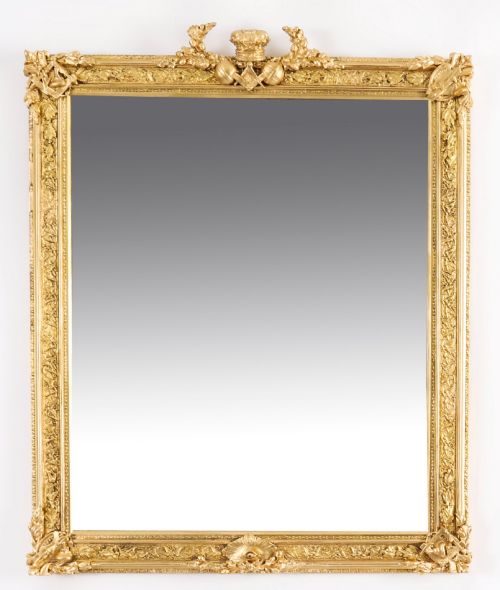
A gilt hanging wall mirror encompasses reflective glass framed in gilded timber, gesso, or composition, designed to be mounted on domestic walls. These pieces range from compact oval portraits to expansive overmantles intended for principal reception rooms.
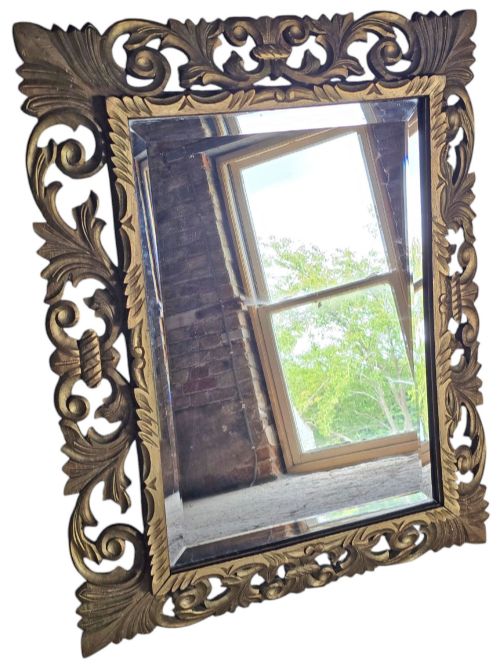
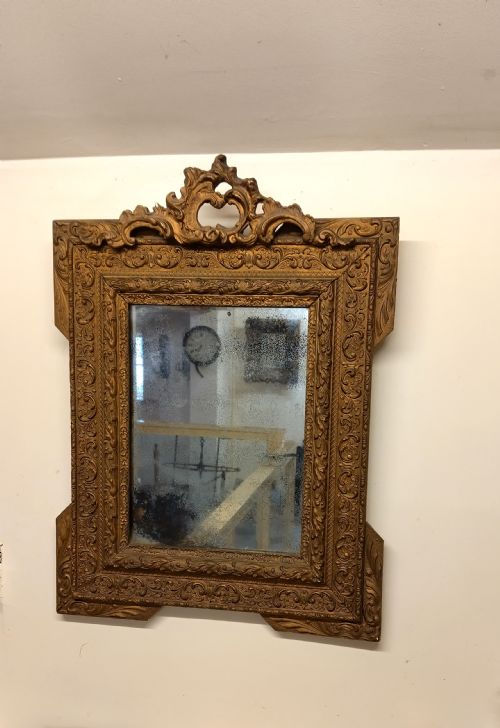
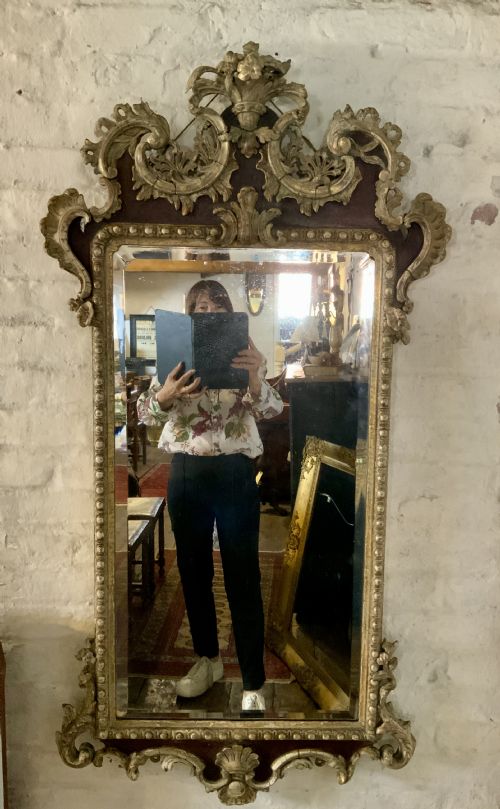
The selections available span multiple centuries and stylistic revivals, with nineteenth-century Victorian examples and eighteenth-century Georgian or Rococo forms appearing frequently. French regional interpretations and Italian Florentine carvings also populate the collection alongside simple oval and rectangular formats.
Beyond standard wall mirrors, the category stretches to incorporate related domestic furnishings such as wall étagères, console tables, and tiered shelving units that integrate mirrored glass into their construction.
What Varies in Quality
The standard of carving distinguishes exceptional examples from standard production, with hand-carved wooden detailing displaying sharper contours and greater depth than moulded composition work. Finer pieces demonstrate meticulous joinery in the underlying timber frame and sophisticated layering of the gesso and gold leaf.
The integrity of the glass plate contributes significantly to the character of the object, as aged mercury plates or hand-bevelled edges carry distinct historical authenticity compared to modern replacement glass. Furthermore, the complexity of the design - ranging from simple reeded frames to elaborate French Rococo or Chinoiserie compositions - reflects the ambition of the original maker.
Several mirrors bear witness to secret societies, including an antique Freemasons masonic giltwood mirror from the nineteenth century.
The Gilt Hanging Wall Mirror Glossary
- Giltwood
- Wood that has been coated with gold leaf or gold paint. This technique provides a brilliant and durable metallic finish to ornate carved frames.
- Gesso
- A plaster mixture applied to wood frames to create a smooth surface for carving or gilding. It allows craftsmen to model intricate floral and scroll reliefs.
- Overmantle
- A large mirror designed specifically to hang above a fireplace mantelpiece. These pieces often feature extended horizontal proportions to fill the wall space.
- Pier mirror
- A tall mirror intended to hang on the narrow pier of wall between two windows. They frequently coordinate with matching console tables placed directly below.
- Rococo Revival
- A nineteenth-century design movement resurrecting the asymmetrical scrolls, shell motifs, and exuberant curves of the eighteenth century. It dominates many Victorian and continental European frames.
Gilt Hanging Wall Mirror: Frequently Asked Questions
What is an overmantle mirror?
An overmantle mirror is a wide format glass created to sit directly above a fireplace hearth. These items historically anchored the decorative scheme of a Victorian or Georgian reception room.
Their generous dimensions reflect light back into the living space while utilising the architectural focal point of the chimney breast.
How do I clean an antique gilt frame?
Cleaning requires a soft dry brush or feather duster to gently remove surface dust from intricate carved crevices. Moisture and commercial chemical cleaners must be avoided entirely to prevent stripping the delicate gold leaf or softening the gesso underneath.
Preserving the original surface patina depends on minimal intervention and gentle handling during routine maintenance.
How can I tell a Victorian mirror from an 18th century one?
Eighteenth-century pieces typically feature hand-carved wooden frames with organic asymmetry and distinct gesso layering beneath gold leaf. Victorian interpretations often incorporate machine-moulded composition ornament and standardised backing construction.
Examining the silvering on the glass plate and the construction joints at the corners provides further clues regarding the actual period of manufacture.