
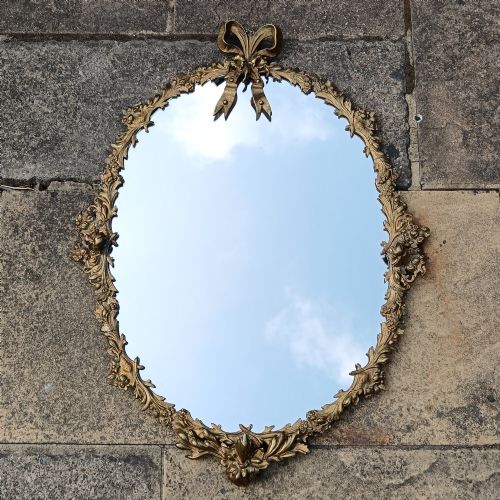
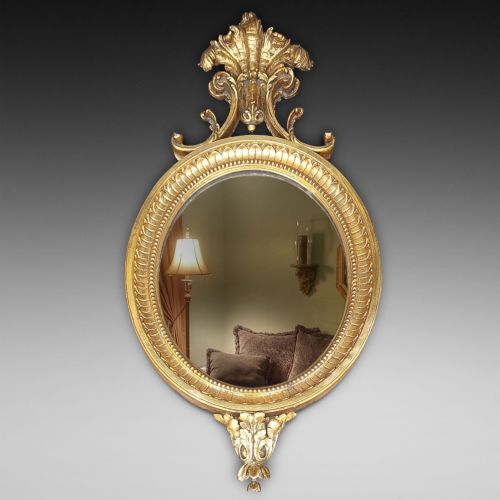
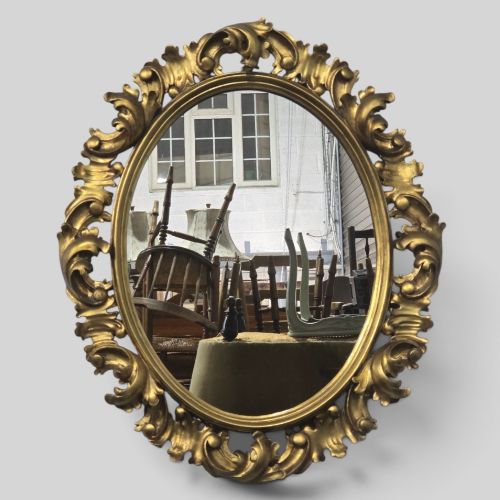

Antique Oval Frame Mirror
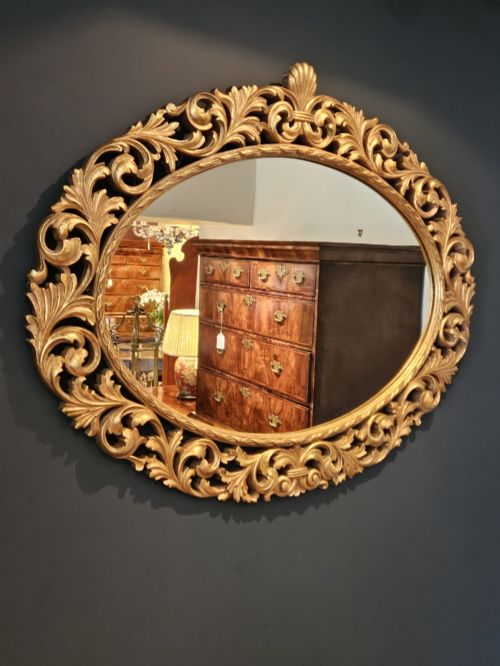
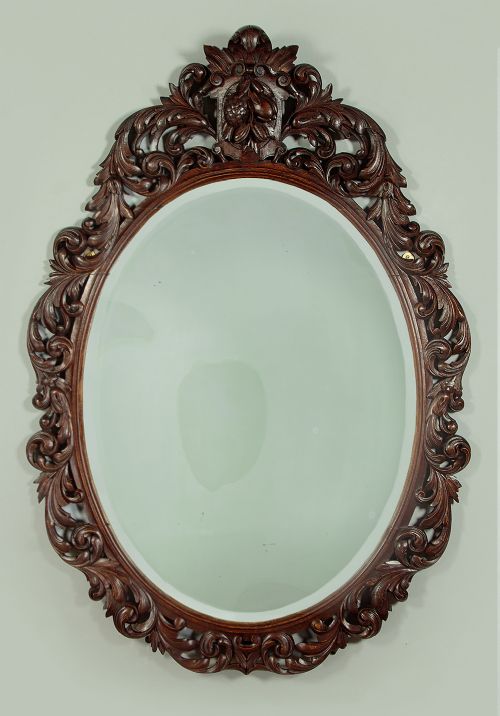
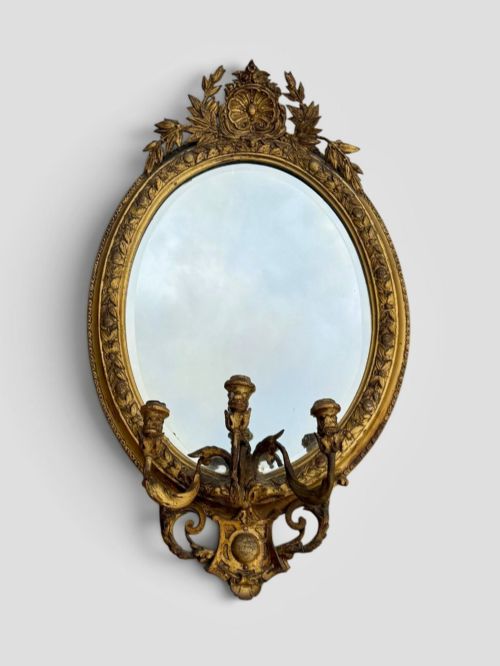
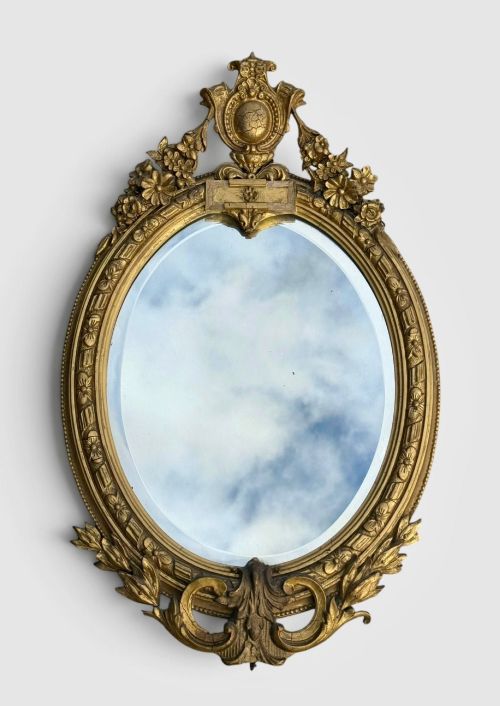
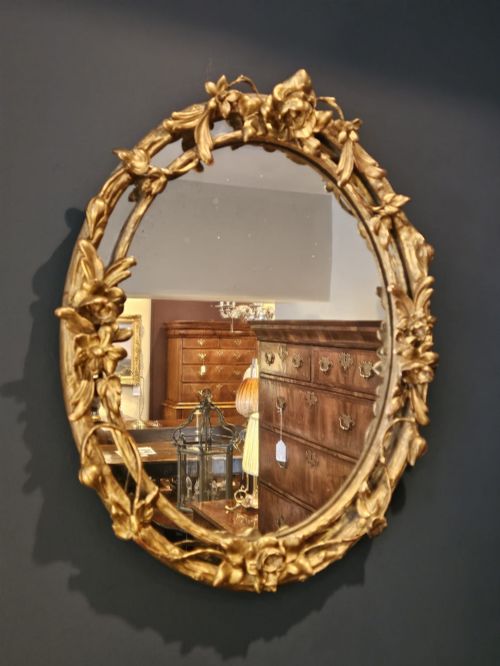
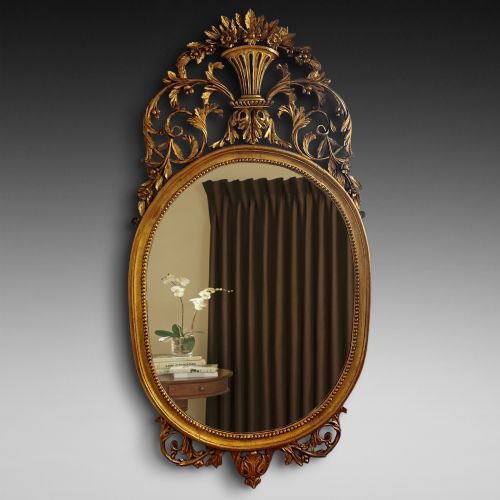
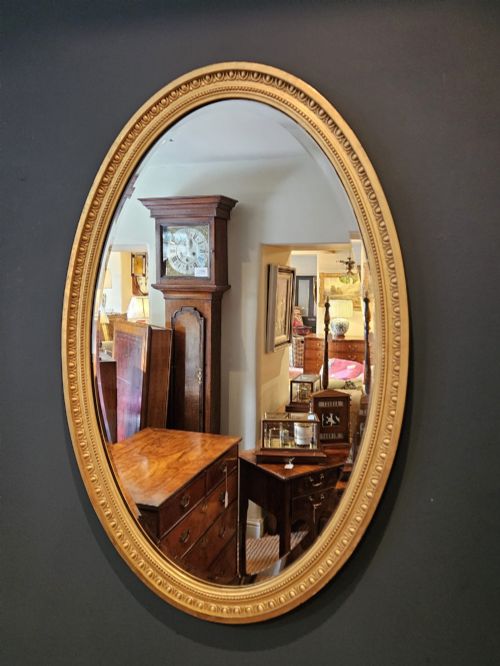
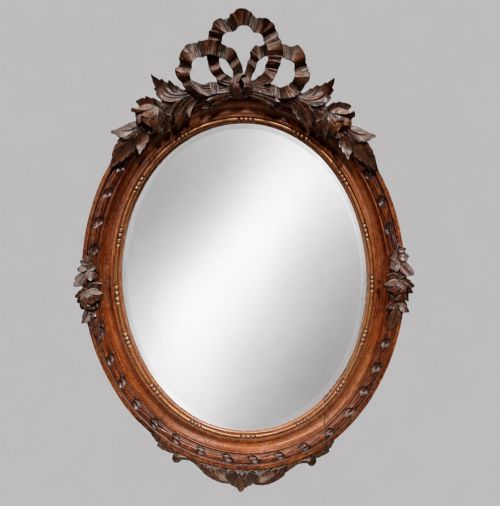
These pieces are an antique oval frame mirror, prized for their graceful curved lines and ability to reflect light in classical interiors.
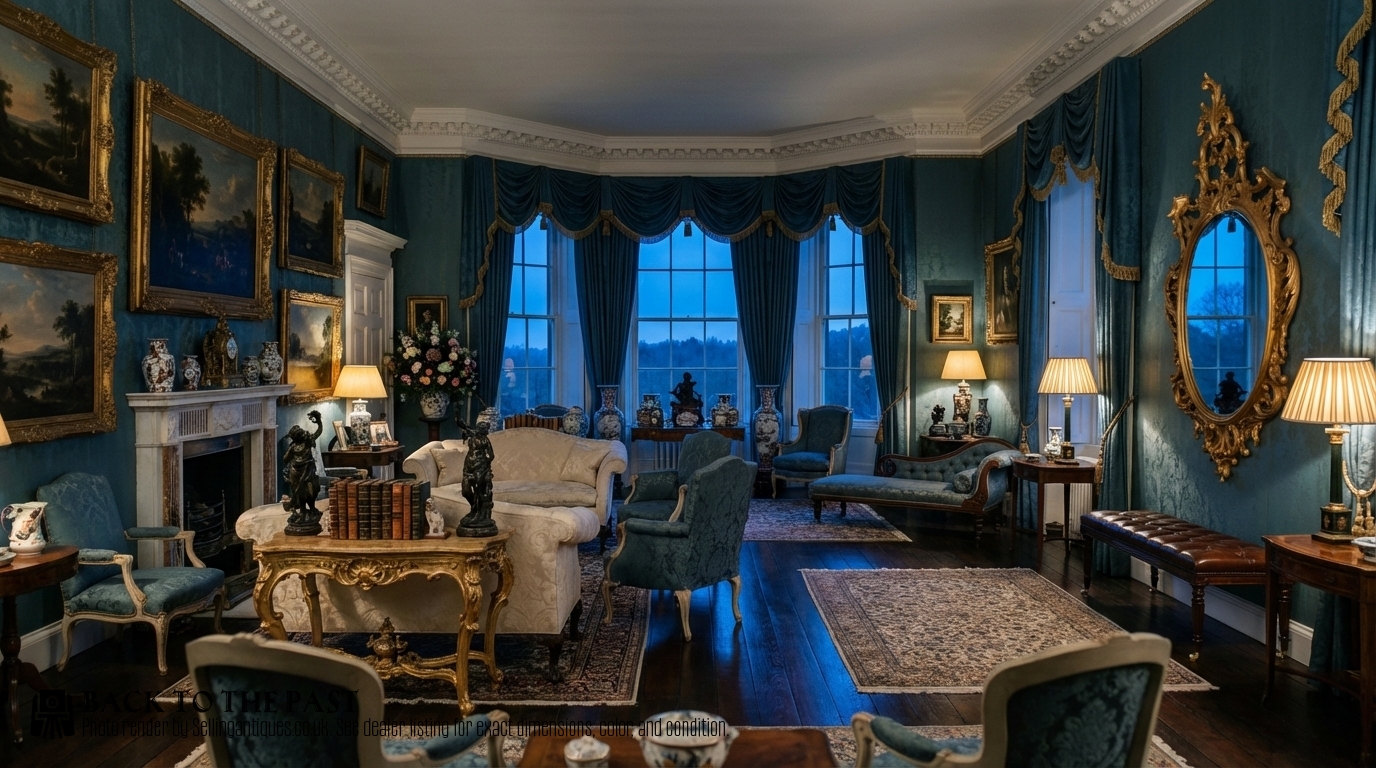
Antique Oval Frame Mirror
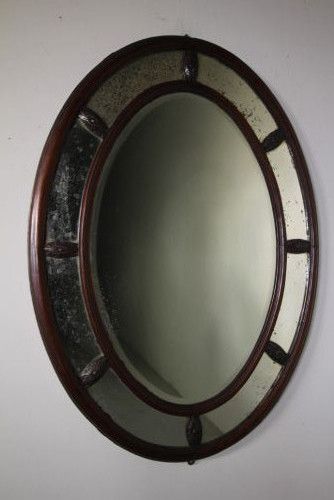
An antique oval frame mirror brings a distinct vertical or horizontal curvature to wall spaces, serving primarily as decorative wall furniture in domestic settings. The pieces seen here encompass various regional traditions, from English country house mahogany to ornate French gilt bronze designs.
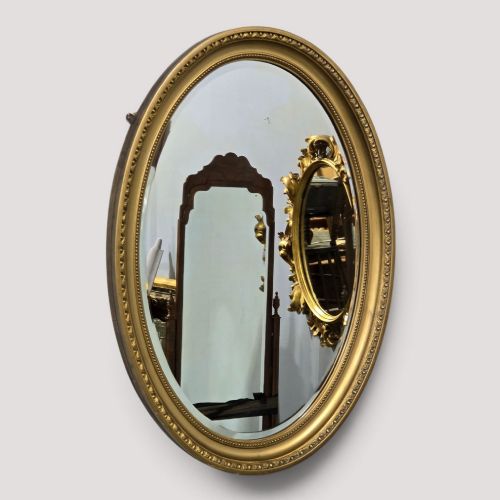
Buyers frequently encounter Victorian examples featuring moulded plaster or carved timber gilt frames alongside Georgian interpretations displaying restrained classical proportion. Wall mounting remains the standard form, with proportions ranging from intimate dressing room glasses to substantial overmantel installations.
The aesthetic vocabulary stretches across several distinct stylistic revivals, incorporating Rococo scrolls, Louis XVI symmetry, and Edwardian inlay work. Such variety ensures these mirrors suit both period drawing rooms and contemporary minimalist spaces seeking a focal point.
How They Were Made
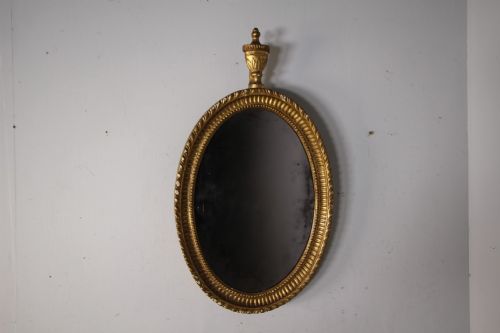
Makers constructed the structural frames using native and imported timbers such as mahogany, oak, and pine, often preparing the wooden substrate with layers of gesso before applying water gilding or oil gold leaf. Carved ornamentation required considerable skill from craftsmen who shaped floral motifs, vine leaves, and classical moulding directly into the wood or modeled composition ornament onto the base.
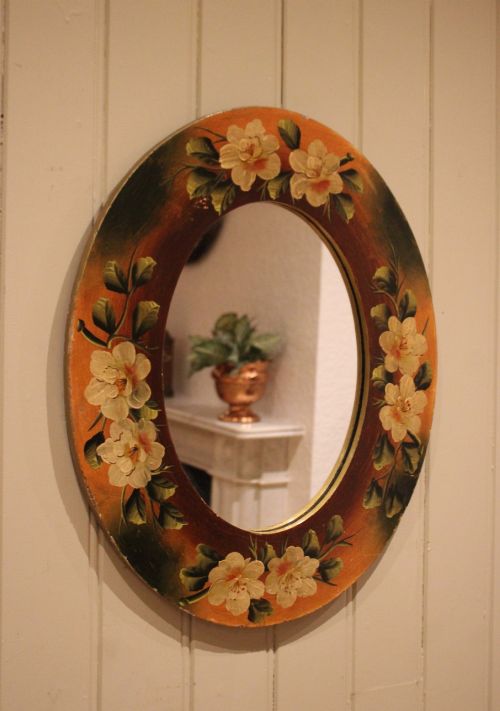
Mirror glass production evolved from early mercury silvered plates displaying subtle foxing to later industrial silvering methods offering clearer reflections. Frames frequently incorporated hand-painted floral details, ebonised finishes, or parcel gilt highlights to accentuate the sculptural depth of the carved elements.
The selection includes 19th-century Victorian and Georgian examples utilising traditional giltwood, gesso, and hand-carved mahogany.
What Varies in Quality
The refinement of the carving separates standard production frames from exceptional pieces, where undercut foliage, crisp architectural moulding, and well-defined gesso relief demonstrate superior workshop execution. Originality of surface finish, including untouched period gilding and authentic mercury glass plates, significantly enhances the integrity of an antique mirror.
Proportional harmony between the oval aperture and the surrounding decorative frame dictates visual success, distinguishing master-carved examples from heavier or less balanced interpretations.
Liberty and Co
The Antique Oval Frame Mirror Glossary
- Giltwood
- Wood that has been coated with fine gold leaf over a prepared bole and gesso ground. This traditional finish provides a warm, reflective metallic sheen that ages gracefully over centuries.
- Gesso
- A mixture of chalk, gypsum, and binder applied to wooden frames to create a smooth surface for gilding or painting. Artisans moulded this compound into intricate relief decorations before it hardened.
- Mercury Plate
- Early mirror glass backed with an amalgam of tin and mercury before modern silver nitrate processes were invented. It is easily identified by its characteristic mottled appearance and dark flecks.
- Overmantel
- A large mirror specifically designed to be hung above a fireplace mantelpiece. These pieces anchor domestic room schemes by reflecting the hearth and surrounding interior.
- Girandole
- A decorative wall mirror fitted with integrated candle sconces on the frame. The polished glass multiplies the flickering candlelight to illuminate dark rooms.
Antique Oval Frame Mirror: Frequently Asked Questions
How do I hang a heavy antique mirror safely?
Heavy frames require professional wall fixings secured directly into structural masonry or timber studs rather than relying on standard plasterboard anchors. Professional mirror hangers utilise suitable weight-rated brass strap hangers attached securely to the rear frame.
Ensuring the hanging wire or chain is properly gauged prevents structural stress on the antique wooden joints over time.
Can I clean the original glass without damage?
Cleaning antique mirror glass requires a gentle touch using a soft microfibre cloth and a mild, ammonia-free glass cleaner. Spray the cloth rather than the glass directly to prevent moisture from seeping behind the plate and damaging the silvering.
Avoid abrasive sponges or harsh chemical solvents that might scratch the surface or erode the surrounding frame finish.
How do I date a carved gilt frame?
Dating relies on examining the construction techniques of the timber backing, the composition of the gesso, and stylistic indicators such as Regency neoclassical motifs or Victorian floral revival carving. Tool marks left by hand chisels on the reverse often distinguish earlier workshop production from later machine work.
The presence of original mercury glass provides a reliable indicator for pieces predating the mid-nineteenth century.
Where should I place an oval mirror?
Placing an oval mirror opposite a window maximises natural light distribution and creates an illusion of greater spatial depth within smaller rooms. Hanging one above a hallway console table provides a functional focal point for transitional spaces.
Consider the surrounding ceiling height and room proportions to ensure the vertical or horizontal sweep of the oval frame complements nearby furniture.