
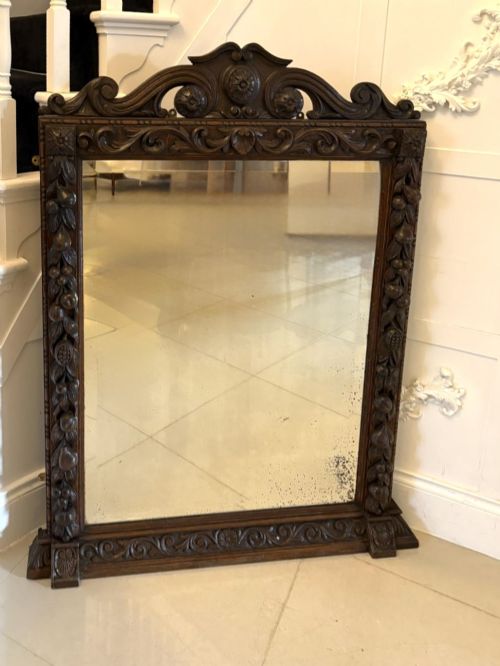
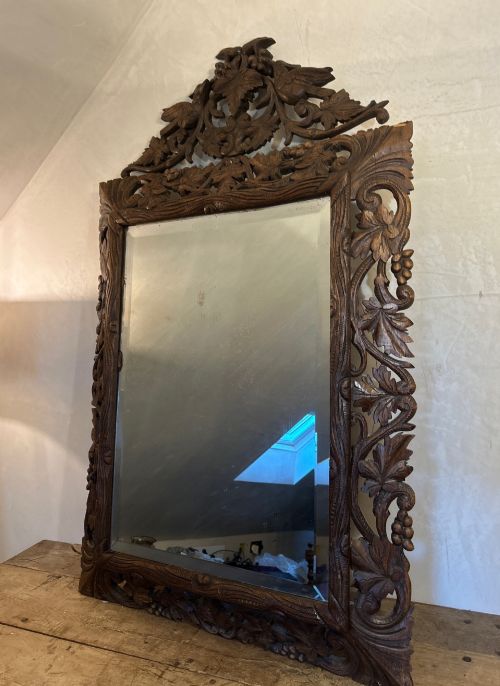
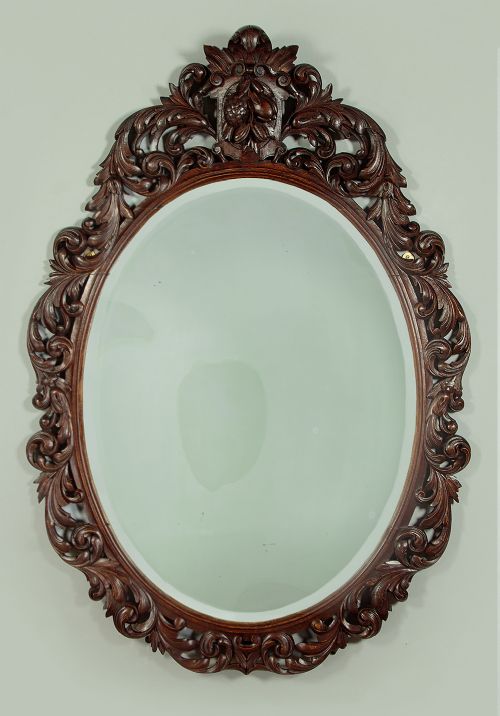
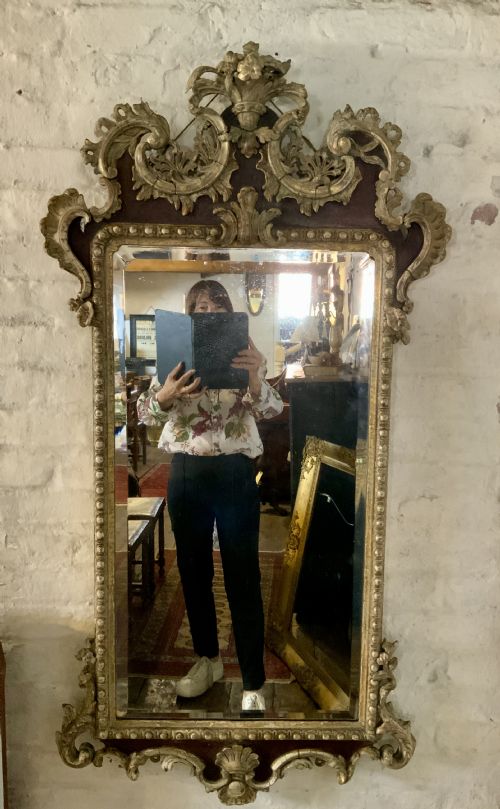


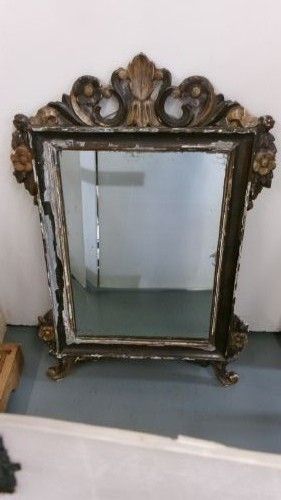

Carved Wood Looking Glass
A carved wood looking glass brings depth and reflected light to a room, uniting artisanal joinery with centuries of decorative style.
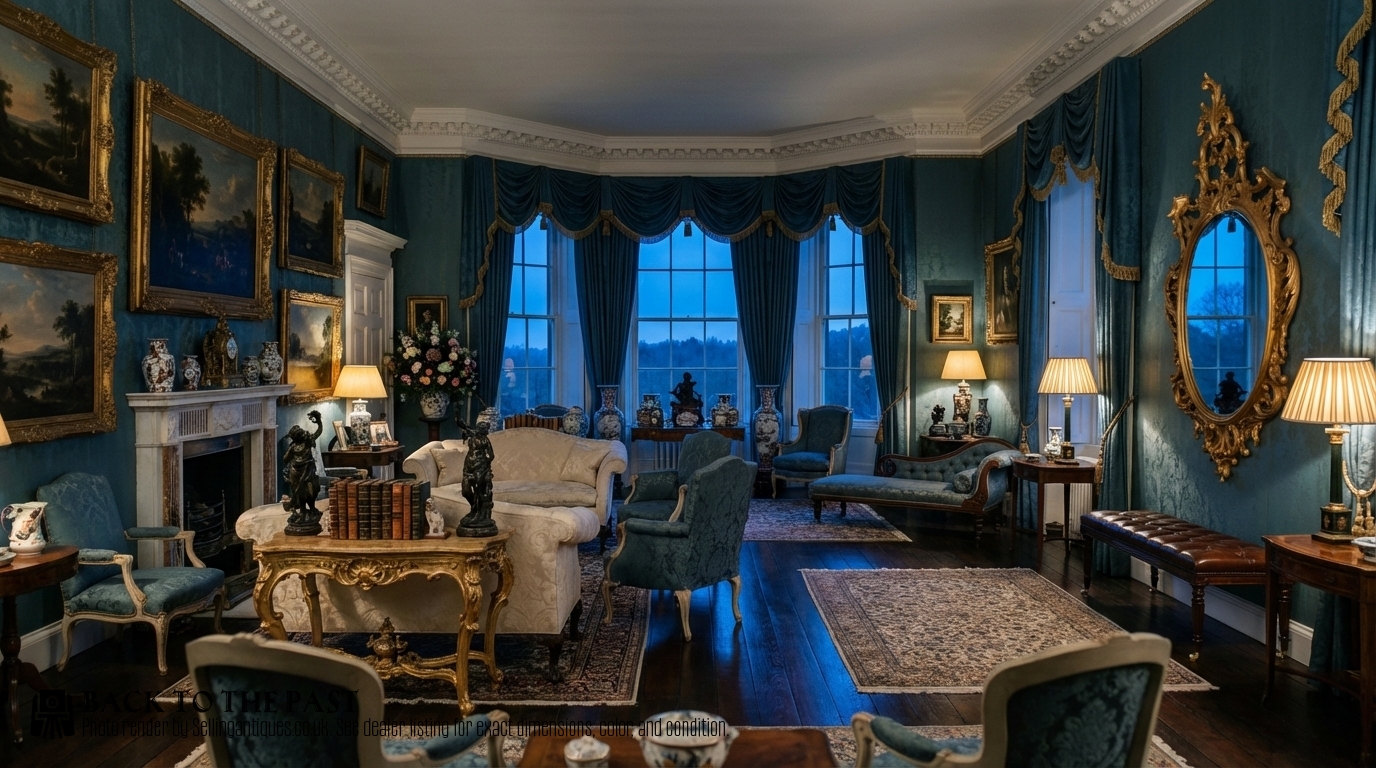
Carved Wood Looking Glass
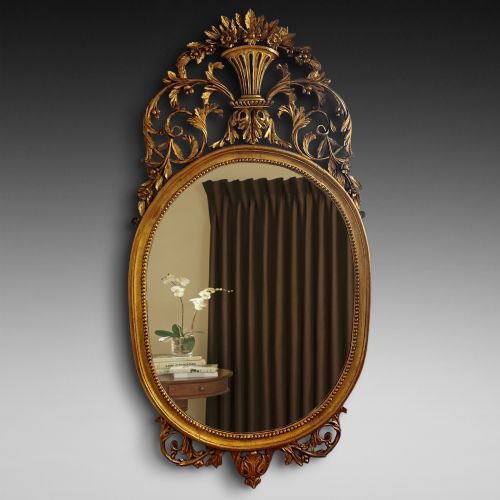
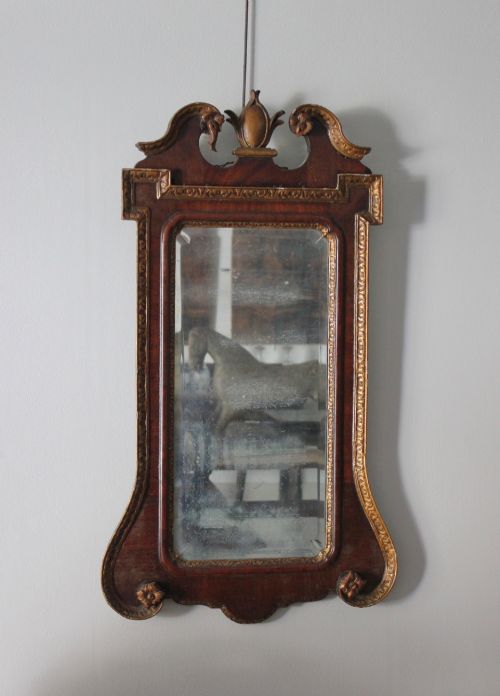
A carved wood looking glass is primarily encountered as a wall mirror or pier glass, serving both functional and decorative purposes in historic interiors. These objects range from compact wall mirrors to large, imposing overmantle pieces designed to anchor a principal reception room.
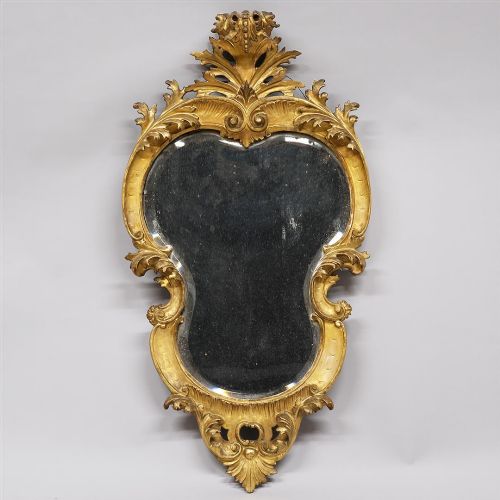
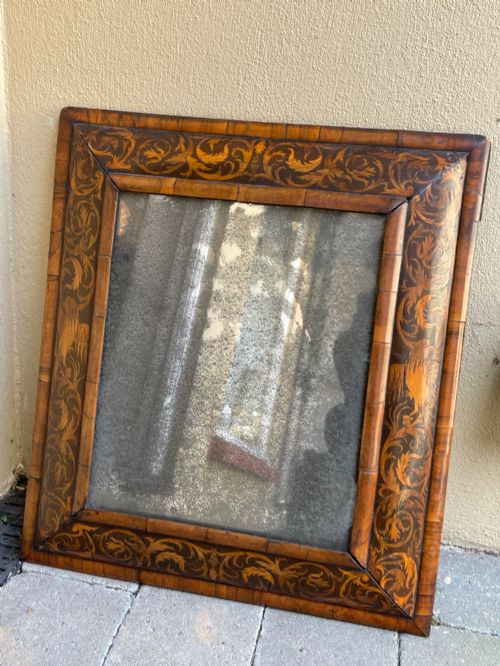
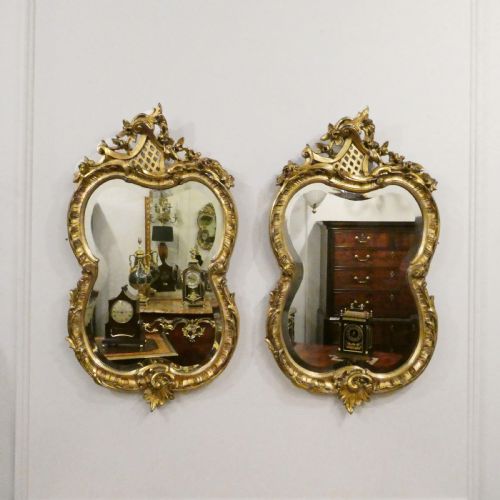
The selections span distinct periods, drawing heavily from eighteenth-century Georgian designs, nineteenth-century Victorian interpretations, and earlier seventeenth-century forms. Buyers will find substantial oak and walnut frames alongside gilded pieces influenced by French and Italian Rococo movements.
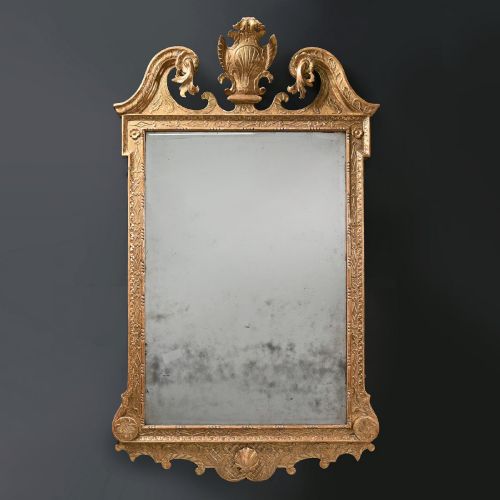
Regional variations emerge clearly across the listings, contrasting robust English oak work with the ornate, flowing giltwood profiles of continental workshops. Whether selecting a neat walnut fretwork mirror or a grand George II giltwood frame, each piece reflects the prevailing aesthetic of its era.
Materials and Construction Methods
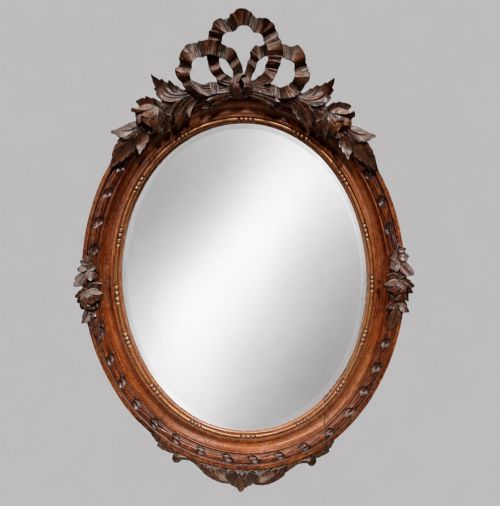
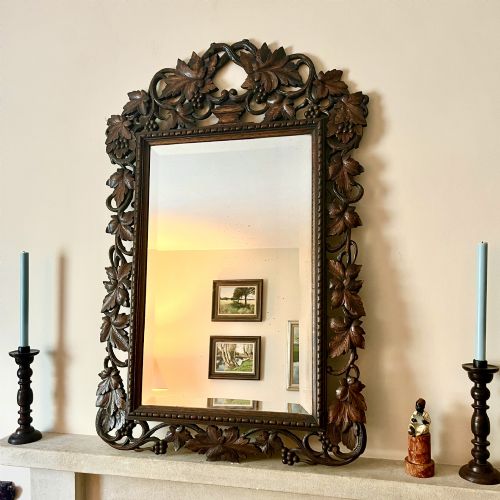
Makers relied on durable timbers such as oak, mahogany, and walnut to build the foundational structure of each carved wood looking glass. These woods were chosen for their stability and grain, often finished with polished surfaces or intricate fretwork patterns.
Giltwood and gesso surface treatments transformed wooden frames through the application of gold leaf over prepared chalk grounds. This technique allowed artisans to build up high-relief scrollwork, acanthus leaves, and rococo motifs that caught candlelight in period rooms.
Listings for carved wood looking glasses feature materials ranging from humble oak and walnut to opulent gold leaf and gesso.
Distinctions in Quality and Execution
The distinction between ordinary and exceptional examples rests in the depth and crispness of the hand-carved detail. Superior pieces exhibit sharp undercutting and spirited modelling in the wood or gesso, whereas lesser items rely on shallow stamping or hurried execution.
Proportion and the preservation of original mirror plates also dictate the standing of a carved wood looking glass. Original bevelled or engraved glass plates, combined with untouched period gilding and sound frame joinery, elevate the stature of the piece significantly.
Benjamin Goodison·William Kent
The Carved Wood Looking Glass Glossary
- Giltwood
- Wood that has been coated with gold leaf over a prepared base. This finish is characteristic of formal Georgian and continental mirrors designed to reflect maximum light.
- Gesso
- A plaster-like mixture applied to wooden frames and carved before gilding. It provides a smooth, receptive surface for high-relief ornamentation.
- Fretwork
- Thin wood worked into decorative geometric or open patterns using a fretsaw. It defines the flat, scrolled crests of many eighteenth-century walnut mirrors.
- Pier glass
- A tall mirror specifically designed to hang on the wall space between windows. These pieces often matched console tables placed directly beneath them.
- Parcel gilt
- A decorative treatment where only specific raised portions of a wooden frame are gilded while the underlying walnut or mahogany remains visible.
Carved Wood Looking Glass: Frequently Asked Questions
How do I hang a heavy carved wood mirror safely?
Heavy carved wood mirrors require secure attachment directly into wall studs using appropriate steel brackets or mirror plates rated for the weight.
Because many historic frames are heavy due to dense timber and gesso construction, professional installation ensures the hanging hardware supports the load without stressing the antique joints.
How should I clean the antique glass and frame?
Dust the carved wooden or gilded frame gently with a dry, soft-bristled brush to avoid disturbing fragile surface finishes or gold leaf.
Clean the glass plate sparingly using a cloth slightly dampened with distilled water or a mild glass cleaner, taking care not to let moisture seep behind the plate edge.
How do I tell a Georgian mirror from a Victorian revival piece?
Georgian mirrors typically display authentic timber shrinkage, hand-cut joinery, and older silvering techniques on the glass plate that show natural age.
Victorian and later revival pieces often utilise machine-sawn backing boards, uniform modern brass fixings, and sharper, shinier gilding applications characteristic of nineteenth-century production.
Where is the best place to hang a looking glass in a modern home?
Position a carved wood looking glass opposite a window to maximise natural daylight and create an illusion of greater spatial depth in smaller rooms.
They also function well above mantelpieces, sideboards, or console tables where the frame's architectural proportions can be appreciated at eye level.